GTA 6 and the Bigger Picture: Why 2026 Could Be a Defining Year for Video Games
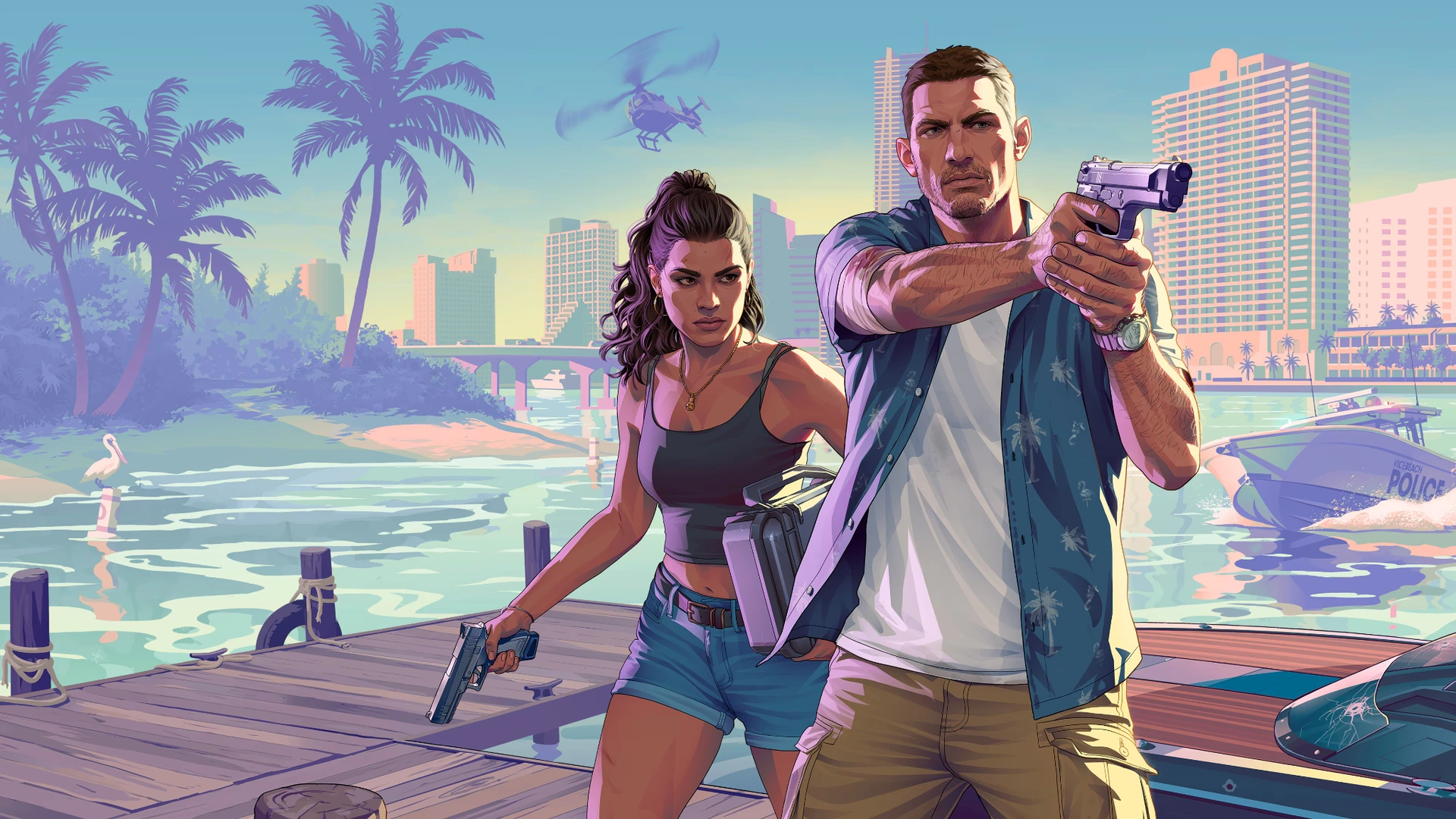
After years of anticipation, shifting timelines and endless speculation, 2026 is shaping up to be one of the most consequential years the video games industry has seen in a long time. At the centre of it all stands Grand Theft Auto VI, a game whose release has become more than just a launch date. It has turned into a cultural marker, influencing publishers, players, investors and even wider conversations about technology, labour and creativity in games.
Yet GTA 6 is only one part of a much larger story. From blockbuster releases and console strategies to rising hardware costs, artificial intelligence debates and historic corporate acquisitions, the year ahead carries weight far beyond any single title.
GTA 6: The Most Anticipated Release in Modern Gaming
Grand Theft Auto VI, developed by Rockstar Games, remains the single most anticipated game of the decade. Originally targeted for a May 26, 2026 release, the game was officially delayed in October, with Rockstar confirming a revised launch date of November 19, 2026. The studio cited the need for additional development time to meet its quality standards, a familiar explanation that longtime fans have come to expect.
Two delays and multiple trailers later, the industry finds itself once again asking the same question that has lingered for years: will this date finally hold.
Speculation about a further delay into 2027 has circulated widely on social media, reigniting frustration among fans. However, there is currently no official evidence to support those claims. Rockstar has made no announcements beyond the November 2026 window, and insiders with a track record of accurate reporting have pushed back against rumours suggesting a confirmed postponement.
One such insider, Reece “Kiwi Talkz” Reilly, has stated publicly that it is far too early for any final decision on another delay. He described the 2027 claims as engagement driven speculation rather than verified information and urged fans to avoid drawing conclusions based on unconfirmed reports.
For now, November 2026 remains the official target. If GTA 6 does arrive as planned, it is expected to break sales and engagement records, much as previous entries in the series have done. Its launch date is already influencing the wider release calendar, with many publishers carefully positioning their own games as far away from it as possible.
A Crowded and Competitive Release Calendar
While GTA 6 dominates headlines, 2026 is far from a one game year. In fact, the early months are packed with major releases from some of the industry’s biggest players.
Capcom is set to release Resident Evil Requiem in February, marking the ninth mainline entry in its long running survival horror franchise. The company will follow that with Pragmata, a science fiction action adventure scheduled for April.
Sony is also preparing a strong lineup. Saros, a PlayStation exclusive and spiritual follow up to the acclaimed Returnal, is expected in April. Later in the year, Insomniac Games is slated to deliver Wolverine, one of the most anticipated superhero titles currently in development.
May will see the arrival of 007 First Light, a James Bond game from IO Interactive, the studio behind the Hitman series. With a cinematic approach and a high profile licence, it is positioned as another major tentpole release.
Nintendo, meanwhile, will be looking to sustain the momentum of its record breaking Switch 2 launch. Titles such as Pokopia, a relaxed and cosy reimagining of the Pokémon formula, and The Duskbloods, an online multiplayer project from FromSoftware, are among the games to watch. Although fans are still waiting for announcements related to new Mario or Zelda entries, Nintendo has a long history of revealing major titles only months before release.
Microsoft also enters 2026 with something to prove. The company has teased significant announcements for its January Developer Direct showcase and is still expected to release Fable and Gears of War: E Day during the year. With the Xbox brand marking its 25th anniversary, 2026 represents an opportunity to rebuild goodwill after recent criticism over studio closures, subscription price increases and the decision to bring some flagship titles to rival platforms.
Alongside these blockbuster projects, the industry is also likely to see indie successes emerge. Smaller titles have repeatedly shown their ability to capture critical and commercial attention, and 2026 is expected to be no different.
Rising Hardware Costs and the RAM Shortage
Beyond software, the industry is facing challenges on the hardware side. Random access memory, a crucial component in consoles, PCs and mobile devices, has become significantly more expensive. Analysts point to growing demand from artificial intelligence data centres as a major factor, with large manufacturers increasingly prioritising contracts with big technology firms.
Micron, which owns the consumer facing Crucial brand, recently announced it would step back from parts of the consumer market to focus on AI driven demand. This shift has contributed to concerns about supply shortages and rising production costs.
Reports suggest that manufacturing expenses for upcoming hardware, including Nintendo’s Switch 2, could increase as a result. There are also fears that Valve’s planned Steam Machine style PC console hybrid could face delays or higher prices. So far, video game companies have not publicly commented on how the situation might affect consumers, but the risk of price rises remains a topic to watch closely.
The Ongoing Battle Over AI in Game Development
Few topics generate as much debate within the games industry as generative artificial intelligence. After years of layoffs and studio closures, discussions around AI and automation have taken on added intensity.
The issue came back into focus recently when Swen Vincke, head of Larian Studios, confirmed that his team had explored using generative AI during early idea generation and prototyping. Although he stressed that no AI generated content would appear in finished games and that human jobs would not be replaced, the comments sparked strong reactions online.
Despite early promises that generative AI could dramatically reduce development time and costs, its real world impact on finished games remains limited. Developers have cited ethical concerns, legal uncertainty and practical limitations as reasons for caution. While some studios experiment with AI tools during pre production, many others openly state that they avoid them entirely.
As technology evolves and regulations begin to take shape, the role of AI in game development will continue to be contested. With strong opinions on all sides, further controversy seems inevitable as 2026 progresses.
Saudi Arabia’s Landmark Acquisition of EA
One of the most significant business stories in gaming is the planned acquisition of Electronic Arts by a Saudi Arabia led investment group in a deal valued at $55 billion. EA, the publisher behind franchises such as Battlefield, EA FC and The Sims, is one of the industry’s largest and most influential companies.
Saudi Arabia has framed the move as part of its broader effort to diversify its economy beyond oil, with gaming positioned as a key growth sector. Critics, however, have described the strategy as a form of sportswashing, arguing that high profile investments in entertainment are being used to soften the country’s international image amid ongoing concerns over human rights and anti LGBT laws.
The deal has raised particular concern among fans and creators associated with The Sims, a series known for its inclusive themes and strong LGBT community. Some prominent content creators have publicly cut ties with the franchise in protest. EA responded by reaffirming that its games would remain spaces for self expression.
There are also financial concerns. EA has reportedly taken on significant debt to facilitate the acquisition, prompting fears of further layoffs once the deal is completed. If all proceeds as planned, more clarity on the future direction of EA’s major franchises is expected by the summer.
A Year That Could Redefine the Industry
Taken together, these developments paint a picture of an industry at a crossroads. On one hand, 2026 promises some of the most ambitious and high profile releases in gaming history. On the other, it exposes deep structural challenges, from rising costs and technological disruption to questions about ownership, labour and creative control.
GTA 6 sits at the heart of this moment, not just as a game, but as a symbol of the scale, pressure and expectations facing modern game development. Whether it arrives in November 2026 or slips further remains to be seen. What is certain is that its shadow will loom large over everything else.
For players, developers and publishers alike, 2026 is not just another year on the calendar. It may well be the year that defines the direction of video games for the rest of the decade.
Edit Profile
Help improve @KR

Was this page helpful to you?
Contact Khogendra Rupini
Are you looking for an experienced developer to bring your website to life, tackle technical challenges, fix bugs, or enhance functionality? Look no further.
I specialize in building professional, high-performing, and user-friendly websites designed to meet your unique needs. Whether it’s creating custom JavaScript components, solving complex JS problems, or designing responsive layouts that look stunning on both small screens and desktops, I can collaborate with you.
Create something exceptional with us. Contact us today
Open for Collaboration
If you're looking to collaborate, I’m available for a variety of professional services, including -
- Website Design & Development
- Advertisement & Promotion Setup
- Hosting Configuration & Deployment
- Front-end & Back-end Code Implementation
- Code Testing & Optimization
- Cybersecurity Solutions & Threat Prevention
- Website Scanning & Malware Removal
- Hacked Website Recovery
- PHP & MySQL Development
- Python Programming
- Web Content Writing
- Protection Against Hacking Attempts