Samsung Bets on Optics as Galaxy S26 Ultra Faces the One Inch Sensor Era
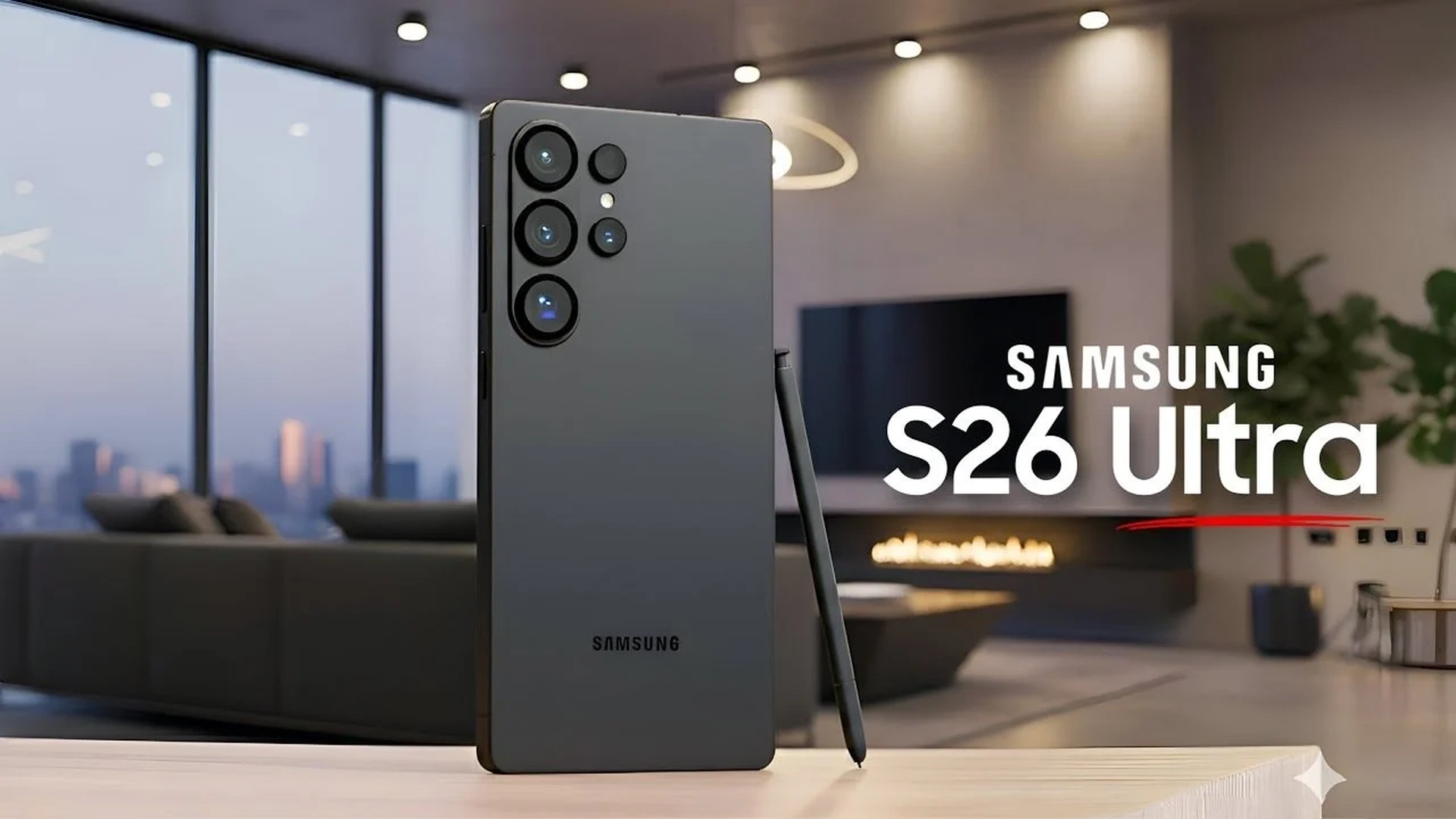
The smartphone camera race is once again entering a decisive phase. Chinese manufacturers are aggressively scaling sensor size, chasing the long standing belief that bigger hardware automatically produces better images. Amid this renewed push, Samsung appears ready to take a markedly different path with the upcoming Galaxy S26 Ultra. Instead of embracing a one inch sensor trend, the company is reportedly refining optics and image tuning to preserve control, consistency, and visual character.
This strategy places Samsung at a crossroads. The competition is betting on brute force data capture, while Samsung is doubling down on disciplined imaging. Whether this becomes a masterstroke or a miscalculation will define the next generation of flagship photography.
The renewed push toward massive sensors
Smartphone photography has always moved in cycles. Computational photography dominated one phase, followed by multi camera systems and extreme megapixel counts. Now, the industry is revisiting sensor size as the primary differentiator. Devices like the Xiaomi 17 Ultra are expected to rely on large LOFIC based sensors to deliver dramatic gains in dynamic range and highlight retention.
LOFIC technology introduces an additional charge storage path within each pixel. When highlights exceed normal capacity, excess charge is redirected rather than clipped. In theory, this allows scenes with fire, reflections, or intense light sources to retain color separation and structure that conventional sensors lose. The appeal is clear. One exposure captures more real world light information without aggressive software blending.
Yet sensor capability alone does not define the final image. The optical system in front of that sensor becomes increasingly difficult to control as size grows. This is where the current debate shifts from numbers to physics.
Optics remain the limiting factor
Large sensors demand larger glass. Wider entrance pupils, more complex optical paths, and faster lenses introduce new challenges. Even early samples from LOFIC equipped phones show that flare, internal reflections, and glow artifacts remain present in extreme lighting scenarios. The sensor may preserve data, but the lens still obeys physical laws.
As sensor size increases, manufacturers face an unavoidable tradeoff. More light reaches the sensor, but the risk of unwanted optical artifacts rises sharply. No amount of post processing can fully remove flare that originates inside the lens system itself.
This reality has pushed some brands toward variable aperture designs. Stopping down the lens reduces flare and improves control, but it also negates much of the light gathering advantage of a large sensor. When that happens, the practical benefit begins to resemble smaller sensor systems with fewer compromises.
Samsung’s philosophy favors control and mood
Samsung has historically approached imaging from a different angle. The Galaxy S25 Ultra exemplifies this philosophy. Highlights are gently rolled off instead of aggressively preserved. Bright light sources transition smoothly into white. Colors near intense illumination are softened to maintain cohesion.
Lens flare suppression has been a particular strength. In everyday shooting, Samsung images often feel cinematic rather than clinical. The company prioritizes atmosphere and consistency over maximum raw data extraction. This approach has resonated with users who value reliable results across varied conditions.
However, the competitive landscape is changing. As rivals deliver dramatic dynamic range demonstrations, perception matters as much as performance. Samsung cannot rely on mood alone when competitors showcase measurable advantages.
The reported Galaxy S26 Ultra camera strategy
Leaks suggest that the Galaxy S26 Ultra will continue using the 200 megapixel ISOCELL HP2 sensor rather than adopting a one inch alternative. The critical change lies in the lens. Samsung is rumored to move to a 24 millimeter focal length with an f one point four aperture, a substantial upgrade from the f one point seven lens used previously.
From an optical standpoint, this is a meaningful leap. A faster aperture allows significantly more light to reach the sensor. This directly improves low light performance without increasing sensor size. Lower ISO values reduce noise at the source rather than relying on heavy computational cleanup.
The wider aperture also enables more natural depth of field separation. Background blur becomes optical rather than purely algorithmic. Subject isolation improves with smoother transitions that resemble dedicated cameras more closely.
Another benefit lies in motion capture. More incoming light supports faster shutter speeds indoors and at night. Motion blur has long been a weakness for Samsung in challenging lighting. A brighter lens addresses this issue at its root.
Managing the increased flare risk
Faster glass inevitably increases flare potential. This is the true test of Samsung’s approach. The company has built its reputation on optical discipline, but f one point four leaves less margin for error. Advanced coatings, refined lens design, and aggressive highlight management will be essential.
If Samsung succeeds, it may achieve a rare balance. Images could approach the brightness and subject separation of larger sensor systems while maintaining the cleanliness and predictability of smaller optics. This would reinforce the idea that system level engineering matters more than individual specifications.
If it fails, flare and loss of contrast could undermine the very strengths Samsung aims to protect. The stakes could not be higher.
Data first versus vision first imaging
At its core, the competition reflects two philosophies. LOFIC based systems prioritize capturing everything the scene contains. Every photon is treated as valuable data. Samsung prioritizes shaping what the viewer ultimately sees. Decisions are made at capture and processing stages to produce a cohesive image rather than a technically exhaustive one.
Neither approach is inherently superior. Real world photography often rewards balance. Excessive highlight detail can feel harsh or unnatural. Over smoothing can feel artificial. The challenge lies in finding the point where technical excellence serves artistic intent.
Industry context and shared philosophies
Samsung is not alone in this thinking. Brands like Apple, OPPO, and vivo also emphasize controlled highlights and consistent color science over headline grabbing sensor specs. Each applies its own tuning, but the underlying philosophy is similar.
What differentiates Samsung is scale. As one of the largest smartphone manufacturers, its choices influence broader industry trends. A successful Galaxy S26 Ultra could validate restraint in an era obsessed with size.
Performance will extend beyond hardware
The Galaxy S26 Ultra is also expected to benefit from a faster Qualcomm Snapdragon platform. Improved processing power enables more sophisticated HDR pipelines, faster per pixel exposure adjustments, and better motion handling. Hardware and software will need to work in concert to maximize the advantages of the new lens.
Samsung’s mature imaging pipeline is a key asset. Years of refinement in tone mapping and noise control give the company a strong foundation to build upon. Incremental gains here may prove just as important as optical changes.
The broader future of smartphone cameras
The long term future is unlikely to belong exclusively to either extreme. Larger sensors will continue to improve, especially as optical engineering evolves. At the same time, smarter coatings, hybrid aperture systems, and per pixel exposure techniques can elevate smaller sensors beyond their apparent limits.
Faster lenses on moderate sensor sizes offer a compelling middle ground. They reduce reliance on extreme glass while delivering tangible gains in real world shooting. This approach aligns with Samsung’s reported direction.
A defining moment for Samsung imaging
The Galaxy S26 Ultra does not need to win the specification race to succeed. It needs to deliver images that feel confident, intentional, and dependable. If the rumored camera system performs as intended, Samsung could demonstrate that thoughtful engineering still matters more than raw numbers.
If not, the company may be forced to reconsider its resistance to larger sensors in future generations. Either outcome will shape flagship camera design for years to come.
For now, Samsung is betting that seeing right matters more than seeing everything. The Galaxy S26 Ultra will reveal whether that belief still holds true in a market increasingly driven by extremes.
Edit Profile
Help improve @KR

Was this page helpful to you?
Contact Khogendra Rupini
Are you looking for an experienced developer to bring your website to life, tackle technical challenges, fix bugs, or enhance functionality? Look no further.
I specialize in building professional, high-performing, and user-friendly websites designed to meet your unique needs. Whether it’s creating custom JavaScript components, solving complex JS problems, or designing responsive layouts that look stunning on both small screens and desktops, I can collaborate with you.
Create something exceptional with us. Contact us today
Open for Collaboration
If you're looking to collaborate, I’m available for a variety of professional services, including -
- Website Design & Development
- Advertisement & Promotion Setup
- Hosting Configuration & Deployment
- Front-end & Back-end Code Implementation
- Code Testing & Optimization
- Cybersecurity Solutions & Threat Prevention
- Website Scanning & Malware Removal
- Hacked Website Recovery
- PHP & MySQL Development
- Python Programming
- Web Content Writing
- Protection Against Hacking Attempts