Explosions and Air Activity Jolt Caracas as Venezuela Accuses United States of Military Strikes
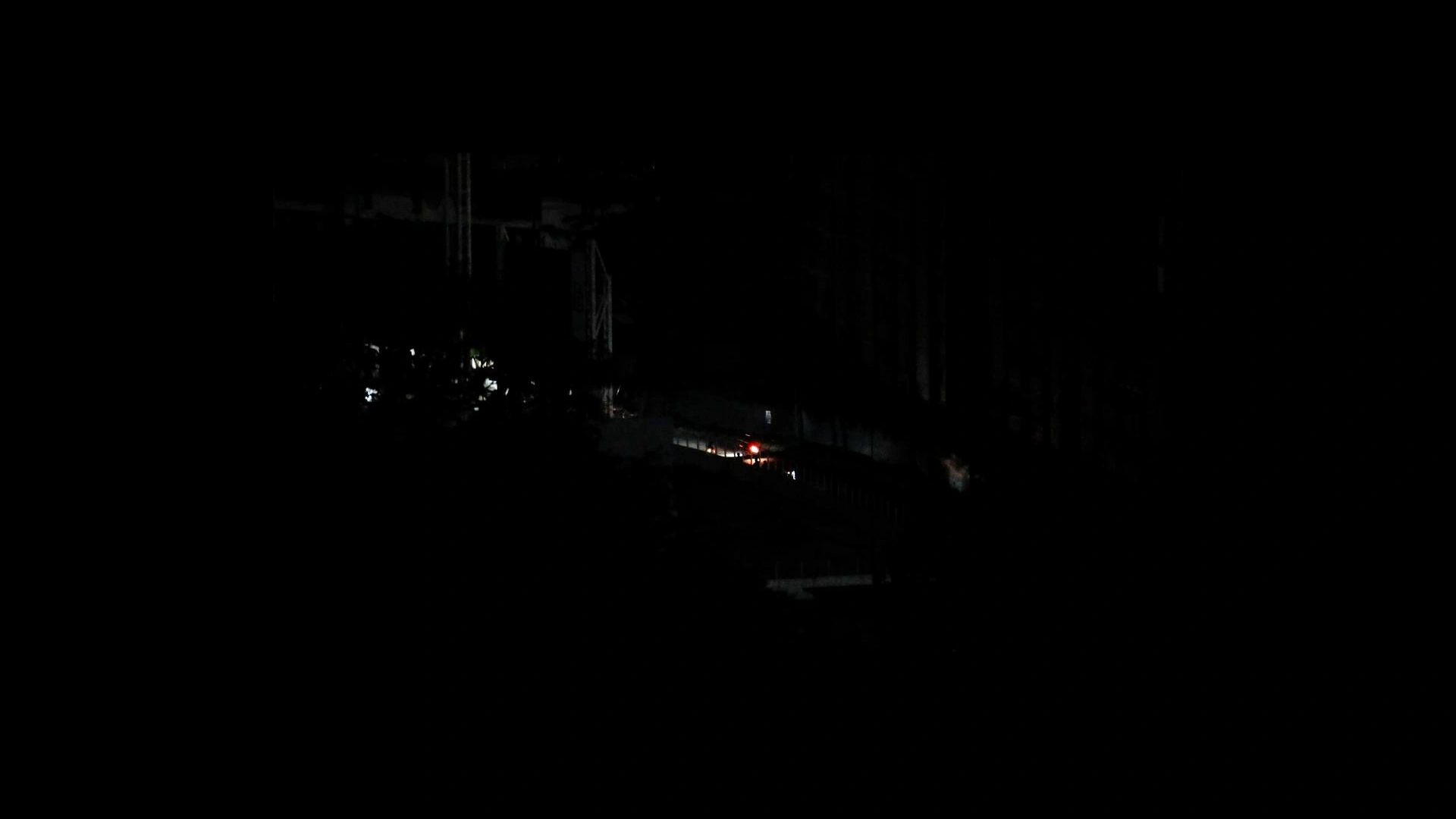
A series of loud explosions rocked Caracas early Saturday, plunging parts of the Venezuelan capital into darkness and triggering panic among residents, as low flying aircraft were reported overhead and air raid sirens echoed across several neighbourhoods.
According to information cited by international news agencies, at least seven powerful blasts were heard across the city shortly before and after 2.00 am local time. The first explosion was reported just before 1.50 am. Residents in multiple districts described windows shaking, streets filling with frightened people and sudden power outages that left large areas without electricity.
Journalists on the ground confirmed the intensity of the blasts. A correspondent reported that one explosion was strong enough to rattle nearby buildings. Witnesses also described the sound of aircraft circling above the city immediately after the detonations, heightening fears of a coordinated military operation.
Smoke Near Military Areas and Videos Spread Online
Footage shared widely on social media platforms showed flashes in the night sky, loud booms and residents running outdoors in fear. Reuters reported that smoke was visible in the southern part of Caracas near a major military installation, though authorities did not immediately provide details about the specific targets hit.
As videos spread rapidly online, confusion and anxiety grew among the population. Several neighbourhoods experienced blackouts, and residents said mobile networks were unstable for a period following the explosions, making it difficult to obtain verified information.
Reports of United States Strikes
CBS News, citing sources, reported that Donald Trump had ordered strikes on sites inside Venezuela, including military facilities. The reports come amid an intensified campaign by the United States against the government of Nicolás Maduro, with Washington accusing Caracas of involvement in drug trafficking and regional destabilisation.
The alleged strikes follow months of increased American military activity in the region. The United States has deployed the USS Gerald R Ford and several other naval vessels to the Caribbean, signalling a heightened security posture near Venezuela’s coastline.
Airspace Restrictions and Travel Warnings
Shortly before the explosions were reported, the Federal Aviation Administration banned American commercial flights from operating in Venezuelan airspace, citing concerns over ongoing military activity. The decision, reported by the Associated Press, underscored fears of escalating conflict and potential risks to civilian aviation.
Following the blasts, the United States Embassy in Bogotá issued a travel advisory urging US citizens not to travel to Venezuela. Americans currently in the country were advised to shelter in place and leave as soon as it is safe to do so.
The advisory reiterated that Venezuela remains under a Level 4 Do Not Travel warning, the highest category issued by the US government, due to risks including wrongful detention, civil unrest, violent crime and limited access to medical care. The US Department of State withdrew all diplomatic personnel from its embassy in Caracas in March 2019, leaving no consular services available inside the country.
Maduro Declares National Emergency
In a televised statement, President Maduro declared a national emergency following the explosions and accused the United States of carrying out military aggression against both civilian and military installations across multiple Venezuelan states. The government announced plans for the mobilisation of the population and heightened security measures nationwide.
A government statement said strategic sites in several regions had been attacked, though officials did not immediately release a full assessment of damage or casualties. Venezuelan authorities framed the incident as a violation of national sovereignty and international law.
Regional Reaction and Colombia Response
The developments prompted swift reactions across the region. Gustavo Petro shared an official statement from the Venezuelan government condemning what it described as a serious military attack by the United States.
The statement accused Washington of violating the United Nations Charter, specifically articles related to respect for sovereignty and the prohibition of the use of force. It warned that such actions threaten peace and stability in Latin America and the Caribbean and place millions of lives at risk.
Venezuela further alleged that the objective of the attack was to seize control of its strategic resources, particularly oil and minerals, and to undermine its political independence. The statement asserted that these efforts would fail.
Background of Rising Tensions
The explosions come against a backdrop of escalating tensions between Washington and Caracas. In recent months, the US military has increased operations in the Caribbean and eastern Pacific, targeting vessels it says are involved in narcotics trafficking.
Earlier this week, President Trump said the United States had struck a dock area in Venezuela allegedly used by boats linked to drug smuggling, describing the incident as a major explosion. According to CNN, the blast was caused by a drone strike attributed to the CIA. US officials have said more than 30 such strikes have been carried out since September, resulting in over 110 deaths.
Trump has repeatedly accused the Maduro government of flooding the United States with drugs and migrants, claims that Caracas strongly denies. He has also threatened to designate Venezuela’s government as a foreign terrorist organisation and increased rewards for information leading to Maduro’s capture.
Maduro Signals Willingness for Dialogue
Despite the sharp escalation, Maduro has recently indicated openness to talks with Washington. In a pre recorded interview aired on Venezuelan state television earlier this week, he said he was prepared to negotiate on issues including drug trafficking, oil and migration, wherever and whenever the United States was willing.
However, Maduro also accused the US of using its pressure campaign as a pretext for regime change and access to Venezuela’s vast oil reserves. He rejected allegations linking his administration to drug cartels and dismissed the US war on drugs as justification for intervention.
Asked about claims of American strikes on Venezuelan infrastructure, Maduro declined to confirm or deny the reports, suggesting the matter could be addressed at a later stage.
Uncertainty and International Concern
As dawn broke over Caracas, uncertainty remained high. Authorities continued to assess the situation while residents awaited clearer information about what had occurred and what might follow. The combination of explosions, aircraft activity, power outages and official accusations has raised fears of further escalation between the United States and Venezuela.
International observers are closely monitoring developments, warning that any sustained military confrontation could have far reaching consequences for regional stability and global energy markets. For now, the people of Caracas face an uneasy calm after one of the most alarming nights the capital has experienced in years.
Edit Profile
Help improve @KR
Was this page helpful to you?
Contact Khogendra Rupini
Are you looking for an experienced developer to bring your website to life, tackle technical challenges, fix bugs, or enhance functionality? Look no further.
I specialize in building professional, high-performing, and user-friendly websites designed to meet your unique needs. Whether it’s creating custom JavaScript components, solving complex JS problems, or designing responsive layouts that look stunning on both small screens and desktops, I can collaborate with you.
Create something exceptional with us. Contact us today
Open for Collaboration
If you're looking to collaborate, I’m available for a variety of professional services, including -
- Website Design & Development
- Advertisement & Promotion Setup
- Hosting Configuration & Deployment
- Front-end & Back-end Code Implementation
- Code Testing & Optimization
- Cybersecurity Solutions & Threat Prevention
- Website Scanning & Malware Removal
- Hacked Website Recovery
- PHP & MySQL Development
- Python Programming
- Web Content Writing
- Protection Against Hacking Attempts