Bangladesh Seek Clarity on India Travel as Security Concerns Cloud T20 World Cup
The Bangladesh Cricket Board has raised serious concerns over the safety of sending its national team to India for the upcoming ICC Men’s T20 World Cup, placing the future of Bangladesh’s participation in doubt as administrators await a response from the International Cricket Council. The issue has brought sport and geopolitics into sharp focus, underlining how international cricket often mirrors wider regional tensions.
Speaking in Dhaka on Monday, Bangladesh Cricket Board president Aminul Islam said the board does not currently feel secure about touring India under the prevailing circumstances. His comments came a day after the BCB formally wrote to the International Cricket Council requesting that Bangladesh’s scheduled T20 World Cup matches be shifted out of India.
Security takes centre stage in BCB deliberations
Aminul Islam revealed that the decision was not taken lightly. According to him, the board’s directors held multiple meetings before concluding that security had become a primary concern.
He explained that the BCB had communicated its position clearly to the ICC through an official letter and subsequent email. The board, he said, is now waiting for the global governing body to invite them for a discussion where Bangladesh can present its concerns in detail. Any further steps, he added, will depend entirely on the ICC’s response.
Notably, the BCB has chosen not to engage directly with the Board of Control for Cricket in India, stressing that the T20 World Cup is an ICC event and that all correspondence should therefore be routed through the international body.
Mustafizur Rahman episode triggers unease
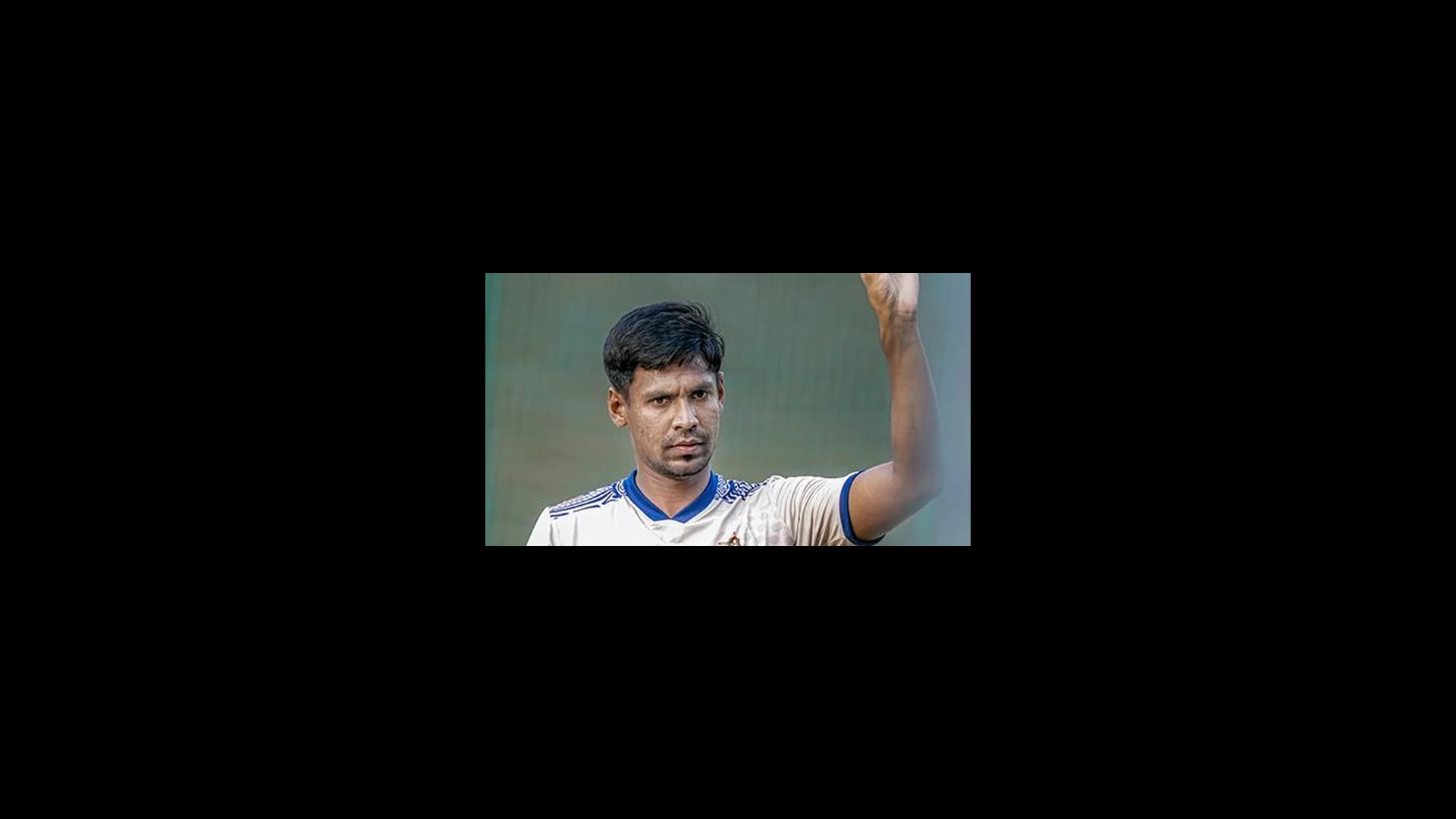
At the heart of the controversy lies the recent release of Bangladesh fast bowler Mustafizur Rahman from the Indian Premier League. The decision, reportedly made on instructions from the BCCI, was announced without a detailed explanation, with officials only citing “developments all around” as the reason.
For the BCB, the episode raised red flags. While player availability for international duty is not uncommon, the lack of clarity surrounding the circumstances contributed to a growing sense of unease within Bangladesh’s cricketing establishment. The board viewed the situation as part of a broader pattern that warranted caution, particularly with a global tournament approaching.
Matches scheduled across Kolkata and Mumbai
Bangladesh are currently drawn in Group C of the T20 World Cup and were slated to play four group matches in India. Three of those fixtures are scheduled in Kolkata, including their opening game against the West Indies on February 7 at the iconic Eden Gardens. Their remaining group match is set to take place in Mumbai.
In addition to the West Indies, Bangladesh are due to face defending champions England, as well as Italy and Nepal, in what is expected to be a competitive group. Any relocation of matches would therefore require significant logistical adjustments for teams, broadcasters and tournament organisers.
Diplomatic strains spill into sport
The cricketing dispute cannot be viewed in isolation from the wider political context. Relations between India and Bangladesh have been strained in recent months following dramatic developments in Dhaka. Former Bangladesh Prime Minister Sheikh Hasina fled to India in August last year amid large scale anti government protests.
Subsequently, a tribunal in Bangladesh sentenced her to death in absentia for her alleged role in a violent crackdown during the unrest, which resulted in the deaths of several students. Since her ouster, reports of attacks on minority communities, particularly Hindus, have further heightened tensions and added to the sense of instability.
While cricket boards on both sides have traditionally sought to keep politics separate from sport, the BCB’s latest move highlights how deeply interconnected the two can become during periods of diplomatic strain.
ICC faces a delicate balancing act
For the ICC, the situation presents a complex challenge. On one hand, India is the designated host for the matches, with venues, schedules and commercial arrangements already in place. On the other, player safety and team security are fundamental responsibilities of the governing body.
Relocating matches, potentially to neutral venues such as Sri Lanka, as suggested by some voices within Bangladesh, would have far reaching implications. It would involve coordination with local boards, reassessment of security plans and potential financial repercussions. Yet ignoring the concerns of a participating nation could set an uncomfortable precedent.
The ICC has so far not made a public statement on the BCB’s request, but sources indicate that discussions are expected in the coming days. Any decision will likely seek to balance competitive integrity, logistical feasibility and the paramount need to ensure that players feel safe.
What lies ahead for Bangladesh
Aminul Islam made it clear that Bangladesh is not looking to escalate the matter unnecessarily. Instead, the board wants assurances and clarity from the ICC before committing to travel. He emphasised that Bangladesh’s next move will be guided entirely by the response they receive from the world body.
For players, the uncertainty is unsettling. The T20 World Cup represents one of the sport’s biggest stages, and Bangladesh had been preparing carefully for the tournament. Questions over venues and travel add an unwanted layer of distraction at a time when focus should be on performance and preparation.
Cricket caught between tradition and reality
Cricket has long prided itself on diplomacy, dialogue and mutual respect between nations. Traditionally, boards have resolved disputes quietly, guided by established protocols and personal relationships. Yet the modern game operates in a far more complex world, where political developments, security assessments and public sentiment all play influential roles.
The BCB’s stance reflects a cautious approach rooted in responsibility to its players and officials. Whether that caution leads to a change in tournament plans now rests with the ICC, whose decision will be watched closely across the cricketing world.
As the countdown to the T20 World Cup continues, the coming days could prove decisive. For now, Bangladesh’s participation in India remains uncertain, a reminder that even the most beloved sporting traditions are not immune to the realities beyond the boundary.

Edit Profile
Help improve @KR

Was this page helpful to you?
Contact Khogendra Rupini
Are you looking for an experienced developer to bring your website to life, tackle technical challenges, fix bugs, or enhance functionality? Look no further.
I specialize in building professional, high-performing, and user-friendly websites designed to meet your unique needs. Whether it’s creating custom JavaScript components, solving complex JS problems, or designing responsive layouts that look stunning on both small screens and desktops, I can collaborate with you.
Create something exceptional with us. Contact us today
Open for Collaboration
If you're looking to collaborate, I’m available for a variety of professional services, including -
- Website Design & Development
- Advertisement & Promotion Setup
- Hosting Configuration & Deployment
- Front-end & Back-end Code Implementation
- Code Testing & Optimization
- Cybersecurity Solutions & Threat Prevention
- Website Scanning & Malware Removal
- Hacked Website Recovery
- PHP & MySQL Development
- Python Programming
- Web Content Writing
- Protection Against Hacking Attempts