iPhone 21 Leak Signals Apple’s Biggest Camera Leap Yet
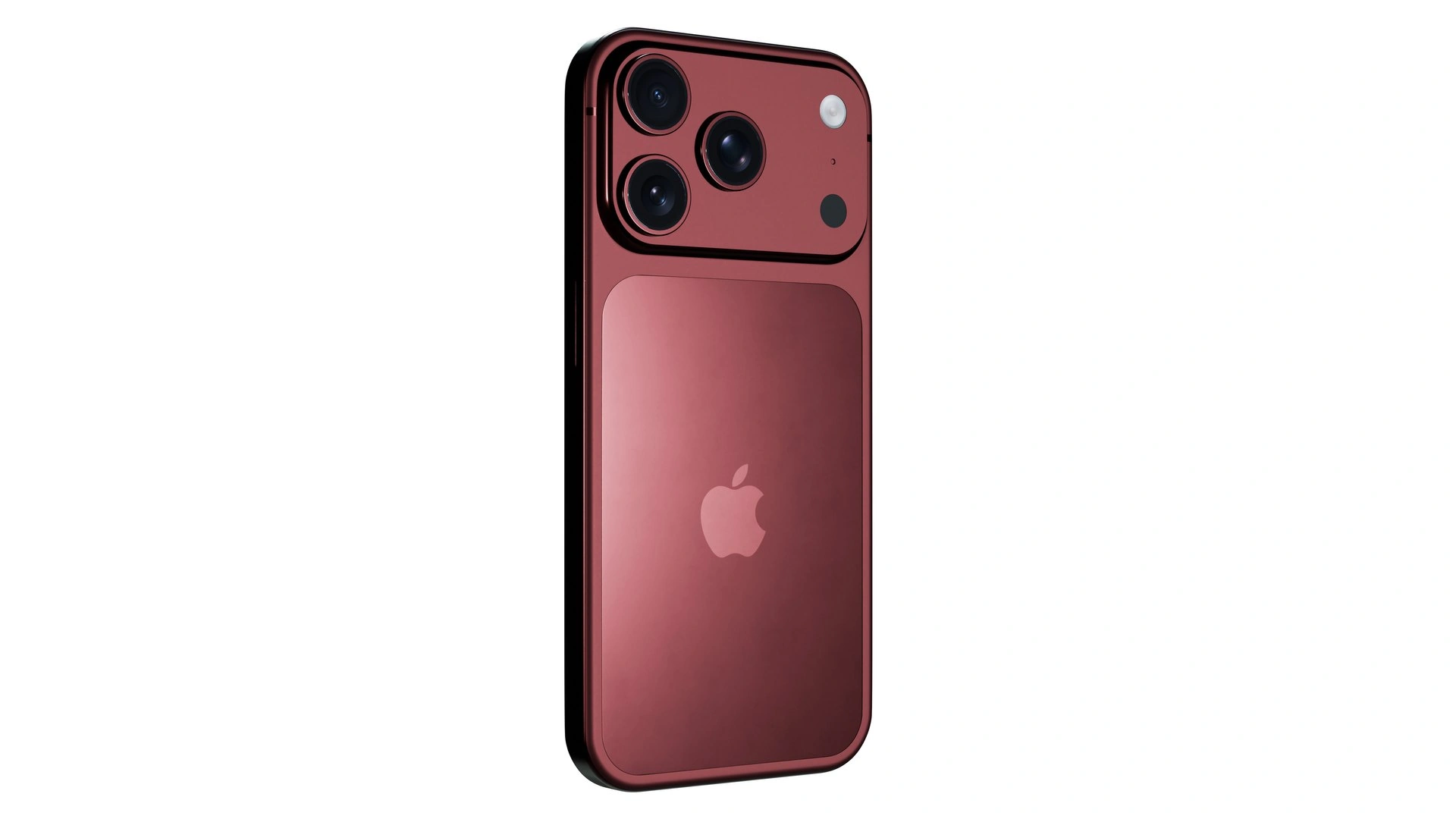
Apple may still be preparing its next generation of iPhones, but early industry research is already pointing far ahead. A new investor note has sparked discussion about a major camera shift that could arrive with the iPhone 21 series, expected around 2028. If accurate, the report suggests Apple could introduce a 200 megapixel main camera for the first time in its history, marking the largest imaging upgrade the iPhone has ever seen.
While this timeline places the change several years away, the implications are significant. The report does not just focus on a higher megapixel count. It also highlights a possible supplier transition that could reshape Apple’s long standing camera partnerships and influence the future direction of mobile photography across the industry.
A Look Ahead Beyond Upcoming iPhones
Apple is currently focused on near term products including the iPhone 18 Pro models, its first foldable iPhone, and an entry level iPhone expected to be positioned below the main lineup. Yet research firms and analysts often look far into the future to understand supply chain planning, technology readiness, and strategic intent.
According to a Morgan Stanley investor note cited by multiple reports and highlighted by Apple Insider, Apple is targeting a major camera overhaul for the iPhone 21 lineup. The note suggests that 2028 is the most realistic window for such a jump, rather than an earlier rollout that had been rumored in past speculation.
This long horizon aligns with Apple’s typical product philosophy. The company is known for waiting until hardware advances meet strict standards for image quality, consistency, and reliability before introducing headline specifications.
The First 200 Megapixel iPhone
At the center of the leak is the possibility that the iPhone 21 could debut with a 200 megapixel primary camera sensor. This would represent a dramatic increase from current iPhone camera resolutions and would place Apple in a segment already explored by some Android manufacturers.
However, Apple’s approach has traditionally differed from competitors. Rather than emphasizing raw megapixel numbers, the company focuses on sensor performance, pixel quality, computational photography, and real world results. A higher resolution sensor would likely be used to improve detail, dynamic range, and flexibility through techniques such as pixel binning, rather than simply producing massive image files.
If Apple does move to a 200 megapixel sensor, it would signal that the technology has matured enough to meet the company’s expectations for low light performance, color accuracy, and video quality. This could also open new possibilities for advanced zoom, spatial photography, and future augmented reality features.
A Strategic Shift in Camera Suppliers
One of the most notable elements of the report is not the megapixel count itself, but a potential change in who supplies the camera sensor. For years, Sony has been Apple’s primary partner for iPhone camera sensors, playing a central role in the quality and consistency of iPhone photography.
The new report suggests that the rumored 200 megapixel sensor for the iPhone 21 could instead come from Samsung. Samsung is already a leader in high resolution CMOS sensor technology and has deployed 200 megapixel sensors in its own devices and for other manufacturers.
According to the investor note, Samsung’s current sensor capabilities may align more closely with Apple’s long term requirements for high resolution imaging. This does not necessarily indicate a complete break from Sony, but it could represent a diversification strategy aimed at securing advanced components at scale.
Manufacturing and the US Supply Chain
The report also notes that these Samsung sensors could be manufactured at Samsung’s facility in Texas. This detail is particularly important given Apple’s broader efforts to strengthen and diversify its supply chain, including expanding manufacturing and sourcing within the United States.
Producing critical components domestically could help Apple reduce geopolitical risk, improve supply stability, and align with evolving trade and policy considerations. While final assembly of iPhones would still occur overseas, sourcing key parts closer to home could become an increasingly important part of Apple’s long term strategy.
More Changes Behind the Camera System
Beyond the main camera sensor, the research note hints at additional supplier changes within the iPhone camera system. Specifically, Apple is said to be exploring alternatives for LiDAR sensors, which are currently supplied by Sony.
Another company, STMicroelectronics, is reportedly in discussions as a potential supplier. LiDAR plays a crucial role in depth sensing, augmented reality, and advanced photography features such as portrait mode and spatial mapping. Diversifying suppliers here could help Apple improve capacity and foster competition on performance and cost.
Despite these possible changes, the report suggests that Apple is expected to maintain its existing supplier for Face ID sensors in the near term. Face ID remains a core part of the iPhone experience, and Apple tends to be especially conservative with components tied directly to security and user authentication.
The Road to Under Display Face ID
Separately, analysts continue to speculate about the future of Face ID itself. Some believe Apple could introduce under display Face ID technology as early as 2027, potentially aligning with the twentieth anniversary of the iPhone.
If this timeline holds, it would mean that the iPhone 21 era could coincide with a broader redesign of the front of the device, further reducing visible sensors and moving closer to a truly all screen experience. Combined with a major rear camera upgrade, this would make the late 2020s a period of substantial evolution for the iPhone’s design and hardware capabilities.
Why Apple Waits to Make Big Jumps
Apple’s cautious approach to specifications has often drawn criticism from those who compare feature lists across platforms. Yet history shows that when Apple adopts a new technology, it typically does so at scale and with a focus on user experience rather than first mover advantage.
The move to a 200 megapixel sensor, if it happens, would likely follow years of internal testing and refinement. Apple would need to ensure that such a sensor delivers tangible benefits in everyday use, from sharper photos and better low light performance to improved video recording and computational features.
This philosophy explains why earlier rumors of a rapid jump to ultra high resolution sensors have not materialized. The 2028 timeframe suggested in the report fits Apple’s pattern of long term planning and measured execution.
What This Could Mean for Mobile Photography
A 200 megapixel iPhone camera would not exist in isolation. Apple’s influence on the smartphone market is significant, and its decisions often shape broader industry trends. If Apple commits to sensors of this class, it could accelerate innovation in image processing, storage, and software optimization across the ecosystem.
Developers, accessory makers, and content creators would all need to adapt to higher resolution imaging. At the same time, Apple’s control over hardware and software integration positions it well to manage these changes smoothly for end users.
Looking Ahead With Caution
It is important to emphasize that this information is based on early research notes and supply chain analysis, not official announcements. Product plans can change, and timelines can shift as technology and market conditions evolve.
Still, the report offers a compelling glimpse into Apple’s long term thinking. A future iPhone featuring a 200 megapixel camera, potential new suppliers, and deeper supply chain localization would represent one of the most significant evolutions in the device’s history.
For now, the focus remains on the upcoming iPhone generations. But as this leak suggests, Apple’s most ambitious camera upgrade may still be on the horizon, quietly taking shape years before it ever reaches consumers’ hands.

Edit Profile
Help improve @KR

Was this page helpful to you?
Contact Khogendra Rupini
Are you looking for an experienced developer to bring your website to life, tackle technical challenges, fix bugs, or enhance functionality? Look no further.
I specialize in building professional, high-performing, and user-friendly websites designed to meet your unique needs. Whether it’s creating custom JavaScript components, solving complex JS problems, or designing responsive layouts that look stunning on both small screens and desktops, I can collaborate with you.
Create something exceptional with us. Contact us today
Open for Collaboration
If you're looking to collaborate, I’m available for a variety of professional services, including -
- Website Design & Development
- Advertisement & Promotion Setup
- Hosting Configuration & Deployment
- Front-end & Back-end Code Implementation
- Code Testing & Optimization
- Cybersecurity Solutions & Threat Prevention
- Website Scanning & Malware Removal
- Hacked Website Recovery
- PHP & MySQL Development
- Python Programming
- Web Content Writing
- Protection Against Hacking Attempts