Apple 200MP iPhone Camera Plans Signal a Carefully Timed Leap Rather Than a Numbers Race
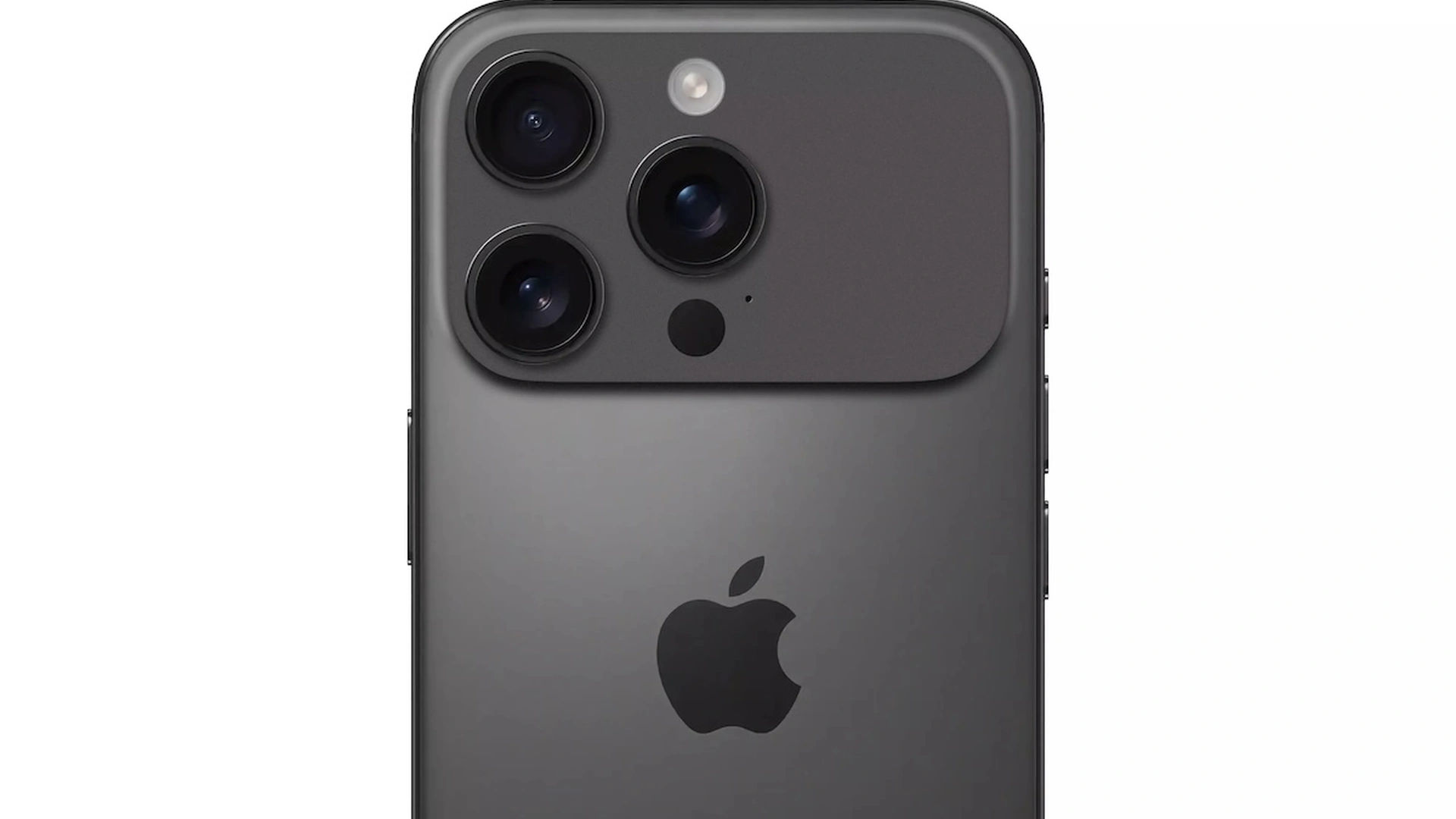
Apple is widely expected to make a significant jump in iPhone camera resolution in the coming years, but not as soon as some smartphone rivals. New investor commentary and multiple industry reports suggest that Apple’s first iPhone equipped with a 200 megapixel camera sensor is still several product cycles away, with 2028 emerging as the most likely window. The timeline underlines Apple’s long standing strategy of prioritising image quality, consistency and software driven photography over rapid headline hardware changes.
A 200MP iPhone is on the roadmap, but patience is required
According to an investor note from Morgan Stanley cited by AppleInsider, Apple is expected to introduce its first 200 megapixel camera sensor with the 2028 iPhone lineup. If Apple maintains its current naming pattern, that generation is widely expected to be branded as the iPhone 21 series. While Apple has not officially confirmed any such plans, the report aligns with earlier rumours that hinted at internal testing of ultra high resolution camera systems.
The projected 2028 timeline is significant because it suggests that the iPhones launching in 2026 and 2027 will continue to rely on Apple’s existing camera hardware strategy. Rather than chasing megapixel milestones year after year, Apple appears committed to incremental refinements that enhance real world photography and video performance.
Apple’s current camera strategy explained
Over the past few generations, Apple has standardised 48 megapixel sensors across its rear camera lineup, including the main wide camera, ultra wide lens and telephoto system. Instead of marketing higher megapixel counts, Apple has focused on how these sensors work in practice.
The company relies heavily on pixel binning techniques, where multiple pixels are combined into one to improve light capture and reduce noise. This approach helps deliver sharper images, better dynamic range and improved low light performance without the drawbacks that can come with extremely dense sensors.
Computational photography plays an equally important role. Apple’s image processing pipeline handles everything from Smart HDR and Deep Fusion to advanced portrait effects and video stabilisation. These software driven enhancements allow Apple to extract more detail from existing hardware while maintaining colour accuracy and consistent results across different shooting conditions.
Industry analysts believe Apple will continue refining this balance of hardware and software for several more years before making the jump to a 200 megapixel sensor.
Why Apple is waiting before moving to 200MP
While competitors such as Samsung have already deployed 200 megapixel sensors in flagship smartphones, Apple has historically taken a more cautious approach. A higher megapixel count alone does not guarantee better photos, especially if sensor size, lens quality and processing are not carefully optimised.
Ultra high resolution sensors introduce technical challenges, including slower readout speeds, increased power consumption and heavier demands on image processing hardware. Apple is known to delay major hardware shifts until it can deliver them without compromising battery life, thermal performance or overall user experience.
Reports suggest that Apple views the 200 megapixel upgrade as a capability driven milestone rather than a marketing response. By waiting until 2028, the company can ensure that supporting technologies such as faster image signal processors, improved lenses and more advanced computational photography are ready to fully exploit the sensor’s potential.
Samsung expected to supply the sensor
Multiple reports indicate that Samsung is the most likely supplier of Apple’s future 200 megapixel camera sensor. Despite being fierce competitors in the smartphone market, Apple and Samsung have a long history of collaboration when it comes to components. Samsung already supplies displays, memory chips and camera sensors for various Apple products.
The sensor production could take place at Samsung’s semiconductor facilities, potentially including its plant in Austin, Texas. Such an arrangement would align with Apple’s broader strategy to diversify its supply chain and expand manufacturing across multiple regions.
Samsung’s experience with high resolution mobile sensors also makes it a logical partner for Apple’s ambitions. However, Apple is expected to customise the sensor extensively, integrating it tightly with its own image processing and camera software.
Earlier testing rumours add credibility
Speculation about a 200 megapixel iPhone camera did not begin with the latest investor note. In 2025, well known tipster Digital Chat Station claimed that Apple was internally testing a 200 megapixel camera system. At the time, no launch window was mentioned, leaving room for debate about how far along development had progressed.
The new 2028 timeline provides context for those earlier claims. Internal testing several years ahead of release would be consistent with Apple’s development cycles, especially for a component as critical as the iPhone camera. It also suggests that Apple is evaluating how such a sensor could fit into its broader photography and video roadmap.
What a 200MP camera could mean for users
When Apple eventually introduces a 200 megapixel camera, the benefits are likely to extend beyond simple resolution numbers. Higher pixel counts can enable more advanced digital zoom, allowing users to crop into images while retaining detail. This could reduce reliance on optical zoom hardware for certain use cases.
A 200 megapixel sensor could also support new computational photography features, such as improved multi frame processing, enhanced night photography and more flexible portrait modes. For video, higher resolution sensors can provide cleaner oversampling for 4K and potentially 8K recording, improving sharpness and reducing noise.
Even so, Apple is unlikely to promote the upgrade purely on megapixels. The company’s messaging is expected to focus on real world improvements, such as more consistent results across lighting conditions, better colour science and enhanced creative control for both casual users and professionals.
Incremental upgrades before the big leap
Until 2028, reports suggest Apple will continue to prioritise steady camera improvements rather than dramatic hardware changes. These refinements may include better sensor designs, faster readout speeds to reduce motion artifacts, improved autofocus systems and more powerful image processing algorithms.
Apple’s recent emphasis on video performance, spatial capture and mixed reality integration also points to a broader camera strategy that goes beyond still photography. Any future 200 megapixel sensor will need to align with these goals, supporting emerging use cases across the Apple ecosystem.
The bigger picture of Apple’s camera philosophy
Apple’s approach to smartphone cameras has long differed from that of many Android manufacturers. Rather than leading with specifications, Apple tends to focus on outcomes. This philosophy has helped the iPhone maintain a strong reputation for reliable, high quality photography even when rivals boast higher megapixel counts or more complex hardware.
The reported 200 megapixel iPhone camera fits this pattern. Instead of rushing to match competitors, Apple appears intent on introducing the technology only when it can deliver a meaningful improvement that aligns with its standards for performance, efficiency and user experience.
Looking ahead to 2028 and beyond
If current reports hold true, the iPhone lineup over the next two years will continue to build on the existing 48 megapixel foundation. For consumers, this means incremental but meaningful improvements rather than a radical shift in camera hardware.
By the time Apple unveils its first 200 megapixel iPhone, the move is expected to feel deliberate rather than reactive. Positioned as a carefully timed evolution, the upgrade would mark a new chapter in Apple’s mobile photography story, reinforcing the company’s belief that progress is measured not just by numbers, but by results.
For now, the message is clear. Apple is planning a major camera leap, but it is willing to wait until every piece is in place.

Edit Profile
Help improve @KR

Was this page helpful to you?
Contact Khogendra Rupini
Are you looking for an experienced developer to bring your website to life, tackle technical challenges, fix bugs, or enhance functionality? Look no further.
I specialize in building professional, high-performing, and user-friendly websites designed to meet your unique needs. Whether it’s creating custom JavaScript components, solving complex JS problems, or designing responsive layouts that look stunning on both small screens and desktops, I can collaborate with you.
Create something exceptional with us. Contact us today
Open for Collaboration
If you're looking to collaborate, I’m available for a variety of professional services, including -
- Website Design & Development
- Advertisement & Promotion Setup
- Hosting Configuration & Deployment
- Front-end & Back-end Code Implementation
- Code Testing & Optimization
- Cybersecurity Solutions & Threat Prevention
- Website Scanning & Malware Removal
- Hacked Website Recovery
- PHP & MySQL Development
- Python Programming
- Web Content Writing
- Protection Against Hacking Attempts