iPhone 18 Signals a Strategic Shift as Apple Plans a Split Launch and Focuses on Refinement
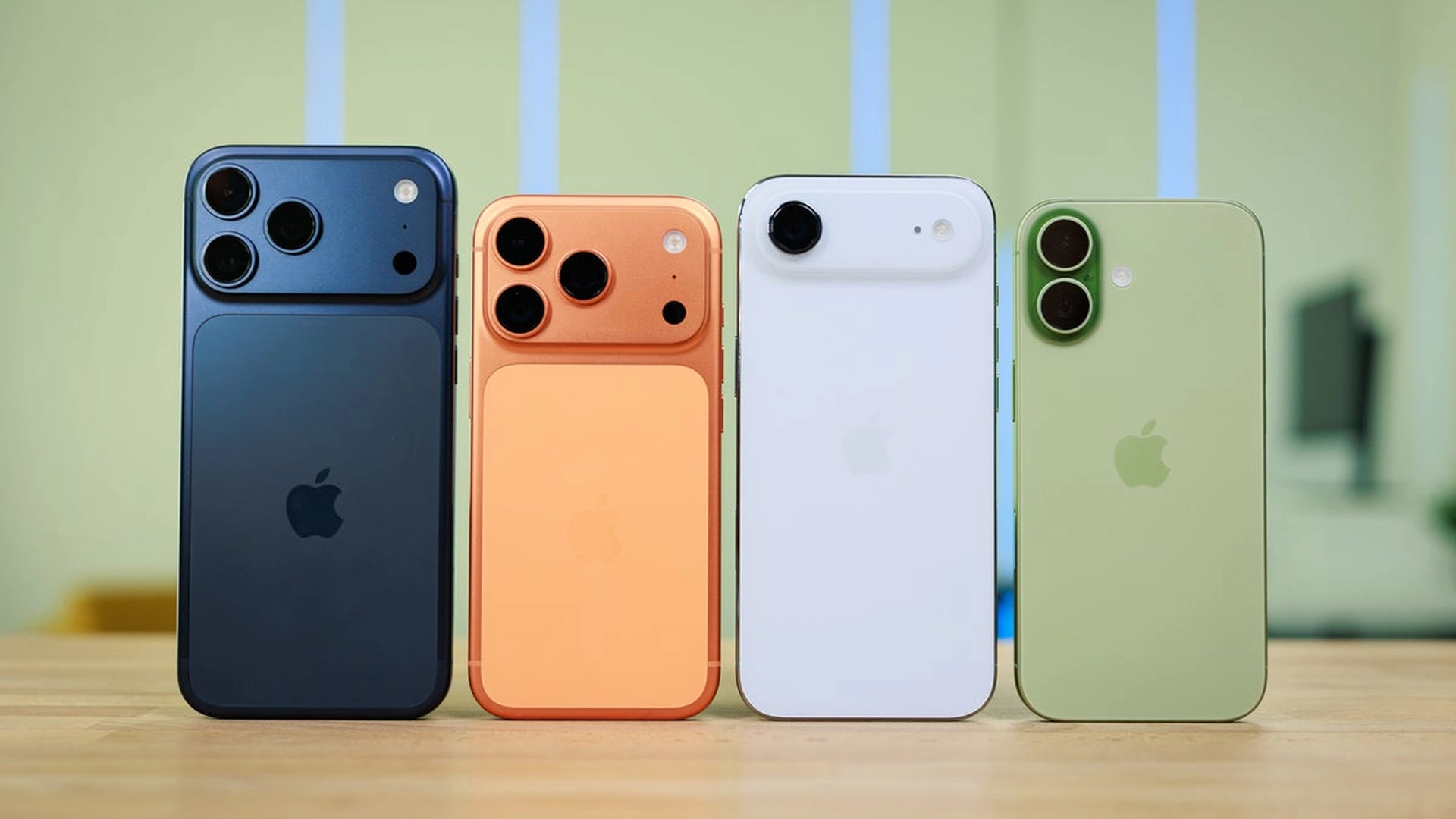
Apple’s next flagship smartphone cycle is shaping up to be less about dramatic visual change and more about structural decisions that could reshape how the company releases and positions its most important product. The iPhone 18, expected to debut later in 2026, represents a notable moment in Apple’s recent history, not because of a radical redesign, but because of a reported shift in launch strategy alongside carefully targeted hardware upgrades. For consumers, developers, and the wider technology industry, this matters because it reflects how Apple is adapting its product cadence to balance innovation, stability, and long term engagement in a maturing smartphone market.
Rather than delivering its entire iPhone lineup in a single annual event, Apple is widely reported to be preparing a staggered release schedule. At the same time, the company appears to be doubling down on efficiency gains, silicon advancement, and tighter hardware integration. The iPhone 18 thus becomes a case study in how Apple evolves its flagship without disrupting the experience users depend on, while still laying groundwork for future generations.
A Staggered Launch Redefines the iPhone Cycle
For the first time in the modern iPhone era, Apple is expected to divide the release of its flagship lineup across two separate windows. According to the information provided, the iPhone 18 Pro models are likely to arrive during the traditional autumn launch period, while the standard iPhone 18 models may follow in spring 2027.
This shift has important implications. From a consumer perspective, it changes how buyers approach upgrade decisions. Instead of choosing from the entire lineup at once, users may have more time to assess the strengths of the Pro models, monitor early reviews, and decide whether the premium features justify the higher cost or whether waiting for the base models makes more sense.
For Apple, a split launch extends the lifespan of attention around a single generation. Two launch moments create two distinct peaks of media coverage, marketing focus, and consumer discussion. It also allows Apple to refine manufacturing and respond to early feedback from the Pro devices before the base models enter production at full scale. In an industry where supply chain efficiency and quality control are increasingly critical, this approach offers practical advantages without altering the core identity of the iPhone.
A20 Chipset Anchors Performance and Efficiency Gains
At the center of the iPhone 18 experience is the A20 chipset, which is expected to be built using TSMC’s advanced two nanometer manufacturing process. This represents a meaningful step forward in Apple’s silicon roadmap, continuing its emphasis on performance per watt rather than raw power alone.
For users, the benefits of this transition are broad. Improved processing efficiency supports smoother multitasking, more responsive system performance, and better handling of intensive tasks such as gaming, on device artificial intelligence features, and high resolution video workflows. Thermal management is also expected to improve, helping the device sustain performance over longer periods without excessive heat.
Apple is also likely to continue differentiating between base and Pro models at the silicon level. The Pro variants may include higher clock speeds or additional graphics cores, giving power users and creative professionals a tangible advantage. This approach allows Apple to serve multiple user profiles within a single generation, while keeping the overall software experience consistent across the lineup.
Apple’s In House Modem Pushes Deeper Integration
Another significant development expected with the iPhone 18 is the introduction of Apple’s own cellular modem, reportedly referred to as C1X or C2. This marks a further step in Apple’s long standing effort to reduce reliance on external suppliers and gain full control over critical components.
For everyday users, the most visible impact is expected to be improved connectivity and power efficiency. A modem designed specifically for Apple hardware and software can be optimized more tightly than a third party solution, leading to more stable network performance and reduced energy consumption during data intensive tasks.
The in house modem also plays a role in Apple’s broader ecosystem strategy. Greater control over wireless components allows the company to align future network features with its own software roadmap, potentially enabling smoother updates and longer device support cycles. In regions with inconsistent network coverage, these optimizations could translate into more reliable calls, faster data recovery, and steadier performance during streaming and video communication.
Battery Life Becomes a Central Priority
Battery endurance remains one of the most important factors for smartphone users, and the iPhone 18 appears to address this directly. Design changes, including the use of an aluminum chassis, are expected to free up internal space, allowing for a larger battery without increasing the overall footprint of the device.
When combined with the efficiency gains of the A20 chipset and the lower power demands of the new modem, these changes point toward a noticeable improvement in real world battery life. For users, this means fewer compromises during long days that involve navigation, media consumption, photography, and productivity tasks.
Rather than focusing on headline battery capacity figures, Apple’s strategy emphasizes sustained usability. The goal is not just longer screen on time, but consistent performance throughout the day, even under heavy workloads. This aligns with Apple’s broader philosophy of optimizing hardware and software together to deliver predictable, dependable results.
Camera Controls Reflect User Feedback
The iPhone 18 is also expected to introduce a redesigned camera control button, responding directly to user feedback from earlier implementations. The new control reportedly relies on pressure sensitive input rather than traditional touch gestures and haptic responses.
This adjustment may seem subtle, but it addresses a common pain point for photography focused users. Accidental swipes or unintended actions can disrupt the shooting experience, particularly in fast moving or one handed scenarios. A pressure based control offers clearer intent, making it easier to adjust settings or capture images without distraction.
For casual users, the change simplifies everyday photography. For enthusiasts and professionals, it provides greater confidence and precision when framing shots or adjusting parameters quickly. It is another example of Apple refining interaction details rather than introducing entirely new concepts.
Expanded Memory Supports Future Software Demands
Memory capacity is another area where the iPhone 18 is expected to advance. Reports suggest that the device will feature twelve gigabytes of RAM, a notable increase compared to previous generations.
This upgrade is closely tied to the growing complexity of mobile software. Advanced artificial intelligence features, real time image processing, augmented reality applications, and professional grade creative tools all place increasing demands on system memory. Additional RAM allows these tasks to run more smoothly, reduces the need for aggressive background app management, and improves overall responsiveness.
From a longevity perspective, higher memory capacity also helps future proof the device. As operating system updates introduce new capabilities, the iPhone 18 is better positioned to handle them without performance degradation, extending its useful lifespan for users who keep their devices for several years.
Design Refinement and Expanded Color Choices
Visually, the iPhone 18 is expected to continue Apple’s recent design language rather than reinvent it. The use of an aluminum chassis, similar to what is anticipated for the iPhone 17 Pro, offers a balance of durability, weight reduction, and thermal performance.
This material choice supports internal efficiency improvements while maintaining a premium feel. Better heat dissipation complements the advanced chipset, helping sustain performance during extended use. At the same time, the refined design ensures compatibility with existing accessories and familiar ergonomics, reducing friction for users upgrading from recent models.
Apple is also rumored to introduce new color options, including a Product Red variant. While color changes do not affect functionality, they play a role in personalization and market appeal. Offering fresh finishes allows Apple to refresh the visual identity of the lineup without altering its fundamental design.
Incremental Change as a Deliberate Strategy
Taken together, the iPhone 18 represents a clear statement about Apple’s current priorities. Rather than chasing dramatic redesigns or speculative features, the company appears focused on strengthening the foundations of its flagship product. Performance efficiency, battery reliability, connectivity stability, and user centered refinements take precedence.
The staggered launch strategy reinforces this philosophy. By spreading the release over time, Apple can maintain focus on quality, manage production more effectively, and keep the iPhone conversation active across a longer period. For users, this approach offers more flexibility and clarity when choosing a model that fits their needs.
In a competitive smartphone landscape where innovation often comes in small, cumulative steps, the iPhone 18 illustrates how refinement can still deliver meaningful progress. It underscores Apple’s commitment to steady evolution, ensuring that each generation feels familiar yet measurably improved. As the company prepares for its next phase, the iPhone 18 stands as a reminder that strategic change does not always require dramatic reinvention.
Edit Profile
Help improve @KR

Was this page helpful to you?
Contact Khogendra Rupini
Are you looking for an experienced developer to bring your website to life, tackle technical challenges, fix bugs, or enhance functionality? Look no further.
I specialize in building professional, high-performing, and user-friendly websites designed to meet your unique needs. Whether it’s creating custom JavaScript components, solving complex JS problems, or designing responsive layouts that look stunning on both small screens and desktops, I can collaborate with you.
Create something exceptional with us. Contact us today
Open for Collaboration
If you're looking to collaborate, I’m available for a variety of professional services, including -
- Website Design & Development
- Advertisement & Promotion Setup
- Hosting Configuration & Deployment
- Front-end & Back-end Code Implementation
- Code Testing & Optimization
- Cybersecurity Solutions & Threat Prevention
- Website Scanning & Malware Removal
- Hacked Website Recovery
- PHP & MySQL Development
- Python Programming
- Web Content Writing
- Protection Against Hacking Attempts