Dolphins Dismiss Mike McDaniel as Miami Signals Organizational Reset After Turbulent Season
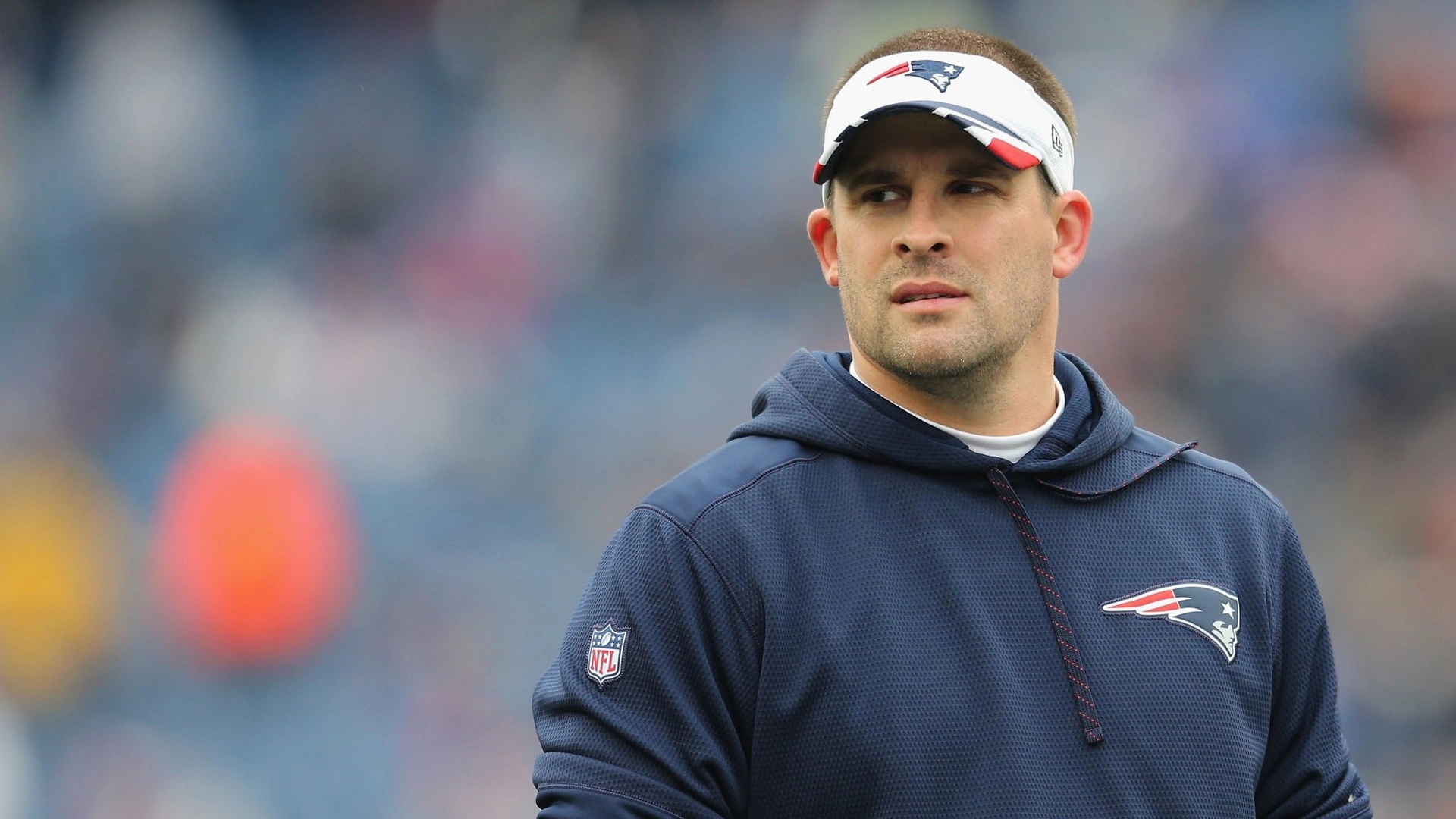
The Miami Dolphins have moved decisively to reset the direction of their franchise, dismissing head coach Mike McDaniel after four seasons in charge. The decision, announced Thursday by owner Stephen Ross, closes a chapter defined by offensive innovation, uneven results, and mounting organizational pressure. For a team that once appeared poised to become a sustained contender in the AFC, the change underscores how quickly expectations can shift in the modern NFL and why stability remains elusive even for forward thinking franchises.
McDaniel’s departure matters beyond Miami. It adds another high profile vacancy to an already volatile coaching cycle, reshapes the market for elite offensive minds, and highlights the increasingly narrow margin for error facing coaches tasked with balancing creativity, roster management, and winning consistency.
A Sudden End After Public Confidence
Only days before his dismissal, McDaniel projected confidence about his standing with the organization. Speaking at a news conference on Jan. 5, he said it was his understanding that he remained the Dolphins head coach unless informed otherwise. At that time, the absence of a public statement from Ross fueled speculation but did not signal immediate change.
That uncertainty ended Thursday when the Dolphins formally relieved McDaniel of his duties. The move followed a 2025 season in which Miami finished 7 and 10, closing McDaniel’s tenure with a career record of 35 and 33. While narrowly above .500 overall, the most recent campaign proved decisive in ownership’s evaluation of the franchise’s trajectory.
Ross framed the decision as part of a broader reassessment rather than a narrow response to one disappointing year. In his statement, the Dolphins owner emphasized the need for comprehensive change, while expressing appreciation for McDaniel’s creativity, commitment, and passion for his players. The message reflected respect for the coach’s contributions while making clear that leadership believed the organization required a new direction.
Early Promise and High Expectations
When Miami hired McDaniel in February 2022, the move was widely viewed as bold and unconventional. McDaniel arrived from the San Francisco 49ers as an offensive coordinator without previous head coaching interviews elsewhere. His reputation rested on scheme design, adaptability, and a deep understanding of speed based offenses cultivated under Kyle Shanahan.
From the outset, McDaniel brought a markedly different presence to the Dolphins sideline and media room. His candid, often humorous approach contrasted sharply with the rigid style of his predecessor, Brian Flores, who was dismissed after the 2021 season. The change was not merely stylistic. It represented an organizational bet that innovation and player connection could unlock a higher offensive ceiling.
That bet initially paid dividends. In March 2022, the Dolphins traded five draft picks to acquire wide receiver Tyreek Hill from the Kansas City Chiefs and immediately made him the highest paid receiver in NFL history at the time with a four year, $120 million contract. Paired with Jaylen Waddle and running back Raheem Mostert, Hill became the centerpiece of an offense built around speed, spacing, and misdirection.
Offensive Identity Takes Shape
McDaniel’s early Dolphins teams quickly established a clear identity. Miami became one of the league’s most explosive offenses, leveraging motion, timing, and precision to stress defenses horizontally and vertically. The quarterback friendly design helped elevate Tua Tagovailoa’s efficiency and confidence when healthy, while also drawing admiration from peers across the league.
One of McDaniel’s most influential contributions was the popularization of aggressive pre snap motion concepts. His so called cheat motion, a term publicly coined by Shanahan, was widely copied by other teams during the 2023 season. The approach not only created favorable matchups but also reshaped how defenses prepared for Miami each week.
The peak of that offensive success came during the 2023 season. The Dolphins tied for the second most points ever scored in a single NFL game with a 70 to 20 victory over the Denver Broncos. That year, Miami finished with the league’s top ranked offense in yards per game at 401.3, cementing McDaniel’s reputation as one of football’s most inventive play callers.
Postseason Limits and Mounting Pressure
Despite the regular season fireworks, postseason success remained elusive. Miami reached the playoffs during McDaniel’s tenure but failed to advance beyond the wild card round. The 2023 season ended with a playoff loss to the Kansas City Chiefs, a result that reinforced questions about whether offensive innovation alone could overcome roster depth issues, defensive inconsistencies, and health concerns.
Those concerns intensified in the seasons that followed. Salary cap pressures forced the Dolphins to make difficult decisions. Key contributors such as defensive tackle Christian Wilkins, offensive guard Robert Hunt, and linebacker Andrew Van Ginkel departed in free agency. The team also cut cornerback Xavien Howard and other notable veterans, reshaping the roster while testing its resilience.
The effects were felt most acutely during the 2025 season. Miami stumbled out of the gate with a 1 and 6 start, quickly falling behind in a competitive conference. After a Week 9 loss to the Baltimore Ravens dropped the Dolphins to 2 and 7, the organization made a significant internal change by parting ways with general manager Chris Grier. McDaniel, however, remained in place at that juncture.
Brief Resurgence Fails to Alter Outcome
Following the midseason reset, Miami showed signs of life. Despite trading top edge rusher Jaelan Phillips to the Philadelphia Eagles at the trade deadline, the Dolphins rallied to win four consecutive games. The streak briefly pulled the team closer to respectability and hinted at the resilience McDaniel often preached.
That momentum did not last. Miami lost three of its final four games, finishing the season well short of playoff contention. Compounding the disappointment was the handling of Tagovailoa, who was benched for the final three contests. The decision underscored broader uncertainty around the quarterback position and the offense’s ability to function consistently amid injuries and lineup changes.
Tagovailoa’s health had already been a recurring concern. In 2024, he missed six games, four due to an early season concussion and two more with a late hip injury. Those absences derailed Miami’s hopes and highlighted the fragility of an offense so closely tied to its quarterback’s availability.
Ownership Signals Broader Change
Ross’s statement made clear that McDaniel’s dismissal was not an isolated move but part of a larger reassessment. By using language that emphasized comprehensive change, the Dolphins owner suggested that further adjustments may follow as the franchise searches for stability and sustained success.
The timing of the decision also placed Miami squarely within a crowded coaching market. Several teams have undergone leadership changes, intensifying competition for proven head coaches and coordinators. Notably, the move came amid speculation surrounding former Baltimore Ravens coach John Harbaugh, who was fired earlier in the week and immediately became one of the most sought after candidates available.
While McDaniel did not deliver consistent postseason results, his offensive acumen remains widely respected. If he does not secure another head coaching position quickly, he is expected to draw strong interest as an offensive coordinator. His ability to design modern, adaptable schemes makes him a valuable asset for teams seeking to energize stagnant offenses.
A Tenure Defined by Innovation and Limits
Assessing McDaniel’s time in Miami requires balancing creativity against outcomes. He helped modernize the Dolphins offense, attracted elite talent, and briefly positioned the team among the league’s most exciting contenders. Yet the inability to translate that promise into sustained winning and playoff advancement ultimately weighed heavily on decision makers.
His overall record reflects that tension. Finishing slightly above .500 over four seasons suggests competitiveness without dominance. In a league where expectations accelerate quickly, particularly after early success, that margin proved insufficient to secure long term confidence from ownership.
The Dolphins now face familiar questions. Can a new coach preserve the offensive strengths McDaniel built while addressing defensive gaps and roster depth. How will the organization stabilize the quarterback position amid ongoing health concerns. And can Miami finally convert regular season flashes into postseason progress.
What Comes Next for Miami
As the Dolphins begin their search for a new head coach, they do so with a roster that still includes high end offensive talent but also significant uncertainty. The next hire will need to navigate salary constraints, manage player health, and reestablish credibility after a season marked by inconsistency.
For the league at large, McDaniel’s dismissal serves as another reminder of the relentless pressure placed on NFL coaches. Innovation can buy time and attention, but sustained success remains the ultimate measure. In Miami, that standard has once again prompted change, resetting expectations and reopening a long running quest for stability and championship relevance.
As the coaching carousel continues to spin, the Dolphins’ decision stands as one of the most consequential moves of this cycle, closing a distinctive era while signaling that patience has limits, even for creativity driven leadership in today’s NFL.

Edit Profile
Help improve @KR

Was this page helpful to you?
Contact Khogendra Rupini
Are you looking for an experienced developer to bring your website to life, tackle technical challenges, fix bugs, or enhance functionality? Look no further.
I specialize in building professional, high-performing, and user-friendly websites designed to meet your unique needs. Whether it’s creating custom JavaScript components, solving complex JS problems, or designing responsive layouts that look stunning on both small screens and desktops, I can collaborate with you.
Create something exceptional with us. Contact us today
Open for Collaboration
If you're looking to collaborate, I’m available for a variety of professional services, including -
- Website Design & Development
- Advertisement & Promotion Setup
- Hosting Configuration & Deployment
- Front-end & Back-end Code Implementation
- Code Testing & Optimization
- Cybersecurity Solutions & Threat Prevention
- Website Scanning & Malware Removal
- Hacked Website Recovery
- PHP & MySQL Development
- Python Programming
- Web Content Writing
- Protection Against Hacking Attempts