Apple May Split Its iPhone Release Cycle as iPhone 18 Base Model Reportedly Delayed to 2027
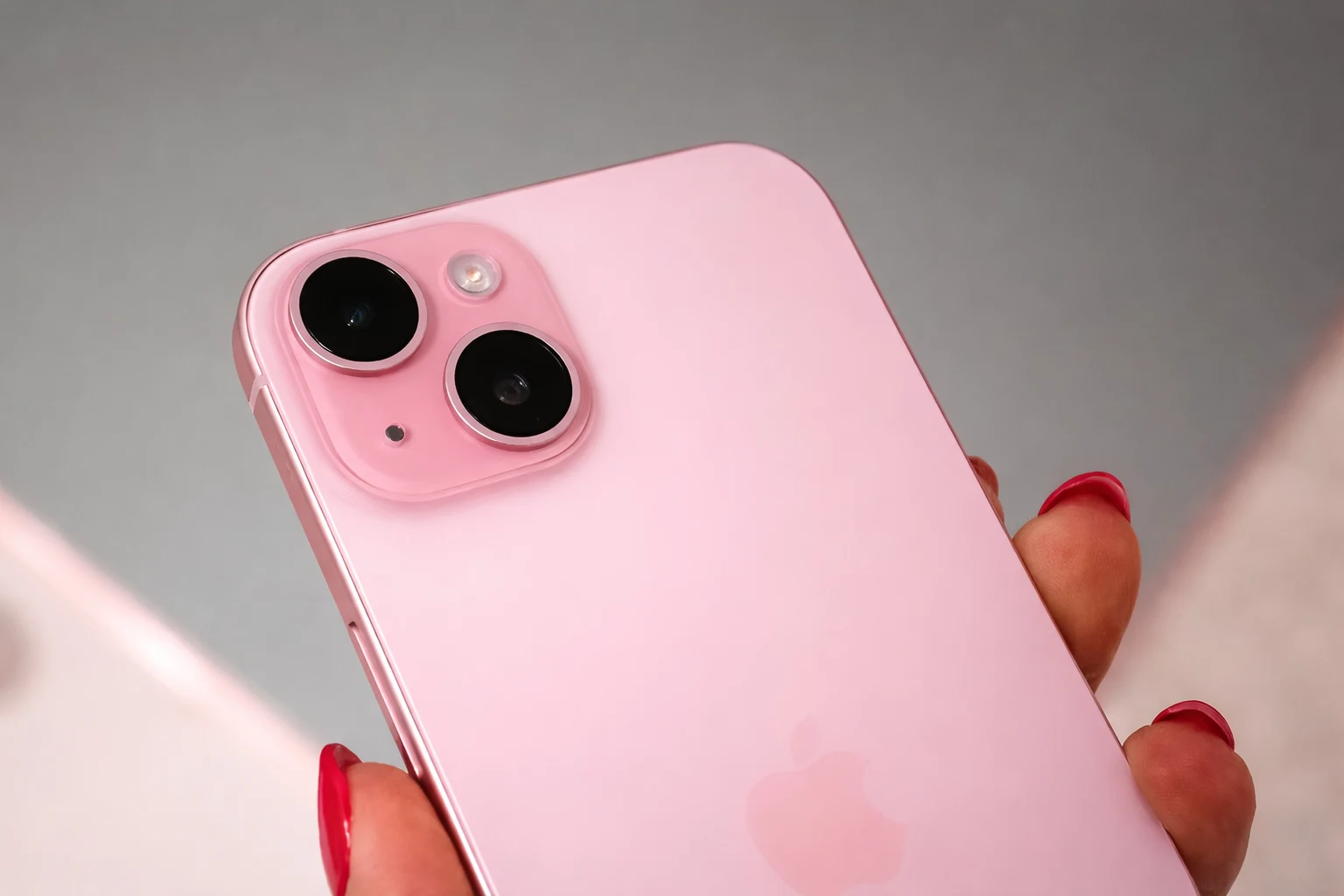
For more than a decade, Apple’s iPhone launches have followed a predictable annual rhythm that shaped consumer buying decisions, carrier strategies, and the broader smartphone market. Each September, Apple unveiled a complete lineup that included both premium Pro models and more accessible base variants, giving users a clear sense of when to upgrade. New reports now suggest that this long standing pattern could change dramatically beginning in 2026, potentially delaying the standard iPhone 18 until 2027.
If confirmed, the shift would represent one of the most significant structural changes to Apple’s product launch strategy in years, with meaningful implications for consumers, developers, and the global smartphone industry.
A Break From Apple’s Longstanding iPhone Tradition
Since the introduction of the iPhone X alongside the iPhone 8 series in 2017, Apple has refined a launch approach that balances innovation, scale, and consistency. Each year typically brings a coordinated release of Pro and non Pro models, allowing Apple to address multiple price segments simultaneously.
This model has helped Apple maintain momentum, manage global demand, and ensure that customers across regions have access to the latest hardware at the same time.
According to reports citing respected industry analyst Ming Chi Kuo, Apple may soon depart from this formula. Beginning as early as 2026, the company is expected to split its iPhone launches into two distinct cycles rather than a single annual event.
Under this reported plan, the high end models would continue to debut in the fall, while the base models would shift to a spring release window.
This would mark a fundamental change in how Apple structures its flagship product launches, ending the long held expectation that every new iPhone generation arrives together.
What the Reports Say About the iPhone 18 Timeline
The most notable implication of the proposed split release cycle concerns the iPhone 18. While earlier expectations assumed a full iPhone 18 lineup would arrive in the fall of 2026, the reports indicate a different outcome.
Under the new schedule, Apple would release the iPhone 18 Pro and iPhone 18 Pro Max in the fall of 2026. However, the standard iPhone 18 would not launch at the same time.
Instead, it would reportedly be delayed until the spring of 2027, alongside a more affordable iPhone 18e variant.
If this occurs, the iPhone 17 would remain the most recent base model for approximately eighteen months. That would be an unusually long lifecycle for a mainstream iPhone, especially in a market where annual updates have become the norm.
The reports emphasize that this change would not reflect a delay in development, but rather a deliberate restructuring of Apple’s release cadence.
The Role of the Foldable iPhone in Apple’s Strategy
One of the key factors believed to be driving this shift is the anticipated arrival of Apple’s first foldable iPhone. According to reporting from The Information, Apple is preparing to introduce its foldable model in 2026, positioning it alongside the Pro and Pro Max devices.
Adding a foldable device to the lineup would significantly expand Apple’s iPhone portfolio. Rather than introducing every model at once, a staggered release schedule could allow Apple to give each category more focused attention.
By grouping the foldable iPhone with the Pro models in the fall, Apple would be able to frame it as a premium innovation, aligned with its most advanced hardware and features.
Meanwhile, the spring release window would become home to the base models and more affordable options, catering to cost conscious consumers.
This approach could help Apple manage messaging, supply chains, and consumer expectations as its product lineup grows more complex.
The Current and Near Future iPhone Lineup
As of now, Apple’s iPhone lineup already reflects a broader range of choices than in previous years. The current generation includes the standard iPhone 17, the lightweight and design focused iPhone Air, and the high end iPhone 17 Pro and Pro Max.
In addition, Apple introduced the iPhone 16e in early 2025 as a more budget friendly option.
This expanded portfolio suggests that Apple is already experimenting with ways to reach different segments of the market without relying solely on a single annual launch event.
The reported plans for 2026 and beyond appear to build on this trend.
According to the projected timeline outlined in the reports, Apple’s future iPhone releases could follow a structured biannual rhythm.
In spring 2026, Apple is expected to introduce the iPhone 17e. In fall 2026, the lineup would include the iPhone 18 Pro, the iPhone 18 Pro Max, the first foldable iPhone, and a second generation iPhone Air.
Spring 2027 would then bring the base iPhone 18 and the iPhone 18e.
By fall 2027, Apple would move on to the iPhone 19 Pro and Pro Max, a second generation foldable model, and the iPhone Air 3.
This sequence illustrates how Apple could distribute its releases more evenly across the calendar year while continuing to refresh each segment on a predictable schedule.
Why Apple Might Want Two Launch Cycles
Apple’s reported move toward staggered iPhone launches may be driven by several strategic considerations. One key factor is competition.
Unlike Apple, most Android manufacturers release new devices throughout the year. This constant stream of launches can dilute attention around Apple’s single annual event.
By introducing new iPhones in both spring and fall, Apple would maintain a more continuous presence in the news cycle and retail channels.
This could help reduce the impact of competing Android launches and keep Apple devices top of mind for consumers year round.
Another consideration is internal competition. As Apple’s lineup expands, launching too many devices at once can make it harder for individual models to stand out.
The reports note that the iPhone Air has faced challenges gaining traction in a crowded market.
Separating releases could give each model clearer positioning and marketing focus.
Finally, supply chain and production efficiency may also play a role.
Spreading launches across two periods could ease manufacturing pressures and help Apple better align production with demand.
Implications for Consumers
For consumers, the proposed changes would require a shift in expectations.
Buyers accustomed to upgrading to the latest base model each fall might find themselves waiting longer for a new generation.
Those who prefer the standard iPhone could face an extended period where the Pro models receive updates while the base version does not.
At the same time, the new structure could offer benefits.
A spring launch for base models might reduce competition for attention and inventory, potentially improving availability in certain regions.
It could also give buyers more flexibility in timing their purchases rather than clustering upgrades around a single season.
For users interested in premium features and cutting edge designs, the fall releases would remain the primary event.
The addition of a foldable iPhone to that lineup would further reinforce the fall as Apple’s showcase for its most advanced technology.
Market and Industry Impact
If Apple proceeds with this strategy, it could influence the broader smartphone industry.
Apple’s launch cycles often shape carrier promotions, accessory development, and media coverage.
A move to biannual iPhone releases would likely prompt adjustments across the ecosystem.
Carriers might adapt their upgrade programs to align with the new cadence, while accessory makers could stagger product introductions to match the different release windows.
Media and analysts would also adjust their coverage patterns, potentially giving more sustained attention to Apple throughout the year.
The presence of a foldable iPhone could have additional ripple effects.
As one of the last major manufacturers to enter the foldable segment, Apple’s participation could legitimize the category for a wider audience and accelerate adoption.
A Cautious Outlook as Apple Remains Silent
It is important to note that Apple has not officially confirmed any changes to its iPhone release schedule.
The reports are based on analysis from trusted industry sources, but plans can evolve as market conditions, technology readiness, and internal priorities shift.
Still, the consistency of reporting from multiple outlets suggests that Apple is actively exploring new ways to structure its launches.
Given the company’s history of careful long term planning, any change of this magnitude would likely be the result of extensive analysis rather than a short term reaction.
What to Watch Next
As 2026 approaches, attention will focus on signals from Apple’s supply chain, regulatory filings, and product announcements.
The launch of the iPhone 17e in spring 2026 could serve as an early indicator of whether the reported split cycle is taking shape.
Developers, investors, and consumers alike will be watching closely to see how Apple communicates these changes and whether the new structure delivers the benefits it appears designed to achieve.
If the reports prove accurate, the delayed arrival of the base iPhone 18 would mark the end of an era defined by uniform annual releases.
In its place would be a more flexible, segmented strategy reflecting Apple’s increasingly diverse product lineup and the evolving dynamics of the global smartphone market.
For now, the possibility of a spring 2027 debut for the iPhone 18 underscores a broader reality.
Apple’s most iconic product is entering a new phase, one shaped by expansion, experimentation, and a willingness to rethink even its most established traditions.

Edit Profile
Help improve @KR

Was this page helpful to you?
Contact Khogendra Rupini
Are you looking for an experienced developer to bring your website to life, tackle technical challenges, fix bugs, or enhance functionality? Look no further.
I specialize in building professional, high-performing, and user-friendly websites designed to meet your unique needs. Whether it’s creating custom JavaScript components, solving complex JS problems, or designing responsive layouts that look stunning on both small screens and desktops, I can collaborate with you.
Create something exceptional with us. Contact us today
Open for Collaboration
If you're looking to collaborate, I’m available for a variety of professional services, including -
- Website Design & Development
- Advertisement & Promotion Setup
- Hosting Configuration & Deployment
- Front-end & Back-end Code Implementation
- Code Testing & Optimization
- Cybersecurity Solutions & Threat Prevention
- Website Scanning & Malware Removal
- Hacked Website Recovery
- PHP & MySQL Development
- Python Programming
- Web Content Writing
- Protection Against Hacking Attempts