iPhone 18 takes shape as Apple plans subtle upgrades, new launch timing and A20 chip
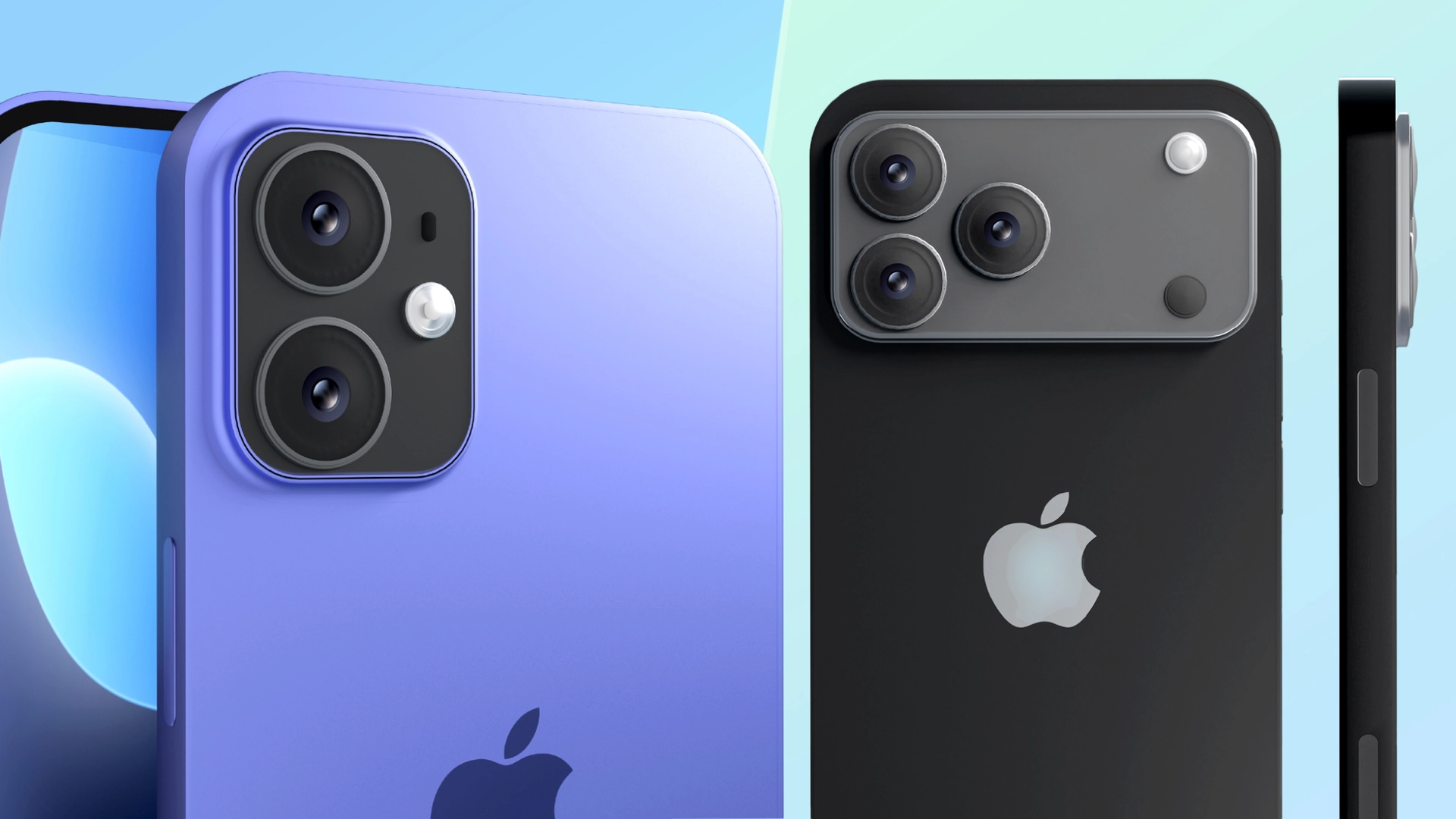
Apple’s next generation iPhone is already drawing close attention well ahead of its expected debut, as a steady flow of supply chain reports and analyst briefings outline how the iPhone 18 series may differ from previous launches. While Apple has not confirmed any details publicly, the information currently available paints a picture of a cautious but strategic update cycle. Changes to launch timing, a next generation chipset, refined camera controls and largely familiar pricing suggest Apple is focused on performance efficiency and lineup flexibility rather than dramatic visual redesigns.
For consumers, investors and the wider smartphone industry, the iPhone 18 matters because it may signal a shift in how Apple structures its annual releases. If the reported staggered launch strategy materializes, it would represent one of the most meaningful changes to the iPhone rollout in years. At the same time, early production planning indicates Apple is locking in its Pro models earlier than usual, underscoring their central role in the company’s premium strategy.
Below is a comprehensive look at everything currently known about the iPhone 18, based strictly on the information available so far.
Early production plans point to finalized Pro models
According to information shared by Chinese leaker Fixed Focus Digital on Weibo, Apple is expected to begin trial production of the iPhone 18 shortly after the Chinese New Year. Manufacturing activity is set to resume once factories return to full operations following the Lunar New Year holiday period, which typically ends in late February.
The report suggests that production lines for the iPhone 18 Pro variants are already in place. This detail is significant because it implies that Apple has finalized the Pro model designs earlier in the development cycle. Early line readiness often indicates confidence in hardware decisions and allows Apple to refine yields and efficiency well ahead of mass production.
The same source notes that any exterior design changes for the iPhone 18 are expected to be subtle. Rather than introducing a visibly new form factor for standard slab models, Apple appears to be continuing its recent approach of incremental refinements. This aligns with the company’s broader strategy in recent years, where design continuity has been paired with internal hardware improvements and software driven enhancements.
Possible shift in Apple’s traditional launch calendar
One of the most closely watched aspects of the iPhone 18 cycle is its potential release schedule. Multiple reports indicate that Apple may be considering a change to its long standing practice of launching the entire iPhone lineup simultaneously in September.
Under the scenario outlined by current information, the base iPhone 18 may not arrive alongside the Pro models. Instead, it could be released later, possibly in spring 2027, together with other entry level or mid tier devices such as the iPhone 18e and a successor to the iPhone Air.
If this approach is adopted, the premium models including the iPhone 18 Pro, iPhone 18 Pro Max and a reportedly planned first foldable iPhone would still debut during the traditional fall 2026 window. This would allow Apple to maintain its flagship launch momentum while spreading other releases across the calendar year.
However, it is important to note that this change remains speculative. Apple could still opt to unveil the full lineup together in September 2026, maintaining the schedule it has followed for more than a decade. Until Apple makes an official announcement, both possibilities remain open.
Pricing strategy expected to prioritize stability
Despite rising manufacturing costs and the ongoing impact of global tariffs, analysts expect Apple to keep iPhone 18 pricing broadly in line with recent generations. This would be consistent with the company’s historical approach of minimizing year to year price fluctuations, particularly for its core models.
For context, the iPhone 17 launched at seven hundred ninety nine dollars for the base model, while the iPhone 17 Pro started at one thousand ninety nine dollars and the Pro Max at one thousand one hundred ninety nine dollars. Current expectations suggest that the iPhone 18 Pro could retain a similar starting price.
More affordable models in the lineup could see minor adjustments, especially if their release is delayed to spring 2027. A later launch could allow Apple to reposition these devices slightly within the market, but there is no indication of major price increases at this stage.
Maintaining price stability would help Apple remain competitive in a market where flagship smartphone prices have steadily climbed. It would also reinforce the company’s value proposition as it introduces performance and efficiency improvements rather than radical redesigns.
A20 chip expected to deliver efficiency focused gains
Performance is shaping up to be one of the most notable areas of improvement for the iPhone 18. The device is widely expected to be powered by Apple’s next generation A20 chip, which is reported to use a two nanometer manufacturing process.
This move to a smaller process node is designed to deliver meaningful gains in both speed and power efficiency. Early reports indicate that the A20 could offer performance improvements of up to fifteen percent compared with the A19, while reducing power consumption by roughly thirty percent.
Such gains would have practical benefits for users, including smoother multitasking, improved gaming performance and longer battery life under everyday usage. For Apple, the efficiency improvements are particularly important as the company continues to add more on device artificial intelligence features that rely on sustained processing power.
The timing of the A20’s debut may vary depending on when different iPhone 18 models are released. If the base model arrives later than the Pro variants, it remains unclear whether all versions will share the same chipset at launch or whether Apple will differentiate them as it has in some previous generations.
Camera changes focus on usability rather than hardware overhaul
Camera technology has long been a core selling point for the iPhone, and the iPhone 18 is expected to bring refinements in how users interact with its camera system. Rather than introducing sweeping changes to sensors or lenses, Apple is reportedly focusing on the Camera Control button.
According to current information, Apple plans to redesign this control by moving away from a touch sensitive and haptic feedback based system. The new approach would rely on pressure based input, allowing the button to better distinguish intentional presses from accidental swipes.
The goal of this change is to reduce unintended interactions while preserving the core functionality of the Camera Control feature. For users, this could translate into a more reliable and deliberate shooting experience, particularly when capturing photos or videos quickly.
There have been no confirmed details regarding major sensor upgrades, optical changes or new camera modes. As such, the emphasis appears to be on refining the user experience rather than redefining mobile photography hardware for this generation.
Design continuity reflects Apple’s incremental approach
Visually, the iPhone 18 is expected to closely resemble its predecessor. Reports suggest that Apple is not planning dramatic exterior changes, especially for the Pro models whose designs are said to be finalized.
This continuity reflects a broader pattern in Apple’s hardware strategy. By keeping external design largely consistent, the company can focus resources on internal advancements such as chipset efficiency, software integration and manufacturing optimization.
For many users, design familiarity can be a positive factor. Accessories remain compatible, ergonomics are well understood and visual identity stays cohesive across generations. At the same time, it allows Apple to introduce meaningful improvements without risking polarizing reactions to bold aesthetic changes.
Any subtle refinements that do appear are likely to be evolutionary rather than transformative, maintaining the premium look and feel that has defined recent iPhone models.
What the iPhone 18 cycle reveals about Apple’s priorities
Taken together, the information available so far suggests that the iPhone 18 is less about reinvention and more about strategic refinement. Apple appears focused on strengthening its premium offerings, optimizing performance and experimenting with how and when different models reach the market.
The possibility of a staggered release schedule is particularly noteworthy. If implemented, it would allow Apple to sustain consumer interest throughout the year while giving each segment of the lineup more focused attention. It could also help the company respond more flexibly to market conditions and production constraints.
At the same time, the emphasis on efficiency through the A20 chip and usability improvements such as the redesigned Camera Control button underscores Apple’s commitment to incremental quality gains. These are the types of changes that may not dominate headlines but often have the greatest impact on day to day user experience.
Looking ahead to official confirmation
As with all pre launch information, it is important to approach these details with caution. Apple has not officially confirmed the iPhone 18 launch date, pricing or specifications, and plans can change as development progresses.
What is clear, however, is that Apple is already laying the groundwork for its next flagship cycle. Early production preparations, finalized Pro designs and supply chain chatter indicate that the iPhone 18 is moving steadily toward reality.
For consumers, the coming months are likely to bring further clarity as additional reports emerge and Apple edges closer to its next major announcement. Until then, the iPhone 18 stands as a glimpse into how Apple may balance innovation, stability and strategic timing in the years ahead.

Edit Profile
Help improve @KR

Was this page helpful to you?
Contact Khogendra Rupini
Are you looking for an experienced developer to bring your website to life, tackle technical challenges, fix bugs, or enhance functionality? Look no further.
I specialize in building professional, high-performing, and user-friendly websites designed to meet your unique needs. Whether it’s creating custom JavaScript components, solving complex JS problems, or designing responsive layouts that look stunning on both small screens and desktops, I can collaborate with you.
Create something exceptional with us. Contact us today
Open for Collaboration
If you're looking to collaborate, I’m available for a variety of professional services, including -
- Website Design & Development
- Advertisement & Promotion Setup
- Hosting Configuration & Deployment
- Front-end & Back-end Code Implementation
- Code Testing & Optimization
- Cybersecurity Solutions & Threat Prevention
- Website Scanning & Malware Removal
- Hacked Website Recovery
- PHP & MySQL Development
- Python Programming
- Web Content Writing
- Protection Against Hacking Attempts