Samsung Galaxy S26 Ultra design takes shape through early case and CAD leaks
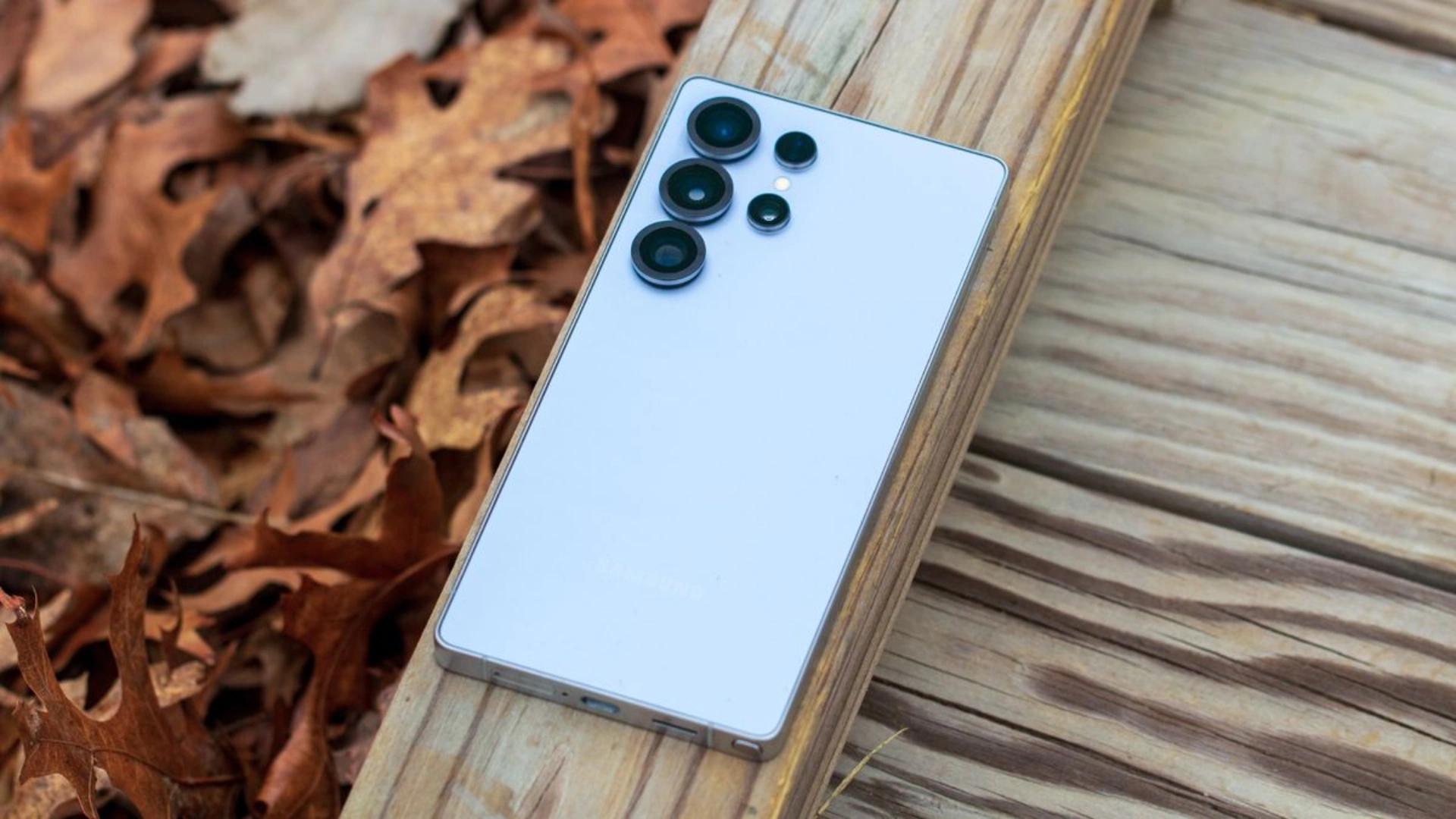
Early accessory and CAD based revelations are offering the clearest picture yet of how Samsung next flagship phone will look. The Samsung Galaxy S26 Ultra has appeared through third party case imagery and detailed design disclosures, revealing a refined rear profile, a newly structured camera island and subtle ergonomic changes. Together, these details point to a deliberate evolution in Samsung design language ahead of the expected February unveiling.
Why early design leaks matter for flagship buyers
Flagship smartphones are no longer judged only by internal specifications. Design consistency, ergonomics and perceived premium quality play an increasingly important role in buying decisions, especially in the ultra premium segment. With the Galaxy S Ultra line serving as Samsung most visible statement device, even incremental design changes attract strong interest. These early glimpses help consumers and industry watchers understand how Samsung is refining its hardware strategy for 2026 while maintaining continuity with previous generations.
Third party case reveals refined rear layout
The first major insight into the Galaxy S26 Ultra design comes from a protective case released by Thinborne, a well known third party accessory maker. While cases do not confirm final materials or finishes, they are typically molded using accurate dimensions provided to manufacturers ahead of launch. As a result, they often reflect the final physical layout with high reliability.
The Thinborne case suggests that Samsung is introducing a more unified camera island rather than continuing with fully separated lenses. The rear design accommodates three large camera rings positioned within a raised section, accompanied by two smaller rings that sit outside the main island. A small circular cutout is present for the LED flash, completing the camera arrangement.
The case itself features a textured surface designed to improve grip while maintaining a clean aesthetic. It also appears to offer enhanced protection around the raised camera section, ensuring that the lens rings remain elevated from flat surfaces. Importantly, the case design indicates that the metal camera rings will remain visible, allowing the phone to preserve its premium appearance even when protected.
Subtle evolution in corner geometry
Beyond the camera layout, the case reveals a small but meaningful adjustment to the overall shape of the Galaxy S26 Ultra. The corners appear slightly more rounded than those of the Galaxy S25 Ultra. This refinement continues a gradual shift toward softer edges, likely intended to improve comfort during extended use without abandoning the distinctive squared profile that defines the Ultra line.
Samsung has historically refined its corner geometry incrementally rather than introducing abrupt changes. The S26 Ultra appears to follow this philosophy, suggesting that further rounding may continue in future generations while preserving brand identity.
Camera island design detailed through CAD imagery
Complementing the case leak, a second report has provided a deeper look at the camera island itself through computer aided design imagery. The visuals were shared by Ice Universe, a tipster known for accurate disclosures related to Samsung hardware.
According to this information, the Galaxy S26 Ultra camera island adopts a dual layer construction. This structure is intended to reduce the visual abruptness often associated with large camera bumps. Rather than a single steep rise from the back panel, the camera section transitions in stages, creating a smoother and more integrated appearance.
The total thickness of the camera bump is expected to reach approximately four point five millimetres, including the sensor protrusion. Of this, around sixty percent is attributed to the raised island structure itself, while the remaining forty percent comes from the sensors and camera rings that extend above it.
Slim body balanced by pronounced camera hardware
While the camera area becomes more complex, the rest of the Galaxy S26 Ultra body remains relatively slim. The phone main chassis is expected to measure around seven point nine millimetres thick. This contrast means that most of the device will feel thin and refined in hand, with thickness increasing only around the camera section.
At its thickest point, including the full camera assembly, the device could reach approximately twelve point four millimetres. Samsung approach appears to prioritise camera performance and visual balance over minimizing protrusion at all costs. By shaping the bump more carefully, the company aims to maintain comfort and aesthetics despite the physical demands of advanced camera hardware.
Return of premium metal camera rings
One of the most notable design confirmations concerns the camera rings themselves. Unlike the Galaxy S25 series, which reportedly used thicker plastic rings, the Galaxy S26 Ultra is expected to feature metal camera rings. This change aligns with Samsung broader premium positioning for the Ultra line and brings its design language closer to other high end competitors.
Metal rings not only enhance visual appeal but also improve durability and tactile quality. Their reintroduction suggests that Samsung has responded to feedback regarding materials and finish, reinforcing the Ultra identity as a no compromise flagship.
S Pen design subtly adjusted
Although the Thinborne case primarily reveals the rear of the device, additional information confirms changes on the bottom side as well. The S Pen has reportedly been redesigned to better match the softened corners of the phone. Specifically, the upper tip of the stylus is now rounded on one side, aligning more naturally with the new chassis shape.
This adjustment may seem minor, but it reflects Samsung attention to detail. The S Pen remains a defining feature of the Ultra series, and even small ergonomic refinements can enhance the overall user experience for note taking, drawing and navigation.
Consistency across the Galaxy S26 lineup
While the Ultra model draws the most attention, the broader Galaxy S26 series is expected to adopt similar design principles. Reports indicate that the Galaxy S26 and S26 Plus will also feature a visible camera island, signaling a unified design language across the lineup.
This consistency helps reinforce brand recognition and allows Samsung to present the S26 family as a cohesive range rather than a collection of loosely related devices. The Ultra remains the most advanced expression of this design strategy, with additional layers and refinements reserved for the top tier model.
Manufacturing and aesthetic considerations
The dual layer camera island is not only a visual choice but also a manufacturing one. By distributing height across multiple layers, Samsung can manage tolerances more effectively while maintaining structural integrity. This approach may also help reduce wobble when the phone is placed on flat surfaces, a common complaint with large camera bumps.
Visually, the layered structure creates a smoother transition between the back panel and the camera hardware. This reduces the stark contrast that can make camera islands appear intrusive, especially on devices with minimalist rear designs.
Expected launch timeline and market availability
According to the information provided, Samsung is expected to unveil the Galaxy S26 series on February twenty five. Market availability may follow on March eleven, placing the launch firmly in the first quarter of 2026. Samsung is also expected to release its first official teaser by the end of January, with early reservation programs potentially opening in early February.
This timeline aligns with Samsung established flagship release pattern and gives the company ample opportunity to build anticipation ahead of launch.
Strategic refinement rather than radical redesign
Taken together, the early case and CAD revelations point to a strategy of refinement rather than reinvention. Samsung is not abandoning the visual identity that has defined the Ultra series in recent years. Instead, it is smoothing edges, enhancing material choices and restructuring the camera island to improve both aesthetics and usability.
For long term Samsung users, this approach offers familiarity combined with measurable improvements. For new buyers, it presents a polished and mature design that reflects the evolution of flagship smartphone engineering.
What these design changes signal for Samsung future
The Galaxy S26 Ultra appears to set the tone for Samsung design direction beyond 2026. The layered camera island, rounded corners and renewed focus on premium materials could form the foundation for future generations, including the anticipated Galaxy S27 Ultra.
By refining rather than disrupting its flagship design, Samsung demonstrates confidence in its core identity while acknowledging the need for continuous improvement. As official details emerge in the coming weeks, these early glimpses provide valuable context for understanding where Samsung is heading with its most important smartphone line.
In the competitive premium smartphone market, such careful evolution may prove just as impactful as bold reinvention.

Edit Profile
Help improve @KR

Was this page helpful to you?
Contact Khogendra Rupini
Are you looking for an experienced developer to bring your website to life, tackle technical challenges, fix bugs, or enhance functionality? Look no further.
I specialize in building professional, high-performing, and user-friendly websites designed to meet your unique needs. Whether it’s creating custom JavaScript components, solving complex JS problems, or designing responsive layouts that look stunning on both small screens and desktops, I can collaborate with you.
Create something exceptional with us. Contact us today
Open for Collaboration
If you're looking to collaborate, I’m available for a variety of professional services, including -
- Website Design & Development
- Advertisement & Promotion Setup
- Hosting Configuration & Deployment
- Front-end & Back-end Code Implementation
- Code Testing & Optimization
- Cybersecurity Solutions & Threat Prevention
- Website Scanning & Malware Removal
- Hacked Website Recovery
- PHP & MySQL Development
- Python Programming
- Web Content Writing
- Protection Against Hacking Attempts