Asus unveils ultra light 16 inch Zenbook A16 at CES 2026, undercutting MacBook Air weight
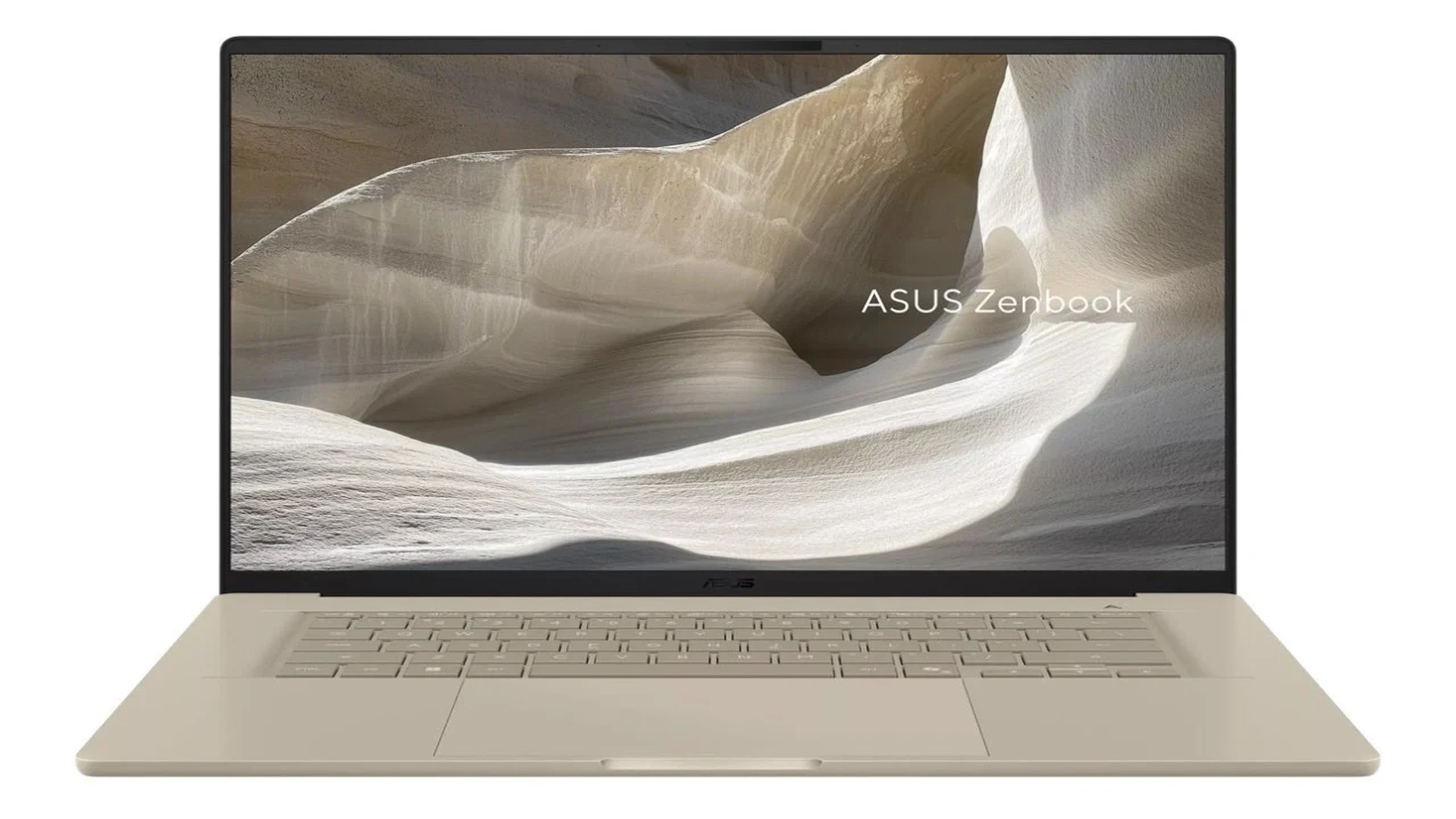
At CES 2026, Asus has introduced a laptop that challenges long standing assumptions about size and portability. The new Zenbook A16 delivers a full 16 inch display in a chassis that weighs less than Apple’s 13 inch MacBook Air, marking a notable moment for the Windows laptop market. As consumers increasingly expect large screens without sacrificing mobility, Asus is positioning the Zenbook A16 as a direct answer to those demands, combining cutting edge ARM based performance, premium materials, and an unusually light design.
The announcement matters because it signals a shift in how thin and light laptops are engineered. Large screen notebooks have traditionally meant heavier bodies, shorter battery life, and compromised portability. Asus is now arguing that those trade offs are no longer necessary. By pairing a new Qualcomm Snapdragon X2 Elite Extreme processor with a proprietary lightweight chassis material, the company is attempting to redefine what a large ultraportable laptop can be.
A 16 inch laptop that weighs less than Apple’s 13 inch offering
The headline specification of the Zenbook A16 is its weight. Depending on configuration, the laptop weighs as little as 2.65 pounds, making it nearly an ounce lighter than the 13 inch MacBook Air from Apple. For context, most 16 inch Windows laptops tested in recent months have weighed between 3.3 and 4.7 pounds.
This achievement is made more striking by the fact that the Zenbook A16 does not sacrifice display size or premium features to reach that weight. Instead, Asus has focused on materials science and platform efficiency. The result is a device that challenges the assumption that portability is reserved for smaller screen sizes.
Ceraluminum design and materials strategy
Central to the Zenbook A16’s design is Asus’ patented Ceraluminum material, a magnesium aluminum alloy developed to be both durable and exceptionally light. The chassis is finished in a tan colourway called Zabrinskie Beige, giving the laptop a distinctive visual identity that separates it from the typical silver and grey tones of many premium notebooks.
Asus describes Ceraluminum as scratch resistant, shock resistant, fingerprint resistant, and fully recyclable. The Zenbook A16 joins a growing number of Asus laptops built entirely from this material, reflecting a broader strategy to standardise lightweight premium construction across the Zenbook line.
The material choice also enables a slim profile. The Zenbook A16 measures between 0.54 and 0.65 inches thick, depending on configuration, while maintaining structural rigidity suitable for everyday travel and long term use.
Display upgrades bring flagship visuals to a thin chassis
The Zenbook A16 features a 16 inch OLED touchscreen with a 3K resolution of 2880 by 1800 pixels. The panel supports a 120Hz refresh rate, offering smoother motion for scrolling, multitasking, and media playback. Typical brightness reaches 500 nits, with peak brightness of up to 1100 nits for HDR content.
The display also boasts a 90 percent screen to body ratio, achieved through thinner bezels compared with earlier Zenbook models. This allows Asus to maximise screen real estate without increasing the overall footprint of the laptop.
OLED technology continues to be a differentiator for Asus in the ultraportable space. Deep contrast, vibrant colours, and wide viewing angles make the Zenbook A16 particularly well suited for creative work, media consumption, and productivity tasks that benefit from a large, high quality display.
Snapdragon X2 Elite Extreme powers the next generation Zenbook
Under the hood, the Zenbook A16 is powered by the new Qualcomm Snapdragon X2 Elite Extreme processor. This ARM based chip represents the next step in Qualcomm’s push into premium Windows laptops, building on the momentum of earlier Snapdragon X series processors.
The system also includes a Qualcomm Hexagon neural processing unit capable of up to 80 trillion operations per second, alongside a Qualcomm Adreno GPU. Together, these components are designed to support advanced AI features, efficient multitasking, and strong battery performance within a fan efficient thermal envelope.
Asus pairs the processor with 48GB of RAM and 1TB of SSD storage, positioning the Zenbook A16 as a high end productivity machine rather than a lightweight compromise. This memory configuration is notably higher than what is typically offered in consumer ultraportables, especially at launch.
Ports, connectivity, and everyday usability
Despite its thin and light design, the Zenbook A16 includes a comprehensive selection of ports. Users get two USB C ports, one USB A port, one HDMI port, a full size SD card reader, and a headphone jack. This range supports a variety of peripherals without requiring immediate reliance on dongles or adapters.
Wireless connectivity includes WiFi 7 and Bluetooth 5.4, aligning the Zenbook A16 with the latest connectivity standards. A full HD webcam is also included for video calls and remote work.
Battery capacity is rated at 70Wh, though Asus has not yet shared official battery life estimates for the A16. Given the efficiency of the Snapdragon platform, expectations are that battery performance will be competitive with other ARM based Windows laptops.
Relationship to the Zenbook A14 and product lineage
The Zenbook A16 builds directly on the success of the Zenbook A14, a 14 inch Copilot Plus PC that debuted at CES 2025. The A14 was widely praised for its lightweight design, OLED display, and long battery life, and it became Asus’ first laptop built entirely from Ceraluminum.
The original Zenbook A14 weighed as little as 2.18 pounds, depending on configuration, and featured last generation Snapdragon X series processors, a 2K 60Hz OLED display, and a reported battery life of up to 22 hours. It launched at a starting price of 899.99 dollars before later price adjustments.
For 2026, Asus is refreshing the Zenbook A14 alongside the A16. Updates include a Snapdragon X2 Elite processor, thinner bezels, WiFi 7, Bluetooth 5.4, and a matte keycap coating designed for improved durability. The base configuration now starts with 512GB of storage and 24GB of memory, up from 16GB previously.
The Zenbook A14 also received significant recognition during its lifecycle, including being named Best Laptop of CES 2025 by the CNET Group and earning top rankings in year end reviews. It even appeared on Oprah’s Favorite Things list, a rare distinction for a laptop.
Expanding Ceraluminum across the Zenbook lineup
The Zenbook A16 is part of a broader materials shift across Asus’ 2026 Zenbook range. The company confirmed that upcoming iterations of the Zenbook S14, Zenbook S16, and the dual screen Zenbook Duo will all feature full Ceraluminum chassis construction.
This move suggests that Asus sees lightweight premium materials not as a niche feature but as a defining characteristic of the Zenbook brand. By standardising Ceraluminum, the company aims to deliver consistent durability, sustainability, and weight advantages across multiple form factors.
Competitive context in the 16 inch ultraportable space
While the Zenbook A16 is not the absolute lightest 16 inch laptop ever announced, it is among the lightest expected to be available in the United States. One notable competitor is the Acer Swift Air 16, which launched at IFA 2025 with a starting weight of 2.18 pounds. However, that model is currently limited to markets in Africa, Europe, and the Middle East, with a starting price of 999 euros.
Within the US market, the Zenbook A16 stands out by combining a large OLED display, high memory capacity, and extremely low weight in a single package. This positions it as a compelling alternative to both traditional 16 inch Windows laptops and smaller premium notebooks.
Pricing uncertainty and market considerations
Asus has not yet confirmed pricing or availability for the Zenbook A16 or the updated Zenbook A14. The company previously faced pricing challenges due to increased tariffs on Chinese imports, which led to a 100 dollar price increase for the original A14.
There is also ongoing pressure from a global RAM shortage, which could influence final configurations or pricing strategies. Committing to 24GB to 48GB of memory in consumer laptops is ambitious, and Asus may adjust specifications before the devices reach store shelves.
What remains clear is that Asus is attempting to maintain a strong value proposition, balancing premium features with competitive pricing in a market that is increasingly sensitive to cost.
Why the Zenbook A16 matters
The Zenbook A16 represents more than just another laptop launch. It reflects a broader evolution in Windows hardware, where ARM based processors, advanced materials, and premium displays are converging to challenge long established design norms.
By delivering a 16 inch laptop that is lighter than a 13 inch MacBook Air, Asus is making a clear statement about the future of portable computing. For professionals, students, and everyday users who want a large screen without added weight, the Zenbook A16 offers a glimpse of what the next generation of laptops may look like.
As pricing and availability details emerge, the Zenbook A16 will be closely watched as a test of whether this new balance of size, weight, and performance can succeed at scale in the mainstream market.

Edit Profile
Help improve @KR
Was this page helpful to you?
Contact Khogendra Rupini
Are you looking for an experienced developer to bring your website to life, tackle technical challenges, fix bugs, or enhance functionality? Look no further.
I specialize in building professional, high-performing, and user-friendly websites designed to meet your unique needs. Whether it’s creating custom JavaScript components, solving complex JS problems, or designing responsive layouts that look stunning on both small screens and desktops, I can collaborate with you.
Create something exceptional with us. Contact us today
Open for Collaboration
If you're looking to collaborate, I’m available for a variety of professional services, including -
- Website Design & Development
- Advertisement & Promotion Setup
- Hosting Configuration & Deployment
- Front-end & Back-end Code Implementation
- Code Testing & Optimization
- Cybersecurity Solutions & Threat Prevention
- Website Scanning & Malware Removal
- Hacked Website Recovery
- PHP & MySQL Development
- Python Programming
- Web Content Writing
- Protection Against Hacking Attempts