Samsung Galaxy S26 Ultra Price Rise Could Undermine the Company’s Biggest Advantage
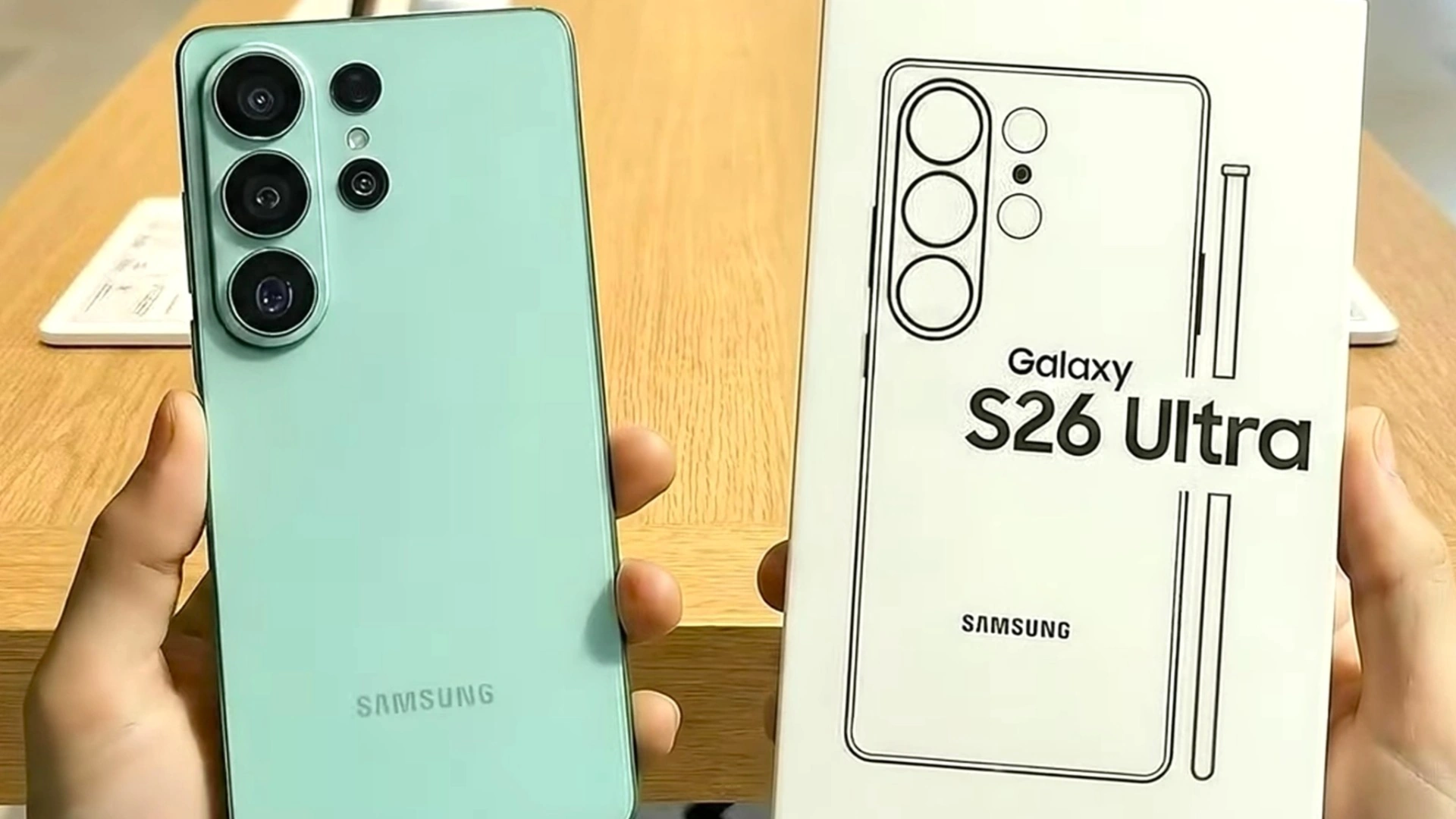
Samsung is openly acknowledging that its next flagship smartphone lineup could cost more, and that shift carries consequences that extend well beyond the sticker price. For years, Samsung has relied on aggressive promotions and generous preorder incentives to stay competitive at the high end of the smartphone market. With memory component costs surging globally, that strategy is now under threat, and the Galaxy S26 Ultra may be the clearest example of how rising prices could reshape Samsung’s relationship with consumers.
The issue matters because Samsung’s premium phones do not compete on hardware alone. Discounts, storage upgrades, and trade in bonuses have been central to the company’s ability to drive volume and defend market share against rivals. If these incentives are scaled back, buyers may face higher effective prices even during major sales events, altering expectations for one of the most deal driven flagship brands in the industry.
Samsung signals that higher prices are increasingly likely
After weeks of reports from South Korean outlets suggesting Samsung was considering raising prices across the Galaxy S26 lineup, company leadership has now confirmed that such a move is on the table. Speaking to Reuters at CES 2026, Samsung Electronics co chief executive TM Roh said that no company is immune to the pressures created by soaring memory prices and constrained supply.
Roh described the situation as inevitable, noting that Samsung’s smartphone division is facing the same cost headwinds affecting the wider technology sector. His comments mark one of the clearest acknowledgements yet that consumers should prepare for higher prices when the Galaxy S26 series launches later this year.
The remarks also underscore a broader shift in tone. Samsung has historically absorbed component cost increases where possible or offset them through scale and efficiency. This time, the company appears to be signalling that the scale of the problem leaves limited room to manoeuvre.
The global memory shortage reshapes smartphone economics
At the centre of the issue is a sharp rise in the cost of memory components, including RAM and flash storage. Demand from artificial intelligence infrastructure has surged, with data centres consuming vast quantities of high performance memory. As manufacturers prioritise these lucrative contracts, less capacity is available for consumer electronics such as smartphones.
This imbalance has pushed prices higher across the supply chain. Even for Samsung, which is both a major smartphone maker and one of the world’s largest memory producers, the impact is significant. Higher internal transfer prices and opportunity costs mean flagship phones are becoming more expensive to build.
The result is a structural change in smartphone economics. Where premium devices once benefited from steadily falling memory costs over time, manufacturers are now facing sustained upward pressure that shows little sign of easing in the short term.
What price increases could look like for the Galaxy S26 range
According to reporting from ET News, Samsung has been weighing a price increase of between 44,000 won and 88,000 won per model. Converted to United States pricing, that could place the Galaxy S26 lineup at approximately 859 dollars for the base model, 1,059 dollars for the Plus version, and as much as 1,359 dollars for the Galaxy S26 Ultra.
While these figures are not yet confirmed, they illustrate the scale of the potential shift. The Galaxy S series has already moved firmly into ultra premium territory in recent years, and another increase would further narrow the gap between Samsung’s top devices and competing flagships.
For consumers, the headline price is only part of the story. Historically, Samsung has relied on heavy discounts and preorder bonuses to soften the impact of high launch prices. That approach may now be under strain.
Promotions face pressure as margins tighten
The more consequential change may be what happens to Samsung’s promotions rather than the list price itself. ET News reported that the company is considering scrapping its signature double storage preorder offer, a deal that typically allows buyers to receive a higher storage tier at no extra cost during the launch window.
That incentive has been a cornerstone of Samsung’s marketing for several generations, particularly for the Ultra models where storage upgrades command significant premiums. Removing it would effectively raise the real world price for many buyers even if the official starting price remains unchanged.
Samsung’s promotional playbook has also included frequent discount codes, enhanced trade in values, and limited time price cuts that can shave hundreds off the retail cost. With margins under pressure from component costs, maintaining that level of generosity may no longer be sustainable.
The Galaxy S25 Ultra shows what could be lost
Recent history highlights what may be at risk. During Black Friday, Samsung cut the price of the Galaxy S25 Ultra with 512GB of storage to 859.99 dollars. That deal included a direct discount of 400 dollars without requiring a trade in, with even greater savings available for customers willing to exchange an older device.
Deals of that scale have been a defining feature of Samsung’s flagship strategy. They have allowed the company to advertise premium specifications while still delivering eye catching prices during major sales events.
By contrast, six weeks before the expected arrival of the Galaxy S26 series, the same Galaxy S25 Ultra configuration has only been discounted to 1,119.99 dollars. If memory costs remain elevated, a sub 900 dollar Galaxy S26 Ultra with high storage may simply not be achievable, even during peak promotional periods.
Why aggressive deals matter to Samsung’s strategy
Samsung’s reliance on promotions is not incidental. In a market where flagship smartphones increasingly offer incremental upgrades rather than transformative changes, pricing flexibility has become a key differentiator. Aggressive deals help drive upgrades, attract switchers, and maintain visibility in a crowded retail landscape.
These offers also allow Samsung to respond quickly to competitive pressure, particularly from Apple. While Apple tends to hold firm on pricing, Samsung has used discounts and bundles to appeal to value conscious premium buyers.
If those tools are blunted, Samsung may find it harder to generate the same sales momentum, especially in mature markets where replacement cycles are lengthening.
Bundles and subscriptions as alternative incentives
Faced with tighter margins on hardware, Samsung may pivot toward incentives that have a lower direct impact on profitability. One option is the expansion of bundled software and service subscriptions.
In recent years, Galaxy buyers have frequently been offered free trials or extended subscriptions to services such as Perplexity Pro. In earlier promotions, Samsung bundled access to Disney Plus, Adobe Lightroom, SiriusXM, and Peacock Premium for select devices and regions.
These offers can add perceived value without the same upfront cost as hardware discounts. However, their appeal varies by user, and they may not carry the same immediate impact as a significant price cut or storage upgrade.
Hardware giveaways come with their own challenges
Another possible strategy is to bundle other Samsung hardware, such as tablets, smartwatches, or laptops, with flagship phone purchases. While this approach can be attractive, it is not without complications.
Samsung’s broader device portfolio is also affected by rising memory prices, limiting how aggressively those products can be discounted. Giving away hardware that carries similar cost pressures may simply shift the margin problem rather than solve it.
There is also the risk of diluting the value of those devices or complicating inventory management, particularly if bundled products are not aligned with what buyers actually want.
Shifting costs elsewhere in the lineup
Reports from Maeil Business suggest Samsung is considering raising prices on its Galaxy A series devices as a way to keep the Galaxy S26 line more competitive. By adjusting pricing in the midrange, the company could potentially protect margins on its flagship models.
Such a move would represent a delicate balancing act. The Galaxy A series is designed to deliver value and volume, particularly in price sensitive markets. Raising prices there could impact sales and open opportunities for competitors.
However, it also reflects the reality that cost pressures are affecting the entire smartphone portfolio, not just premium devices.
Competitive context and broader industry impact
Samsung is not alone in facing these challenges. The global smartphone industry is grappling with higher component costs, slower demand growth, and increasing competition for key parts driven by the expansion of artificial intelligence infrastructure.
Rivals may respond in different ways, but the underlying pressures are shared. For consumers, this could mean a gradual shift away from the era of frequent deep discounts on top tier smartphones.
The situation also highlights how developments outside the consumer electronics space, such as data centre investment and AI expansion, can have direct consequences for everyday products.
What buyers should expect next
As the Galaxy S26 launch approaches, Samsung’s final pricing and promotional decisions will be closely watched. The company has built a reputation for flexibility and creativity in its deals, and it may yet find new ways to deliver value without sacrificing margins.
What appears increasingly clear is that the environment has changed. Higher memory costs are forcing difficult trade offs, and the Galaxy S26 Ultra may be the first flagship where Samsung’s traditional playbook no longer applies in full.
For consumers, that means expectations may need to be adjusted. The headline price could rise, and the kinds of discounts that once seemed routine may become rarer or more limited in scope.
A turning point for Samsung’s flagship formula
The Galaxy S26 Ultra sits at the intersection of Samsung’s ambitions and the realities of a changing technology supply chain. As costs rise and competition for components intensifies, the company must decide how much of that burden to absorb and how much to pass on.
Whether through higher prices, fewer promotions, or a reimagined approach to incentives, the choices Samsung makes will shape not only the success of its next flagship but also broader perceptions of value in the premium smartphone market.
For now, the message from Samsung leadership is clear. The era of cost insulation is ending, and even the most powerful players in the industry are feeling the strain.

Edit Profile
Help improve @KR

Was this page helpful to you?
Contact Khogendra Rupini
Are you looking for an experienced developer to bring your website to life, tackle technical challenges, fix bugs, or enhance functionality? Look no further.
I specialize in building professional, high-performing, and user-friendly websites designed to meet your unique needs. Whether it’s creating custom JavaScript components, solving complex JS problems, or designing responsive layouts that look stunning on both small screens and desktops, I can collaborate with you.
Create something exceptional with us. Contact us today
Open for Collaboration
If you're looking to collaborate, I’m available for a variety of professional services, including -
- Website Design & Development
- Advertisement & Promotion Setup
- Hosting Configuration & Deployment
- Front-end & Back-end Code Implementation
- Code Testing & Optimization
- Cybersecurity Solutions & Threat Prevention
- Website Scanning & Malware Removal
- Hacked Website Recovery
- PHP & MySQL Development
- Python Programming
- Web Content Writing
- Protection Against Hacking Attempts