Snapdragon Maintains Lead Over Exynos in Early Samsung Galaxy S26 Ultra Benchmarks
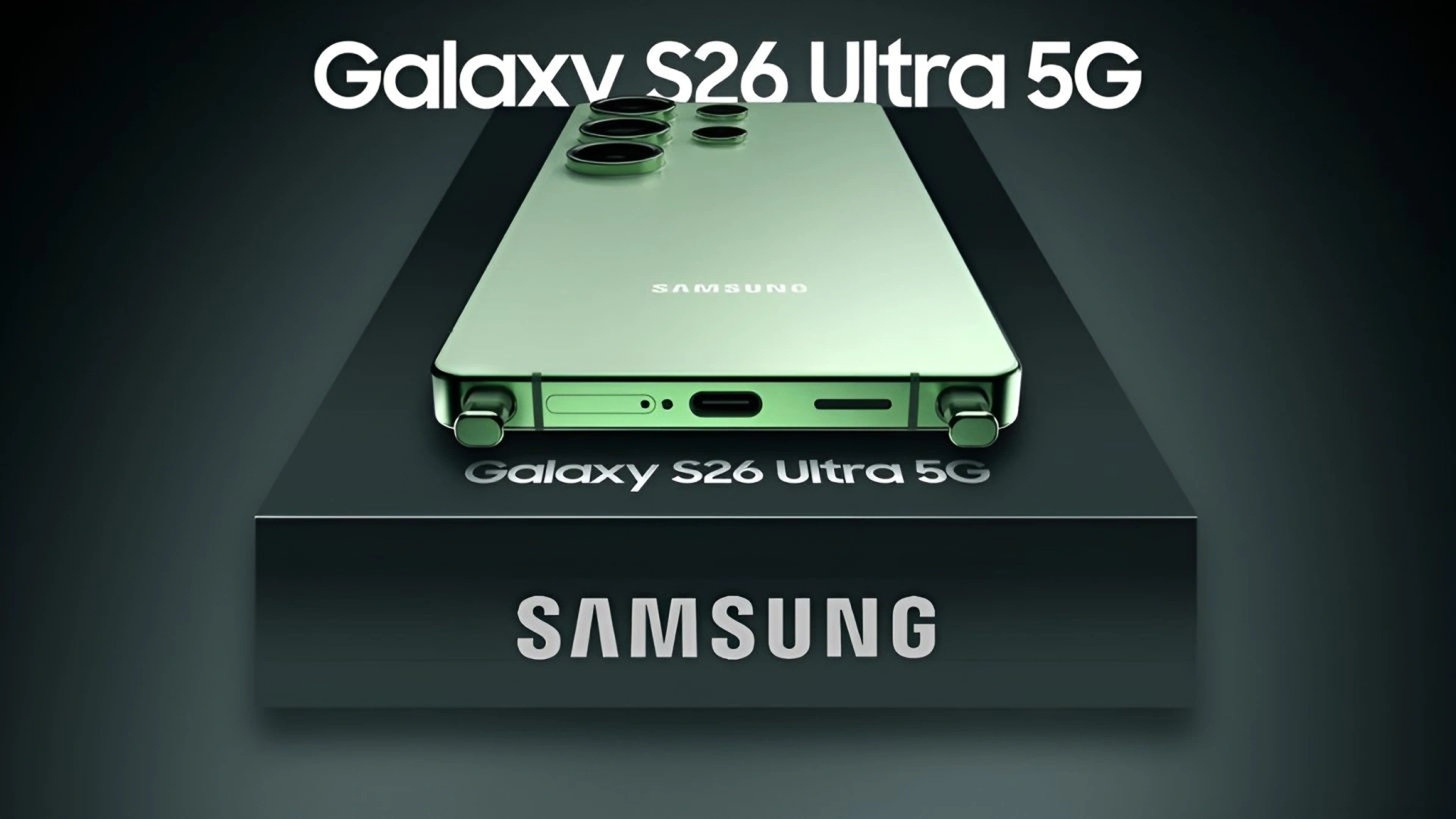
The approaching launch of Samsung Galaxy S26 series has intensified scrutiny around performance, particularly the long running rivalry between Qualcomm Snapdragon and Samsung Exynos processors. Fresh benchmark data attributed to the Galaxy S26 Ultra suggests that Snapdragon continues to hold a measurable advantage, reinforcing established expectations just weeks before Samsung is expected to formally unveil its next flagship lineup. For consumers, developers and industry observers, these results offer early insight into how Samsung most powerful phone of the year may perform in real world use and what it signals for the future of mobile silicon.
As smartphones increasingly serve as primary computing devices, chipset performance has become a decisive factor in purchasing decisions. From gaming and photography to on device artificial intelligence and long term software support, processing power shapes everyday experiences. Against that backdrop, the latest benchmark leaks carry significance beyond raw numbers, touching on Samsung global hardware strategy and the broader competitive landscape in premium Android phones.
Launch timeline brings benchmark leaks into focus
The Samsung Galaxy S26 family is widely expected to debut next month, with a late February launch now seen as highly likely. As with previous Galaxy S cycles, the weeks leading up to the announcement have brought a steady stream of leaks, ranging from design details to internal specifications. Among these, early benchmark results tend to draw the most attention because they offer a quantifiable glimpse into performance improvements from one generation to the next.
According to information shared by well known Samsung leaker Ice Universe and cited by Phone Arena, Geekbench listings have surfaced that are attributed to the Galaxy S26 Ultra. While Samsung has not confirmed these results, the appearance of benchmark data at this stage aligns with patterns seen in past launches, when pre release devices often surface in testing databases.
The focus of these results is the chipset powering the Galaxy S26 Ultra. As expected, the benchmarked model appears to be running Qualcomm latest flagship processor, the Snapdragon 8 Elite 5, which is anticipated to power Galaxy S26 Ultra units in key markets such as the United States.
Snapdragon 8 Elite 5 delivers expected generational gains
The alleged Geekbench scores point to a clear step forward compared with the Galaxy S25 Ultra. While specific numerical values are less important than relative positioning, the reported results indicate meaningful gains in both single core and multi core performance. This aligns with expectations for a new Snapdragon generation, particularly one positioned at the very top of Qualcomm mobile portfolio.
For users upgrading from earlier Galaxy models, these gains translate into smoother multitasking, faster application launches and improved sustained performance under heavy workloads. Modern flagship smartphones are increasingly tasked with demanding operations such as advanced image processing, high frame rate gaming and local machine learning inference. Incremental improvements in raw performance can therefore have a noticeable impact over the lifespan of the device.
Importantly, the benchmark results suggest that Samsung has not throttled performance in pursuit of thermal or battery efficiency, at least in early testing. The Galaxy S Ultra line has traditionally aimed to balance peak performance with stability, rather than chasing headline benchmark numbers alone. The S26 Ultra appears to continue that approach.
Comparison with OnePlus highlights different performance philosophies
While the Galaxy S26 Ultra shows strong performance gains, the leaked benchmarks indicate that it trails behind the OnePlus 15, another upcoming flagship that is expected to use the same Snapdragon 8 Elite 5 platform. This difference, however, is not unexpected and reflects contrasting design philosophies rather than a weakness in Samsung hardware.
OnePlus has built a reputation for aggressively tuning its devices to extract maximum performance from Qualcomm chips. This often results in higher benchmark scores, sometimes at the cost of increased power consumption or thermal output under sustained load. Samsung, by contrast, typically prioritises consistency, longevity and broad feature integration across hardware and software.
As a result, benchmark gaps between Samsung and OnePlus devices have been a recurring theme in recent years. The fact that the Galaxy S26 Ultra remains close to its Chinese competitor in performance terms suggests that Samsung is still delivering top tier capability, even if it does not lead the charts outright.
For most users, these differences are unlikely to be perceptible in daily use. Both devices sit firmly in the ultra premium segment and offer performance well beyond what current mobile applications require.
Exynos hopes challenged by renewed Snapdragon lead
Perhaps the most significant implication of the leaked benchmarks lies in the ongoing Snapdragon versus Exynos debate. For years, Samsung has pursued a dual chipset strategy, using its own Exynos processors in some regions while relying on Qualcomm Snapdragon chips in others. This approach has often drawn criticism, particularly when Exynos variants lagged behind their Snapdragon counterparts in performance or efficiency.
Recent leaks surrounding the Exynos 2600 had raised hopes that Samsung in house silicon might finally overtake Qualcomm at the flagship level. Early benchmark reports suggested competitive scores, fuelling speculation that the Galaxy S26 generation could mark a turning point.
However, the appearance of Snapdragon 8 Elite 5 benchmarks for the Galaxy S26 Ultra appears to dampen those expectations. The new Snapdragon chip reportedly opens a wider performance gap, making it unlikely that Exynos will surpass Qualcomm this year.
This does not mean Exynos development has stalled. On the contrary, the narrowing gap indicates steady progress. Yet for the current generation, Snapdragon remains the performance leader, reinforcing Samsung reliance on Qualcomm for its most demanding flagship models.
What the benchmark data does and does not tell us
It is important to place early benchmark results in proper context. Geekbench scores provide a useful snapshot of CPU performance, but they do not capture the full picture of a smartphone capabilities. Factors such as graphics performance, sustained thermal behaviour, battery efficiency and software optimisation play equally important roles in real world usage.
Moreover, pre release benchmark listings can be influenced by early firmware, unfinished optimisation and testing conditions that differ from final retail units. While the consistency of the reported results lends them credibility, definitive conclusions will only be possible once the Galaxy S26 Ultra is officially launched and independently reviewed.
That said, the benchmarks do offer a reliable indication of relative positioning. They confirm that Samsung next flagship will sit comfortably among the fastest Android phones available and that Qualcomm remains ahead in the high end chipset race for 2026.
Broader implications for Samsung flagship strategy
The continued reliance on Snapdragon for the Galaxy S Ultra series underscores Samsung pragmatic approach to its flagship strategy. While Exynos remains a key part of Samsung semiconductor ambitions, the company appears unwilling to compromise on peak performance in its most visible products.
This strategy also reflects the expectations of the premium smartphone market. Buyers in this segment demand best in class performance, particularly at the price points commanded by devices like the Galaxy S26 Ultra. By choosing the Snapdragon 8 Elite 5 for key markets, Samsung ensures that its flagship can compete directly with rivals from OnePlus and other Android manufacturers.
At the same time, the gradual improvement of Exynos suggests that Samsung is playing a longer game. Closing the performance gap year by year lays the groundwork for a future generation where in house silicon could take the lead, potentially offering tighter integration with Samsung hardware and software ecosystems.
Limited surprises expected beyond performance
Beyond chipset performance, much of the Galaxy S26 story is already known. Leaks and reports have painted a detailed picture of the upcoming lineup, leaving relatively little room for major surprises at launch. Design refinements, camera upgrades and software features are expected to follow an evolutionary path rather than introduce radical changes.
One feature that could have stood out as a headline addition was the so called Privacy Display, which has already surfaced through leaks. This further reinforces the sense that Samsung has few secrets left to reveal ahead of the official announcement.
As a result, performance remains one of the most closely watched aspects of the Galaxy S26 Ultra. In that context, the leaked Snapdragon benchmarks serve to reassure prospective buyers that Samsung next flagship will deliver the speed and responsiveness expected at the very top of the market.
Looking ahead to the chipset race beyond 2026
While Snapdragon appears set to retain its lead this year, the competitive dynamics between Qualcomm and Samsung are far from static. The progress shown by Exynos 2600 suggests that Samsung internal silicon efforts are gaining momentum, even if they have not yet reached parity with Snapdragon at the absolute high end.
Industry observers will be watching closely to see how this rivalry evolves into 2027 and beyond. Advances in manufacturing processes, architectural design and artificial intelligence acceleration could all shift the balance in future generations.
For now, however, the Galaxy S26 Ultra benchmarks point to continuity rather than disruption. Snapdragon remains the performance benchmark, Exynos continues to improve and Samsung flagship phones maintain their position among the most powerful Android devices available.
What this means for buyers considering the Galaxy S26 Ultra
For consumers weighing an upgrade, the leaked benchmarks provide a clear takeaway. The Galaxy S26 Ultra is shaping up to deliver strong, class leading performance that comfortably exceeds that of its predecessor. While it may not top every benchmark chart, it remains firmly within the top tier of the Android ecosystem.
More importantly, Samsung balanced approach suggests that performance gains will be accompanied by stability, efficiency and long term reliability. Combined with Samsung track record for software support and ecosystem integration, this makes the Galaxy S26 Ultra a compelling option for users seeking a premium smartphone experience.
With the official launch now just weeks away, attention will soon shift from leaked benchmarks to confirmed specifications and hands on impressions. Until then, the early data reinforces a familiar narrative in the smartphone industry: Snapdragon continues to lead, Exynos continues to chase and Samsung continues to refine its flagship formula rather than reinvent it.

Edit Profile
Help improve @KR

Was this page helpful to you?
Contact Khogendra Rupini
Are you looking for an experienced developer to bring your website to life, tackle technical challenges, fix bugs, or enhance functionality? Look no further.
I specialize in building professional, high-performing, and user-friendly websites designed to meet your unique needs. Whether it’s creating custom JavaScript components, solving complex JS problems, or designing responsive layouts that look stunning on both small screens and desktops, I can collaborate with you.
Create something exceptional with us. Contact us today
Open for Collaboration
If you're looking to collaborate, I’m available for a variety of professional services, including -
- Website Design & Development
- Advertisement & Promotion Setup
- Hosting Configuration & Deployment
- Front-end & Back-end Code Implementation
- Code Testing & Optimization
- Cybersecurity Solutions & Threat Prevention
- Website Scanning & Malware Removal
- Hacked Website Recovery
- PHP & MySQL Development
- Python Programming
- Web Content Writing
- Protection Against Hacking Attempts