iPhone 18 vs iPhone 17: What Apple May Change Next Across Camera, Performance and Software
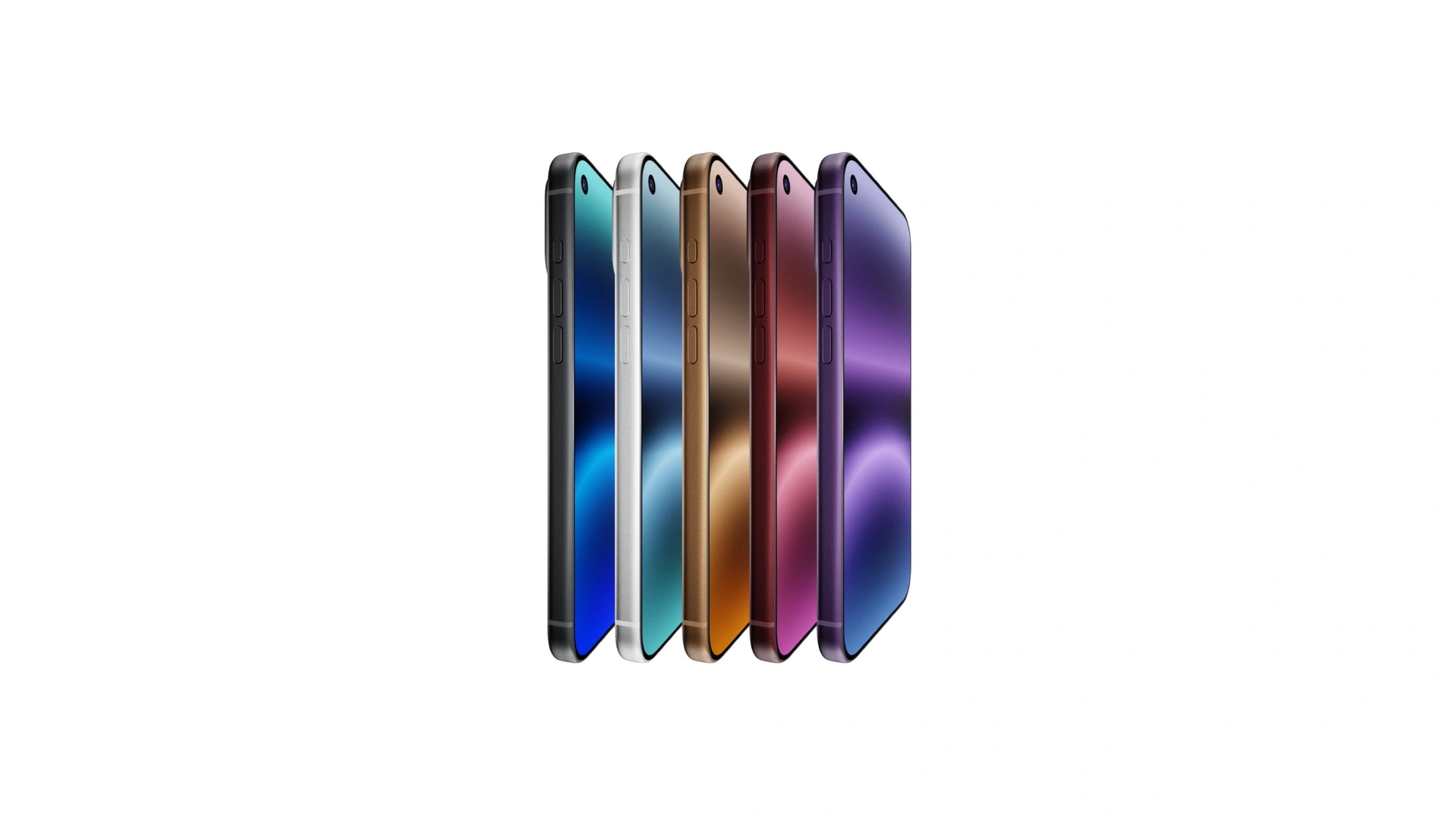
Apple’s annual iPhone cycle often shapes expectations across the global smartphone market, and early attention is now turning toward what could come next. While the iPhone 17 has only recently settled into the hands of consumers, reports surrounding the iPhone 18 suggest Apple may be preparing a measured but meaningful evolution of its flagship device. From possible changes in launch timing to upgrades in performance, cameras, battery life and software intelligence, the next generation could reflect Apple’s broader strategy of gradual refinement rather than dramatic redesign.
For readers, the discussion around iPhone 18 versus iPhone 17 matters because it offers insight into where Apple may be heading next. Many users keep their devices for several years, and understanding the direction of future upgrades helps inform upgrade decisions. The potential changes also highlight how Apple balances innovation with stability as smartphones mature into everyday tools rather than novelty devices.
A look back at the iPhone 17 experience
The iPhone 17 quickly gained traction after launch due to the scale of improvements it introduced compared to earlier models. Apple focused on smoother overall performance, dependable camera quality and battery life that comfortably supported daily use. For many users, the device struck a balance between power and reliability, reinforcing Apple’s reputation for consistency.
Its popularity has also raised expectations for what comes next. When a generation performs well across core areas such as speed, photography and endurance, the next model is expected to refine those strengths rather than reinvent them. This context is important when assessing what the iPhone 18 may bring, as Apple appears to be building on a stable foundation rather than responding to shortcomings.
Possible shift in Apple’s launch strategy
One of the most notable points emerging from early coverage is the suggestion that Apple may adjust its traditional launch schedule. Historically, new iPhones debut in September, with the entire lineup arriving at the same time. For the iPhone 18 cycle, this pattern may change.
Reports indicate Apple could introduce only the Pro models in 2026, while delaying the standard iPhone 18 until early 2027. If accurate, this would mark a significant shift in how Apple staggers its releases. Such a move could allow the company to manage supply chains more effectively and maintain interest over a longer period.
For consumers, a delayed launch would affect upgrade timelines. Buyers who typically choose non Pro models may need to wait longer, while early adopters could be nudged toward higher end versions. Even without confirmed dates, the possibility of a staggered release signals Apple’s willingness to rethink long standing strategies as its product portfolio grows more complex.
Performance gains expected with a new processor
At the heart of any iPhone upgrade is the processor, and the iPhone 18 is expected to debut with a new A20 Bionic chip. While Apple has not confirmed details, the emphasis appears to be on improved speed and efficiency rather than radical architectural change.
For everyday users, a faster processor translates into quicker app launches, smoother multitasking and better handling of demanding applications such as games and creative tools. Efficiency improvements also play a crucial role in extending battery life and ensuring the device remains responsive as software updates become more advanced over time.
In comparison, the iPhone 17 already delivers reliable performance, but the anticipated A20 chip would be designed to support future versions of iOS more comfortably. This approach aligns with Apple’s focus on long term software support, ensuring that devices remain usable and secure for several years after purchase.
Front camera upgrades take priority
Camera improvements continue to be a major focus in Apple’s iPhone roadmap, and the iPhone 18 may bring its most noticeable change to the front camera. Reports suggest Apple is considering a 24 megapixel selfie camera, a step up from previous generations.
A higher resolution front camera could offer sharper selfies, improved video call clarity and better results for social media content. As front facing cameras have become central to daily communication, especially for video calls and content creation, this upgrade reflects changing user priorities.
The rear camera system is not expected to undergo dramatic hardware changes based on current information. Instead, Apple may rely on software optimisation to improve image processing and overall photography quality. This approach has been a hallmark of Apple’s camera strategy, where computational photography often delivers visible gains without major hardware redesigns.
Incremental design refinements rather than a radical overhaul
Design changes are often the most visible aspect of a new iPhone, yet the iPhone 18 is expected to retain a familiar look. Apple appears to be focusing on refinement rather than reinvention, maintaining a design language that users already recognize.
While major structural changes are not anticipated, subtle adjustments could improve durability, ergonomics or overall finish. Such refinements may not attract attention at first glance, but they often contribute to a better long term ownership experience.
This restrained approach mirrors Apple’s recent design philosophy, where consistency across generations reinforces brand identity and reduces the learning curve for users upgrading from older models.
New colour options to refresh the lineup
Even when the physical design remains similar, Apple often uses colour options to distinguish a new generation. The iPhone 18 may introduce new colour finishes to give the device a refreshed appearance.
New colours allow Apple to generate renewed interest without altering the core design. For consumers, colour choice has become an important part of personalization, especially as phones are increasingly seen as lifestyle accessories as well as tools.
While colours do not affect performance or functionality, they play a role in how a new device is perceived and marketed, particularly in a mature smartphone market where incremental updates are the norm.
Battery life remains a key focus
Battery performance continues to be one of the most important factors for smartphone users, and the iPhone 18 is expected to make modest gains in this area. Reports suggest a slightly larger battery compared to the iPhone 17, paired with the efficiency improvements of the new processor.
Together, these changes could result in longer usage on a single charge, especially during everyday tasks such as browsing, messaging and media consumption. Rather than promising dramatic leaps, Apple appears focused on steady improvements that enhance reliability.
For users who rely on their phones throughout the day, even incremental battery gains can have a meaningful impact. Extended battery life also supports Apple’s emphasis on longevity, ensuring the device remains practical as it ages.
Software evolution with iOS 27
The iPhone 18 is expected to launch alongside iOS 27, bringing the next stage of Apple’s software evolution. While sweeping interface changes have not been indicated, the focus appears to be on incremental improvements, security enhancements and system stability.
Apple’s software updates often introduce features that gradually reshape how users interact with their devices. For the iPhone 18, iOS 27 is expected to complement the new hardware by optimizing performance and extending usability.
This tight integration between hardware and software remains one of Apple’s defining strengths, allowing the company to deliver a cohesive experience that feels polished rather than experimental.
Siri and artificial intelligence enhancements
Artificial intelligence is becoming increasingly central to smartphone experiences, and Siri is expected to benefit from further refinement on the iPhone 18. With advances in AI integration, voice commands may become more responsive and context aware.
Rather than positioning Siri as a dramatic reinvention, Apple appears to be enhancing its usefulness in everyday scenarios. Improved understanding of natural language and more accurate responses could make voice interactions more practical for tasks such as reminders, searches and device control.
These changes align with Apple’s broader approach to AI, which emphasizes privacy and on device processing alongside improved functionality.
Comparing the overall experience
When viewed as a whole, the iPhone 18 appears to represent a continuation of Apple’s incremental upgrade strategy. Compared to the iPhone 17, the changes are expected to be evolutionary rather than transformative, focusing on performance efficiency, camera quality and software intelligence.
For users coming from older models, these refinements could feel significant, especially in areas such as front camera quality and battery life. For iPhone 17 owners, the differences may be more subtle, reinforcing the idea that Apple designs its devices to remain relevant for several years.
This approach reflects a mature product category where dramatic leaps are less frequent, and long term reliability has become a key selling point.
Why Apple’s steady approach matters
Apple’s focus on gradual improvement underscores a broader shift in the smartphone industry. As hardware innovation slows, companies are prioritizing user experience, ecosystem integration and longevity over flashy specifications.
For consumers, this means fewer reasons to upgrade every year, but greater confidence that a new device will remain capable well into the future. The iPhone 18, based on current information, fits squarely within this philosophy.
By refining performance, enhancing cameras and improving software intelligence, Apple appears to be reinforcing its core strengths rather than chasing novelty.
What users should keep in mind
It is important to note that all details surrounding the iPhone 18 are based on early reports and expectations rather than official announcements. Apple has not confirmed specifications, design changes or launch timelines.
For prospective buyers, the comparison between iPhone 18 and iPhone 17 should be viewed as a snapshot of possible directions rather than a definitive roadmap. Those considering an upgrade may want to weigh their current needs against the likelihood of incremental improvements.
As Apple moves closer to its next launch cycle, clearer information will emerge, providing a more concrete basis for comparison.
A measured step forward
In summary, the iPhone 18 is shaping up to be a thoughtful evolution of the iPhone 17 rather than a dramatic departure. Expected improvements in processing power, front camera quality, battery efficiency and software intelligence point to a device designed for consistency and longevity.
Apple’s potential shift in launch timing, if realized, would be one of the more significant changes surrounding the next generation. Beyond that, the company appears committed to refining what already works, delivering a polished experience that aligns with user expectations.
For readers tracking Apple’s next move, the iPhone 18 versus iPhone 17 discussion highlights how the world’s most influential smartphone maker continues to balance innovation with stability in an increasingly mature market.

Edit Profile
Help improve @KR

Was this page helpful to you?
Contact Khogendra Rupini
Are you looking for an experienced developer to bring your website to life, tackle technical challenges, fix bugs, or enhance functionality? Look no further.
I specialize in building professional, high-performing, and user-friendly websites designed to meet your unique needs. Whether it’s creating custom JavaScript components, solving complex JS problems, or designing responsive layouts that look stunning on both small screens and desktops, I can collaborate with you.
Create something exceptional with us. Contact us today
Open for Collaboration
If you're looking to collaborate, I’m available for a variety of professional services, including -
- Website Design & Development
- Advertisement & Promotion Setup
- Hosting Configuration & Deployment
- Front-end & Back-end Code Implementation
- Code Testing & Optimization
- Cybersecurity Solutions & Threat Prevention
- Website Scanning & Malware Removal
- Hacked Website Recovery
- PHP & MySQL Development
- Python Programming
- Web Content Writing
- Protection Against Hacking Attempts