Apple iPhone 18 Pro Series May Introduce Under Screen Face ID as Major Design Shift in 2026 Lineup
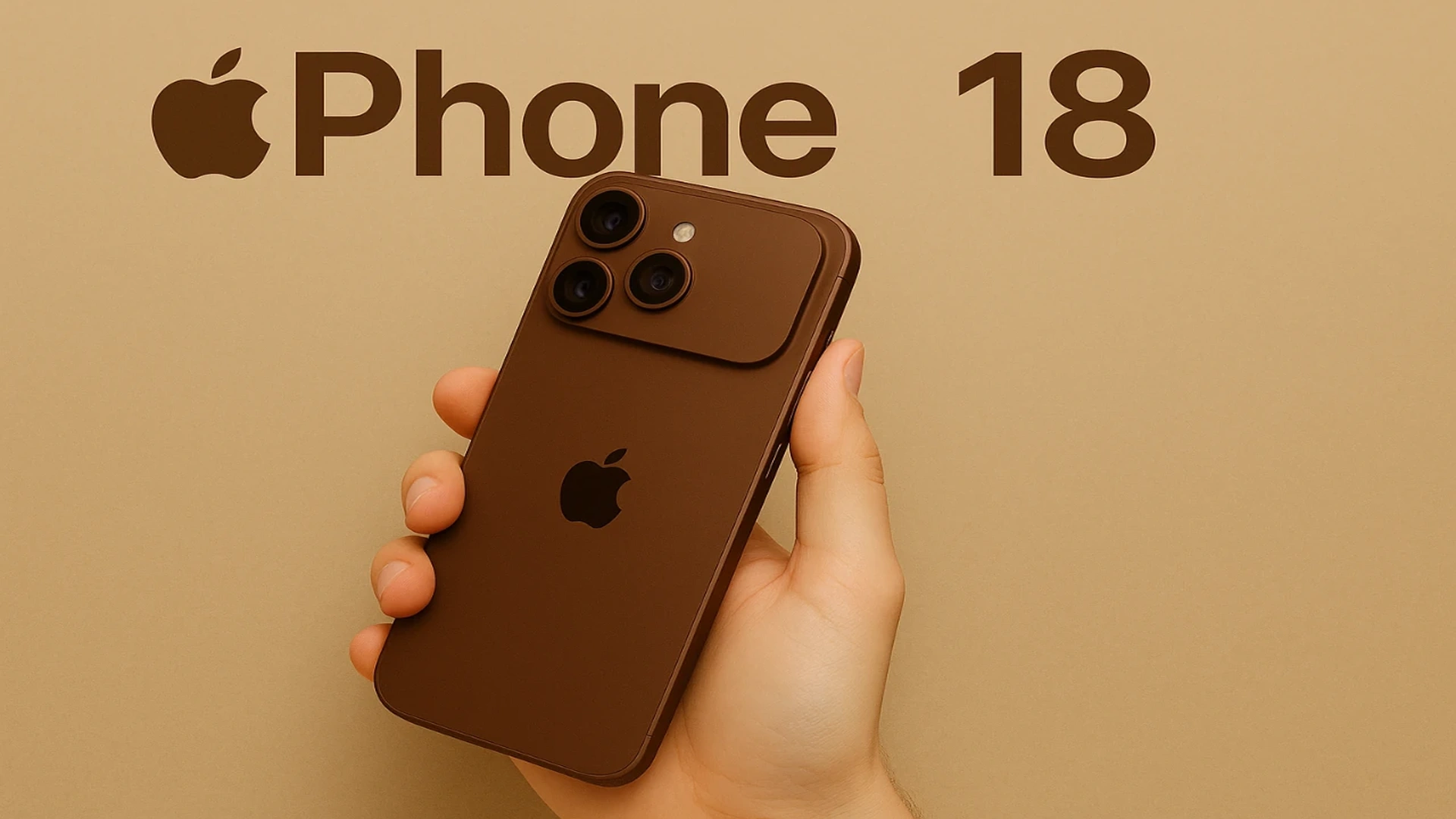
Apple’s next generation iPhone Pro models could mark one of the company’s most significant front design changes in years. Fresh leaks suggest that the iPhone 18 Pro and iPhone 18 Pro Max may adopt under screen Face ID technology, potentially removing the familiar pill shaped cutout that has defined recent iPhones. If accurate, this move would represent a notable evolution in Apple’s approach to display design, biometric security integration, and user experience.
For consumers and industry watchers alike, the development signals Apple’s continued push toward cleaner, more immersive smartphone displays without sacrificing security or performance.
Redesigned Front Layout and Hardware Upgrades
According to information shared by Chinese tipster Digital Chat Station and supported by an earlier report from The Information, Apple is exploring a redesigned front layout for its 2026 flagship Pro models. Alongside biometric changes, the leak also provides insight into display sizes, launch timing adjustments, and major hardware upgrades including a new A20 Pro processor and Apple’s in house modem technology.
Together, these developments point to a strategic refresh of the Pro lineup aimed at advancing both design and efficiency.
Under Screen Face ID Could Redefine the iPhone Display Experience
The most notable claim from the leak is the potential introduction of under screen Face ID on the iPhone 18 Pro and iPhone 18 Pro Max. This would allow Apple to place Face ID sensors beneath the display panel rather than within a visible cutout. Such a change would bring Apple closer to a full screen front design that many users and manufacturers have long pursued.
The shift is significant because Face ID relies on a complex array of sensors including infrared cameras and dot projectors. Integrating these components beneath the display presents technical challenges related to accuracy, reliability, and light transmission. If Apple successfully implements this technology, it would demonstrate progress in display engineering and sensor integration while maintaining the company’s high standards for biometric security.
The report aligns with earlier information from The Information, which also suggested that Apple plans to bring under screen Face ID to its Pro models. This consistency across multiple sources adds weight to the claim, although Apple has not officially confirmed any of these details.
Front Camera Placement May Change the Familiar Look
Alongside the under screen Face ID system, the leak indicates that Apple may move the front facing camera to the top left corner of the display. This adjustment would further reduce the need for the current pill shaped cutout used in recent iPhone generations.
If implemented, the change would eliminate the combined camera and sensor housing that has been associated with Dynamic Island. It remains unclear whether Apple will retain Dynamic Island functionality in a new form or introduce an alternative interface solution. The absence of the pill shaped cutout would visually differentiate the iPhone 18 Pro series from previous models and could provide more uninterrupted screen space for content consumption, gaming, and productivity.
The potential redesign also reflects a broader industry trend toward minimizing display interruptions. Several manufacturers have experimented with under display cameras and hidden sensors, although achieving consistent quality has remained challenging. Apple’s entry into this space could accelerate adoption and refinement across the smartphone market.
Display Sizes Expected to Remain Consistent With Current Pro Models
According to Digital Chat Station, the iPhone 18 Pro and iPhone 18 Pro Max are expected to retain the same display sizes as their predecessors. The iPhone 18 Pro is said to feature a 6.3 inch display, while the Pro Max variant is expected to maintain a 6.9 inch panel.
Keeping the same screen dimensions suggests that Apple is focusing on internal upgrades and front design changes rather than altering the overall form factor. This approach allows the company to refine user experience while maintaining compatibility with accessories and cases designed around existing dimensions.
The leak also mentions expected display sizes for the standard iPhone 18 and the next generation iPhone Air model. While detailed measurements were not fully outlined, the information confirms that Apple is planning a broader lineup refresh that includes both premium and thin form factor devices.
Potential Shift in Apple’s Traditional Launch Timeline
Apple typically unveils new iPhone models during its September fall event. However, reports suggest that this pattern could change in 2026. While the iPhone 18 Pro and iPhone 18 Pro Max are still expected to launch around the usual September timeframe, the standard iPhone 18 may follow a different schedule.
According to the available information, Apple may skip unveiling the standard iPhone 18 at the fall event and instead introduce it in March of the following year. This launch could coincide with the debut of the iPhone Air 2, which is expected to succeed the thin form factor iPhone Air model.
Such a staggered release strategy would allow Apple to spread attention across multiple product launches and maintain steady market momentum throughout the year. It would also give the Pro models a clearer spotlight during the traditional launch window, reinforcing their premium positioning.
A20 Pro Chip Expected to Bring Major Performance and Efficiency Gains
Another major highlight of the leak is the expected introduction of Apple’s A20 Pro processor in the iPhone 18 Pro Max. The chip is reported to be Apple’s first to use a 2 nanometer manufacturing process, marking a significant advancement in semiconductor technology.
Smaller process nodes typically allow for higher transistor density, improved performance, and greater energy efficiency. If the A20 Pro delivers on these expectations, users could see faster app performance, improved multitasking, and enhanced graphics capabilities, along with reduced power consumption.
The report also states that the A20 Pro will use Wafer Level Multi Chip Module packaging. This advanced packaging approach enables tighter integration of components, resulting in a more compact design and improved thermal efficiency. Together, these improvements could contribute to smoother overall performance and longer battery life.
Apple’s In House Modem May Debut in Pro Models
In addition to the new processor, Apple is reportedly preparing to introduce its own modem technology in the Pro lineup for the first time. This move would mark a shift away from reliance on third party modem suppliers and give Apple greater control over connectivity performance and power efficiency.
The integration of Apple’s in house modem is expected to enhance battery life, particularly when combined with the efficiency gains of the A20 Pro chip. Improved modem optimization could also lead to better signal stability, faster data speeds, and more consistent network performance across different regions.
Apple has been working on modem development for several years, and the inclusion of this technology in flagship devices would represent a major milestone in the company’s efforts to vertically integrate its hardware ecosystem.
What These Changes Mean for Users and the Smartphone Market
If the reported upgrades come to fruition, the iPhone 18 Pro and iPhone 18 Pro Max could offer one of the most noticeable generational shifts in recent iPhone history. The move to under screen Face ID and a relocated front camera would modernize the device’s appearance and enhance screen immersion. At the same time, hardware improvements such as the A20 Pro chip and Apple’s modem technology could deliver tangible benefits in speed, efficiency, and battery performance.
For consumers, these changes could translate into a more refined daily user experience, particularly for activities such as streaming, gaming, photography, and productivity tasks. For Apple, the upgrades reinforce its long term strategy of combining hardware innovation with tight software and ecosystem integration.
From an industry perspective, Apple’s adoption of under screen biometric technology could influence competitors and encourage further investment in display integrated sensors. As one of the most influential smartphone brands globally, Apple’s design decisions often shape broader market trends.
Uncertainties and What Remains to Be Confirmed
Despite the consistency between multiple reports, several aspects of the iPhone 18 Pro series remain unconfirmed. It is not yet clear how Apple will handle Dynamic Island functionality if the pill shaped cutout is removed. The company may choose to redesign the interface, introduce a new interaction model, or integrate similar features into software without relying on a visible hardware element.
Additionally, while the A20 Pro chip and in house modem are expected to offer major benefits, real world performance and efficiency gains can only be verified after official announcements and independent testing.
Apple has not made any public statements regarding these rumored changes, and final specifications could evolve as the product development process continues.
Looking Ahead to Apple’s 2026 Flagship Strategy
The rumored iPhone 18 Pro and iPhone 18 Pro Max highlight Apple’s broader focus on refining both form and function. By addressing display design, processing power, and connectivity in a single generation, Apple appears to be preparing a comprehensive upgrade that goes beyond incremental improvements.
If the company follows through with a revised launch strategy and staggered product releases, it could also signal a shift in how Apple manages its annual hardware cycle. This approach may allow for more targeted marketing, extended product lifecycles, and better alignment with global supply chain conditions.
As anticipation builds, the coming months are likely to bring additional details from supply chain sources and industry analysts. Until then, the current information provides a glimpse into what could be one of Apple’s most ambitious iPhone updates in recent years.
For users considering future upgrades, the potential arrival of under screen Face ID, advanced chip technology, and improved battery efficiency makes the iPhone 18 Pro lineup a development worth watching closely.

Edit Profile
Help improve @KR

Was this page helpful to you?
Contact Khogendra Rupini
Are you looking for an experienced developer to bring your website to life, tackle technical challenges, fix bugs, or enhance functionality? Look no further.
I specialize in building professional, high-performing, and user-friendly websites designed to meet your unique needs. Whether it’s creating custom JavaScript components, solving complex JS problems, or designing responsive layouts that look stunning on both small screens and desktops, I can collaborate with you.
Create something exceptional with us. Contact us today
Open for Collaboration
If you're looking to collaborate, I’m available for a variety of professional services, including -
- Website Design & Development
- Advertisement & Promotion Setup
- Hosting Configuration & Deployment
- Front-end & Back-end Code Implementation
- Code Testing & Optimization
- Cybersecurity Solutions & Threat Prevention
- Website Scanning & Malware Removal
- Hacked Website Recovery
- PHP & MySQL Development
- Python Programming
- Web Content Writing
- Protection Against Hacking Attempts