Is Netflix Cop Thriller The Rip Inspired by Real Events
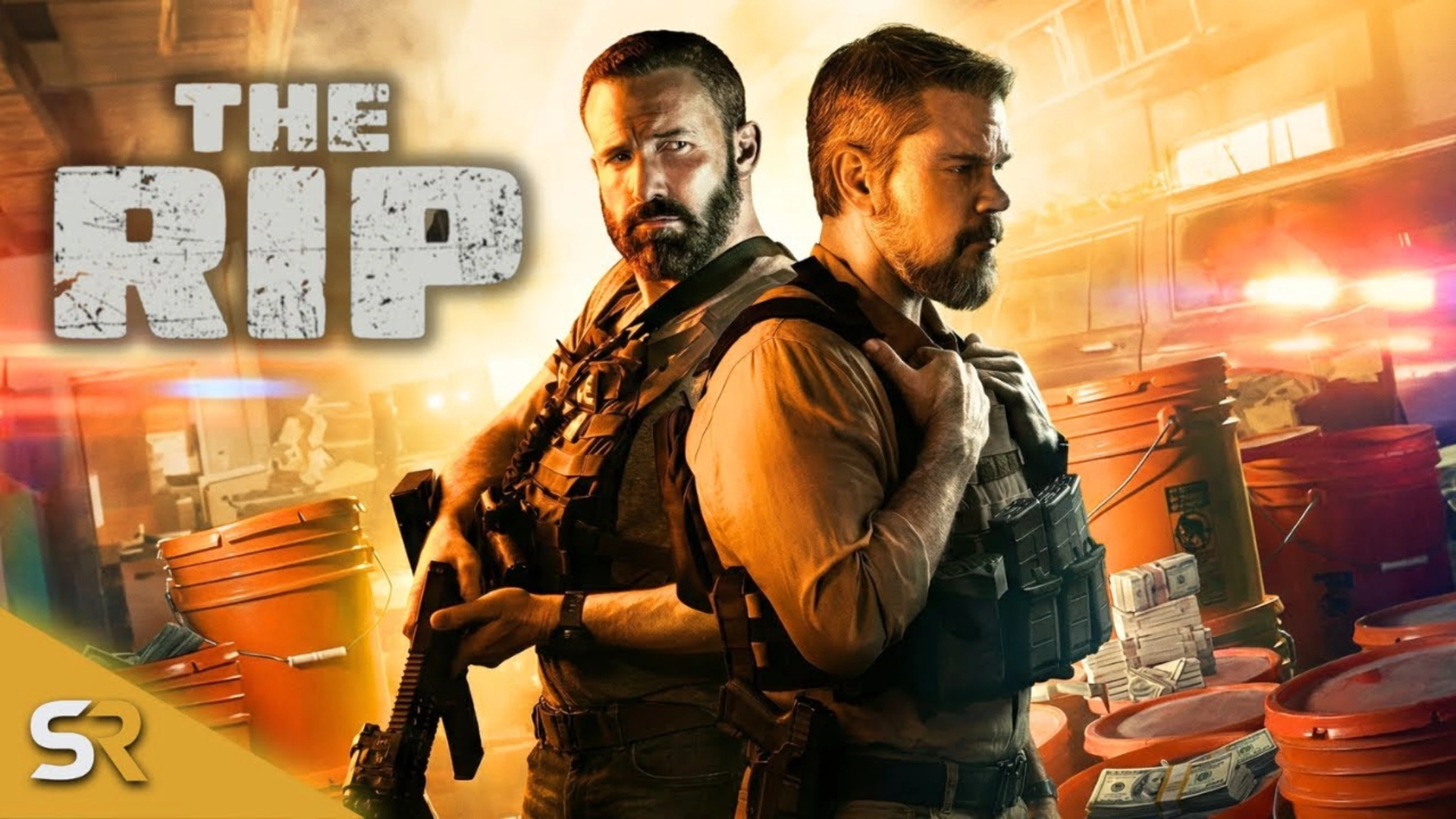
Netflix latest cop thriller The Rip has quickly drawn attention for more than its star power. Starring Ben Affleck and Matt Damon, the film opens with a striking claim that it is inspired by true events. For viewers accustomed to crime dramas that blur fact and fiction, the question is immediate and serious. How much of what unfolds on screen reflects reality and could an American police force genuinely face corruption on this scale.
This matters because The Rip arrives at a moment of renewed public interest in police accountability and transparency. True crime inspired stories shape how audiences understand law enforcement, trust institutions, and assess the moral pressures faced by officers working in high risk environments. When a major streaming release asserts real world roots, audiences rightly expect clarity about what is factual, what is adapted, and why the story exists at all.
What emerges from careful examination is a film grounded in lived experience but shaped deliberately by cinematic tradition. The Rip is not a documentary and it does not claim to be one. Instead it draws from a specific and extraordinary law enforcement case, filtered through the creative lens of its writer and director.
The True Story Claim Explained
From its opening moments, The Rip states that it is inspired by true events rather than directly based on them. This distinction is essential. Inspired by signals that the film draws from real incidents and personal experiences but does not attempt to recreate them scene by scene or character by character.
The story centers on a tactical narcotics team that uncovers an enormous cache of illicit cash hidden inside a residential property. The discovery triggers suspicion, internal scrutiny, and the fear that everyone present may be under watch from unseen forces. Conversations among the officers touch on rumors of stash house raids allegedly involving corrupt cops or federal agents and money that vanishes without explanation.
These elements are not fictional inventions pulled from thin air. They reflect long standing concerns within law enforcement about oversight, temptation, and the extreme pressure that accompanies high value seizures. The film heightens these tensions for dramatic effect but the foundation rests on an actual operation that deeply affected those involved.
Joe Carnahan and the Origin of the Film
The Rip was written and directed by Joe Carnahan, a filmmaker known for character driven crime stories and action dramas. Speaking to Netflix Tudum, Carnahan described the project as emerging from a deeply personal place.
According to Carnahan, the film was shaped by the real life experiences of a close friend who served both as a father and as the head of tactical narcotics for the Miami Dade police. Carnahan combined this firsthand account with his long standing admiration for classic cop thrillers from the nineteen seventies that prioritized character, moral ambiguity, and interpersonal tension.
He has cited films such as Serpico and Prince of the City as creative touchstones, alongside the later influence of Heat. These films share a commitment to portraying law enforcement not as heroic abstractions but as flawed individuals navigating loyalty, ambition, and ethical compromise.
The Rip fits squarely within this lineage. Its realism does not come from precise factual reenactment but from emotional authenticity and procedural detail rooted in lived experience.
Christopher Casiano and the Real Case
At the heart of The Rip lies the experience of Christopher Casiano, a veteran officer with the Miami Dade Police Department and a longtime friend of Carnahan. Casiano served as a consultant on the film and appears briefly in a cameo role.
According to Casiano own account, the story draws from a raid in which officers discovered a massive quantity of cash concealed inside the walls of a private residence. Photographs from the scene showed containers embedded in the structure itself, requiring officers to physically break into the walls to access the money.
What followed was not only physically exhausting but psychologically intense. Standard procedure required the cash to be counted on site and then counted again to ensure accuracy and accountability. In reality, Casiano has said that the counting process took forty two hours to complete.
This extended operation created an atmosphere of extreme tension. Officers were isolated with millions of dollars in cash, aware that surveillance cameras were present throughout the property and uncertain who might be watching or why. The sense of vulnerability and mistrust depicted in the film reflects this lived reality.
Accountability Under Extraordinary Pressure
Casiano mini biography on IMDb provides further insight into why this case became so significant. He describes the operation as one of the most consequential criminal investigations in Miami history, not solely because of the amount of money seized but because of the questions it raised.
A massive cash seizure of this nature triggers intense internal scrutiny. Every action must be documented, every decision justified, and every individual held accountable. The pressure is not only external but internal as officers confront the moral boundaries of their profession under unprecedented circumstances.
Casiano writes that the event forced those involved to confront issues of accountability, loyalty, and ethical responsibility. These themes form the backbone of The Rip narrative. The film explores how trust can fracture even among close colleagues when the stakes are extraordinarily high.
By grounding its drama in these realities, the film avoids portraying corruption as casual or commonplace. Instead it emphasizes how extreme situations test systems and individuals alike.
How Closely Does the Film Follow Reality
While The Rip draws heavily from Casiano experience, it remains a work of fiction. Characters, timelines, and specific outcomes are dramatized for narrative coherence and emotional impact. The dialogue about stash house hits and rumors of coordinated thefts reflects real anxieties within law enforcement but does not assert that such schemes are widespread or typical.
Carnahan has been clear that his goal was not to accuse institutions but to explore human behavior under pressure. The film compresses events and heightens conflict to sustain tension, a standard practice in narrative cinema.
Casiano involvement as a consultant helped ensure procedural accuracy. He was present throughout filming to advise on how large scale cash seizures are handled and how officers realistically respond to prolonged high stress operations. He also worked closely with Matt Damon to help shape the psychological complexity of his character.
This collaboration adds credibility without turning the film into a literal retelling.
The Emotional Core of the Story
Beyond its crime thriller framework, The Rip carries a deeply personal emotional thread centered on loss and grief. One of the film central characters, Lieutenant Dane Dumars, is haunted by the death of his son. This subplot provides emotional grounding and human depth that extends beyond the mechanics of the investigation.
This element of the story is inspired by a real tragedy. Casiano son Jake died of cancer in 2021 at the age of eleven. The loss profoundly affected Casiano and became an integral part of the film emotional architecture.
The dedication at the end of The Rip reads In loving memory of Jake William Casiano. For viewers aware of the story behind the film, this dedication underscores that the project is not merely an exercise in genre filmmaking but a tribute rooted in genuine grief and remembrance.
A Personal Loss Woven Into Fiction
Casiano has written openly about the impact of his son death, describing it as a profound personal loss that reshaped his life beyond his professional achievements. By incorporating this experience into the film through fictionalized characters, Carnahan aimed to honor that reality without exploiting it.
The result is a narrative that balances procedural tension with emotional authenticity. The grief depicted on screen is not sensationalized. Instead it serves as a reminder that the people behind badges and ranks carry personal histories that inevitably shape their decisions.
This approach aligns with the traditions of the classic cop films Carnahan admires, where character depth and moral complexity are as important as plot mechanics.
Longstanding Collaboration and Trust
Carnahan and Casiano friendship predates The Rip. The two previously worked together on Bad Boys for Life, which Carnahan co wrote and which starred Will Smith and Martin Lawrence.
That prior collaboration established a foundation of trust that allowed Casiano to share sensitive details of his experience with confidence that they would be handled responsibly. Carnahan has noted that he first heard the story in 2016, years before the film entered production.
At the time, Casiano described entering a home filled with surveillance cameras and discovering twenty four million dollars hidden within its walls. The immediate fear was not temptation but threat. Who was watching and what would happen next.
These details informed some of the film most suspenseful sequences, where uncertainty about external danger rivals internal suspicion.
Could This Really Happen
A central question for audiences is whether an American police force could realistically face the kind of moral and procedural crisis depicted in The Rip. The answer, according to the source material, is that extraordinary cases can create extraordinary challenges.
Large scale cash seizures do occur and they are governed by strict protocols designed to prevent misconduct. When those protocols are tested by unprecedented circumstances, the strain on individuals and systems becomes intense.
The Rip does not claim that corruption is routine or that law enforcement agencies are inherently compromised. Instead it examines how trust can erode when fear, fatigue, and uncertainty collide. This distinction is crucial to understanding the film intent.
Fiction Grounded in Experience
The Rip stands as a fictional narrative shaped by real experiences rather than a literal account of a specific case. Its authenticity comes from collaboration with those who lived through similar events and from a creative commitment to portraying complexity rather than caricature.
For viewers, the film offers insight into the psychological realities of high risk police work while remaining firmly within the boundaries of drama. Its true story inspiration is less about replicating facts and more about honoring the emotional truth of an experience that left a lasting mark on those involved.
As streaming audiences continue to seek stories that feel both gripping and grounded, The Rip exemplifies how real life can inform fiction without being consumed by it.

Edit Profile
Help improve @KR

Was this page helpful to you?
Contact Khogendra Rupini
Are you looking for an experienced developer to bring your website to life, tackle technical challenges, fix bugs, or enhance functionality? Look no further.
I specialize in building professional, high-performing, and user-friendly websites designed to meet your unique needs. Whether it’s creating custom JavaScript components, solving complex JS problems, or designing responsive layouts that look stunning on both small screens and desktops, I can collaborate with you.
Create something exceptional with us. Contact us today
Open for Collaboration
If you're looking to collaborate, I’m available for a variety of professional services, including -
- Website Design & Development
- Advertisement & Promotion Setup
- Hosting Configuration & Deployment
- Front-end & Back-end Code Implementation
- Code Testing & Optimization
- Cybersecurity Solutions & Threat Prevention
- Website Scanning & Malware Removal
- Hacked Website Recovery
- PHP & MySQL Development
- Python Programming
- Web Content Writing
- Protection Against Hacking Attempts