National Parks End Free Entry on MLK Day and Juneteenth as Federal Access Policy Shifts in 2026
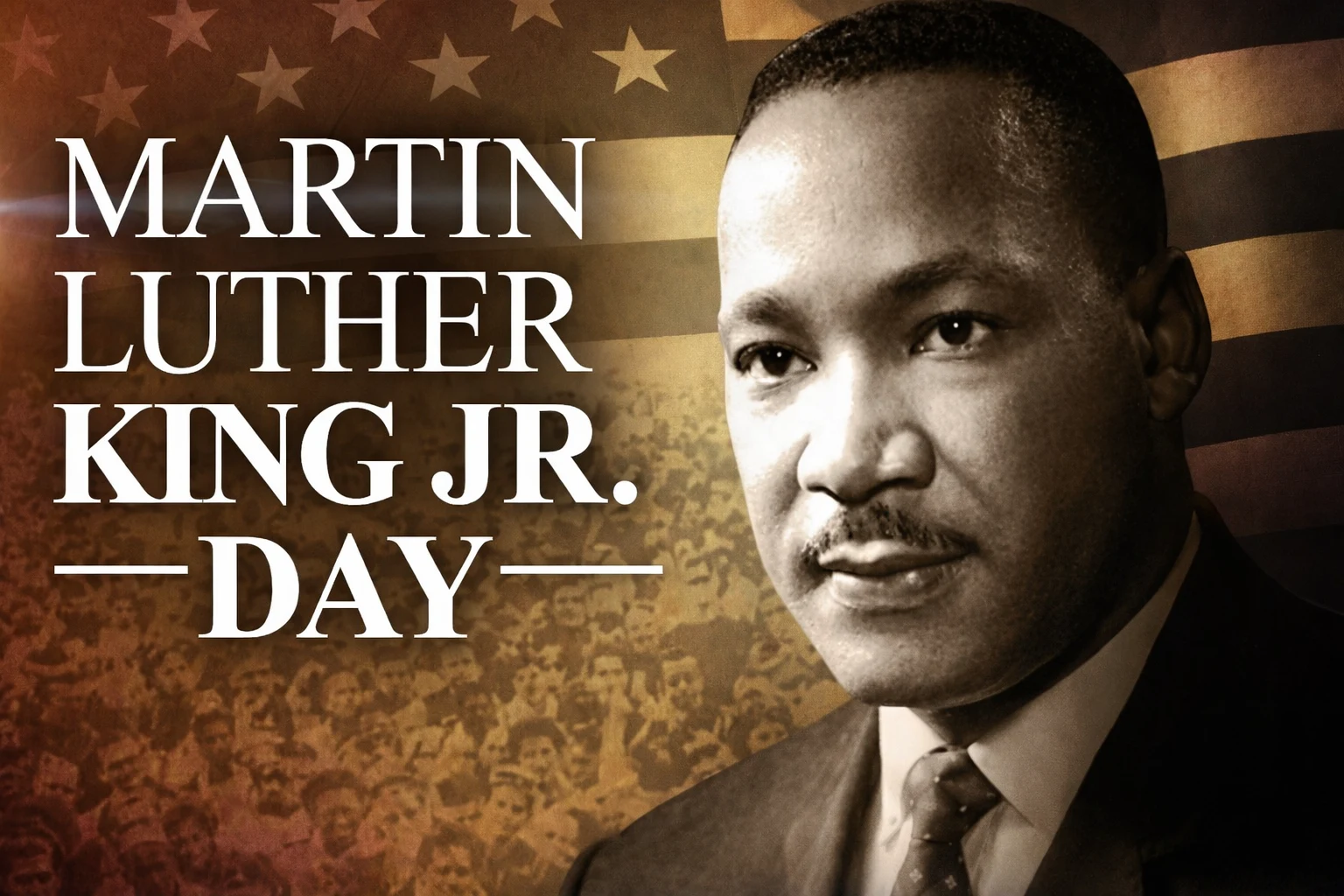
For more than a decade, Martin Luther King Jr. Day has held a unique place in the national park calendar. Observed as both a federal holiday and a national day of service, it traditionally offered visitors free entry to national parks across the United States. Beginning January 19, 2026, that long standing practice has ended. The National Park Service has removed Martin Luther King Jr. Day from its list of fee free access days, marking a significant change in how Americans can engage with public lands on one of the country’s most symbolically important holidays. Juneteenth has also been eliminated from the free entry calendar, even though it remains a federal holiday.
The shift matters to millions of visitors who rely on fee free days to experience national parks, particularly families, students and first time visitors. It also raises broader questions about public access, volunteer participation and the role of national parks in reflecting the nation’s shared history. While the agency has added new no cost entry dates, the removal of holidays closely tied to civil rights and public service represents a notable departure from recent precedent.
A Longstanding Tradition Comes to an End
Martin Luther King Jr. Day became a federal holiday in 1983 and is observed each year on the third Monday of January. In 2011, the National Park Service added the holiday to its annual list of fee free days, allowing visitors to enter parks without paying entrance fees. For fifteen consecutive years, the policy remained in place, making MLK Day one of the most consistent free access dates on the calendar.
That continuity ended in 2026. As of Monday, January 19, MLK Day is no longer designated as a fee free entrance day. The change applies across the national park system, including sites with direct historical connections to the civil rights movement and to Dr King himself, such as the Martin Luther King Jr Memorial in Washington, DC.
The decision also affects Juneteenth, which commemorates the end of slavery in the United States. Juneteenth was first designated as a fee free day in national parks in 2024, retained for 2025 and then removed entirely for 2026. Both holidays continue to be recognized as federal holidays, but neither now provides automatic free access to national parks.
The Role of MLK Day as a Day of Service
MLK Day has long been distinguished from other federal holidays by its emphasis on service. It is the only federal holiday formally designated as a national day of service, encouraging Americans to volunteer in their communities rather than simply taking the day off.
The National Park Service has historically played an active role in that effort. Many parks have hosted volunteer projects on MLK Day, ranging from trail maintenance and trash cleanup to habitat restoration and educational programs. The agency has previously highlighted these efforts as a way to honor Dr King’s legacy through collective action and stewardship.
In a 2018 statement, Michael T Reynolds, then deputy director of the National Park Service, described national parks as meaningful places to remember and honor Dr King, whether through service projects or visits to sites connected to his life and work. That framing positioned free park access as part of a broader commitment to inclusion, reflection and civic engagement.
With the removal of MLK Day as a fee free day, volunteers participating in service projects will now be required to pay standard entrance fees. Critics argue that this creates a barrier to participation and undermines the spirit of a holiday built around service and accessibility.
Juneteenth and Public Land Access
Juneteenth holds growing national significance as a commemoration of emancipation and the long struggle for freedom and equality. Its addition to the national park fee free calendar in 2024 was widely seen as a symbolic acknowledgment of that history and of the importance of making public lands accessible on days of national reflection.
The decision to drop Juneteenth from the free entry list after just two years has drawn concern from advocates who view national parks as key spaces for learning about the country’s complex past. Like MLK Day, Juneteenth remains a federal holiday, but visitors will now be required to pay entrance fees to access parks on June 19.
Advocates note that national parks include numerous sites connected to African American history, from historic battlefields to cultural landmarks. Limiting free access on Juneteenth, they argue, reduces opportunities for education and engagement on a day specifically dedicated to understanding that history.
New Fee Free Days Added for 2026
While MLK Day and Juneteenth have been removed, the National Park Service has added several new fee free dates beginning in 2026. According to the agency, visitors will be able to enter national parks without paying entrance fees on Presidents Day, Memorial Day, Constitution Day and the birthday of Theodore Roosevelt.
The agency has also expanded free access around Independence Day, designating a multi day fee free period surrounding the Fourth of July. In addition, August 25 has been added to commemorate the one hundred tenth anniversary of the National Park Service.
Another newly designated fee free date is Flag Day, observed on June 14. That date also coincides with the birthday of President Donald Trump, a detail that has drawn attention amid broader discussions about how fee free days are selected.
Historically, every administration has adjusted the list of fee free days to some extent. However, critics argue that the 2026 changes represent a shift in emphasis away from public service and civil rights toward more explicitly patriotic commemorations.
Concerns From Conservation and Access Advocates
The policy changes have prompted responses from conservation organizations and public land advocates who view fee free days as a critical tool for expanding access. Gerry James, deputy director of the Sierra Club’s Outdoors For All campaign, described the removal of free entry on MLK Day and Juneteenth as a step backward.
James noted that MLK Day has always been more than a typical federal holiday. It is a day rooted in service, community involvement and the legacy of the civil rights movement. Designating the day as fee free, he said, sent a message that national parks are spaces for everyone, including communities that have historically felt excluded from public lands.
According to James, removing these days aligns with broader administrative actions that seek to reshape how American history is presented and remembered. He argued that limiting access on days tied to civil rights and emancipation risks narrowing the narrative represented in public spaces.
Financial Implications for Parks and Visitors
Entrance fees are an important source of revenue for the National Park Service. Fees help fund maintenance, staffing, visitor services and conservation efforts. Officials and advocates alike acknowledge that eliminating fees entirely would present significant financial challenges.
However, fee free days have long been viewed as a balanced approach, offering limited periods of free access while maintaining overall revenue. Emily Douce, deputy vice president of government affairs for the National Parks Conservation Alliance, emphasized that while fees play a vital role, the structure and timing of fee free days also matter.
Douce expressed concern that extending free access over busy holiday periods, such as the Fourth of July, could strain park resources. Summer holidays already bring peak visitation, and removing fees during those times may reduce revenue while increasing wear on infrastructure.
She contrasted that approach with MLK Day, which typically occurs during a quieter season for many parks. In her view, fee free access on a winter service oriented holiday had fewer downsides and stronger symbolic value.
Impact on Volunteers and Service Projects
One of the most immediate effects of the policy change may be felt by volunteers. Historically, MLK Day has inspired thousands of people to participate in service projects within national parks. These efforts are essential to maintaining trails, facilities and natural habitats, particularly at a time when the National Park Service faces staffing and funding challenges.
With entrance fees now required on MLK Day, volunteers must pay to participate in service activities. Advocates worry that this will discourage participation, particularly among younger volunteers and community groups with limited budgets.
Douce noted that national parks depend heavily on volunteer labor to remain clean, safe and welcoming. Creating financial barriers to service, she argued, runs counter to the agency’s reliance on public participation and undermines the spirit of collective stewardship.
Changes to Eligibility for Fee Free Days
In addition to altering the list of fee free dates, the National Park Service is also changing who qualifies for free entry on those days. Beginning in 2026, fee free access will be limited to United States citizens and legal residents only.
Previously, fee free days applied to all visitors, regardless of citizenship or residency status. Under the new policy, international visitors will be required to pay standard entrance fees even on designated free days.
By executive order, entrance fees for international visitors have also increased. In the eleven most visited national parks, including Yellowstone, Yosemite, Zion and Grand Canyon, international visitors will face an additional one hundred dollar surcharge per person on top of regular entrance fees.
The change represents a significant shift in how the United States presents its public lands to global visitors. National parks have long been promoted as shared natural heritage, welcoming travelers from around the world. Limiting fee free access and adding surcharges may affect international tourism patterns and perceptions of accessibility.
Broader Questions About Equity and Access
Taken together, the changes to fee free days and eligibility criteria raise broader questions about equity, access and the purpose of national parks. Fee free days have been one of the most visible mechanisms for reducing economic barriers to entry, particularly for low income families and first time visitors.
Holidays like MLK Day and Juneteenth carried additional symbolic weight, linking access to public lands with moments of national reflection on justice, equality and service. Their removal from the fee free calendar shifts that symbolism and prompts debate about whose history and values are prioritized in public policy.
Supporters of the changes argue that patriotic holidays and anniversaries also deserve recognition and that every administration has the authority to shape the calendar. Critics counter that the specific choices made in 2026 represent a departure from recent efforts to broaden inclusion and acknowledge diverse narratives within the national park system.
What Visitors Should Know Going Forward
For visitors planning trips in 2026, the practical implications are clear. Entrance fees will apply on Martin Luther King Jr. Day and Juneteenth at all national parks that charge admission. Fee free access will instead be available on a revised set of dates, including Presidents Day, Memorial Day, Constitution Day, select summer periods and newly added commemorative days.
International visitors should be aware of additional restrictions and costs, including the one hundred dollar surcharge at the most popular parks. Volunteers planning to participate in service projects on MLK Day should confirm whether entrance fees apply and whether any exemptions are available through specific programs.
As the National Park Service continues to balance financial needs, visitor demand and public expectations, the 2026 changes highlight the ongoing tension between access and revenue. They also underscore the evolving role of national parks as spaces not only for recreation, but for education, reflection and civic engagement.
Whether future administrations will revisit the status of MLK Day and Juneteenth as fee free days remains to be seen. For now, the policy marks a clear shift in how and when Americans can experience their national parks without cost, reshaping a tradition that stood for more than a decade.

Edit Profile
Help improve @KR

Was this page helpful to you?
Contact Khogendra Rupini
Are you looking for an experienced developer to bring your website to life, tackle technical challenges, fix bugs, or enhance functionality? Look no further.
I specialize in building professional, high-performing, and user-friendly websites designed to meet your unique needs. Whether it’s creating custom JavaScript components, solving complex JS problems, or designing responsive layouts that look stunning on both small screens and desktops, I can collaborate with you.
Create something exceptional with us. Contact us today
Open for Collaboration
If you're looking to collaborate, I’m available for a variety of professional services, including -
- Website Design & Development
- Advertisement & Promotion Setup
- Hosting Configuration & Deployment
- Front-end & Back-end Code Implementation
- Code Testing & Optimization
- Cybersecurity Solutions & Threat Prevention
- Website Scanning & Malware Removal
- Hacked Website Recovery
- PHP & MySQL Development
- Python Programming
- Web Content Writing
- Protection Against Hacking Attempts