
Trump Claims Greenland Framework Deal as Scepticism Grows Across Denmark and the Arctic
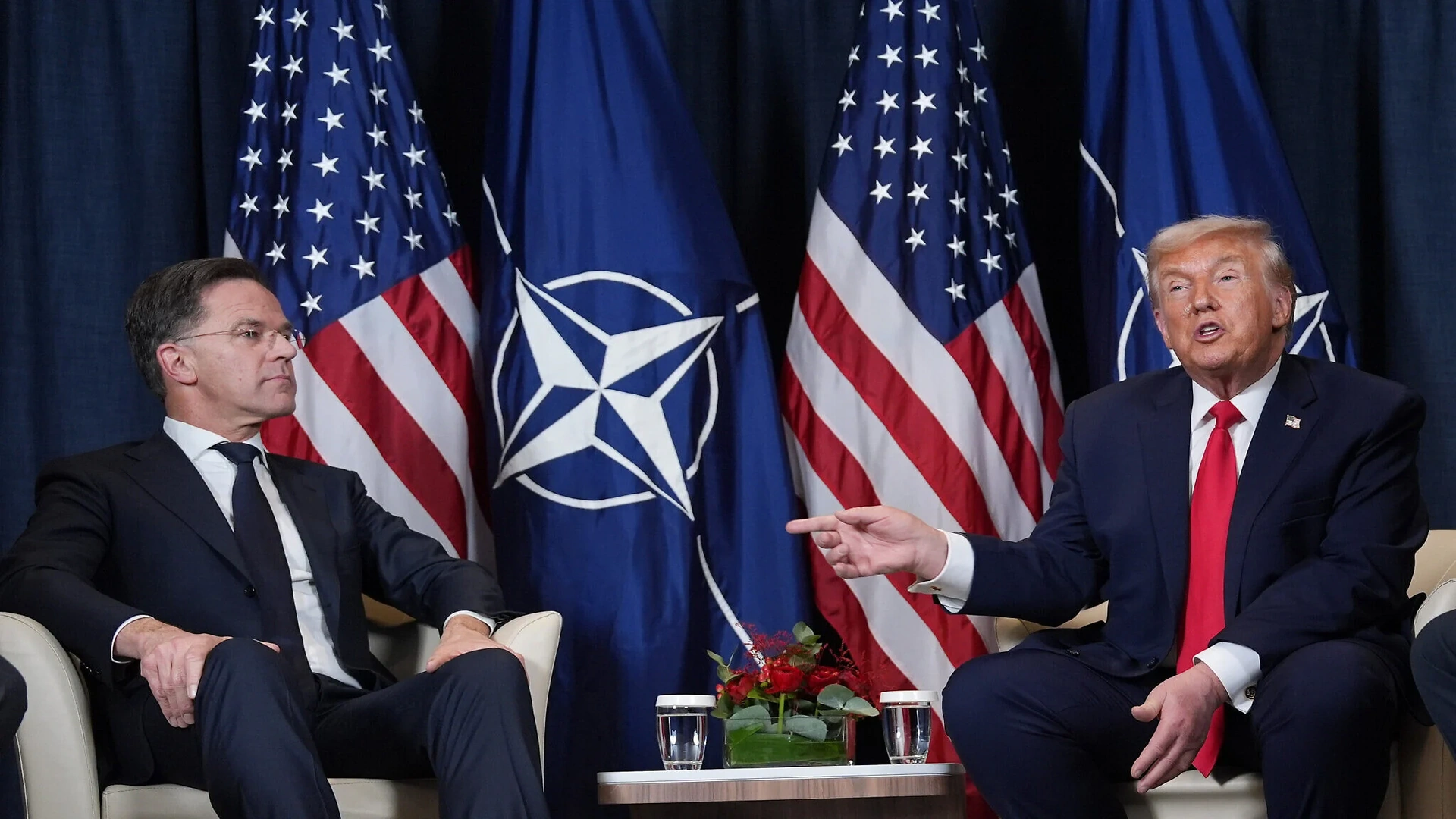
Donald Trump’s announcement of a so called framework of a future deal concerning Greenland has been met with widespread doubt and concern, particularly in Greenland itself and among Danish lawmakers. While financial markets rebounded and some European leaders welcomed a pause in escalating tensions, many questions remain unanswered about what was actually agreed, who was involved and whether Greenland’s own people were considered at all.
The controversy unfolded after weeks of rising transatlantic strain, during which Trump repeatedly asserted that the United States wanted Greenland, even invoking the idea of American ownership. Although the US president appeared to soften his tone during a speech at the World Economic Forum, the substance of his subsequent claims has left allies and observers deeply uncertain.
Trump Announces Deal Framework After Nato Talks
On Wednesday, Trump took to social media to announce what he described as the framework of a future deal with respect to Greenland. He said the understanding followed discussions with Nato secretary general Mark Rutte and was accompanied by his decision to withdraw threatened tariffs against eight European countries.
Later, speaking to CNBC after Wall Street closed, Trump downplayed the announcement slightly, calling it a concept of a deal rather than a finalized agreement. Despite the ambiguity, global markets reacted positively. US shares rebounded after days of volatility that had followed Trump’s earlier, more aggressive remarks about Greenland and possible military action.
Trump had previously insisted that the United States wanted Greenland including what he called right, title and ownership. Although he backed away from explicit threats of force, his renewed insistence on American interests in the Arctic territory has continued to alarm leaders in Europe and Greenland.
Denmark Welcomes De Escalation but Seeks Clarity
Denmark’s foreign minister Lars Løkke Rasmussen struck a cautious but relieved tone after Trump’s announcement. He described the day as ending better than it began and said Denmark was ready to sit down and address American security concerns in the Arctic.
Rasmussen emphasized that any discussions would need to respect the red lines of the Kingdom of Denmark, which includes Greenland as an autonomous territory. His comments reflected a broader Danish effort to calm tensions while firmly rejecting any challenge to Greenland’s status or sovereignty.
Italy’s prime minister Giorgia Meloni also welcomed what she described as a step toward de escalation. Several European leaders echoed that view, seeing Trump’s retreat from tariffs and military rhetoric as a temporary reprieve after days of intense diplomatic pressure.
Nato Issues Note of Caution on Greenland Talks
Despite the market optimism and political relief, Nato officials were careful not to overstate what had been achieved. Mark Rutte, who held talks with Trump on Wednesday, said there was still a lot of work to be done and offered few details about the substance of the discussions.
When asked directly whether Greenland would remain part of the Kingdom of Denmark under the proposed framework, Rutte said the issue had not come up. His response raised further concerns about whether Greenland’s political status had been discussed at all.
Nato spokesperson Allison Hart later said that talks on the framework Trump referred to would focus on Arctic security through the collective efforts of allies. However, she did not clarify whether Denmark or Greenland had formally agreed to any elements of the proposal.
Danish Lawmakers Angered by Greenland Exclusion
Anger quickly surfaced among Danish politicians who said Greenland appeared to have been sidelined entirely. Sascha Faxe, a Danish MP, criticized the talks in blunt terms, saying they could not be considered real negotiations.
She told Sky News that a deal could not exist without Greenland being part of the discussions. Her remarks reflected a broader frustration within Denmark that decisions affecting Greenland’s future were being discussed without the involvement of Greenlandic representatives.
That frustration was shared by Aaja Chemnitz Larsen, a Greenlandic member of the Danish parliament. She rejected the idea that Nato should have any say over Greenland’s sovereignty or its mineral resources, calling such notions completely out of the question.
Reports Suggest US Access to Bases and Minerals
Media reports in the United Kingdom added further controversy by suggesting what the so called compromise might involve. According to the Telegraph, the framework could grant the United States sovereignty over small areas of Greenland where US military bases are already located.
Unnamed officials reportedly compared the idea to British military bases in Cyprus, which are considered British territory despite being located on the island. The same reports suggested the framework might allow the United States to mine rare earth minerals in Greenland without seeking permission from Denmark.
Neither the US nor Denmark has confirmed these claims, and it remains unclear whether Copenhagen has formally signed on to any such proposal. The lack of transparency has only intensified scepticism across Greenland and Europe.
Greenland Reacts With Doubt and Defiance
In Greenland itself, Trump’s announcement was greeted with disbelief and anger. Residents interviewed by the AFP news agency in the capital Nuuk expressed deep mistrust toward the US president’s claims.
One man dismissed the announcement outright, saying Trump was lying. Another resident, a care worker named Anak, said Greenland belongs to the Greenlanders, echoing a sentiment that has been widely shared across the territory.
For many in Greenland, the idea that external powers could decide the fate of their land without consultation revives painful memories of colonial control and marginalization. Greenland has gradually expanded its autonomy over recent decades and retains strong aspirations to control its own resources and political future.
Market Pressure and Political Pushback Shape US Shift
Observers continue to debate why Trump appeared to step back from his most aggressive threats. Some point to the reaction of financial markets, which fell sharply after his hawkish comments earlier in the week.
Global markets rebounded on Wednesday after Trump ruled out the use of force and withdrew his tariff threats. Mark Hackett, chief market strategist at Nationwide in Boston, said markets responded immediately to the reduced risk. Another analyst, Matthew Smart, said uncertainty had simply been priced out.
Others noted that Trump has a history of escalating rhetoric followed by retreat when markets react negatively. After he scaled back his global trade war last year following a market rout, the Financial Times coined the phrase Trump Always Chickens Out to describe the pattern.
European Allies Warn of Financial Risks
US publication Semafor reported that Trump was frustrated by the market reaction and warned that his confrontational approach toward European allies carried significant financial risks.
Reporter Eleanor Mueller wrote that countries such as the United Kingdom, Belgium and France hold trillions of dollars in US assets, including government bonds. A coordinated decision to sell those assets could send American interest rates soaring and destabilize the economy.
These concerns were echoed by several European leaders. Sweden’s foreign minister Maria Stenergard said the collective efforts of Europe’s allies had clearly had an effect and stressed that they would not be blackmailed.
The Dutch prime minister Dick Schoof described Trump’s decision to waive tariffs as a sign of de escalation. European Union leaders are now set to discuss their next steps at an emergency summit in Brussels.
Critics Say Pressure Forced Trump to Back Down
Michael McFaul, a former US ambassador to Russia and a vocal critic of Trump, argued that the shift in tone was driven by a combination of forces. He said united European opposition, market pressure, domestic political resistance, independent media scrutiny and public opinion all played a role in stopping what he described as a reckless gambit to invade and annex Greenland.
While Trump has portrayed the framework announcement as a diplomatic success, critics say it highlights the limits of unilateral pressure and the risks of using economic and military threats against allies.
Uncertain Path Ahead for Greenland Talks
Despite the momentary easing of tensions, the future remains unclear. Key questions about sovereignty, security arrangements and resource access remain unresolved. Greenland’s leaders and people have yet to be formally included in discussions that directly affect their land and future.
As Nato officials caution that much work remains to be done, scepticism continues to dominate reactions in Greenland and Denmark. For now, Trump’s claimed framework deal appears less like a breakthrough and more like a pause in a volatile dispute, one that could easily reignite if clarity and inclusion are not restored.
Whether this episode leads to genuine dialogue that respects Greenland’s autonomy or becomes another chapter in a cycle of threats and retreats will depend on what happens next. For Greenlanders watching from Nuuk, the message remains clear. Decisions about Greenland should start and end with Greenland itself.

Edit Profile
Help improve @KR

Was this page helpful to you?
Contact Khogendra Rupini
Are you looking for an experienced developer to bring your website to life, tackle technical challenges, fix bugs, or enhance functionality? Look no further.
I specialize in building professional, high-performing, and user-friendly websites designed to meet your unique needs. Whether it’s creating custom JavaScript components, solving complex JS problems, or designing responsive layouts that look stunning on both small screens and desktops, I can collaborate with you.
Create something exceptional with us. Contact us today
Open for Collaboration
If you're looking to collaborate, I’m available for a variety of professional services, including -
- Website Design & Development
- Advertisement & Promotion Setup
- Hosting Configuration & Deployment
- Front-end & Back-end Code Implementation
- Code Testing & Optimization
- Cybersecurity Solutions & Threat Prevention
- Website Scanning & Malware Removal
- Hacked Website Recovery
- PHP & MySQL Development
- Python Programming
- Web Content Writing
- Protection Against Hacking Attempts