
iPhone 18 may scale back some upgrades as Apple weighs rising costs and price pressure
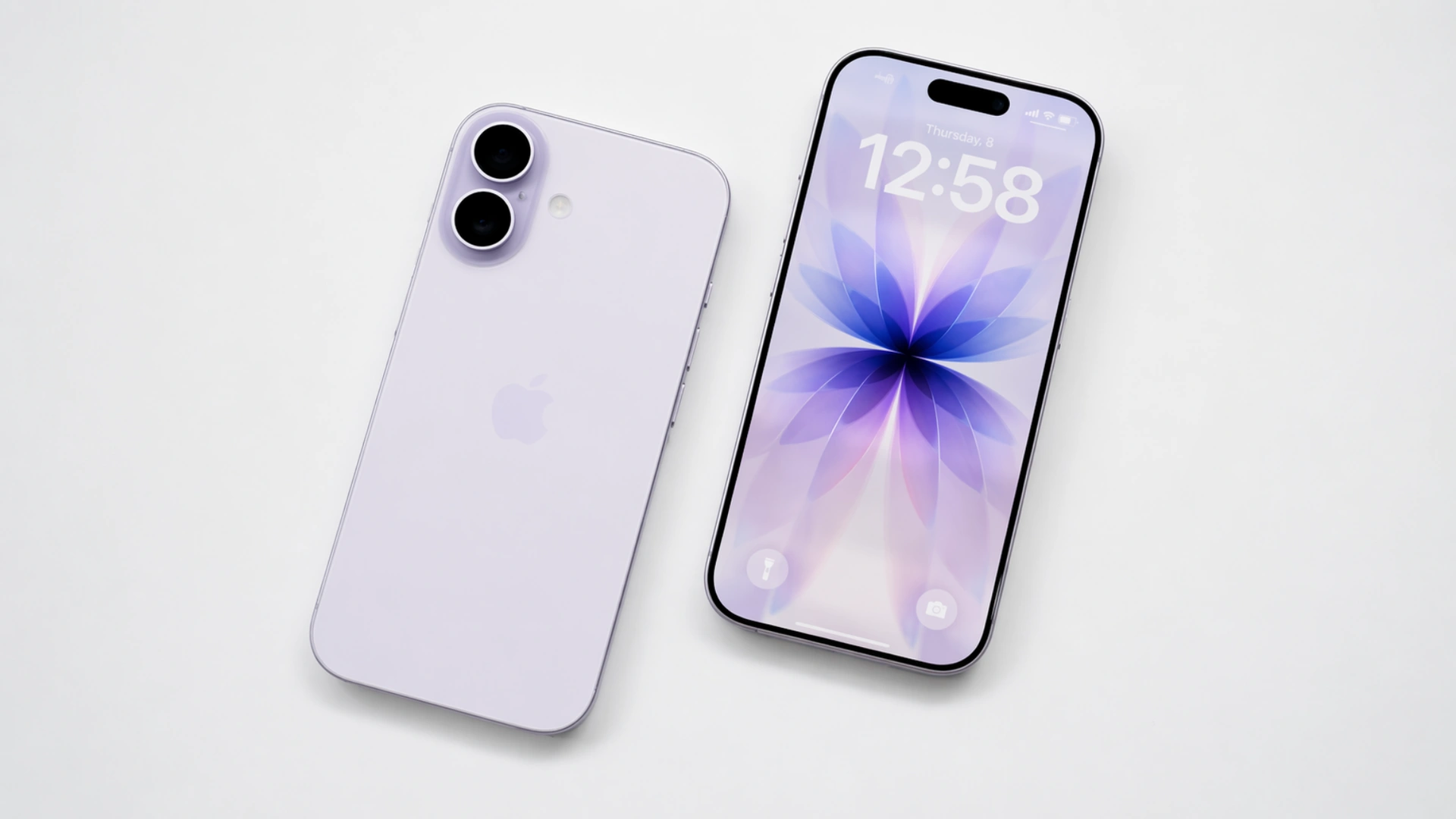
Apple’s next standard iPhone could arrive with a different strategy than many buyers expect. Early reports suggest the company may reduce or delay some planned hardware upgrades for the regular iPhone 18 in an effort to manage rising component costs while keeping retail pricing competitive.
The development, if accurate, would mark a notable shift for :contentReference[oaicite:0]{index=0}. In recent years, the company has relied on yearly improvements in performance, cameras and displays to encourage upgrades across its mainstream lineup. But with memory, storage and semiconductor costs facing pressure, Apple may now be balancing innovation with affordability more carefully than before.
The reports remain unofficial, and Apple has not commented on future products. Still, the discussion offers an early look at how the smartphone market is changing as manufacturers face higher production expenses and more price sensitive consumers.
Apple could prioritize stable pricing over aggressive hardware jumps
According to industry chatter, Apple may choose to hold pricing near current levels for the standard iPhone 18 instead of passing higher costs directly to buyers.
That would be significant because the base iPhone 17 reportedly launched in India at ₹82,900, while US pricing for the mainstream model stayed near $799. Maintaining similar price points for the next generation could help Apple defend market share in a competitive premium smartphone segment.
For many consumers, pricing has become just as important as specifications. Global inflation, cautious household spending and longer phone replacement cycles mean buyers are holding devices for more years. In that environment, avoiding a major price jump may be more valuable than adding headline grabbing features.
Some upgrades may be reduced or delayed
Leaks suggest Apple could reconsider several enhancements that were once expected for the regular iPhone 18. Possible areas include chipset configuration, memory options and manufacturing choices.
If Apple uses a more conservative approach on the standard model, it could preserve advanced components for higher priced Pro devices. That would help the company maintain clearer separation between entry premium and flagship tiers.
Such a strategy would not be new in the smartphone industry. Many brands reserve their best camera systems, fastest chips or premium materials for top end models while offering balanced specifications on mainstream variants.
For Apple, however, expectations are unusually high each year. Even modest changes can become major talking points because of the brand’s scale and loyal user base.
The challenge of differentiating standard and budget models
Another question raised by these reports is how Apple will separate the standard iPhone 18 from a possible iPhone 18e.
If the regular model receives fewer hardware advances than expected, Apple would need to carefully define what makes it superior to a lower priced alternative. Traditionally, differences have included display quality, camera features, processor power, materials and storage tiers.
Consumers usually accept multiple tiers when each one has a clear purpose. Problems arise when models appear too similar, especially during economic slowdowns when shoppers compare value more closely.
Apple has historically managed product segmentation well, but the next cycle may test that skill again.
Performance gains could still arrive through the A20 chip
Even with a cautious cost strategy, the iPhone 18 may still receive meaningful internal improvements.
Analysts have discussed a possible A20 processor built on an advanced 2 nanometre manufacturing process. If introduced, such a chip could deliver stronger speed, lower power consumption and better battery efficiency.
For users, that would matter in everyday tasks more than benchmark numbers alone. Faster app launches, smoother gaming, improved AI features and longer battery life often shape the real ownership experience.
Apple has consistently used custom silicon as one of its strongest competitive advantages, so processor progress remains one of the most likely areas for meaningful improvement.
Camera and memory upgrades still possible
Reports also indicate the standard iPhone 18 could receive a higher resolution front camera, potentially moving to 24 megapixels.
That would benefit selfies, video calls and content creation, areas that matter increasingly to younger buyers and social media users. Front camera quality has become a larger selling point as phones replace standalone cameras for many people.
There is also speculation around a memory increase to 12GB RAM. More RAM would support multitasking, gaming and future on device AI tools that require greater resources.
If Apple does scale back elsewhere, upgrades like these could help maintain excitement around the standard model.
Release timing may also change
Some reports suggest Apple may rethink launch timing for parts of the iPhone 18 family, with the standard version potentially arriving later than the usual September window.
Apple traditionally launches new iPhones in September, creating one of the biggest annual events in consumer technology. A staggered release could help the company manage production, marketing focus and supply chain complexity.
It could also allow Pro models to take the spotlight first, followed by mainstream variants later.
That said, launch timing rumours often change many times before an official announcement.
Why this strategy could make business sense
From a business perspective, Apple may be responding to three realities at once: rising component costs, slower upgrade cycles and tougher competition from Android brands offering strong hardware at lower prices.
In that environment, protecting margins while keeping headline prices attractive becomes crucial.
A standard iPhone 18 that feels familiar but dependable may still sell strongly if battery life, software support, ecosystem benefits and camera consistency remain strong.
Apple has long succeeded not only through raw specifications, but through reliability, resale value and integration across devices.
What buyers should keep in mind now
At this stage, nothing is official. Apple has not confirmed specifications, pricing or launch plans for the iPhone 18 lineup.
Leaks can be accurate, partially accurate or completely revised before release. Consumers considering an upgrade should view current claims as early signals rather than final facts.
Still, one message is becoming clearer: the next smartphone battle may be less about dramatic yearly leaps and more about delivering smarter value.
If Apple follows that path, the iPhone 18 could become a test of whether buyers now prefer practical pricing over flashy upgrades.
Edit Profile
Help improve @KR

Was this page helpful to you?
Contact Khogendra Rupini
Are you looking for an experienced developer to bring your website to life, tackle technical challenges, fix bugs, or enhance functionality? Look no further.
I specialize in building professional, high-performing, and user-friendly websites designed to meet your unique needs. Whether it's creating custom JavaScript components, solving complex JS problems, or designing responsive layouts that look stunning on both small screens and desktops, I can collaborate with you.
Create something exceptional with us. Contact us today
Open for Collaboration
If you're looking to collaborate, I'm available for a variety of professional services, including -
- Website Design & Development
- Advertisement & Promotion Setup
- Hosting Configuration & Deployment
- Front-end & Back-end Code Implementation
- Code Testing & Optimization
- Cybersecurity Solutions & Threat Prevention
- Website Scanning & Malware Removal
- Hacked Website Recovery
- PHP & MySQL Development
- Python Programming
- Web Content Writing
- Protection Against Hacking Attempts