
Apple may split iPhone 18 launch as rising chip costs push cheaper models to 2027, reports suggest
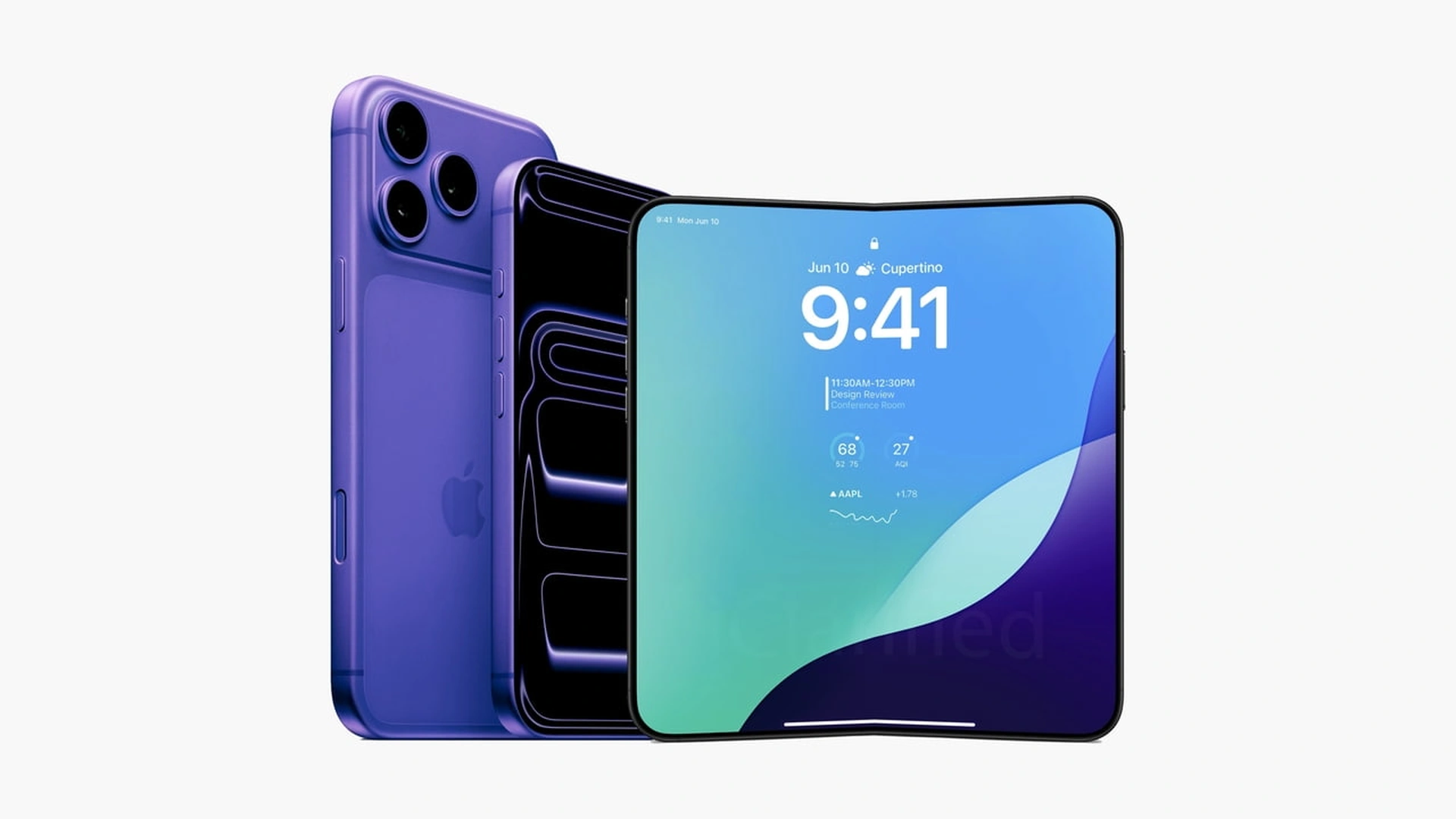
Apple could be preparing one of the biggest changes to its iPhone release strategy in years, with new reports claiming the company may separate the launch of the upcoming iPhone 18 lineup. Instead of unveiling every model during its traditional September event, Apple may introduce premium devices first and delay standard models until the following year.
The report, cited by multiple publications and based on claims from Chinese tipster Fixed Focus Digital, suggests Apple is exploring a staggered release cycle as component costs rise, especially in advanced chip production. If accurate, the move would reshape how customers buy new iPhones and how Apple positions premium and affordable devices in the market.
Premium iPhone 18 models may arrive first in fall 2026
According to the latest claims, Apple may continue its usual autumn launch window for the higher end models. That means the expected iPhone 18 Pro and iPhone 18 Pro Max could still debut in fall 2026.
Reports also suggest Apple may use the same event to showcase its first foldable iPhone, a product long linked to the company through industry speculation. While Apple has not confirmed any foldable phone plans, analysts have repeatedly suggested the company is developing one for a future launch.
If this schedule happens, Apple would reserve its biggest annual event for premium hardware, targeting buyers who upgrade early and spend more on flagship devices.
Standard iPhone 18 and iPhone 18e could launch later
The more surprising part of the rumour is the timing of Apple’s mainstream models. Reports claim the regular iPhone 18, the expected iPhone 18e, and possibly a new Air variant may launch in spring 2027 instead of September 2026.
Such a shift would break from Apple’s long standing strategy of launching nearly the full iPhone lineup together. It could also create two major iPhone buying seasons each year rather than one.
For consumers, that may mean clearer upgrade choices. Buyers wanting top specifications could shop in the fall, while value focused users may wait for lower priced models in spring.
Rising chip costs may be forcing new decisions
The reported reason behind the possible strategy change is increasing semiconductor costs. Modern smartphone processors require highly advanced manufacturing processes that are becoming more expensive with each generation.
As Apple pushes for faster chips, stronger artificial intelligence features, and better battery efficiency, the cost of producing processors can rise sharply. If margins tighten, Apple may need to choose between raising prices or adjusting hardware on entry level devices.
Reports suggest Apple could be trying to protect pricing by reducing costs elsewhere, particularly on non premium models.
iPhone 18 may see hardware compromises
Another key claim is that the standard iPhone 18 could arrive with lower than expected specifications.
The device is reportedly being considered for a less advanced chip manufacturing process, along with reduced performance targets and lower memory specifications. That could mean less RAM, slower memory speeds, or a processor below Pro level devices.
If true, the gap between Apple’s base iPhone and premium iPhones would become more defined. At the same time, the regular iPhone could move closer to the expected iPhone 18e in terms of internal hardware.
Apple has used product segmentation before, but this would represent a sharper distinction between flagship and standard models.
Software and design may become bigger differentiators
Reports indicate Apple may rely more on software features and subtle design changes to separate models if hardware differences narrow among lower priced devices.
That could include exclusive AI tools, camera software upgrades, display enhancements, or premium materials reserved for Pro models. Apple has increasingly used software ecosystems and exclusive features to encourage upgrades across its product range.
This approach would allow the company to maintain visible differences between models without dramatically increasing manufacturing costs.
What it means for buyers
A split launch strategy could change customer behavior in several ways.
Some buyers may choose to wait for spring releases if they prefer lower priced devices. Others may feel pushed toward Pro models if the standard iPhone offers fewer upgrades than expected.
Retailers and carriers could also benefit from two launch cycles in a year, creating more upgrade opportunities and sustained demand rather than a single annual sales surge.
For Apple, the strategy may help manage supply chains, spread marketing attention, and respond more flexibly to changing production costs.
Apple has not confirmed the reports
At present, none of these claims are official. Apple has not commented on the rumoured timeline, specifications, or product strategy. As with many early leaks, plans can change before launch.
Still, the report reflects a wider reality facing the smartphone industry. Premium innovation is becoming more expensive, while buyers remain sensitive to price increases. That tension is forcing manufacturers to rethink how they build and release devices.
Outlook for the iPhone 18 cycle
If the reports prove accurate, the iPhone 18 generation may be remembered less for dramatic design changes and more for a major business shift. Apple could divide its lineup into premium and mainstream launch windows, while using stronger segmentation to defend profits during a period of rising chip costs.
For now, consumers will need to wait for further leaks and official announcements. But one thing is clear: the next iPhone cycle may look very different from the familiar September launches that defined Apple for more than a decade.
Edit Profile
Help improve @KR

Was this page helpful to you?
Contact Khogendra Rupini
Are you looking for an experienced developer to bring your website to life, tackle technical challenges, fix bugs, or enhance functionality? Look no further.
I specialize in building professional, high-performing, and user-friendly websites designed to meet your unique needs. Whether it's creating custom JavaScript components, solving complex JS problems, or designing responsive layouts that look stunning on both small screens and desktops, I can collaborate with you.
Create something exceptional with us. Contact us today
Open for Collaboration
If you're looking to collaborate, I'm available for a variety of professional services, including -
- Website Design & Development
- Advertisement & Promotion Setup
- Hosting Configuration & Deployment
- Front-end & Back-end Code Implementation
- Code Testing & Optimization
- Cybersecurity Solutions & Threat Prevention
- Website Scanning & Malware Removal
- Hacked Website Recovery
- PHP & MySQL Development
- Python Programming
- Web Content Writing
- Protection Against Hacking Attempts