
Google engineers reportedly split over AI tool access as DeepMind teams use Claude while others rely on Gemini
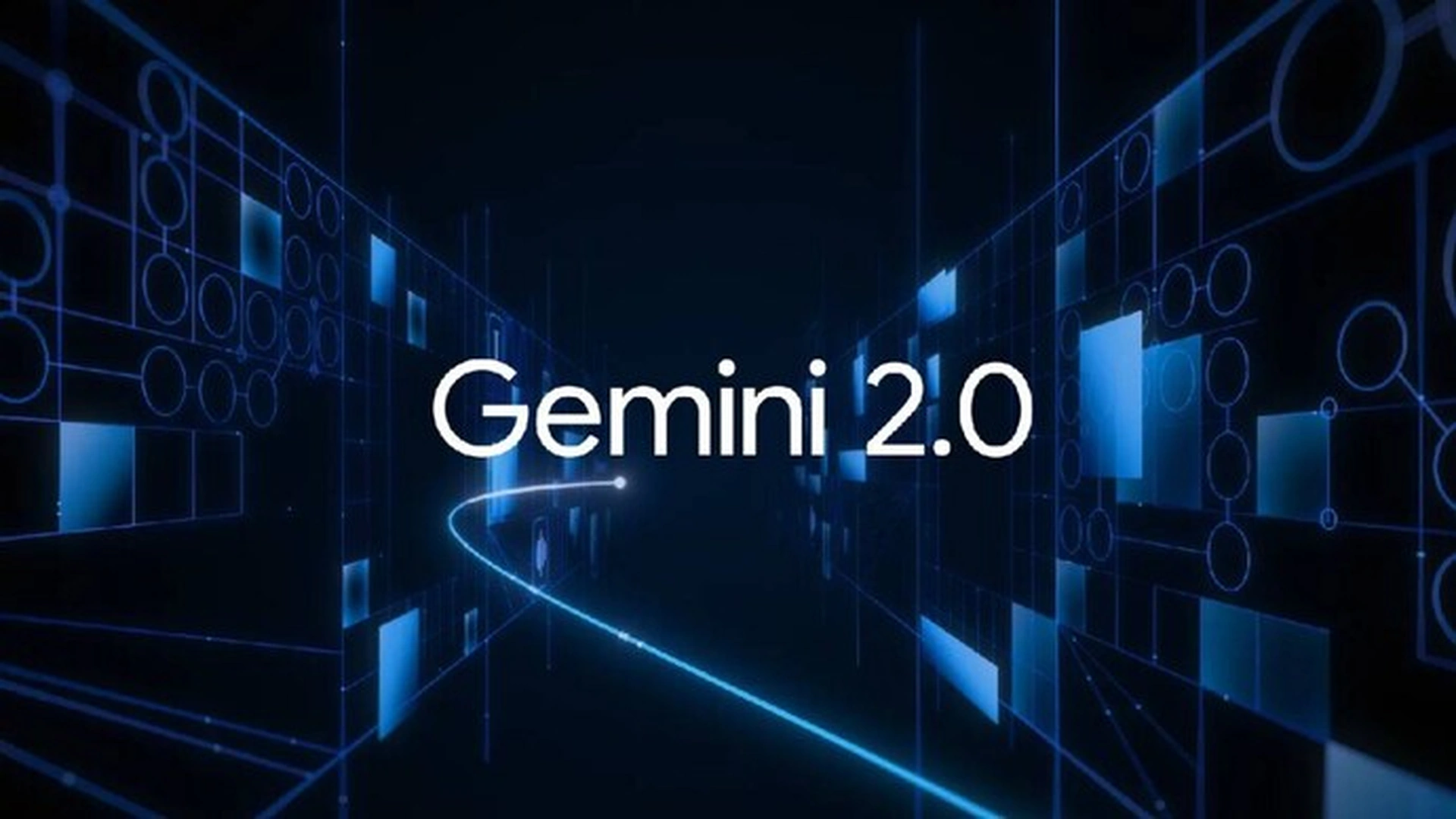
A reported internal divide has emerged inside Google as the company accelerates artificial intelligence adoption across its engineering workforce. According to a report cited by Times of India from Business Insider, some employees within Google DeepMind have been allowed to use external AI tools such as Anthropic’s Claude for coding tasks, while many other engineers across Google remain limited to internal systems including Gemini.
The reported difference in access has sparked concerns among some engineers over fairness, productivity and whether all teams are being given the same tools to meet rising expectations around AI use. The development comes at a time when Google and its major rivals are racing to integrate generative AI into everyday software development, workplace productivity and product creation.
Claude access for some teams raises internal questions
According to the report, select employees inside DeepMind have been granted access to Claude for programming related tasks. At the same time, many engineers working across broader Google teams are reportedly expected to use Gemini and other internal tools.
That contrast has reportedly created frustration among some staff members who believe external models may perform better in certain coding workflows. Engineers concerned about the gap reportedly view the issue not only as a matter of convenience, but also as a question of whether teams are being measured equally while using different tools.
AI coding assistants have become increasingly important across the technology industry because they can help developers write code faster, review software logic, suggest fixes and automate repetitive tasks. Even small differences in output quality or speed can have a noticeable effect on engineering productivity at large companies.
AI adoption linked to workplace expectations
The reported debate comes as Google increases pressure internally to expand practical use of AI tools. Some engineers have reportedly been assigned AI related objectives that may influence performance reviews.
In certain cases, workers are said to be expected not only to use AI to generate code, but also to create internal systems that improve efficiency in their own teams. That reflects a broader industry shift in which engineers are increasingly expected to combine traditional software development skills with AI assisted workflows.
For major technology companies, AI is no longer viewed as a side experiment. It is becoming part of day to day operations, from writing internal tools to testing products and accelerating deployment cycles.
Why Google may prefer internal tools
There are several reasons why Google may choose to restrict broad use of outside AI systems. One major factor is infrastructure. The company relies heavily on custom internal engineering environments, security frameworks and proprietary systems that may not easily connect with third party tools.
Another reason is the long standing technology practice known as dogfooding, where employees use the company’s own products internally before public release. This helps teams identify bugs, improve features and test performance under real world conditions.
For Google, encouraging employees to use Gemini internally could strengthen the product through direct feedback while also demonstrating confidence in its own AI ecosystem during an intense competitive period.
Rivals appear more flexible
The report also noted that some competing technology companies have taken a more open approach. Meta has reportedly allowed employees to use external AI tools including Claude for certain internal tasks.
That difference highlights a larger strategic debate across Silicon Valley. Some firms prefer building an all in one internal AI stack, while others allow employees to choose whichever tools deliver the best results. Each model carries tradeoffs involving security, cost, speed and innovation.
As generative AI tools mature, companies may face growing pressure from employees who want access to the strongest available systems rather than being limited to a single in house option.
Public criticism draws sharp response
The issue gained wider attention after software engineer Steve Yegge criticized Google’s internal AI progress in a public post. He wrote that Google engineering appeared to have the same AI adoption footprint as John Deere.
The comment triggered a direct response from DeepMind chief executive Demis Hassabis, who strongly rejected the claim. According to the reported quote, Hassabis said the criticism was false and described it as clickbait.
The sharp exchange underlines how sensitive AI leadership has become inside major technology companies. Public perception now matters not only to investors and customers, but also to talent recruitment and employee morale.
What it means for Google
Google remains one of the world’s most influential AI companies, with major investments spanning search, cloud computing, developer tools and frontier model research. Yet the reported internal tensions suggest that even industry leaders face practical challenges when deploying AI across thousands of employees.
Balancing security, internal product development and employee demand for best in class tools is likely to remain a difficult task. If workers believe certain teams have better resources, pressure for broader access may grow.
At the same time, Google’s leadership may see internal adoption of Gemini as essential to improving the platform and competing more aggressively with rivals such as OpenAI and Anthropic.
The bigger industry lesson
The reported dispute inside Google reflects a wider transformation happening across the technology sector. AI tools are quickly becoming standard workplace instruments, similar to cloud platforms or version control systems in earlier eras.
As that transition continues, companies will need to decide whether loyalty to in house products should outweigh employee preference for outside tools. The answer could shape productivity, innovation and competitiveness for years to come.
For now, the reported divide inside Google offers a clear sign that the AI race is no longer only about public launches and model benchmarks. It is also about what happens inside company walls, where engineers decide which tools truly help them build the future.
Edit Profile
Help improve @KR
Was this page helpful to you?
Contact Khogendra Rupini
Are you looking for an experienced developer to bring your website to life, tackle technical challenges, fix bugs, or enhance functionality? Look no further.
I specialize in building professional, high-performing, and user-friendly websites designed to meet your unique needs. Whether it's creating custom JavaScript components, solving complex JS problems, or designing responsive layouts that look stunning on both small screens and desktops, I can collaborate with you.
Create something exceptional with us. Contact us today
Open for Collaboration
If you're looking to collaborate, I'm available for a variety of professional services, including -
- Website Design & Development
- Advertisement & Promotion Setup
- Hosting Configuration & Deployment
- Front-end & Back-end Code Implementation
- Code Testing & Optimization
- Cybersecurity Solutions & Threat Prevention
- Website Scanning & Malware Removal
- Hacked Website Recovery
- PHP & MySQL Development
- Python Programming
- Web Content Writing
- Protection Against Hacking Attempts