
OpenAI launches ChatGPT Images 2.0 with sharper text rendering, smarter design tools and wider access across ChatGPT
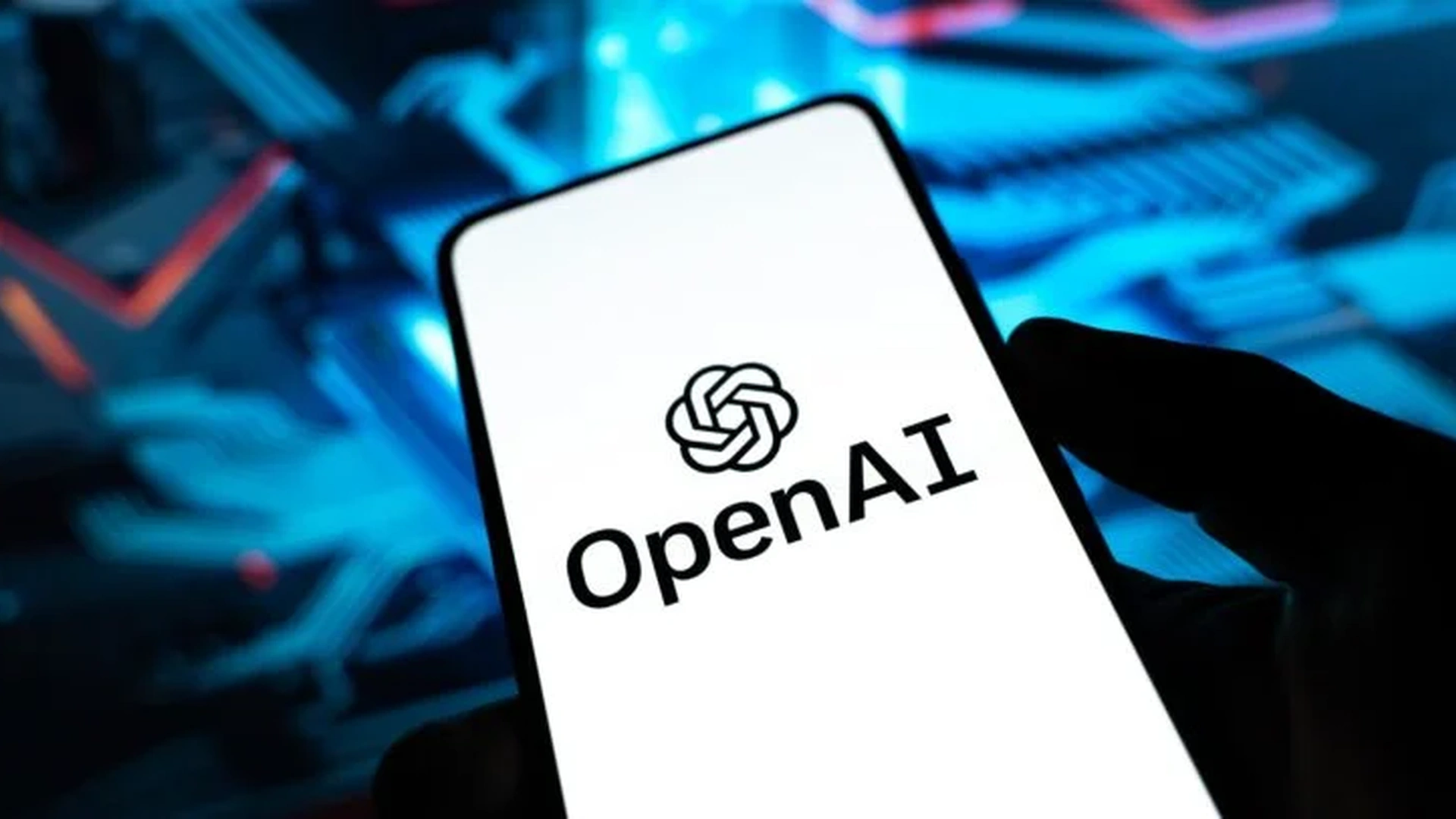
OpenAI has unveiled ChatGPT Images 2.0, a major upgrade to its image generation system that aims to make AI created visuals more accurate, polished and practical for everyday use. The new model focuses on better text rendering, stronger instruction following, multilingual support and improved design quality, marking an important step forward in AI powered creativity.
The company described ChatGPT Images 2.0 as a state of the art model capable of handling complex visual tasks while producing precise and immediately usable outputs. The release comes as competition in generative AI continues to intensify, with technology companies racing to deliver smarter tools for consumers, developers and businesses.
OpenAI targets long standing image generation problems
One of the biggest limitations of earlier image generators was their difficulty with dense text, icons and user interface elements. AI systems often struggled with spelling errors, distorted letters or poor placement of design components. OpenAI says ChatGPT Images 2.0 directly addresses these issues.
According to the company, the updated model can place and relate objects more accurately, follow detailed prompts more effectively and generate images that feel more intentionally designed. It also supports multiple aspect ratios, allowing users to create visuals tailored for presentations, banners, social media posts and other digital formats.
This improvement could make the tool especially useful for creators who need professional looking graphics without spending hours on manual editing.
Better multilingual support for global users
OpenAI has also highlighted major gains in language handling. ChatGPT Images 2.0 can generate text within images more accurately in several languages, including Hindi, Bengali, Japanese, Korean and Chinese.
That progress goes beyond simple translation. The model is designed to create visually coherent posters, diagrams, comics and explainers where language is part of the design itself. For users across India and Asia, this could significantly improve the ability to create localized content that looks natural and readable.
The broader multilingual push reflects growing demand for AI tools that serve users beyond English speaking markets.
New thinking features add smarter workflows
Another major addition is the introduction of advanced “thinking” features. OpenAI says these capabilities help the model handle more complex tasks and improve the path from idea to final image.
With advanced modes enabled, ChatGPT Images 2.0 can search for real time information, generate multiple image options from a single prompt and review its own outputs for stronger consistency and accuracy.
This could be valuable for professionals in marketing, education and product design who need fast turnaround times while maintaining quality standards.
Stronger visual quality across styles
OpenAI says the model supports a wide range of visual styles, from photorealistic scenes to illustrations, cinematic frames and comic style art. It also claims improvements in lighting, texture, composition and overall design balance.
These upgrades suggest the company wants ChatGPT Images 2.0 to appeal not only to casual users but also to businesses and creators seeking commercial grade assets. Better style control may help users produce visuals that more closely match brand identity or creative intent.
Availability across ChatGPT, Codex and API
The company confirmed that ChatGPT Images 2.0 is available starting today through ChatGPT, Codex and the developer API. This broad rollout means everyday users, coders and enterprises can all access the upgraded model through their preferred platforms.
Advanced outputs powered by thinking features are available to ChatGPT Plus, Pro and Business subscribers. Meanwhile, the gpt-image-2 model is also accessible through the API, where pricing depends on image quality and resolution settings.
That tiered approach allows OpenAI to offer baseline access widely while reserving premium capabilities for paid users and enterprise customers.
Business and creator use cases expand
OpenAI says ChatGPT Images 2.0 is designed for a broad range of professional uses. These include marketing design, educational materials, storytelling, presentations and product development.
Developers can also integrate the system into their own apps and services for automated image generation or editing workflows. This could accelerate adoption in ecommerce, media publishing and software tools that require instant visual content.
As businesses increasingly seek faster content production, tools that combine quality with automation are becoming more valuable.
A key moment in the AI image race
The launch of ChatGPT Images 2.0 comes at a time when AI companies are competing aggressively across image creation, coding assistants and enterprise software. OpenAI’s latest release signals that visual generation remains a strategic priority.
By solving common frustrations such as unreadable text, weak layout structure and limited multilingual performance, the company is positioning the model as more than a novelty generator. Instead, it is presenting it as a serious productivity tool.
For users, the real test will be whether ChatGPT Images 2.0 consistently delivers professional results with minimal prompting.
What it means for users
For casual users, the update may mean cleaner posters, sharper memes, better social graphics and easier custom artwork. For professionals, it could reduce time spent revising drafts or outsourcing basic design work.
If the model performs as promised, ChatGPT Images 2.0 could become one of the most practical AI image tools yet, especially for users who need text heavy visuals in multiple languages.
With stronger design intelligence and broader access, OpenAI’s newest launch may help define the next phase of AI powered content creation.
Edit Profile
Help improve @KR
Was this page helpful to you?
Contact Khogendra Rupini
Are you looking for an experienced developer to bring your website to life, tackle technical challenges, fix bugs, or enhance functionality? Look no further.
I specialize in building professional, high-performing, and user-friendly websites designed to meet your unique needs. Whether it's creating custom JavaScript components, solving complex JS problems, or designing responsive layouts that look stunning on both small screens and desktops, I can collaborate with you.
Create something exceptional with us. Contact us today
Open for Collaboration
If you're looking to collaborate, I'm available for a variety of professional services, including -
- Website Design & Development
- Advertisement & Promotion Setup
- Hosting Configuration & Deployment
- Front-end & Back-end Code Implementation
- Code Testing & Optimization
- Cybersecurity Solutions & Threat Prevention
- Website Scanning & Malware Removal
- Hacked Website Recovery
- PHP & MySQL Development
- Python Programming
- Web Content Writing
- Protection Against Hacking Attempts