US Ends H1B Visa Lottery, Shifts to Skill and Salary Based Selection Under Trump Reforms
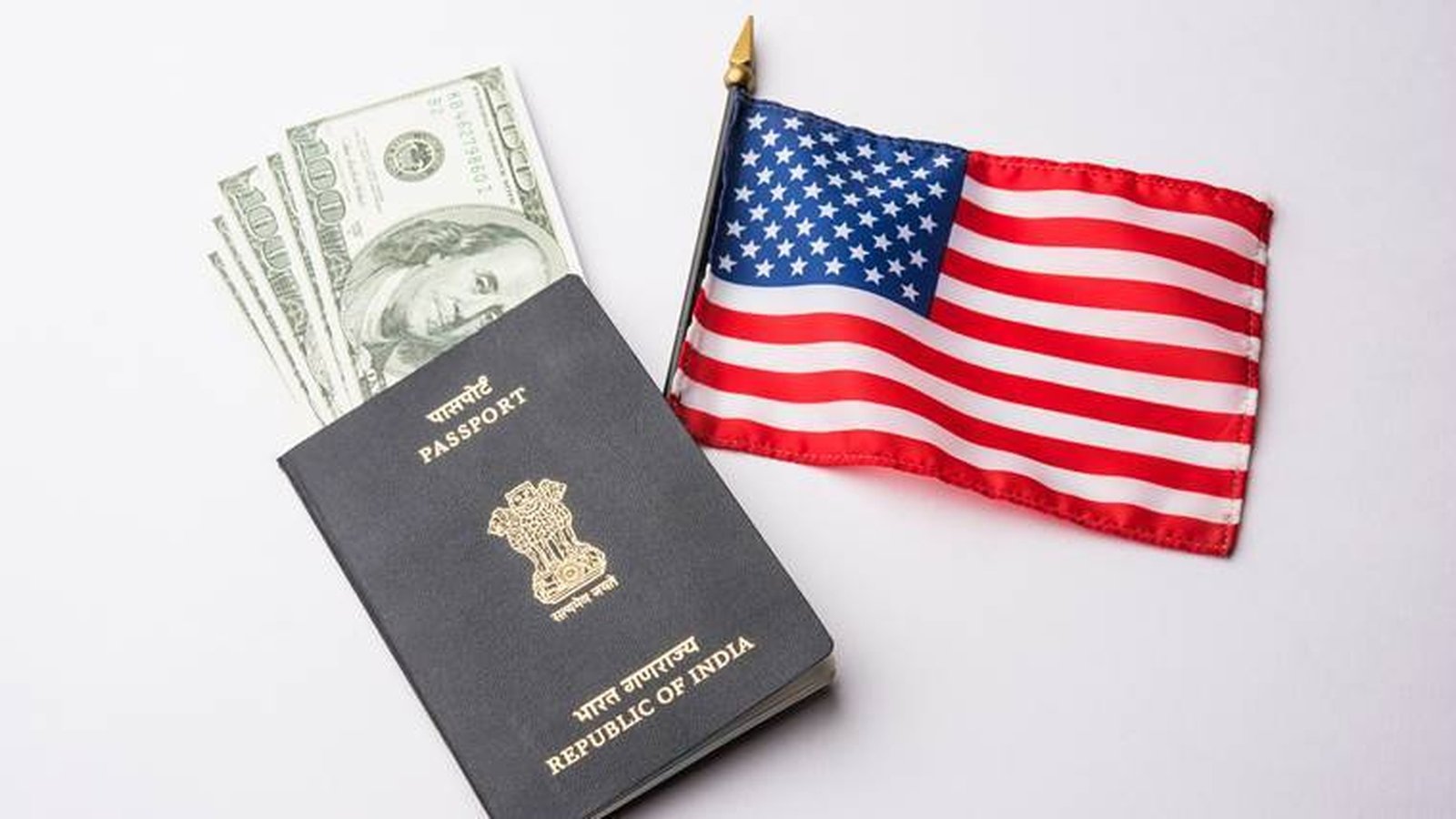
The United States has announced one of the most significant changes to its skilled immigration system in decades, formally ending the random lottery used to allocate H1B work visas and replacing it with a weighted selection model that prioritises higher paid and higher skilled foreign professionals.
The reform, confirmed by the Department of Homeland Security on Tuesday, is part of a broader overhaul of the H1B visa program under the Trump administration, aimed at reducing alleged misuse, protecting American wages, and restoring what officials describe as the original intent of the visa category.
Under the new rule, H1B visas will no longer be issued through a purely random draw. Instead, applications will be ranked and selected based on wage levels and skill indicators, significantly increasing the chances for candidates offered higher salaries and more specialised roles.
Shift Away From Random Selection
For over twenty years, the H1B program relied on a lottery system to distribute visas when demand exceeded the annual cap. Critics long argued that this approach failed to distinguish between high value specialised roles and lower wage applications, allowing employers to flood the system and crowd out top tier talent.
US Citizenship and Immigration Services spokesman Matthew Tragesser said the previous system was widely exploited.
The existing random selection process of H1B registrations was abused by employers seeking to import foreign workers at wages lower than those offered to American workers, Tragesser said in an official statement.
According to DHS, the new weighted model is designed to correct those distortions while still allowing access across all wage levels. Lower paid roles are not eliminated, but the balance is deliberately shifted toward petitions that demonstrate higher compensation and skill requirements.
Strengthening Wage Protections and Competitiveness
Homeland Security officials say the reform directly addresses long standing concerns about wage suppression and labour market displacement. By prioritising higher paid positions, the administration argues that employers will be incentivised to reserve the H1B route for genuinely specialised talent rather than using it as a cost cutting tool.
The weighted selection will better serve Congress intent for the H1B program and strengthen America competitiveness by encouraging employers to petition for higher skilled and higher paid foreign workers, Tragesser said.
Officials also emphasised that the reform aligns with the administration broader goal of placing American workers first while still maintaining access to global talent where domestic labour shortages exist.
Visa Caps Remain Unchanged
Despite the major structural change, the overall size of the H1B program remains the same. Each year, the US will continue to issue 65,000 standard H1B visas, with an additional 20,000 reserved for applicants who hold advanced degrees from US institutions.
The new selection system will apply beginning with the fiscal year 2027 H1B cap registration season. The final rule is scheduled to take effect on February 27, according to DHS.
Part of a Broader Immigration Push
The end of the lottery system is only one element of a wider effort to reshape the H1B program. In recent months, the Trump administration has introduced multiple measures aimed at discouraging what it sees as misuse of the visa category.
Among the most controversial is a Presidential Proclamation requiring employers to pay an additional 100,000 dollars per new H1B visa. The administration argues that the fee ensures companies turn to foreign labour only when they genuinely need highly skilled workers.
As part of our commitment to H1B reform, we will continue to demand more from both employers and foreign nationals so as not to undercut American workers and to put America first, Tragesser said.
Court Upholds 100,000 Dollar Visa Fee
On the same day as the policy announcement, a federal court delivered a significant legal victory to the administration by rejecting a challenge to the 100,000 dollar H1B visa fee filed by the US Chamber of Commerce.
US District Judge Beryl Howell ruled that President Trump acted within his broad authority under federal immigration law when imposing the fee. The Chamber had argued that the cost would harm businesses, hospitals, and public services by making it prohibitively expensive to hire skilled foreign workers.
The parties vigorous debate over the wisdom of this political judgment is not within the province of the courts, Judge Howell wrote. So long as the actions dictated by the policy decision fit within the confines of the law, the Proclamation must be upheld.
Howell, an appointee of former President Barack Obama, said the administration had adequately justified the measure by citing examples of companies laying off American workers while continuing to seek H1B employees.
Business Groups Raise Concerns
Business organisations reacted with disappointment to the ruling and the broader reform agenda. The US Chamber of Commerce warned that the steep fee and new selection system could force companies to cut hiring or scale back operations.
Many small and medium sized businesses will be unable to afford the fee, said Daryl Joseffer, the Chamber executive vice president and chief counsel. We are considering further legal options to ensure that the H1B program operates as Congress intended.
Several Democratic led states, along with coalitions of employers, nonprofit groups, and religious organisations, have also filed lawsuits challenging the fee.
Impact on Technology and Healthcare Sectors
The H1B program plays a critical role in industries that rely heavily on specialised skills, particularly technology, engineering, healthcare, and research. Technology companies are among the largest users of H1B visas, while hospitals and universities also depend on the program to fill specialised roles.
Supporters of reform argue that prioritising higher paid roles will encourage innovation and attract top global talent. Critics counter that the changes could reduce flexibility, increase labour costs, and slow hiring in sectors already facing shortages.
Implications for Indian Professionals
The reforms carry significant implications for skilled professionals from countries such as India, which accounts for a large share of H1B applicants each year. Indian technology workers, engineers, and healthcare professionals have traditionally relied on the lottery system due to intense competition for limited slots.
Under the new weighted model, applicants with higher salaries and specialised expertise are expected to benefit, while entry level or lower wage applicants may face steeper odds.
Long Standing Political Divide
The H1B visa has long been one of the most politically contentious elements of US immigration policy. Advocates view it as essential to maintaining global competitiveness and innovation, while critics argue it has been used to suppress wages and displace domestic workers.
For years, policymakers and labour groups have called for reforms to address loopholes and restore public confidence in the program. The Trump administration says the latest changes represent a decisive step toward that goal.
DHS described the end of the lottery system as a key move in strengthening the integrity of the H1B program and aligning it more closely with congressional intent.
Looking Ahead
With the final rule set to take effect in February and implementation planned for the 2027 cap season, employers and applicants now face a period of adjustment. Companies will need to reassess hiring strategies, compensation structures, and workforce planning under a system that places far greater weight on wages and skill levels.
Whether the reforms ultimately strengthen US competitiveness or restrict access to global talent remains a subject of intense debate. What is clear is that the era of random selection for H1B visas is coming to an end, marking a fundamental shift in how the United States manages one of its most important legal immigration pathways.
Edit Profile
Help improve @KR

Was this page helpful to you?
Contact Khogendra Rupini
Are you looking for an experienced developer to bring your website to life, tackle technical challenges, fix bugs, or enhance functionality? Look no further.
I specialize in building professional, high-performing, and user-friendly websites designed to meet your unique needs. Whether it’s creating custom JavaScript components, solving complex JS problems, or designing responsive layouts that look stunning on both small screens and desktops, I can collaborate with you.
Create something exceptional with us. Contact us today
Open for Collaboration
If you're looking to collaborate, I’m available for a variety of professional services, including -
- Website Design & Development
- Advertisement & Promotion Setup
- Hosting Configuration & Deployment
- Front-end & Back-end Code Implementation
- Code Testing & Optimization
- Cybersecurity Solutions & Threat Prevention
- Website Scanning & Malware Removal
- Hacked Website Recovery
- PHP & MySQL Development
- Python Programming
- Web Content Writing
- Protection Against Hacking Attempts