
Apple iPhone 18 standard model may get older OLED screen as Pro versions prepare major display leap
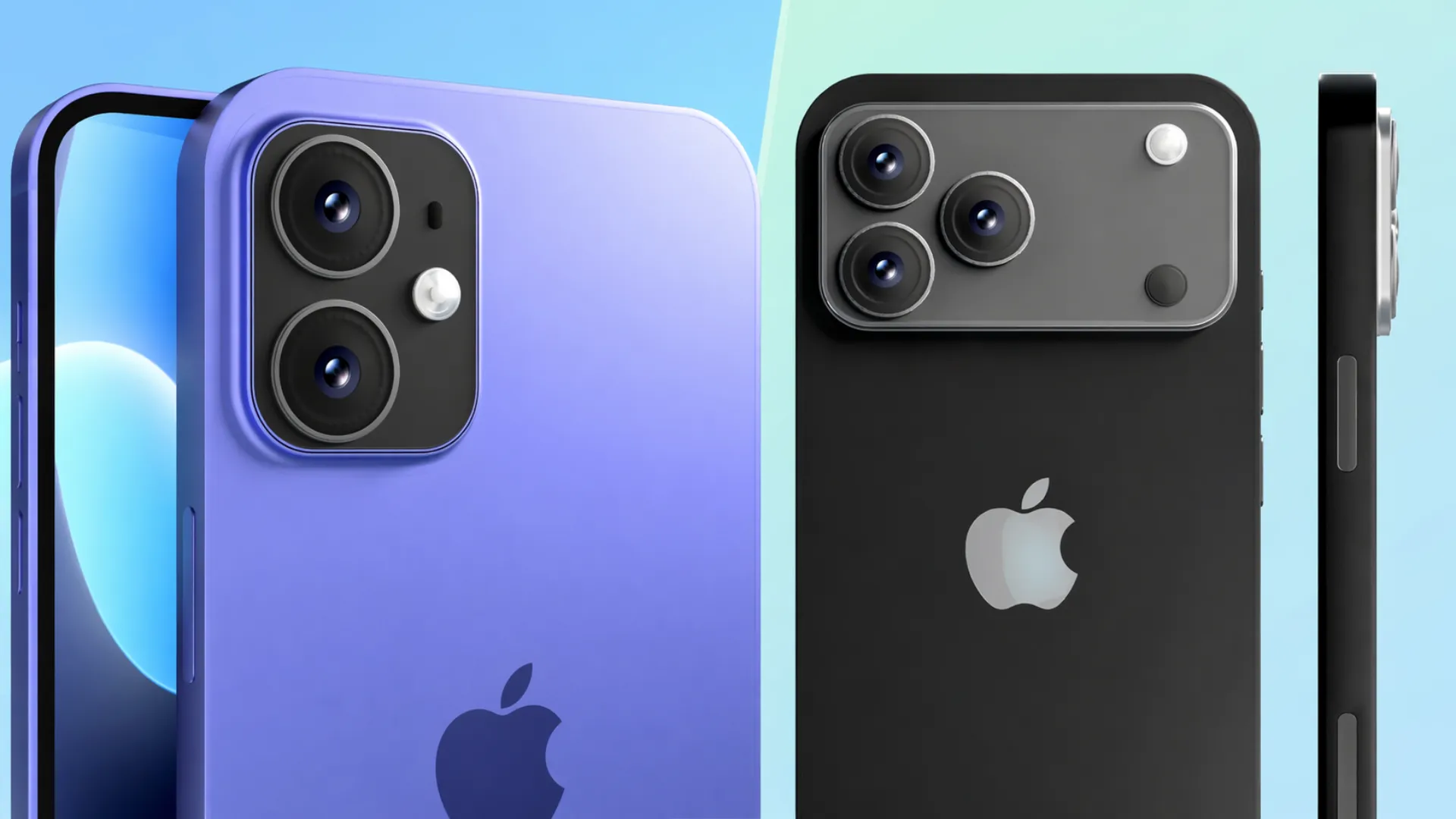
Apple’s upcoming Apple iPhone 18 could arrive with a display decision that may draw attention across the smartphone market. Fresh supply chain reports suggest the standard iPhone 18 may use Samsung’s M12+ OLED material set, a panel technology first associated with premium phones launched in 2022. If accurate, the move would place the regular iPhone 18 behind its own Pro siblings in one of the most visible hardware categories.
At the same time, the premium Apple iPhone 18 Pro and Apple iPhone 18 Pro Max are expected to receive next generation M16 OLED panels, including blue phosphorescent OLED technology. That would represent one of the biggest screen upgrades Apple has introduced in recent years.
Standard iPhone 18 tipped to use M12+ OLED panel
According to recent industry leaks, Apple is reportedly planning to equip the standard iPhone 18 with M12+ OLED material. The M12 family was previously used in devices such as the Apple iPhone 14 Pro and Samsung Galaxy S23.
OLED material generations are important because they often determine brightness efficiency, power use, colour performance and long term durability. While M12+ remains a quality panel by normal market standards, it is no longer considered the latest class of OLED technology.
For everyday users, this does not automatically mean the iPhone 18 display would be poor. Apple is known for strong calibration, colour tuning and software optimisation. However, the reported decision indicates the company may be reserving its most advanced display innovations for higher priced Pro models.
iPhone 18 Pro models could receive Apple’s biggest screen upgrade
The bigger story may belong to the Pro lineup. Reports indicate the iPhone 18 Pro and iPhone 18 Pro Max will move to M16 OLED panels featuring blue phosphorescent OLED material.
That matters because blue pixels have traditionally been the most difficult part of OLED engineering. Red and green phosphorescent materials have been widely used for years, but blue versions have taken longer to commercialise at scale.
If Apple introduces blue phosphorescent OLED in the iPhone 18 Pro range, users could benefit from several improvements:
Better battery efficiency during daily use
Lower power consumption at similar brightness levels
Improved display longevity potential
Stronger brightness management in demanding conditions
More advanced premium screen performance
For buyers focused on display quality, this could create a wider gap than usual between standard and Pro iPhones.
Gap between standard and Pro models may grow further
Apple has steadily separated regular and Pro iPhones through cameras, processors, build materials and refresh rate displays. If these reports prove correct, screen technology may become another major dividing line.
The standard iPhone 18 would still likely offer a polished Apple experience with smooth software integration, dependable colour accuracy and premium build quality. But enthusiasts comparing specifications may notice that older OLED material sits several generations behind the M16 panel expected on Pro devices.
That could influence upgrade decisions, especially among users who keep phones for many years and want the newest hardware.
Launch schedule may also change buying plans
Another major report suggests Apple may alter the release timing of the standard iPhone 18. Instead of launching alongside Pro models in late 2026, the regular version is now expected in early 2027.
If that timeline holds, Apple would follow a staggered launch strategy:
iPhone 18 Pro and Pro Max in fall 2026
Standard iPhone 18 in first half of 2027
Such a schedule could help Apple spread demand across the year and better manage production. However, it may also create a difficult perception challenge if buyers wait longer for a model using older display technology.
Consumers who typically choose the standard iPhone may begin comparing whether it is worth waiting, or spending more for a Pro version arriving earlier with newer hardware.
Apple likely to focus on processor, not panel materials
Apple rarely markets internal display material names during keynote launches. Terms such as M12+, M14 or M16 are usually discussed in supply chain circles rather than consumer presentations.
Instead, Apple is expected to highlight user facing benefits such as:
Faster performance from the A20 chip
Better battery life
Improved cameras
AI and software features
Brighter or more efficient displays without naming material sets
That means many buyers may never hear about M12+ during launch events. The difference typically becomes clearer later through teardown reports, industry analysis and detailed comparisons.
Samsung and LG expected to remain key suppliers
Reports also indicate Samsung Display and LG Display remain Apple’s main screen partners for the iPhone 18 family.
Meanwhile, BOE is said to face continued hurdles for higher end iPhone panel supply after previous quality concerns. Apple has historically demanded strict manufacturing consistency, especially for premium flagship models sold worldwide.
Supplier strategy is important because it affects production scale, launch availability and panel quality across millions of units.
What this means for buyers
For mainstream users, the standard iPhone 18 could still be an excellent smartphone with strong cameras, long software support and refined design. Apple often delivers polished real world performance regardless of internal component headlines.
But for buyers who care deeply about display innovation, battery efficiency and owning the newest screen technology, the iPhone 18 Pro series may become the more attractive option.
If Apple indeed launches the standard model later with older OLED materials, consumers may ask a simple question: should they wait for the regular version or stretch to a Pro model earlier?
Final outlook
Nothing is official until Apple announces the iPhone 18 lineup, but current reports point to a clear strategy. The company may be pushing premium innovation harder than ever, while using mature technology to control costs on mainstream models.
That approach can strengthen margins and expand product separation, yet it also raises expectations for value in the standard iPhone.
As the smartphone market becomes more competitive, display choices matter more than ever. If these leaks are accurate, the iPhone 18 series could mark a turning point where Apple’s Pro and standard models feel further apart than previous generations.
Edit Profile
Help improve @KR
Was this page helpful to you?
Contact Khogendra Rupini
Are you looking for an experienced developer to bring your website to life, tackle technical challenges, fix bugs, or enhance functionality? Look no further.
I specialize in building professional, high-performing, and user-friendly websites designed to meet your unique needs. Whether it's creating custom JavaScript components, solving complex JS problems, or designing responsive layouts that look stunning on both small screens and desktops, I can collaborate with you.
Create something exceptional with us. Contact us today
Open for Collaboration
If you're looking to collaborate, I'm available for a variety of professional services, including -
- Website Design & Development
- Advertisement & Promotion Setup
- Hosting Configuration & Deployment
- Front-end & Back-end Code Implementation
- Code Testing & Optimization
- Cybersecurity Solutions & Threat Prevention
- Website Scanning & Malware Removal
- Hacked Website Recovery
- PHP & MySQL Development
- Python Programming
- Web Content Writing
- Protection Against Hacking Attempts