
Microsoft Signals a New AI Era as Satya Nadella Backs Rajesh Jha View on Software Industry’s Biggest Revenue Fear
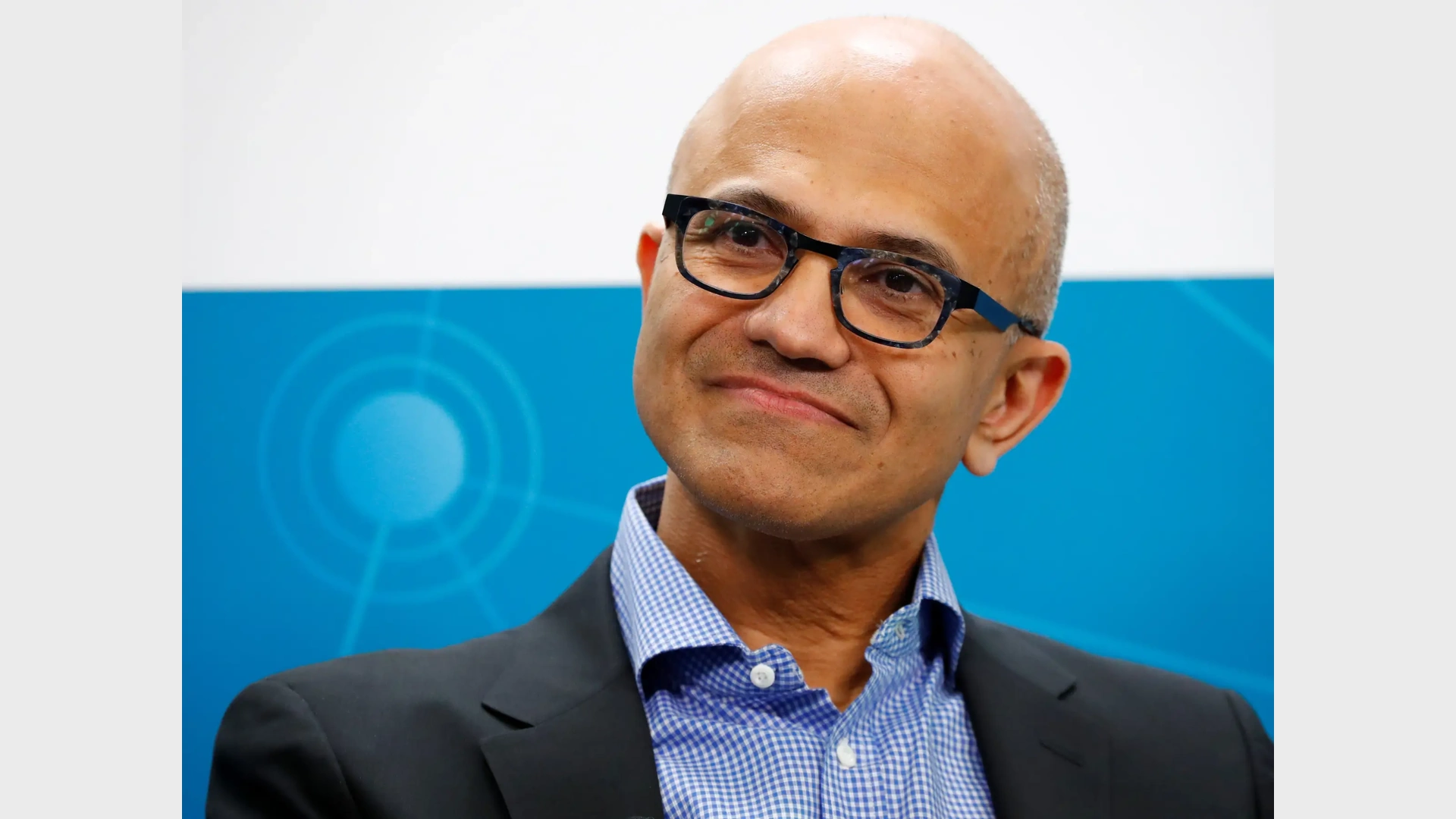
The rapid rise of artificial intelligence is reshaping the business models of global software companies. For years, enterprise software firms have depended on one powerful formula: charge companies based on the number of employees using their platforms. Every worker typically represents a paid software seat, making workforce size closely linked to recurring revenue.
Now, the arrival of advanced AI agents has introduced a serious question across the technology industry. If businesses can automate tasks and rely on fewer human workers, will they need fewer software licenses as well?
Recent comments from Satya Nadella and Rajesh Jha suggest Microsoft may already have an answer.
Microsoft Foundry Introduces a New Model for AI Agents
This week, Microsoft announced an update to its Foundry platform, the company’s infrastructure layer designed to help businesses build, deploy, and manage AI agents.
The new feature, called Hosted Agents in Foundry Agent Service, is now available in public preview. The launch drew attention after Nadella shared a notable statement that could signal the future of enterprise software pricing.
He said every AI agent will need its own computer.
That phrase reflects more than marketing language. Microsoft is effectively positioning AI agents as independent digital workers that require their own secure computing environments.
Each hosted agent receives a dedicated enterprise grade sandbox in the cloud. This includes durable memory, identity controls, governance features, storage systems, and permission settings.
In practical terms, Microsoft is offering companies a way to give each AI assistant its own secure workspace, similar to how a human employee receives a company account, credentials, files, and access permissions.
Why Software Companies Are Watching Closely
The software industry has long benefited from seat based pricing. Companies pay per employee for tools such as productivity suites, collaboration software, CRM systems, and security platforms.
If AI makes workers significantly more productive, businesses may choose to operate with fewer people. That could reduce software seat counts and weaken one of the industry’s most dependable revenue engines.
This fear has quietly grown as agentic AI becomes more capable. Unlike basic chatbots, AI agents can perform tasks, manage workflows, retrieve information, coordinate processes, and interact across enterprise systems.
For software companies, fewer human workers could mean fewer paying users.
Microsoft now appears to be reframing the issue entirely.
Rajesh Jha’s Seat Opportunity Theory
Earlier this month, Rajesh Jha presented a different perspective. Instead of seeing AI as a threat to licensing models, he described AI agents as new users inside enterprise systems.
According to Jha, these digital agents will need their own logins, inboxes, identities, permissions, and system access. If they operate like users, they may also need to be licensed like users.
He described these embodied agents as seat opportunities.
The idea is simple but powerful.
If a company once paid for 50 human employees, it may continue paying for 50 total seats even after workforce reductions. For example, the business could have 10 human employees and 40 AI agents, still requiring licenses across systems.
That means companies trying to cut labor costs may still maintain or even expand software spending as they adopt AI powered operations.
Nadella’s Statement May Confirm the Strategy
Nadella’s comment that every agent needs its own computer aligns closely with Jha’s earlier argument.
If every AI agent needs dedicated infrastructure, identity systems, and governance controls, then each agent becomes a billable unit of enterprise value.
This could protect software companies from the feared collapse of seat based revenue models.
Instead of losing customers as companies shrink human headcount, vendors may gain a new category of paying users: AI workers.
That possibility explains why Microsoft’s announcement has attracted attention far beyond a normal product update.
What This Means for Businesses
For enterprise customers, AI agents may create both efficiency gains and new expenses.
Businesses could reduce manual workloads, speed up operations, and improve productivity with digital workers that run continuously. However, those same agents may require subscriptions, infrastructure costs, identity management, storage, security oversight, and software licensing.
The result may be a shift in spending rather than a reduction in spending.
Companies may spend less on some labor functions while spending more on AI systems and enterprise software ecosystems.
That would represent a major transformation in how corporate technology budgets are structured.
Why Microsoft Is in a Strong Position
Microsoft holds a powerful advantage because it already controls many of the tools businesses use every day.
Its ecosystem includes Microsoft cloud services, workplace productivity software, security products, developer tools, and AI platforms. If AI agents become standard digital workers, Microsoft can supply the infrastructure, identity systems, governance layers, and productivity environments they need.
This creates multiple monetization paths from a single trend.
It also helps explain why Microsoft continues to invest aggressively in enterprise AI rather than treating automation as a risk.
A Turning Point for the Software Industry
The biggest fear among enterprise software firms has been that AI could reduce the number of paying human users. Microsoft’s emerging vision suggests the opposite may happen.
Human seats may decline, but AI seats could rise.
If that model succeeds, the next generation of enterprise customers may include both employees and digital agents working side by side.
For the broader industry, this could become one of the most important pricing shifts since cloud subscriptions replaced traditional software licenses.
For now, one message from Microsoft is becoming clear: the AI era may not shrink software revenue models. It may rebuild them around a new workforce entirely.
Edit Profile
Help improve @KR

Was this page helpful to you?
Contact Khogendra Rupini
Are you looking for an experienced developer to bring your website to life, tackle technical challenges, fix bugs, or enhance functionality? Look no further.
I specialize in building professional, high-performing, and user-friendly websites designed to meet your unique needs. Whether it's creating custom JavaScript components, solving complex JS problems, or designing responsive layouts that look stunning on both small screens and desktops, I can collaborate with you.
Create something exceptional with us. Contact us today
Open for Collaboration
If you're looking to collaborate, I'm available for a variety of professional services, including -
- Website Design & Development
- Advertisement & Promotion Setup
- Hosting Configuration & Deployment
- Front-end & Back-end Code Implementation
- Code Testing & Optimization
- Cybersecurity Solutions & Threat Prevention
- Website Scanning & Malware Removal
- Hacked Website Recovery
- PHP & MySQL Development
- Python Programming
- Web Content Writing
- Protection Against Hacking Attempts