
Calibrated AI Can Speed Up Case Disposal but Human Judgment Must Lead, Madras High Court Judges Say at Chennai Event
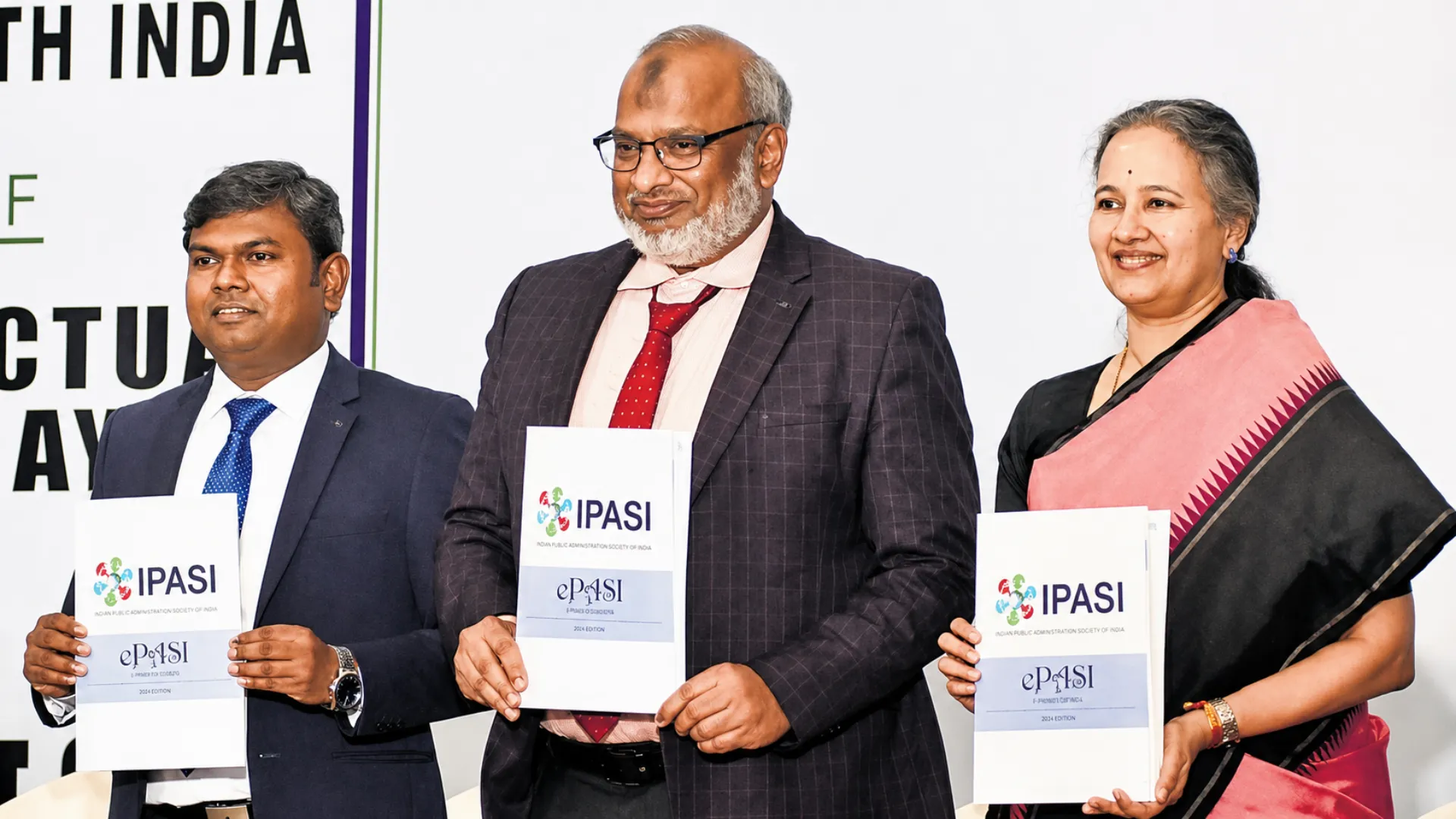
Artificial intelligence can significantly improve the speed and efficiency of case disposal when used carefully, but it cannot replace human judgment, empathy, and fairness in the delivery of justice. That was the central message shared by judges of the Madras High Court during a panel discussion in Chennai held on the occasion of Intellectual Property Day.
The discussion was organised by the Intellectual Property Association of South India and focused on the growing role of AI in the judicial system. Senior members of the judiciary highlighted both the promise and the limitations of emerging technologies, stressing that innovation must remain under human supervision.
Judiciary Sees Value in Responsible AI Adoption
Speaking at the event, Justice N Anand Venkatesh said artificial intelligence has already shown clear advantages in handling time consuming legal processes. He pointed to document searches as one of the strongest examples of how technology can support judges, lawyers, and court staff.
According to him, tasks that once required several hours or even days of manual review can now be completed within seconds through AI powered tools. This improvement, he noted, can help courts save valuable time and direct greater focus toward legal reasoning and case resolution.
Justice Venkatesh also referred to the possible use of AI in recording depositions. He said such systems could transcribe spoken proceedings and generate usable final text in a short time. That would reduce delays and administrative burdens while improving efficiency inside courtrooms.
His remarks reflected a practical view increasingly seen across institutions worldwide, where artificial intelligence is being examined as a productivity tool rather than a replacement for professional expertise.
Gradual Movement Toward Technology Is Necessary
Justice Venkatesh also observed that the judiciary must move gradually toward adopting AI tools. He indicated that technological transition is no longer optional in the modern legal environment.
Courts across many jurisdictions face growing caseloads, documentation pressure, procedural delays, and rising expectations for faster access to justice. In that context, digital systems are becoming more relevant for streamlining workflows.
However, his emphasis on gradual adoption suggested that judicial systems should proceed carefully, test solutions properly, and ensure safeguards are in place before wider implementation.
This balanced approach is especially important in courts, where decisions affect rights, liberty, property, and public trust.
Human Thinking Cannot Be Replaced
Justice PT Asha offered an important caution during the discussion. While acknowledging the usefulness of AI as a tool, she expressed reservations about allowing technology to influence judicial thinking itself.
She said artificial intelligence cannot substitute human thought, particularly where compassion, empathy, and equity are required. These qualities often play a central role in justice delivery, especially in complex or sensitive disputes.
Her comments underscored one of the most widely debated questions in legal technology today. AI systems can analyse patterns, retrieve information, and process language quickly, but they do not possess moral judgment or lived human understanding.
Legal decisions often require consideration of circumstance, fairness, proportionality, and human impact. Those dimensions remain deeply human responsibilities.
AI Must Remain a Tool, Not a Controller
Justice Asha further warned that technology should be used as an instrument of assistance rather than something that dominates institutions.
She said if clear boundaries are maintained, AI can become a major benefit. Her reference to drawing a “lakshman rekha” symbolised the need for firm limits and disciplined governance in the use of artificial intelligence.
That perspective aligns with global conversations around responsible AI. Experts often call for transparency, accountability, privacy protection, human oversight, and clear ethical standards when deploying automated systems.
For the judiciary, these principles are especially critical because trust in courts depends not only on speed, but also on fairness, independence, and legitimacy.
Chennai Event Highlights Legal Modernisation
The panel discussion was organised by the Intellectual Property Association of South India as part of Intellectual Property Day observances in Chennai. The event brought attention to how legal institutions are adapting to new realities shaped by technology.
Justice Anita Sumanth also delivered an address during the programme on sports and intellectual property rights, adding another dimension to the day’s discussions.
Such events reflect the increasing overlap between law, innovation, and public policy. From intellectual property disputes to digital evidence and AI governance, courts are facing issues that were rare or nonexistent just a generation ago.
Why This Debate Matters Now
The discussion in Chennai comes at a time when judicial systems around the world are studying how AI can support faster administration of justice. Many courts face backlogs, paperwork burdens, and rising case volumes.
Used wisely, AI can assist with transcription, research support, scheduling, document management, and data organisation. These applications may help reduce routine delays and improve access to courts.
But the judges’ comments made one point clear: efficiency cannot come at the cost of humanity. Justice is not merely a technical outcome. It involves fairness, dignity, and reasoned judgment.
That is why calibrated use of AI, rather than uncontrolled dependence on it, is emerging as the preferred path.
A Measured Future for Courts
The remarks from the Madras High Court judges present a thoughtful roadmap for the future. Artificial intelligence can strengthen judicial administration, save time, and help manage growing workloads. Yet final decisions must remain guided by trained human minds capable of empathy and balanced reasoning.
As courts continue to modernise, the message from Chennai is likely to resonate far beyond one event. Technology may accelerate processes, but justice must always remain human at its core.
Edit Profile
Help improve @KR

Was this page helpful to you?
Contact Khogendra Rupini
Are you looking for an experienced developer to bring your website to life, tackle technical challenges, fix bugs, or enhance functionality? Look no further.
I specialize in building professional, high-performing, and user-friendly websites designed to meet your unique needs. Whether it's creating custom JavaScript components, solving complex JS problems, or designing responsive layouts that look stunning on both small screens and desktops, I can collaborate with you.
Create something exceptional with us. Contact us today
Open for Collaboration
If you're looking to collaborate, I'm available for a variety of professional services, including -
- Website Design & Development
- Advertisement & Promotion Setup
- Hosting Configuration & Deployment
- Front-end & Back-end Code Implementation
- Code Testing & Optimization
- Cybersecurity Solutions & Threat Prevention
- Website Scanning & Malware Removal
- Hacked Website Recovery
- PHP & MySQL Development
- Python Programming
- Web Content Writing
- Protection Against Hacking Attempts