
Elon Musk Drops Key Fraud Claims Against OpenAI Before Trial as Court Battle Narrows to Two High Stakes Issues
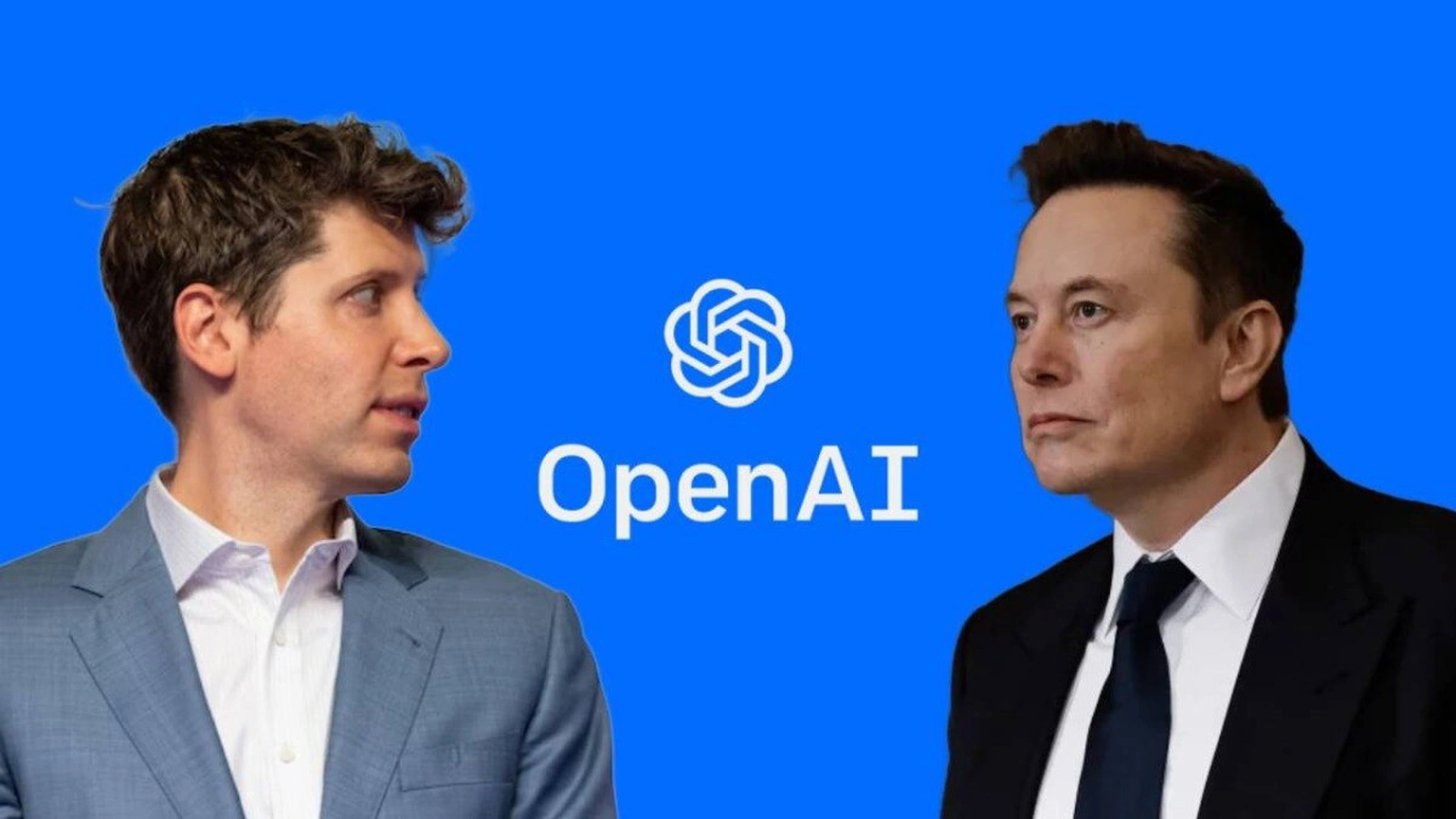
The long running legal dispute between Elon Musk and OpenAI has entered a critical new phase after Musk significantly reduced the scope of his lawsuit just days before trial proceedings were due to begin. The move reshapes one of the most closely watched courtroom battles in the global artificial intelligence industry and places renewed focus on the future governance of one of the world’s most influential AI organisations.
The revised case now centers on two principal allegations instead of the broader list originally filed. With jury selection scheduled in federal court in Oakland, California, attention has shifted from a sprawling legal confrontation to a narrower but still potentially consequential fight over money, governance, and OpenAI’s founding mission.
Musk Narrows the Case Before Trial
According to reports, US District Judge Yvonne Gonzalez Rogers approved Musk’s request to streamline the complaint. That decision removes numerous fraud related allegations that had previously formed a large portion of the legal challenge.
Musk’s earlier complaint, filed in November 2024, contained 26 separate allegations against OpenAI and its leadership. After the latest revision, only two claims will proceed in the first phase of trial.
Those claims are:
Unjust enrichment
Breach of charitable trust
This sharp reduction changes the tone of the case. Rather than litigating a wide array of accusations, the court will now concentrate on whether OpenAI improperly benefited from structural changes and whether its conduct conflicted with obligations tied to its original nonprofit mission.
The Core Dispute Over OpenAI’s Mission
At the heart of Musk’s complaint is the claim that OpenAI moved away from the principles on which it was founded. Musk argues that the company was originally created to develop artificial intelligence for the benefit of humanity under a nonprofit model.
He alleges that OpenAI later shifted direction after receiving major backing from Microsoft and restructuring key parts of the business around a for profit framework.
That argument has become central to the broader public debate around AI governance. As advanced models become more powerful and commercially valuable, critics and supporters alike continue to question whether public benefit missions can remain intact when billions of dollars in investment are involved.
OpenAI has repeatedly rejected Musk’s claims and has described the allegations as without merit.
What Happens in Court Next
The first phase of the trial is expected to focus on evidence, witness testimony, and legal arguments tied to the two remaining claims.
A jury is set to hear the case and deliver an advisory verdict. While the jury’s findings may carry weight, the final decision will remain with Judge Gonzalez Rogers.
That means the court retains significant authority over how the case is ultimately resolved, even after jurors review the evidence.
If the proceedings move into a second phase, the judge is expected to hear arguments regarding remedies Musk is seeking.
Musk’s Demands Could Reshape OpenAI
The remedies requested by Musk are unusually sweeping and could have major implications if granted.
Reports indicate Musk is seeking damages worth as much as $134 billion. He has also said that any money awarded should go to OpenAI’s charitable arm rather than to him personally.
In addition to financial claims, Musk is reportedly asking the court to order structural changes that include:
Restoring OpenAI as a nonprofit research organisation
Removing Sam Altman as chief executive officer
Removing Greg Brockman as president
Those requests show that the lawsuit is not only about damages. It is also about control, mission, and the future direction of one of the leading AI developers in the world.
Why the Case Matters Beyond the Parties Involved
This dispute has drawn global attention because it touches issues far larger than a disagreement between founders and executives.
The case raises important questions such as:
Can nonprofit technology missions survive large scale commercial investment
How should AI companies balance public benefit with shareholder style incentives
What legal responsibilities exist when founding principles evolve over time
Should courts intervene in disputes over AI governance
Because OpenAI has become a central player in the race to develop advanced AI systems, the outcome may influence how future companies structure themselves and communicate their missions to investors, regulators, and the public.
OpenAI Pushes Back
OpenAI, along with Altman, Brockman, and Microsoft, has denied wrongdoing. The company reportedly criticized Musk’s legal strategy earlier this month, arguing that new remedies were introduced too close to trial.
That response reflects the increasingly adversarial tone between both sides. Once linked through OpenAI’s early history, Musk and the company are now positioned as rivals in the AI race, particularly after Musk launched xAI.
The legal contest therefore carries both personal and competitive dimensions.
A Defining Moment for the AI Industry
With the case now narrowed, the courtroom battle may move faster and focus more directly on core questions of governance and accountability. Even without the broader fraud allegations, the remaining claims still carry serious reputational and structural stakes.
For Musk, the trial offers an opportunity to challenge the path OpenAI has taken since its early nonprofit roots.
For OpenAI, it is a chance to defend its transformation and current leadership at a time when AI companies face rising scrutiny worldwide.
Whatever the final ruling, the proceedings are likely to become a landmark chapter in the history of artificial intelligence, corporate control, and the struggle over who shapes the future of powerful new technologies.
Edit Profile
Help improve @KR

Was this page helpful to you?
Contact Khogendra Rupini
Are you looking for an experienced developer to bring your website to life, tackle technical challenges, fix bugs, or enhance functionality? Look no further.
I specialize in building professional, high-performing, and user-friendly websites designed to meet your unique needs. Whether it's creating custom JavaScript components, solving complex JS problems, or designing responsive layouts that look stunning on both small screens and desktops, I can collaborate with you.
Create something exceptional with us. Contact us today
Open for Collaboration
If you're looking to collaborate, I'm available for a variety of professional services, including -
- Website Design & Development
- Advertisement & Promotion Setup
- Hosting Configuration & Deployment
- Front-end & Back-end Code Implementation
- Code Testing & Optimization
- Cybersecurity Solutions & Threat Prevention
- Website Scanning & Malware Removal
- Hacked Website Recovery
- PHP & MySQL Development
- Python Programming
- Web Content Writing
- Protection Against Hacking Attempts