
Microsoft Shares Fall After OpenAI Ends Exclusive Access, Amazon Gains as AI Cloud Race Widens
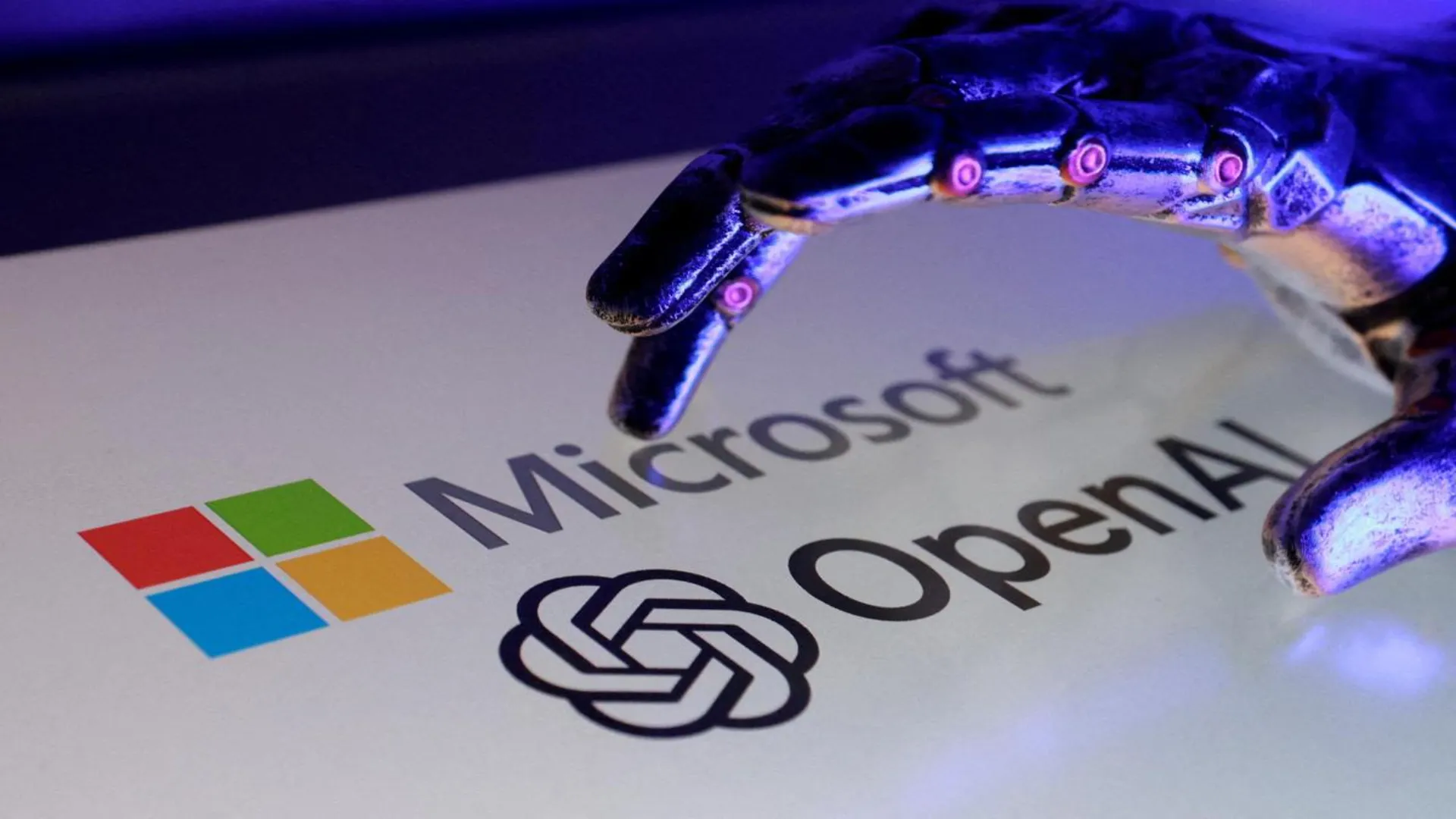
Microsoft shares slipped on Monday after OpenAI announced major changes to its long standing partnership with the software giant, ending the exclusive access Microsoft once held to OpenAI technology. The market reaction reflected investor concerns that Microsoft may no longer enjoy the same strategic advantage it had in the rapidly expanding artificial intelligence sector.
At the same time, Amazon shares moved higher, signaling that investors see fresh opportunities for rivals as OpenAI gains greater freedom to work with multiple cloud providers.
The revised agreement marks an important shift in one of the most closely watched alliances in the technology industry. It also highlights how competition in AI infrastructure, cloud computing, and enterprise software is entering a new phase.
Microsoft Stock Drops as Partnership Terms Change
Shares of MSFT, the stock ticker for Microsoft, declined about 2 percent after details of the restructured agreement became public.
For years, Microsoft’s partnership with OpenAI was seen as one of the company’s most valuable strategic bets. Microsoft invested heavily in OpenAI and integrated its models into products across enterprise software, developer tools, and cloud services.
A key element of that relationship was Microsoft’s privileged access to OpenAI technology. With exclusivity now removed, investors appear to be reassessing the long term benefits Microsoft can extract from the alliance.
OpenAI Gains Freedom to Work With Other Platforms
Under the new terms, OpenAI is no longer tied to a single infrastructure partner. The company can now collaborate with other cloud providers and deploy its products across multiple platforms.
That opens the door for competitors such as Amazon through Amazon Web Services, commonly known as AWS.
Amazon shares rose roughly 1 percent after the announcement, reflecting expectations that AWS could benefit if OpenAI chooses to expand workloads beyond Microsoft Azure.
This development matters because cloud providers generate significant revenue from AI training, model hosting, enterprise deployment, and data processing demand. Winning high profile AI customers can strengthen both revenue growth and market perception.
Microsoft Keeps Access, But No Longer Alone
Although exclusivity has ended, Microsoft still retains important rights under the revised arrangement.
The company will continue to license OpenAI models and products through 2032. However, those rights are now non exclusive, meaning OpenAI can offer similar access to other partners.
That distinction is crucial. Microsoft still remains deeply connected to OpenAI’s ecosystem, but it no longer stands as the sole gateway for enterprise customers seeking OpenAI powered services through a single strategic channel.
For investors, the difference between exclusive and non exclusive access can have major valuation implications, especially in a market where AI leadership is increasingly tied to platform control.
Azure Remains a Priority Partner
Microsoft’s Microsoft Azure remains OpenAI’s principal cloud partner under the new framework.
According to the announced terms, OpenAI products are generally expected to launch first on Azure. However, if Microsoft cannot provide the necessary infrastructure capacity or declines to support specific requirements, OpenAI can turn elsewhere.
This clause reflects the growing strain that large scale AI computing places on global data centers. Advanced models require massive computing power, specialized chips, and reliable energy resources.
By allowing more flexibility, OpenAI can reduce dependency on one provider while expanding faster to meet global demand.
Revenue Sharing Structure Also Revised
The financial side of the relationship has also changed.
Microsoft will no longer make revenue sharing payments to OpenAI under the previous structure. Instead, OpenAI will continue making revenue sharing payments to Microsoft through 2030.
Those payments reportedly maintain the earlier percentage arrangement, but now come with an overall cap. This means Microsoft may still receive substantial value from the relationship, though future upside could be more limited than before.
The earlier model reportedly tied certain terms to OpenAI’s development milestones. The new framework removes some of those conditions, creating a more predictable commercial structure.
Why Investors Reacted Quickly
Wall Street often prices technology partnerships based not only on present earnings, but on future strategic control.
Microsoft’s close relationship with OpenAI helped strengthen confidence in Azure, boosted demand for AI enterprise products, and reinforced the company’s image as a leader in the next computing cycle.
With exclusivity gone, investors may now believe that OpenAI’s benefits will be shared across a wider field of competitors.
That does not mean Microsoft is losing OpenAI. Instead, it means the competitive moat may be narrower than before.
What This Means for the AI Industry
The announcement may be remembered as a turning point in the commercial AI race.
Until now, many viewed Microsoft as OpenAI’s clear and dominant infrastructure ally. The revised terms suggest a more open ecosystem where multiple providers can compete for workloads, enterprise contracts, and future AI deployments.
That could accelerate innovation across the industry. Companies may compete harder on price, chip availability, speed, security, and developer tools.
For businesses using AI services, broader competition could eventually bring more options and improved pricing.
What Remains Unchanged
Despite the restructuring, several core parts of the relationship remain intact.
Microsoft still holds a significant equity stake in OpenAI. Both companies also confirmed continued cooperation in areas such as data center expansion, advanced silicon initiatives, and AI driven cybersecurity systems.
In practical terms, the partnership is evolving rather than ending.
That distinction matters. Microsoft remains one of the most influential forces in AI, while OpenAI continues to rely on deep infrastructure relationships to scale its products globally.
Outlook for Microsoft and Amazon
For Microsoft, near term market pressure may continue if investors worry about reduced exclusivity. However, the company still owns powerful assets including Azure, enterprise distribution, productivity software, developer ecosystems, and existing OpenAI integrations.
For Amazon, even the possibility of hosting OpenAI workloads can be viewed positively. AWS remains one of the world’s largest cloud providers, and any expansion in premium AI demand could support future growth.
Final Take
Monday’s market reaction showed how sensitive investors remain to any change in the balance of power within artificial intelligence.
Microsoft’s shares fell because a once unique advantage became more open to competition. Amazon rose because opportunity expanded.
Yet the bigger story may be this: the AI market is maturing. Instead of exclusive alliances defining winners, the next stage may depend on scale, execution, infrastructure strength, and who can serve customers best.
In that environment, every major technology company still has much to play for.
Edit Profile
Help improve @KR

Was this page helpful to you?
Contact Khogendra Rupini
Are you looking for an experienced developer to bring your website to life, tackle technical challenges, fix bugs, or enhance functionality? Look no further.
I specialize in building professional, high-performing, and user-friendly websites designed to meet your unique needs. Whether it's creating custom JavaScript components, solving complex JS problems, or designing responsive layouts that look stunning on both small screens and desktops, I can collaborate with you.
Create something exceptional with us. Contact us today
Open for Collaboration
If you're looking to collaborate, I'm available for a variety of professional services, including -
- Website Design & Development
- Advertisement & Promotion Setup
- Hosting Configuration & Deployment
- Front-end & Back-end Code Implementation
- Code Testing & Optimization
- Cybersecurity Solutions & Threat Prevention
- Website Scanning & Malware Removal
- Hacked Website Recovery
- PHP & MySQL Development
- Python Programming
- Web Content Writing
- Protection Against Hacking Attempts