
China blocks Meta’s reported $2 billion Manus deal in setback to Zuckerberg’s AI expansion plans
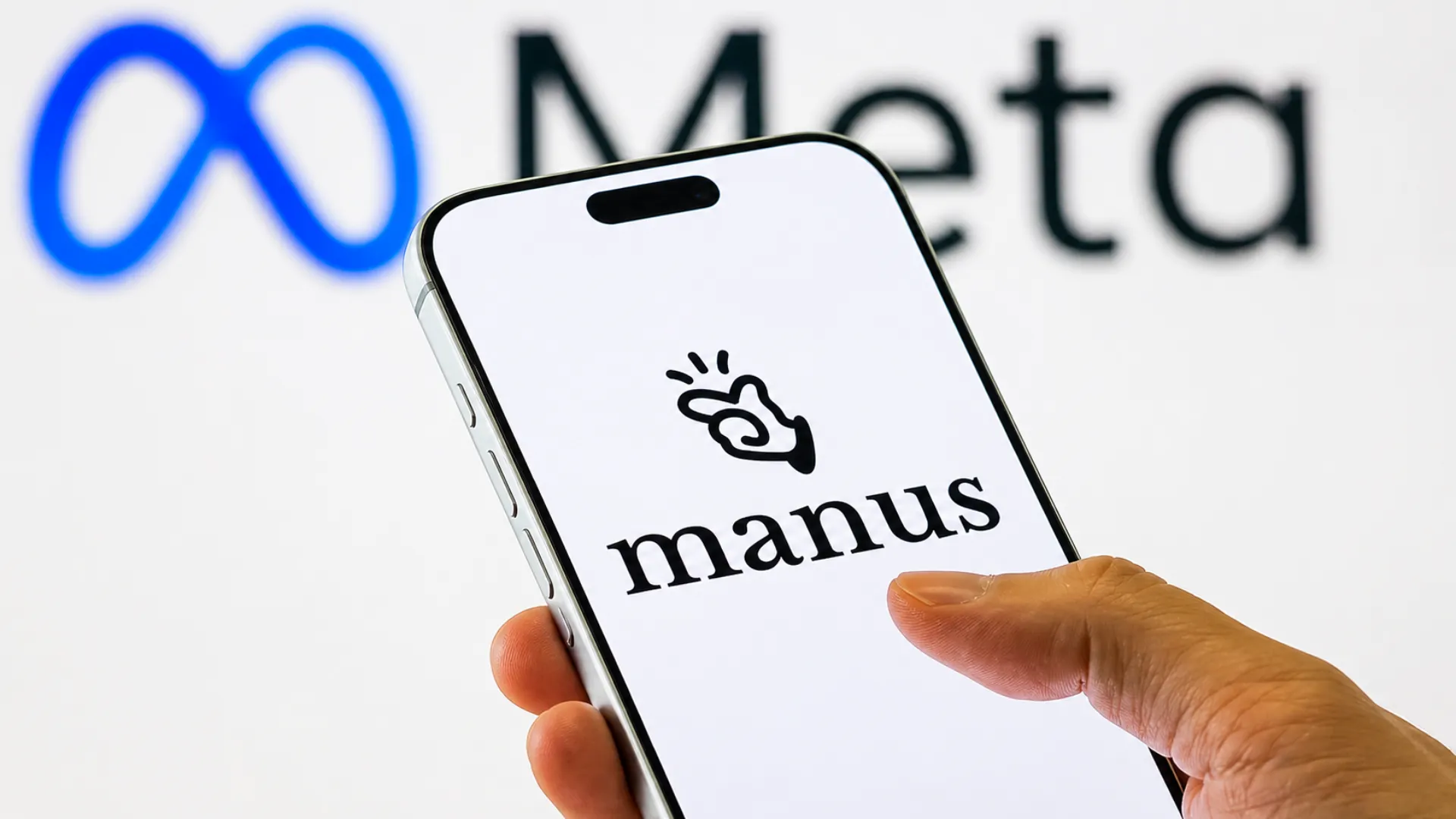
China has reportedly blocked Meta Platforms from acquiring artificial intelligence startup Manus in a move that underscores the growing geopolitical battle over advanced AI technology, cross border investments, and control of strategic innovation.
According to reports cited by Times of India and the South China Morning Post, Chinese regulators ordered both sides to cancel the proposed transaction, which was said to be valued at around $2 billion. The decision is being viewed as a significant setback for Mark Zuckerberg and Meta Platforms as the company seeks to strengthen its position in the increasingly competitive global AI race.
China moves to stop transfer of sensitive AI technology
The reported intervention came from China’s National Development and Reform Commission, the country’s top economic planning body. Officials are said to have raised concerns over whether the deal could violate export control rules and national security safeguards tied to sensitive artificial intelligence systems.
The decision reflects a broader strategy from China to keep advanced domestic technologies from moving into foreign ownership, especially when the buyer is a major American technology company.
Beijing has steadily tightened oversight of strategic sectors in recent years, including semiconductors, advanced manufacturing, and AI. Officials increasingly view cutting edge algorithms and large scale computing systems as assets tied not only to business growth but also to long term national power.
Why Manus became an attractive target
Manus reportedly gained attention in early 2025 after introducing what it described as the world’s first general AI agent. The company said its software could carry out complex tasks on behalf of users, moving beyond simple chatbot functions into autonomous digital assistance.
That positioning appears to have made Manus a valuable target for investors and major technology firms seeking the next generation of AI products.
Although Manus was officially registered in Singapore, reports said much of its core technology was developed by teams based in Beijing and Wuhan. This reportedly became a central concern for Chinese regulators.
Concerns over relocation and technology leakage
Reports indicate Manus had begun shifting parts of its operations to Singapore while reducing its presence on Chinese social media platforms. Regulators allegedly viewed that transition as a potential route for domestic innovation to be transferred overseas before being purchased by foreign companies.
Chinese officials have become increasingly sensitive to what some policymakers describe as technology leakage, where talent, intellectual property, or strategically valuable products move abroad through corporate restructurings, offshore registrations, or acquisitions.
Blocking the Meta transaction sends a clear message that such pathways will face closer scrutiny.
A wider US China technology confrontation
The reported deal collapse comes amid worsening technology tensions between the United States and China.
Washington has imposed restrictions in recent years on exports of advanced AI chips and related technologies to China. American policymakers have also pushed measures aimed at limiting US investment into Chinese sectors considered strategically important, including AI and semiconductors.
At the same time, China has responded with tighter controls of its own, particularly in areas involving algorithms, data, and sensitive digital systems.
The result is an increasingly fragmented global technology landscape where major transactions now face not only business review but also political and security barriers.
What it means for Meta
For Meta, the reported rejection highlights the difficulty of using acquisitions to accelerate AI growth in highly sensitive jurisdictions.
The company has invested heavily in artificial intelligence across products such as advertising systems, recommendation engines, and generative AI tools. It has also competed directly with rivals including Google, Microsoft, OpenAI, and Amazon.
If the Manus technology was seen as strategically valuable, losing access could slow Meta’s ability to secure outside breakthroughs through acquisition and may force the company to rely more heavily on internal research, partnerships, or minority investments.
What it means for global startups
The case may also reshape how startups structure themselves. Many emerging technology companies register in neutral jurisdictions such as Singapore while maintaining engineering operations elsewhere. That model can help with fundraising and global expansion, but it may now attract greater regulatory attention when sensitive technologies are involved.
Founders operating across multiple countries may need to consider export laws, ownership rules, data governance, and political risk much earlier than in the past.
Investors watch next phase of AI dealmaking
Investors worldwide are closely monitoring whether future AI mergers and acquisitions will face similar resistance. As AI becomes more economically valuable, governments are likely to treat leading models, chips, and software systems with the same seriousness once reserved for energy, defense, or telecom infrastructure.
That means headline grabbing deals may become harder to complete, especially when they involve rivalry between the world’s two largest economies.
The bigger picture
Whether or not the reported Meta Manus transaction would have transformed the AI market, its collapse highlights a larger truth. The race for artificial intelligence is no longer only about talent, funding, and innovation. It is now equally about sovereignty, control, and who gets to own the next generation of transformative technology.
For Meta and Mark Zuckerberg, the setback may be immediate. For the global tech industry, the consequences could last much longer.
Edit Profile
Help improve @KR

Was this page helpful to you?
Contact Khogendra Rupini
Are you looking for an experienced developer to bring your website to life, tackle technical challenges, fix bugs, or enhance functionality? Look no further.
I specialize in building professional, high-performing, and user-friendly websites designed to meet your unique needs. Whether it's creating custom JavaScript components, solving complex JS problems, or designing responsive layouts that look stunning on both small screens and desktops, I can collaborate with you.
Create something exceptional with us. Contact us today
Open for Collaboration
If you're looking to collaborate, I'm available for a variety of professional services, including -
- Website Design & Development
- Advertisement & Promotion Setup
- Hosting Configuration & Deployment
- Front-end & Back-end Code Implementation
- Code Testing & Optimization
- Cybersecurity Solutions & Threat Prevention
- Website Scanning & Malware Removal
- Hacked Website Recovery
- PHP & MySQL Development
- Python Programming
- Web Content Writing
- Protection Against Hacking Attempts