
EU Orders Google to Open Android and Gemini Features to AI Rivals, Raising Pressure on Big Tech Under DMA
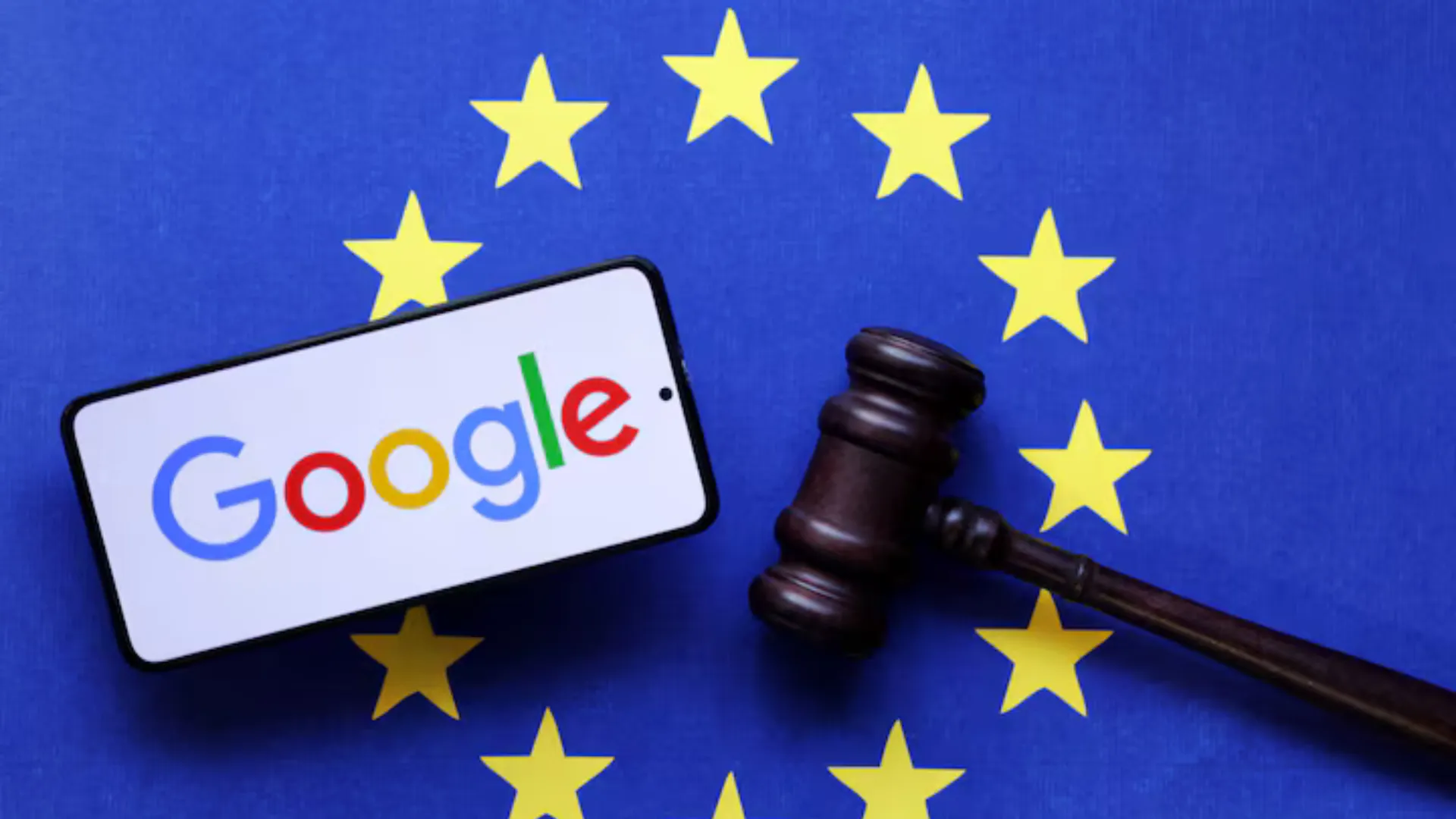
The European Union has intensified its regulatory push against major technology companies by asking Google to make key Android and artificial intelligence features more accessible to rival services. The move is part of the bloc’s enforcement of the Digital Markets Act, a landmark law designed to curb market dominance and expand consumer choice across digital platforms.
European regulators said the proposed measures are intended to ensure that competing AI assistants can interact properly with apps installed on Android devices and perform everyday tasks chosen by users. That could include sending emails through a preferred mail app, sharing photos, booking services, or ordering food through third party platforms instead of relying only on Google’s own ecosystem.
The latest action places Google under renewed scrutiny as regulators examine whether the company is giving unfair preference to its own AI products, especially Gemini, within the Android operating system.
EU Pushes for More Choice on Android Devices
According to the European Commission, the proposed changes are aimed at ensuring fair competition while giving users more freedom over which AI assistant they use on their smartphones.
Officials believe that many core Android capabilities remain too closely tied to Google’s own services. If rival developers receive equal system level access, alternative AI tools could respond to voice commands, manage tasks across apps, and operate in a way similar to Gemini.
The Commission said Android users across the European Union should be able to choose from a wider range of AI services rather than being limited by default integrations.
This marks another significant test case under the Digital Markets Act, commonly known as the DMA. The law applies to the world’s largest digital platforms classified as gatekeepers and requires them to open markets to smaller competitors.
What Regulators Want Google to Change
The proposals focus on interoperability, a term used to describe how different software systems work together. In practical terms, regulators want rival AI assistants to communicate with Android apps and hardware in the same way Google’s own tools can.
That means a user could potentially install another AI assistant and ask it to send a message, open a navigation app, control device functions, or complete tasks through chosen third party services.
Regulators argue that without such access, competitors face structural disadvantages because users naturally remain within Google’s built in ecosystem.
The move also reflects growing importance of AI assistants as the next major battleground in consumer technology. Smartphone operating systems increasingly serve as gateways to generative AI tools, making control of mobile platforms strategically valuable.
Google Pushes Back Over Privacy and Security
Google strongly criticized the EU proposals, calling them unnecessary intervention that could increase costs and weaken important privacy and security protections for European users.
The company says Android is already an open ecosystem used by multiple manufacturers and developers worldwide. Google also warned that granting broad system access to third party services could expose sensitive device permissions, create technical complexity, and reduce flexibility for phone makers.
Executives have repeatedly argued that overregulation could slow innovation just as AI competition accelerates globally.
For Google, the issue is not only legal but strategic. Gemini has become central to the company’s plan to defend its search, cloud, and mobile businesses against growing competition from other AI firms.
Wider Tensions Between Europe and US Tech Giants
The case also arrives amid political tensions between Brussels and Washington over European digital regulation.
Officials linked to U.S. President Donald Trump have previously criticized the EU’s digital rules, including the Digital Markets Act and the Digital Services Act, arguing that American companies are being disproportionately targeted.
European regulators reject that claim, saying the rules apply based on market power rather than nationality and are intended to protect competition and consumers.
Still, the clash highlights a broader divide over how to regulate powerful tech platforms in the AI era.
No Fine Yet, But Stakes Are High
At this stage, the current process involving Google is not a formal penalty decision. It represents preliminary guidance from regulators following a procedure opened earlier this year.
However, if Brussels later concludes that Google has failed to comply with DMA obligations, the consequences could be severe. Violations under the law can lead to fines of up to 10 percent of a company’s total global annual turnover, with repeat offences facing even tougher penalties.
Google is already dealing with multiple EU regulatory cases. In 2025, the company was hit with a multibillion euro competition fine in a separate case that predated the DMA.
That history means the current negotiations will be closely watched across the technology industry.
Why This Matters for Users
For consumers, the dispute may determine how much freedom they have over future AI experiences on smartphones.
If regulators succeed, Android users in Europe could gain easier access to competing AI assistants with deeper device controls and smoother app integration. That may lead to more innovation, stronger competition, and faster feature development.
If Google’s concerns prove valid, regulators may also need to balance openness with privacy and cybersecurity risks.
The case shows that AI is no longer only about chatbots and productivity tools. It is becoming deeply embedded in mobile operating systems, where decisions about access and control could shape the next decade of digital competition.
A Defining Moment for AI Regulation
The European Union has moved earlier and more aggressively than many regions in trying to regulate large technology platforms. Now it is extending that approach into artificial intelligence infrastructure.
For Google, the challenge is clear: protect innovation while satisfying rules designed to prevent platform lock in.
For rivals, the decision could open one of the most important gateways in consumer technology.
And for users, the outcome may decide whether their next smartphone assistant is chosen by them or chosen for them.
Edit Profile
Help improve @KR

Was this page helpful to you?
Contact Khogendra Rupini
Are you looking for an experienced developer to bring your website to life, tackle technical challenges, fix bugs, or enhance functionality? Look no further.
I specialize in building professional, high-performing, and user-friendly websites designed to meet your unique needs. Whether it's creating custom JavaScript components, solving complex JS problems, or designing responsive layouts that look stunning on both small screens and desktops, I can collaborate with you.
Create something exceptional with us. Contact us today
Open for Collaboration
If you're looking to collaborate, I'm available for a variety of professional services, including -
- Website Design & Development
- Advertisement & Promotion Setup
- Hosting Configuration & Deployment
- Front-end & Back-end Code Implementation
- Code Testing & Optimization
- Cybersecurity Solutions & Threat Prevention
- Website Scanning & Malware Removal
- Hacked Website Recovery
- PHP & MySQL Development
- Python Programming
- Web Content Writing
- Protection Against Hacking Attempts