
Elon Musk vs Sam Altman heads to trial as $134 billion OpenAI battle could reshape the future of artificial intelligence
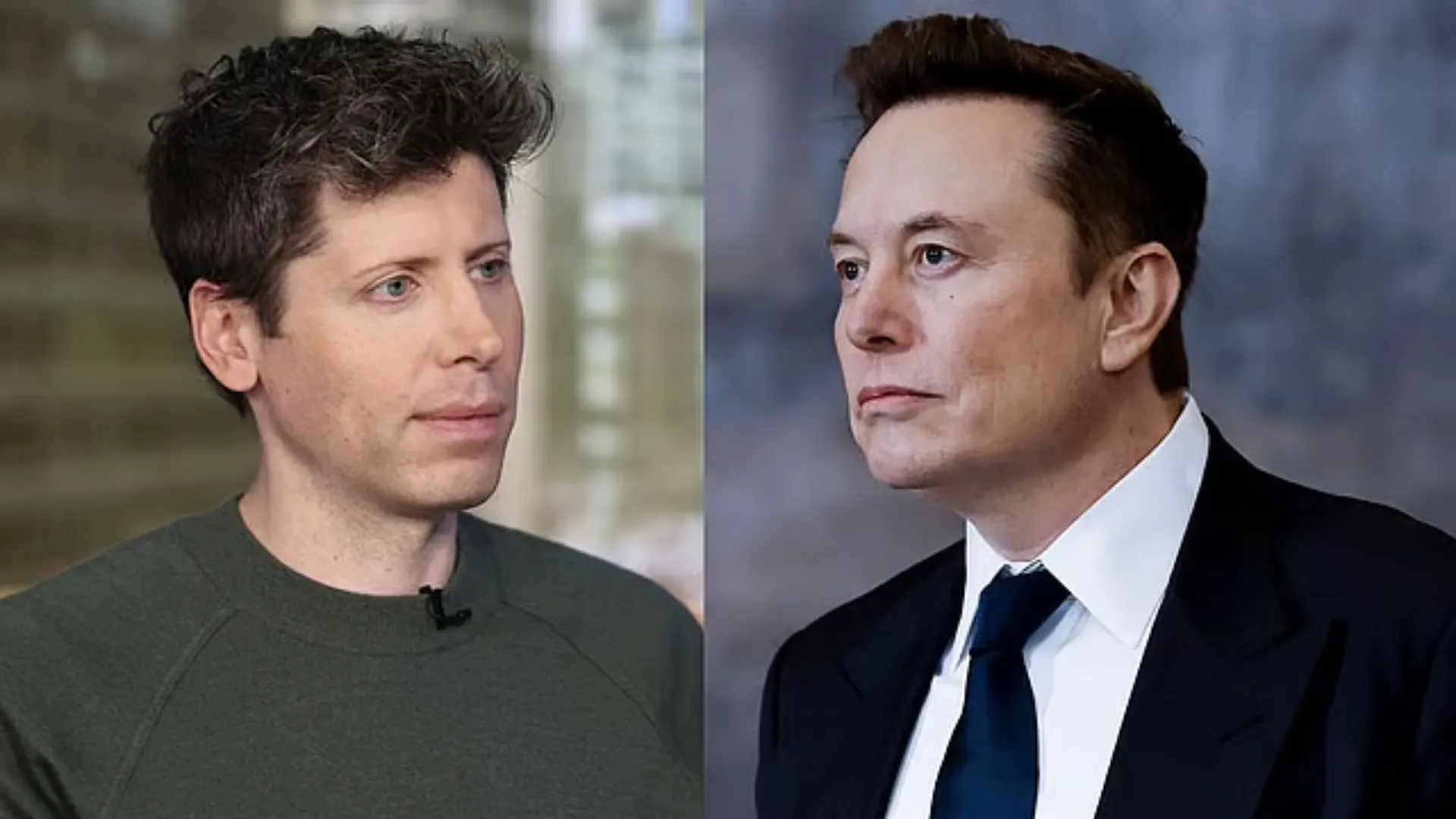
One of the most closely watched legal battles in the technology world has begun in a federal courtroom in Oakland, California, where Elon Musk is challenging the leadership and structure of OpenAI in a case that could have major consequences for the global artificial intelligence industry.
The lawsuit places Musk against OpenAI chief executive Sam Altman, OpenAI president Greg Brockman, and Microsoft. At the center of the dispute is a fundamental question that has followed OpenAI for years: whether the organisation moved away from its original mission of building AI for the benefit of humanity when it adopted a for profit commercial structure.
The trial began with jury selection on April 27 and is expected to continue for about four weeks. With billions of dollars in corporate value, reputational stakes, and the future direction of one of the world’s most influential AI companies involved, the outcome could echo far beyond the courtroom.
How OpenAI’s founders became courtroom rivals
Elon Musk and Sam Altman were among the founding figures behind OpenAI in 2015. The organisation was introduced as a nonprofit research lab with a public interest mission focused on building safe artificial intelligence.
Musk contributed early funding and held a board role during OpenAI’s formative years. But in 2018, he exited the company after internal disagreements over control and strategic direction, according to multiple public accounts.
Years later, after OpenAI rose to global prominence through ChatGPT and other products, Musk returned to challenge the company through the courts. In 2023, he filed legal action claiming OpenAI’s later restructuring into a profit driven entity betrayed the founding principles on which he said he supported the company.
Musk’s main allegations in the case
The legal claims going to trial are narrower than the original lawsuit. Earlier filings reportedly included 26 claims, but only two core allegations remain after dismissals and strategic withdrawals.
Musk’s case now focuses on unjust enrichment and breach of charitable trust.
He argues that OpenAI was backed by supporters, including himself, under the understanding that it would remain dedicated to public benefit rather than investor returns. According to Musk, the later commercial structure created enormous financial value for executives and investors while moving away from the nonprofit mission.
Musk is seeking damages of more than $134 billion. He has stated that any money awarded should go to OpenAI’s nonprofit arm rather than to him personally.
He is also asking the court to remove Altman and Brockman from leadership positions and to require OpenAI to return to a nonprofit structure.
OpenAI’s response and counterarguments
OpenAI has forcefully rejected Musk’s claims and says the lawsuit is without merit. The company argues that Musk’s version of events leaves out critical history from OpenAI’s early years.
According to OpenAI, Musk himself once supported the idea of a for profit model and had explored the possibility of integrating OpenAI more closely with Tesla.
The company also says Musk left in 2018 after failing to gain the level of control he wanted.
On the issue of restructuring, OpenAI contends that commercial capital became essential as the AI race intensified. Building advanced models requires vast computing infrastructure, expensive research talent, and long term investment. Without a new structure that could raise money at scale, the company says it would not have remained competitive.
OpenAI further notes that its nonprofit entity still retains a significant ownership stake and continues to play a role in governance and safety oversight.
Why Microsoft is part of the case
Microsoft is named in the lawsuit because of its deep financial and strategic relationship with OpenAI.
Microsoft invested billions of dollars in OpenAI and integrated OpenAI technology into products across Windows, Azure, and Microsoft 365. The partnership helped OpenAI scale globally while strengthening Microsoft’s position in enterprise AI.
Musk argues that such investment accelerated OpenAI’s shift away from its original public mission. OpenAI and Microsoft reject that characterisation.
Microsoft chief executive Satya Nadella is among the prominent names expected to testify during the proceedings.
A witness list packed with Silicon Valley power
The courtroom battle is expected to feature testimony from some of the most recognisable names in modern technology.
Musk and Altman are both expected to take the stand. Current and former OpenAI board members, senior researchers, and other industry leaders may also testify.
Because of the high public profile of the case, jury selection reportedly required an unusually large pool of potential jurors. The case combines celebrity level recognition, complex corporate governance issues, and one of the most commercially important technologies of the decade.
The legal questions beyond the headlines
While the public focus is on the personal clash between two influential figures, legal experts say the case raises complicated questions about nonprofit law and corporate transitions.
Some scholars have questioned whether a former donor or founder should be able to bring a charitable trust claim in this context. Such claims are often associated with action by state authorities rather than private litigants.
Officials in California and Delaware previously approved aspects of OpenAI’s restructuring under certain conditions, according to public reporting. California’s attorney general has also reportedly declined to join Musk’s lawsuit.
That means the court may need to examine not only OpenAI’s internal decisions, but also whether trust law is the right framework for judging the conduct of a modern AI company operating across nonprofit and commercial entities.
What is really at stake for OpenAI
This case arrives at a critical moment for OpenAI.
The company is widely viewed as a leading force in generative AI and has been linked to expectations of a future public offering. Any ruling that forces structural changes, delays fundraising plans, or removes top leadership could significantly alter that path.
OpenAI’s broader business ecosystem has been valued at more than $300 billion in private markets, making it one of the most valuable private technology groups in the world.
Even if OpenAI prevails, the trial may still expose internal emails, text messages, strategic disagreements, and behind the scenes decisions that shaped the rise of the company.
Why the verdict matters for Musk and xAI
For Musk, victory would not only validate his criticism of OpenAI’s direction. It could also create a strategic opening for xAI, his own AI venture.
As competition intensifies among OpenAI, Google, Anthropic, Meta, Microsoft, and xAI, any disruption to a leading rival could shift talent, investment, and enterprise demand across the market.
Critics of Musk have argued that this competitive backdrop complicates his claim that the lawsuit is purely about principle. Supporters counter that founders should be held accountable to original missions when public benefit is used to attract trust and funding.
A defining moment for the AI era
The trial is more than a dispute between two powerful personalities. It is a test of how artificial intelligence companies should be built, governed, financed, and held accountable as they grow into institutions worth hundreds of billions of dollars.
The verdict could influence how future AI labs structure themselves, how investors engage with mission driven organisations, and how regulators view the balance between innovation and public responsibility.
For now, the world’s most influential AI company faces scrutiny not only over what it builds next, but over how it became what it is today.
Edit Profile
Help improve @KR

Was this page helpful to you?
Contact Khogendra Rupini
Are you looking for an experienced developer to bring your website to life, tackle technical challenges, fix bugs, or enhance functionality? Look no further.
I specialize in building professional, high-performing, and user-friendly websites designed to meet your unique needs. Whether it's creating custom JavaScript components, solving complex JS problems, or designing responsive layouts that look stunning on both small screens and desktops, I can collaborate with you.
Create something exceptional with us. Contact us today
Open for Collaboration
If you're looking to collaborate, I'm available for a variety of professional services, including -
- Website Design & Development
- Advertisement & Promotion Setup
- Hosting Configuration & Deployment
- Front-end & Back-end Code Implementation
- Code Testing & Optimization
- Cybersecurity Solutions & Threat Prevention
- Website Scanning & Malware Removal
- Hacked Website Recovery
- PHP & MySQL Development
- Python Programming
- Web Content Writing
- Protection Against Hacking Attempts