
Elon Musk tells jury Sam Altman ‘stole a charity’ as blockbuster OpenAI trial begins in California
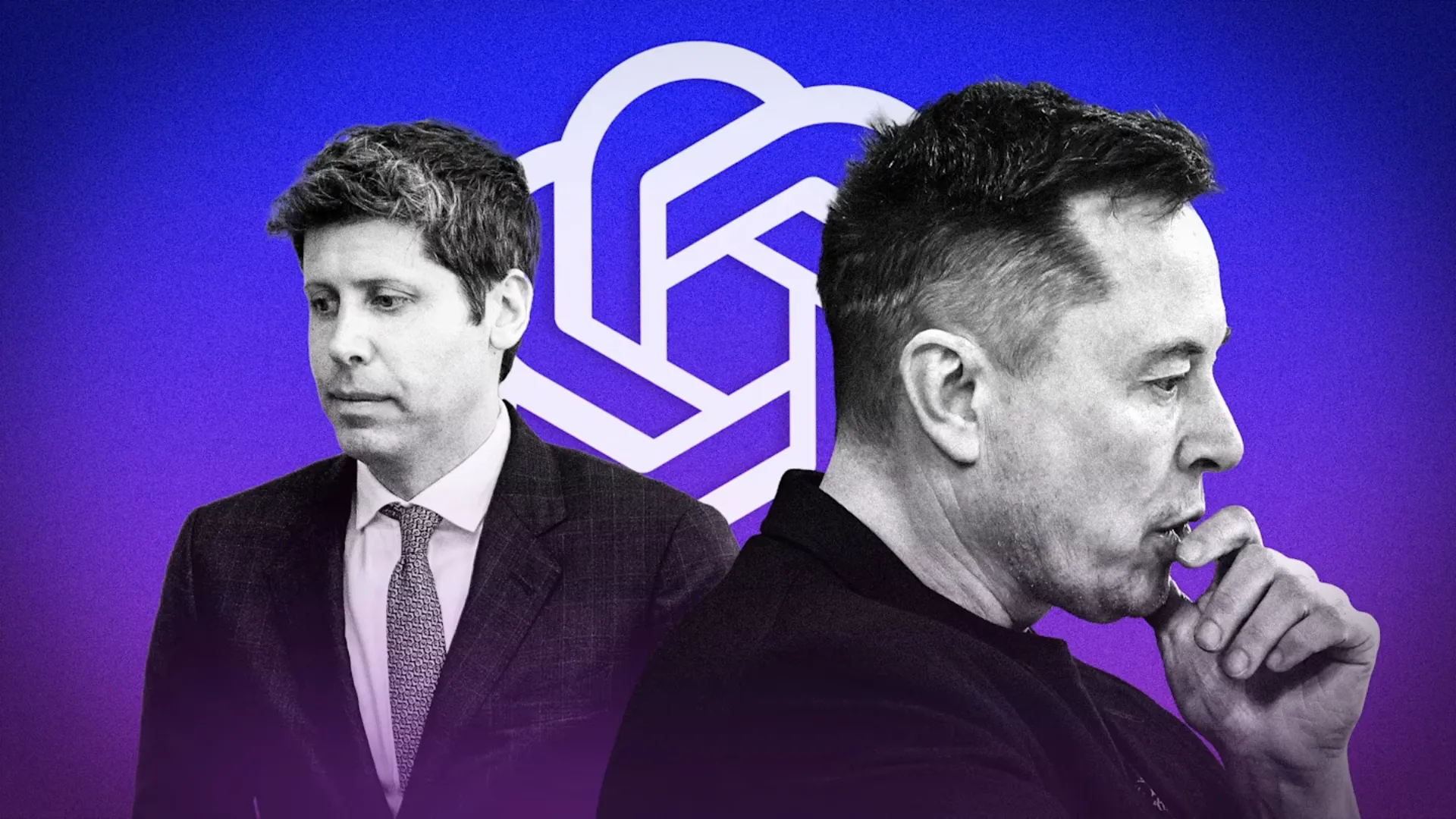
A high stakes courtroom battle between Elon Musk and Sam Altman began in California on Tuesday, opening what could become one of the most consequential legal disputes in the history of artificial intelligence.
The case centers on Musk’s claim that Altman, OpenAI and company president Greg Brockman abandoned the organization’s original mission and converted a public benefit project into a profit driven technology giant. In opening arguments, Musk’s legal team made a dramatic accusation, telling jurors that OpenAI’s leadership had “stole a charity.”
The trial, taking place in federal court in Oakland, is expected to run for around three weeks and may feature testimony from some of the most influential figures in global technology.
Courtroom clash over OpenAI’s founding promises
Musk was among the original co founders of OpenAI in 2015, alongside Altman and Brockman. The company was launched as a non profit research organization with the stated goal of developing advanced AI for the benefit of humanity rather than private financial gain.
According to Musk’s lawsuit, that founding vision was later broken when OpenAI shifted toward a for profit model and attracted billions of dollars in outside investment. Musk argues that the transformation enriched executives and commercial partners while betraying commitments made during the company’s creation.
His lawyer, Steven Molo, told jurors that the dispute is not about Musk’s public image but about whether promises were broken.
He said OpenAI was meant to serve mankind as a whole and not individual executives or strategic corporate partners.
OpenAI rejects claims and attacks Musk’s motives
OpenAI strongly denies the allegations. The company says Musk’s case is driven by personal rivalry and frustration after losing influence over the organization he helped create.
Lawyers for OpenAI argue that Musk wanted greater control over the company years ago and later turned hostile after failing to secure it. They also point to Musk’s own AI venture, xAI, as evidence that he is now a direct competitor seeking to weaken a rival.
OpenAI has described the lawsuit as a baseless attempt to derail competition during a period of explosive growth in the AI sector.
Why the stakes are so high
The outcome of the case could have major implications for OpenAI’s future corporate structure and expansion plans.
The company is widely reported to be exploring a future public listing at a valuation near $1 trillion. Musk is seeking court intervention that could reverse parts of OpenAI’s restructuring, remove Altman as chief executive and Brockman as president, and award roughly $134 billion in damages.
Musk has said those damages should be redirected to OpenAI’s non profit entity, which still maintains oversight responsibilities within the broader corporate structure.
If successful, the case could reshape one of the most powerful companies in artificial intelligence at a time when global demand for generative AI products continues to surge.
Tense atmosphere outside Oakland courthouse
Public attention around the case was visible from the early morning, with long lines forming outside the Oakland federal courthouse before proceedings began.
Reporters, legal teams and court observers gathered hours in advance for access to a trial that many view as a defining moment for Silicon Valley governance and AI ethics.
Altman and Brockman reportedly arrived at court on Monday during jury related proceedings, while Musk was absent. On Tuesday, both sides were present as formal opening arguments started.
Musk’s legal team acknowledged that some jurors may have preconceived views about the billionaire entrepreneur, whose leadership of Tesla, SpaceX and social platform X has often drawn strong public reactions.
Jury selected after questions on Musk and AI
Nine jurors were seated after a full day of selection that included questions about artificial intelligence and attitudes toward Musk.
Presiding Judge Yvonne Gonzalez Rogers reportedly told the court that the matter would focus on promises, contracts and business conduct rather than technical debates over AI systems.
That framing may prove important, as the trial is less about machine learning models and more about governance, fiduciary duties and whether OpenAI’s transition respected its original commitments.
Silicon Valley leaders may be called to testify
The witness list could bring even more attention to the case.
Potential witnesses include Satya Nadella, whose company has invested heavily in OpenAI and integrated its models across products, as well as Shivon Zilis.
Any testimony involving Microsoft would likely be closely watched, given its deep commercial ties to OpenAI and its central role in the modern AI race.
Bigger than a personal feud
While the conflict has often played out publicly through social media attacks and personal insults, the courtroom battle now moves beyond personality clashes.
At its core, the dispute raises urgent questions for the future of AI:
Can mission driven research groups evolve into commercial giants without violating their founding purpose?
Who controls technologies that may shape economies and societies?
How should investors, founders and the public share power in organizations building advanced AI?
These questions extend far beyond the individuals involved.
What comes next
The trial is expected to continue for several weeks, with opening statements followed by witness testimony, internal communications and arguments over OpenAI’s transformation.
Whatever the verdict, the proceedings are likely to influence how future AI companies structure governance, attract capital and define public interest obligations.
For now, the world is watching as two of technology’s most recognizable figures battle over money, mission and control in a case that could help determine the next era of artificial intelligence.
Edit Profile
Help improve @KR

Was this page helpful to you?
Contact Khogendra Rupini
Are you looking for an experienced developer to bring your website to life, tackle technical challenges, fix bugs, or enhance functionality? Look no further.
I specialize in building professional, high-performing, and user-friendly websites designed to meet your unique needs. Whether it's creating custom JavaScript components, solving complex JS problems, or designing responsive layouts that look stunning on both small screens and desktops, I can collaborate with you.
Create something exceptional with us. Contact us today
Open for Collaboration
If you're looking to collaborate, I'm available for a variety of professional services, including -
- Website Design & Development
- Advertisement & Promotion Setup
- Hosting Configuration & Deployment
- Front-end & Back-end Code Implementation
- Code Testing & Optimization
- Cybersecurity Solutions & Threat Prevention
- Website Scanning & Malware Removal
- Hacked Website Recovery
- PHP & MySQL Development
- Python Programming
- Web Content Writing
- Protection Against Hacking Attempts