
Google Pixel 11 may repeat a familiar weakness as Tensor G6 leak points to limited GPU gains
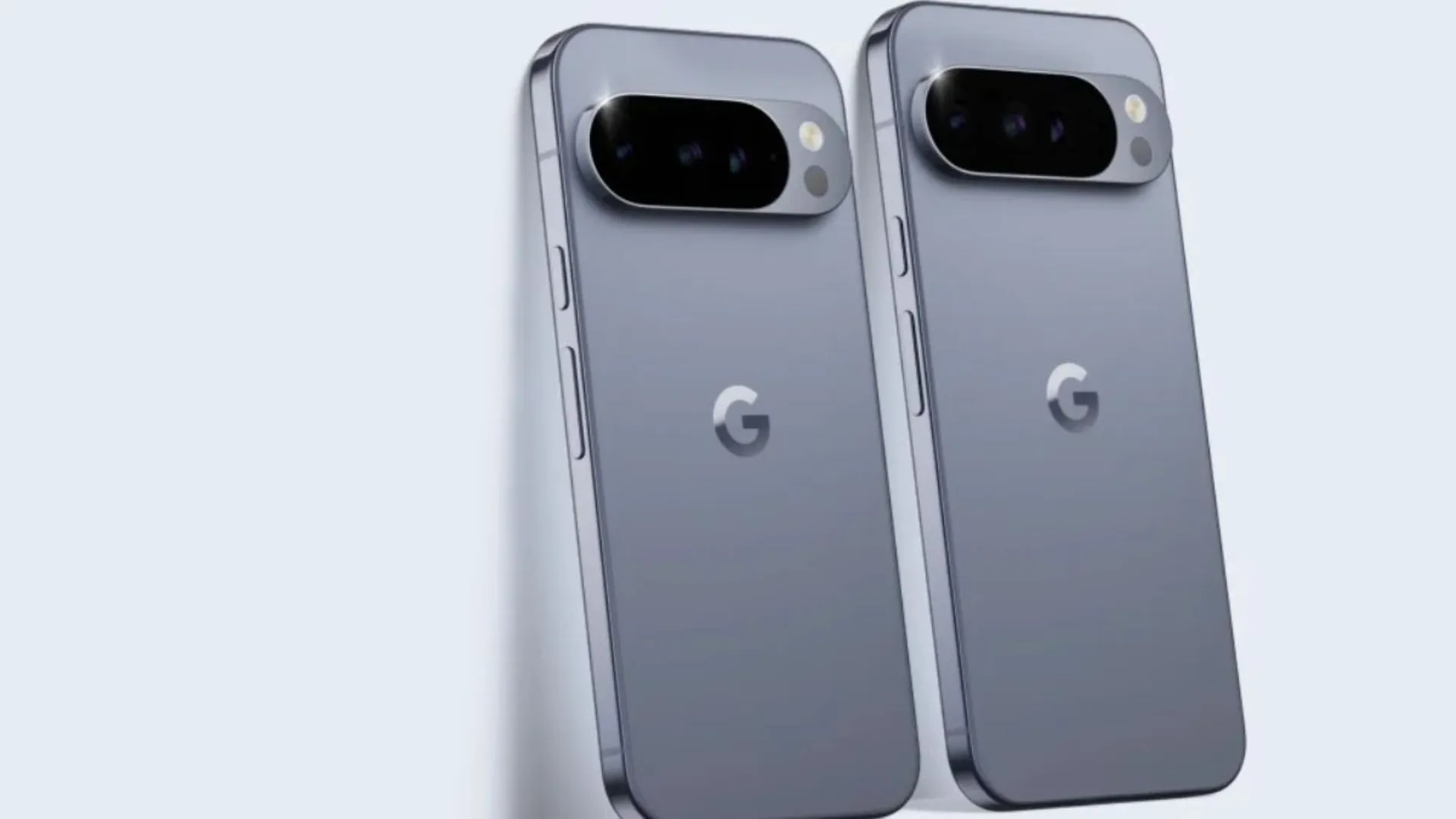
Google’s next flagship phone could arrive with stronger CPU performance but familiar graphics concerns, according to a fresh leak surrounding the upcoming Pixel 11 and its Tensor G6 chipset. Early details suggest the processor may bring a meaningful jump in speed and efficiency for everyday tasks, while gaming and graphics performance could remain an area where rivals stay ahead.
For years, Google’s Pixel phones have stood out for camera quality, artificial intelligence features, and clean Android software. Yet the company’s custom Tensor chips have often faced criticism for raw performance and thermal efficiency when compared with leading processors from Qualcomm, Apple, and MediaTek. If the latest report proves accurate, the Pixel 11 may continue that trend in one important category.
Tensor G6 leak raises new questions over graphics power
According to details shared by known tipster Mystic Leaks, the Tensor G6 is expected to use a PowerVR CXTP 48 1536 GPU, a graphics unit first introduced in 2021. That detail has attracted attention because smartphone chip competition in 2026 is moving rapidly toward newer architectures, stronger gaming performance, and more advanced graphics features.
If Google adopts an older GPU design again, it may face criticism from users who expect flagship level gaming capability from premium devices. Modern smartphones in the top segment are increasingly judged not only on camera quality and AI tools, but also on sustained gaming speed, frame stability, and graphics efficiency.
The report also notes that current Tensor graphics performance has been affected by software support limitations. The Tensor G5 reportedly lacks Vulkan 1.4 support, which can influence game optimization and broader graphics performance. If similar limitations remain in the next generation, improvements from clock speed increases alone may not be enough to close the gap with competitors.
Why GPU performance matters more than ever
A few years ago, many buyers focused mostly on camera quality, battery life, and display panels. That has changed. Today’s flagship phones are also portable gaming machines, video editing tools, and AI devices capable of handling demanding visual workloads.
Strong GPU performance helps in several areas:
High frame rate gaming with smoother visuals
Better thermal control during long play sessions
Faster photo and video processing workflows
Improved augmented reality experiences
More responsive AI tasks involving image generation or visual recognition
For a premium Pixel phone, users increasingly expect balance across all categories. Google has already built a strong reputation in software intelligence. Hardware consistency is now the next frontier.
CPU side of Tensor G6 looks more promising
The same leak carries more encouraging news for processor cores. Tensor G6 is said to use Arm’s newer C1 family cores, which could represent a notable jump over the Cortex generation used in Tensor G5.
The reported configuration includes:
1x Arm C1 Ultra core clocked at 4.11GHz
4x Arm C1 Pro cores at 3.38GHz
2x Arm C1 Pro cores at 2.65GHz
If accurate, this suggests Google is prioritizing faster peak performance alongside better power efficiency. The C1 Ultra core is expected to handle heavy burst workloads such as app launches, demanding AI tasks, and intensive multitasking. Meanwhile, the additional performance and efficiency cores would manage background and everyday operations.
That combination could make the Pixel 11 noticeably faster in regular use, even if it does not surpass the very top Snapdragon offerings.
Possible shift to a seven core design
Another notable point from the leak is the possibility of a seven core CPU layout. Recent flagship chips commonly use eight core designs, but companies are increasingly optimizing layouts around real world workloads rather than core count marketing.
A seven core design could allow Google to focus on thermal balance, battery efficiency, and smarter workload distribution. If tuned properly, fewer cores do not automatically mean weaker results. In many cases, architecture and software optimization matter more than raw numbers.
Google has historically relied on software intelligence to maximize hardware potential, so such a move would align with its broader product philosophy.
Pixel 11 could still be strong where users care most
Even if GPU concerns remain, Pixel devices are not built around benchmark scores alone. Google’s strengths often show up in areas many users notice daily:
Industry leading computational photography
Clean Android experience with long term updates
Smart call screening and AI features
Reliable voice dictation and translation tools
Deep Google ecosystem integration
If Tensor G6 delivers faster CPU speeds and better efficiency, many Pixel owners may be satisfied despite graphics compromises. Not every flagship buyer prioritizes gaming performance.
Still, perception matters in the premium market. Consumers spending flagship prices increasingly compare total hardware packages, not just software strengths.
Competitive pressure is growing in 2026
The Pixel 11 is expected to face strong competition from devices powered by next generation Snapdragon and MediaTek chips. Those processors continue to improve in gaming, sustained workloads, and battery management.
Brands such as Samsung, Qualcomm, MediaTek, and Apple all push hardware aggressively in the flagship tier. That means Google cannot rely solely on software leadership forever.
The Pixel line remains respected, but stronger silicon would help it compete more directly with the best Android devices worldwide.
What this means for buyers
At this stage, the Tensor G6 details are based on leaks, not official confirmation from Google. Final specifications, tuning, and real world performance can change before launch.
If the leak is accurate, prospective Pixel 11 buyers may see:
Better CPU speed than Pixel 10 generation
Improved efficiency from newer cores
Continued strength in AI and camera features
Limited leap in gaming graphics performance
That would make the Pixel 11 an appealing option for productivity users, photographers, and Android purists, while serious mobile gamers may still look elsewhere.
The bigger picture for Google’s Tensor strategy
Tensor has always represented Google’s attempt to build chips around user experience instead of benchmark leadership. That approach has delivered unique software advantages, especially in speech recognition, imaging, and AI.
However, as artificial intelligence becomes central to every flagship phone, competitors are also improving custom acceleration and software intelligence. That means traditional weaknesses such as GPU power become harder to overlook.
The Pixel 11 may become a key test of whether Google can continue winning users through software first innovation, or whether it must now match rivals more directly on core hardware performance.
Final word
The early Tensor G6 leak paints a mixed picture for the upcoming Pixel 11. New Arm CPU cores could bring the speed and efficiency boost many users have wanted. But if GPU technology remains dated, Google risks repeating a criticism that has followed Tensor since the beginning.
For Pixel fans, the hope will be that software optimization and smarter engineering can narrow the gap. For the wider market, the Pixel 11 now looks set to continue the debate over whether great software can fully compensate for middling graphics hardware.
Edit Profile
Help improve @KR

Was this page helpful to you?
Contact Khogendra Rupini
Are you looking for an experienced developer to bring your website to life, tackle technical challenges, fix bugs, or enhance functionality? Look no further.
I specialize in building professional, high-performing, and user-friendly websites designed to meet your unique needs. Whether it's creating custom JavaScript components, solving complex JS problems, or designing responsive layouts that look stunning on both small screens and desktops, I can collaborate with you.
Create something exceptional with us. Contact us today
Open for Collaboration
If you're looking to collaborate, I'm available for a variety of professional services, including -
- Website Design & Development
- Advertisement & Promotion Setup
- Hosting Configuration & Deployment
- Front-end & Back-end Code Implementation
- Code Testing & Optimization
- Cybersecurity Solutions & Threat Prevention
- Website Scanning & Malware Removal
- Hacked Website Recovery
- PHP & MySQL Development
- Python Programming
- Web Content Writing
- Protection Against Hacking Attempts