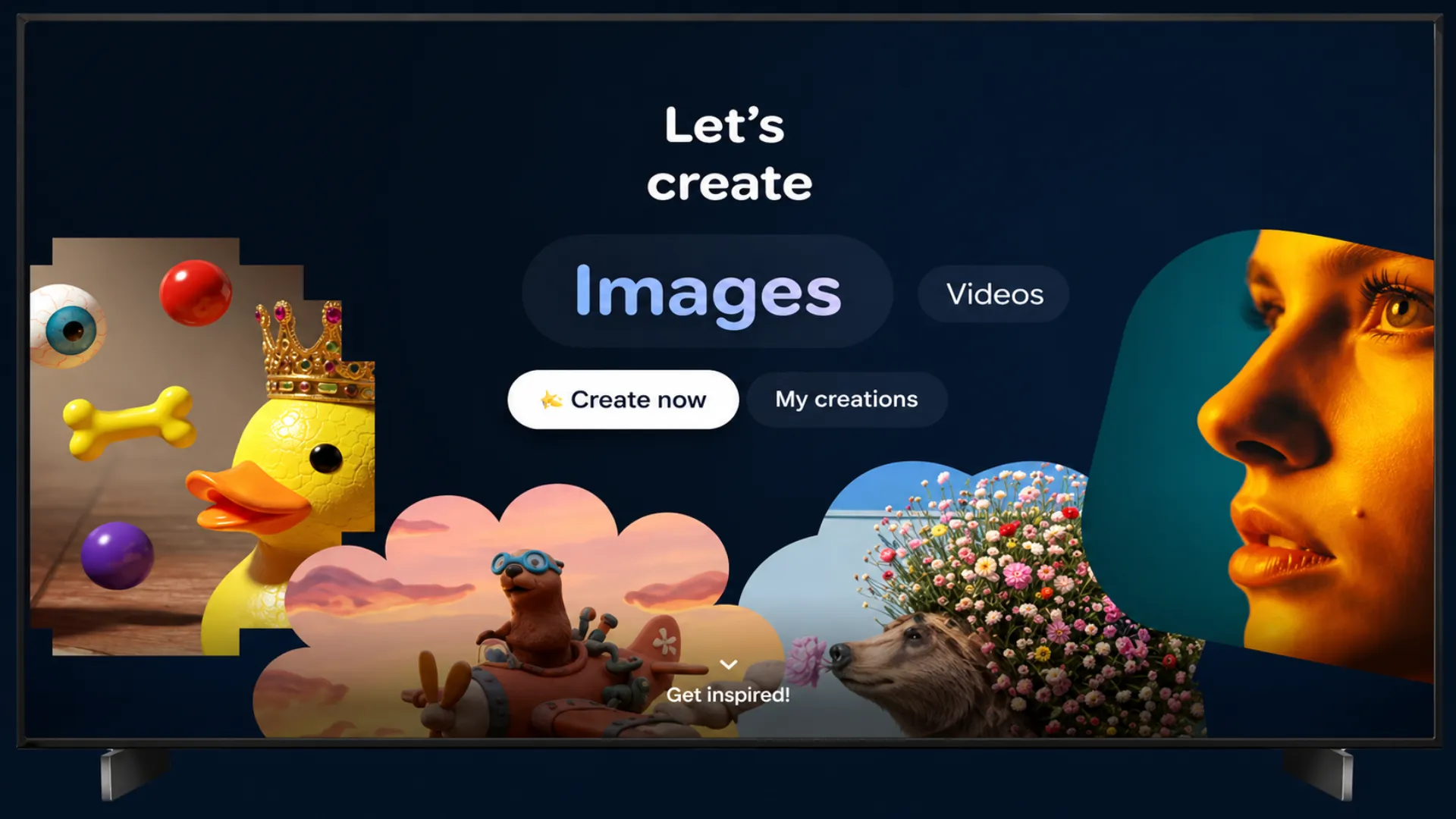
Google is rolling out a significant update to Google TV, integrating advanced artificial intelligence powered by Gemini AI to enable image creation, video generation, and smarter content interaction directly from television screens. The update marks a notable shift in how users engage with TVs, expanding their role from passive viewing devices to interactive creative hubs.
The rollout will occur in phases, with several of the most advanced features initially limited to Gemini-enabled devices in the United States.
AI tools bring content creation to the television screen
At the center of the update is a new suite of AI-driven tools designed to let users generate visual content using voice commands. By simply describing what they want, users can create images or short videos directly on their TV without relying on external devices.
Google’s image editing system, Nano Banana, enables users to modify photos or apply creative transformations through natural language prompts. This allows for adjustments and stylization without manual editing tools, making the process more accessible to a broader range of users.
Alongside this, Google is introducing its text-to-video model, Veo, which can generate short video clips or animate existing images based on user input. These capabilities will be accessible through a dedicated Gemini tab within Google TV, offering a centralized interface for AI-powered content creation.
The feature set will debut first on select TCL devices in the United States, indicating a controlled rollout before broader expansion.
Deeper integration with Google Photos enhances accessibility
The update also strengthens the connection between Google TV and Google Photos, making it easier for users to access and interact with their personal image libraries.
With voice-based search functionality, users can locate specific photos by referencing events, trips, or themes, eliminating the need to manually browse through albums. Once retrieved, images can be displayed in full-screen mode or arranged into slideshows.
A new feature called “Remix” introduces creative flexibility by allowing users to apply artistic styles such as watercolor or oil painting effects directly on their television screens. This expands the role of Google TV beyond simple viewing into a platform for creative experimentation.
As with other advanced features, this functionality will initially be available on Gemini-enabled devices in the United States.
Ambient mode evolves into a dynamic visual experience
Google is also enhancing the ambient mode of Google TV, transforming idle screens into more engaging displays. Users can now set their photo albums to appear as dynamic slideshows, featuring collage-style layouts that continuously shift in format.
This update aims to make the television more visually appealing even when not actively in use, turning it into a living display rather than a dormant screen.
Unlike some of the AI-driven tools, this slideshow capability is expected to roll out globally on supported devices, making it one of the more widely accessible enhancements in the update.
Personalized short-form content surfaces on the home screen
Another addition focuses on content discovery, with Google introducing a personalized “short videos for you” row on the Google TV home screen.
This feature will highlight short-form videos, beginning with content from YouTube Shorts, allowing users to watch clips instantly without opening a separate application. The integration is designed to streamline access to bite-sized content, reflecting the growing popularity of short-form media.
The rollout for this feature is scheduled for later in the summer in the United States.
AI-powered wardrobe feature expands into lifestyle use cases
Beyond television functionality, Google is extending its AI capabilities into personal lifestyle tools through a new feature in Google Photos described as a virtual wardrobe.
This system analyzes a user’s existing images to identify clothing items and organize them into categories such as tops, bottoms, and accessories. Users can then experiment with outfit combinations, create mood boards, and share their ideas.
A virtual try-on capability is also being introduced, allowing users to preview how selected outfits might look. This adds a practical dimension to the feature, positioning it as a tool for planning outfits for events or travel.
The wardrobe feature will begin rolling out on Android devices this summer, with iOS support expected to follow at a later stage.
Gradual rollout reflects targeted deployment strategy
The phased rollout of these features underscores a measured approach to deployment. Many of the most advanced AI capabilities will initially be limited to Gemini-enabled devices in the United States, suggesting a focus on performance optimization and user feedback before broader availability.
At the same time, certain features such as the enhanced ambient slideshow are set for global release, ensuring that users outside the initial rollout regions still benefit from improvements.
This staggered strategy allows Google to balance innovation with stability while introducing complex AI-driven tools into consumer devices.
Technical shift toward voice-driven interaction
A defining aspect of the update is its emphasis on voice interaction as the primary interface for content creation and discovery.
By enabling users to generate images, edit photos, and create videos using spoken commands, Google is reducing reliance on traditional input methods such as remotes or keyboards. This approach aligns with a broader trend toward natural language interfaces, making advanced features more accessible to a wider audience.
The integration of AI tools directly into the television interface also reduces the need for additional devices, consolidating functionality into a single platform.
Expanding the role of television in everyday life
The introduction of these features reflects a broader shift in how televisions are positioned within the home. Rather than serving solely as entertainment devices, TVs are increasingly becoming multifunctional platforms that support creativity, personalization, and lifestyle management.
With capabilities ranging from image editing and video generation to outfit planning and content discovery, Google TV is moving toward a more integrated role in daily routines.
This evolution is particularly evident in the combination of entertainment and utility features, which blur the line between media consumption and personal productivity.
Implications for content engagement and user behavior
The addition of AI-driven tools and personalized content feeds has the potential to reshape user behavior on the platform.
By enabling users to create their own visuals and videos, Google is encouraging more active engagement with the device. At the same time, the introduction of short-form video recommendations directly on the home screen may increase time spent interacting with content.
The integration of personal photo libraries and wardrobe features further deepens the connection between the user and the platform, making the television a more personalized experience.
These changes suggest a shift toward a more immersive and interactive ecosystem, where the TV becomes a central hub for both entertainment and creative expression.
A calculated push toward AI-first consumer experiences
Taken together, the updates represent a deliberate effort by Google to embed artificial intelligence more deeply into everyday consumer experiences.
By bringing advanced AI capabilities to a widely used platform like Google TV, the company is positioning itself at the forefront of the transition toward AI-driven interfaces.
The focus on accessibility, personalization, and creativity indicates a strategy aimed at making AI tools not only powerful but also intuitive and widely usable.
Conclusion
The latest update to Google TV signals a clear transformation in how televisions are designed to function within modern households. With the integration of Gemini AI, the platform is expanding beyond passive viewing into a space defined by interaction, creativity, and personalization.
While the phased rollout limits immediate access to some features, the direction is unmistakable. Google is redefining the television as more than a screen—turning it into a dynamic, AI-powered platform that blends entertainment with everyday utility in a way that is both practical and forward-looking.