Cognizant Plans Major Workforce Restructuring as AI Shift Puts Over 15,000 Jobs at Risk Across Global Operations
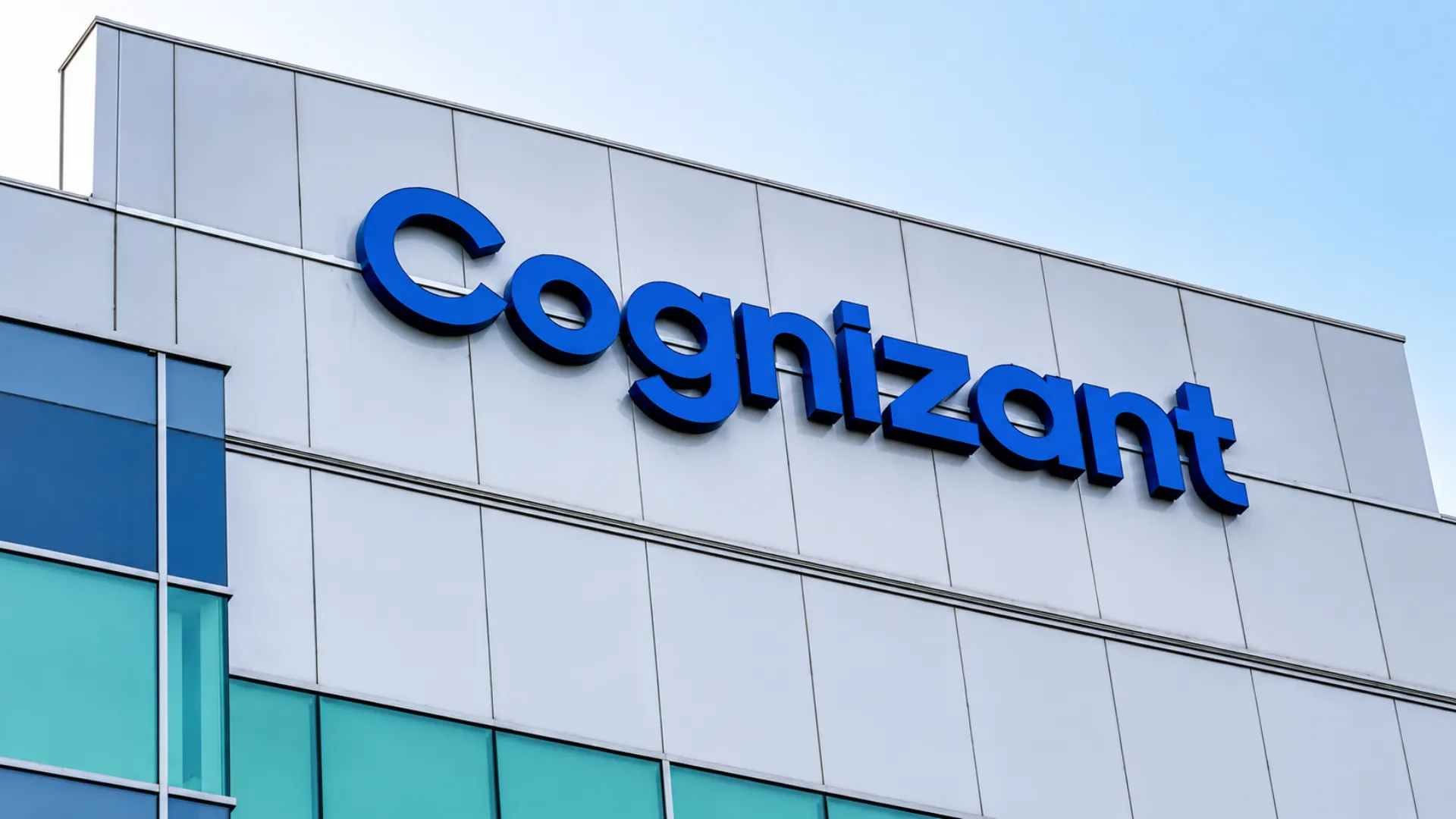
The global technology sector is witnessing another major wave of workforce restructuring as IT services giant Cognizant prepares for significant layoffs amid rapid changes driven by artificial intelligence and automation. The company is expected to cut more than 15,000 jobs as part of a broader transformation strategy aimed at reshaping its operational model and reducing dependency on traditional workforce structures.
The development comes at a time when the global IT industry is under growing pressure to adapt to the accelerating adoption of AI powered systems, automation tools, and digital labour models. The expected layoffs at Cognizant are being viewed as one of the largest workforce reduction exercises in the IT services sector this year, especially with India likely to face the biggest impact due to the company’s large employee base in the country.
The company has not officially confirmed the exact number of employees who may lose their jobs, but multiple reports suggest that internal restructuring plans are already in motion. The move follows similar cost cutting and restructuring efforts seen across major global technology firms over the past two years as companies attempt to balance profitability, efficiency, and technological transition.
Cognizant Signals Workforce Reduction During Quarterly Earnings
Early indications of the restructuring emerged during Cognizant’s quarterly earnings announcement on April 29, when the company disclosed that it expects to incur between USD 230 million and USD 320 million in severance related expenses. These costs are typically associated with compensation paid to employees affected by layoffs and organizational restructuring.
Industry analysts quickly interpreted the disclosure as a strong indication of a large scale workforce reduction program. The estimated severance budget suggested that thousands of employees could be impacted globally, particularly in regions where Cognizant has a significant operational presence.
India remains one of the company’s largest talent hubs, employing a substantial portion of its global workforce across software development, consulting, infrastructure management, and business operations services. Reports indicate that the majority of the planned job cuts may be concentrated in India as the company reshapes its delivery and workforce model.
The announcement has triggered widespread concern among employees and industry observers, especially at a time when uncertainty around AI driven transformation continues to grow across the technology sector.
Project Leap Emerges as Key Part of Internal Transformation Strategy
According to reports, the restructuring exercise is linked to Cognizant’s internal initiative known as Project Leap. The program is understood to be part of a broader organizational transformation designed to modernize operations, optimize costs, and accelerate the company’s shift toward AI integrated service models.
Estimates suggest that the budget allocated under the initiative could support layoffs involving nearly 12,000 to 13,000 employees in India alone. Based on average salary estimates in the Indian IT sector, affected employees may receive compensation equivalent to approximately six months of salary.
Reports indicate that the average annual compensation for employees likely to be impacted stands at around Rs 15 lakh. This could translate into severance payouts of nearly Rs 7.5 lakh per employee, depending on role, tenure, and company policies.
The restructuring exercise reflects a broader trend emerging across the technology industry where companies are increasingly prioritizing leaner operations and automation driven efficiency over traditional labour intensive models.
Artificial Intelligence Reshaping the Future of IT Employment
The rise of artificial intelligence has fundamentally changed how technology companies approach productivity, hiring, and operational management. Businesses across industries are increasingly deploying AI systems to automate repetitive tasks, improve workflow efficiency, and reduce operational costs.
This transformation is now having a visible impact on workforce planning within the IT services industry. Companies that once relied heavily on large employee bases to deliver software development, support, and consulting services are now exploring ways to integrate AI into core operations.
As automation tools become more advanced, companies are seeking to perform more work with smaller teams. This shift is creating new opportunities in AI related domains while simultaneously reducing demand for certain traditional roles.
Cognizant’s latest restructuring plans highlight the growing pressure on legacy IT service models. Industry experts believe that firms operating under conventional workforce structures are being forced to adapt rapidly in order to remain competitive in an AI driven business environment.
The transition is not limited to one company alone. Several global technology firms have already announced layoffs, hiring slowdowns, or restructuring measures over the past year as they reposition themselves for the next phase of digital transformation.
CEO Ravi Kumar S Outlines Shift Away From Traditional Pyramid Structure
Cognizant Chief Executive Officer Ravi Kumar S has previously spoken about the company’s evolving operational strategy and the need to transition toward a more modern business model.
According to company statements, Cognizant is moving away from the traditional “pyramid model” that has long defined the IT services industry. Under the older structure, companies relied on a large base of junior employees supporting a smaller layer of senior professionals.
The company is now transitioning toward what executives describe as a “smaller pyramid model,” where AI systems and digital labour tools are expected to play a much larger role in delivery operations.
This change reflects a significant structural shift within the global IT industry. Instead of scaling growth primarily through mass hiring, companies are increasingly investing in automation platforms, AI driven coding tools, intelligent process management systems, and productivity enhancing technologies.
Executives across the industry believe these changes could improve efficiency and reduce operational costs. However, they also raise serious questions about the future of employment within traditional IT services roles.
India’s IT Sector Faces New Era of Uncertainty
India’s technology sector has long been regarded as one of the country’s strongest economic engines, generating millions of jobs and contributing significantly to exports and foreign investment. For decades, the industry thrived on large scale hiring models that supported software services for global clients.
However, the rapid rise of artificial intelligence is now forcing companies to rethink that approach.
The expected layoffs at Cognizant have intensified concerns about how AI may reshape employment patterns within the Indian IT ecosystem. Employees working in repetitive or process driven roles are considered particularly vulnerable as automation technologies continue to improve.
At the same time, industry experts point out that AI adoption may also create new opportunities in advanced engineering, cybersecurity, cloud computing, AI model training, data infrastructure, and digital transformation consulting.
The challenge for companies and employees alike will be managing the transition between traditional service delivery models and the next generation of AI enabled operations.
Several industry observers believe the coming years could mark one of the most significant shifts in the history of the global technology workforce.
Growing Pressure Across Global Technology Companies
The latest developments at Cognizant also reflect wider pressures affecting the global technology industry. Economic uncertainty, changing client spending patterns, rising operational costs, and rapid advancements in AI are forcing companies to reevaluate their long term strategies.
Technology firms are increasingly focused on maintaining profitability while investing heavily in next generation AI capabilities. This balancing act has led many organizations to pursue aggressive restructuring measures aimed at improving operational efficiency.
Over the past two years, major global companies across software, cloud computing, ecommerce, and enterprise technology sectors have announced workforce reductions as part of broader transformation plans.
Analysts believe the industry is entering a phase where AI adoption will become central to competitiveness. Companies unable to adapt quickly may struggle to maintain growth and operational margins in an increasingly automated market environment.
For employees, the shift underscores the growing importance of continuous skill development, particularly in areas connected to artificial intelligence, cloud infrastructure, automation systems, and advanced digital technologies.
Employees Await Official Clarity Amid Rising Anxiety
Despite widespread reports about the scale of the planned layoffs, many employees are still waiting for official confirmation regarding the extent and timeline of the restructuring process.
The uncertainty has created anxiety among workers, especially in India where thousands of employees may potentially be affected. Concerns are also growing over how the broader IT employment market could evolve if more companies adopt similar AI driven restructuring strategies.
While severance packages may provide temporary financial support for affected employees, the larger concern remains the long term impact of automation on traditional technology jobs.
Industry experts say companies will need to balance technological progress with responsible workforce management as AI adoption accelerates globally.
For now, Cognizant’s restructuring plans have become another major signal that the global IT industry is entering a new era where artificial intelligence is no longer simply a supporting technology, but a force that is actively reshaping how companies operate, hire, and grow.
Frequently Asked Questions
Why is Cognizant planning large scale layoffs?
Cognizant is restructuring its business operations as the company shifts toward AI driven technologies, automation, and digital labour models. The move is part of a broader transformation strategy aimed at improving efficiency and reducing dependence on traditional workforce structures.
How many employees could be affected by Cognizant layoffs?
Reports suggest that more than 15,000 employees could be impacted globally, with a significant number of layoffs expected to take place in India due to the company’s large workforce presence in the country.
What is Project Leap at Cognizant?
Project Leap is Cognizant’s internal restructuring initiative focused on modernizing operations, optimizing costs, and accelerating the company’s transition toward AI integrated business models and digital transformation.
How much severance cost has Cognizant estimated for the layoffs?
Cognizant stated during its quarterly earnings announcement that it expects to spend between USD 230 million and USD 320 million on severance related expenses for employees affected by the restructuring process.
Why is India expected to face the biggest impact from the layoffs?
India is one of Cognizant’s largest operational hubs with a major share of the company’s global workforce. Reports indicate that a substantial portion of the planned job cuts may be concentrated in India.
What compensation may affected employees receive?
According to reports, employees affected in India may receive compensation equivalent to around six months of salary. Based on estimated average salaries, this could amount to nearly Rs 7.5 lakh per employee.
How is artificial intelligence changing the IT industry?
Artificial intelligence is allowing companies to automate repetitive tasks, improve productivity, and operate with smaller teams. This shift is changing hiring strategies and reducing demand for some traditional IT service roles.
What did Cognizant CEO Ravi Kumar S say about the company’s transformation?
Ravi Kumar S said Cognizant is moving from the traditional pyramid workforce structure to a smaller pyramid model that places greater emphasis on digital labour and AI supported operations.
Are other technology companies also reducing jobs because of AI?
Yes. Several major technology companies across the global IT sector have announced layoffs, restructuring measures, or hiring slowdowns as they adapt to automation, AI integration, and changing business conditions.
What does the traditional pyramid model mean in the IT industry?
The traditional pyramid model refers to a workforce structure with a large number of junior employees supporting a smaller group of senior professionals. Many IT firms are now shifting away from this structure due to automation and AI adoption.
Could AI create new opportunities in the technology sector despite layoffs?
Yes. While AI may reduce demand for some traditional roles, it is also expected to create opportunities in areas such as cloud computing, cybersecurity, AI engineering, data infrastructure, and digital transformation services.
Why are workforce restructuring trends increasing across the tech industry?
Technology companies are facing pressure to improve efficiency, manage costs, and remain competitive in an increasingly AI driven market. This has led many firms to restructure operations and optimize workforce strategies.
Edit Profile
Help improve @KR

Was this page helpful to you?
Contact Khogendra Rupini
Are you looking for an experienced developer to bring your website to life, tackle technical challenges, fix bugs, or enhance functionality? Look no further.
I specialize in building professional, high-performing, and user-friendly websites designed to meet your unique needs. Whether it's creating custom JavaScript components, solving complex JS problems, or designing responsive layouts that look stunning on both small screens and desktops, I can collaborate with you.
Create something exceptional with us. Contact us today
Open for Collaboration
If you're looking to collaborate, I'm available for a variety of professional services, including -
- Website Design & Development
- Advertisement & Promotion Setup
- Hosting Configuration & Deployment
- Front-end & Back-end Code Implementation
- Code Testing & Optimization
- Cybersecurity Solutions & Threat Prevention
- Website Scanning & Malware Removal
- Hacked Website Recovery
- PHP & MySQL Development
- Python Programming
- Web Content Writing
- Protection Against Hacking Attempts