US State Pushes Court to Declare Meta a Public Nuisance as Facebook, Instagram and WhatsApp Face Explosive Mental Health Crisis Allegations
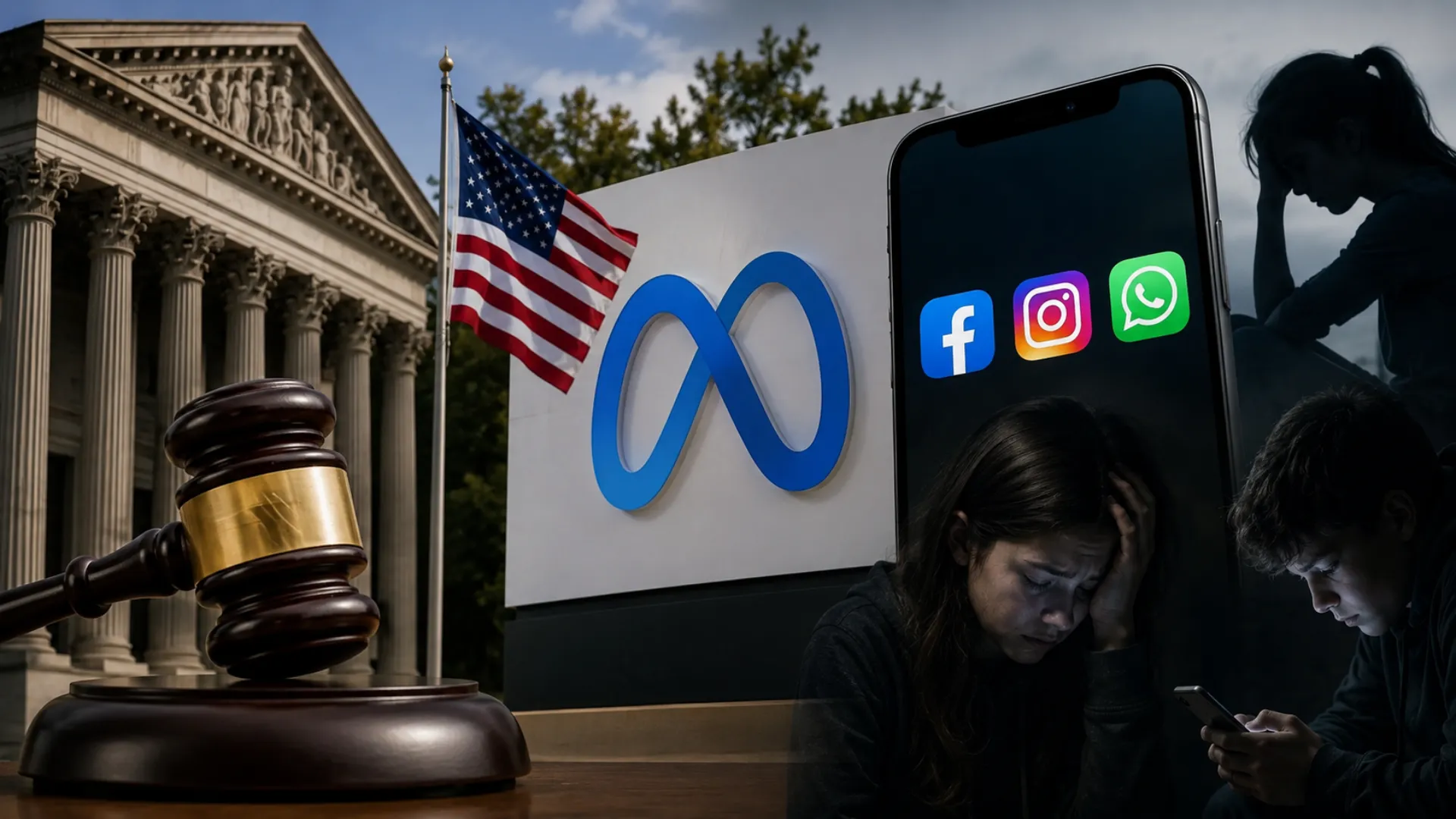
Meta Platforms is facing one of its most serious legal challenges in the United States as the state of New Mexico asks a court to declare the company a public nuisance over allegations that its social media platforms are contributing to a growing mental health crisis among children and teenagers across America.
The case, which targets Facebook, Instagram and WhatsApp, reflects a widening national debate over the impact of social media on young users, online safety, addictive platform design and the responsibility of technology companies in protecting minors. The lawsuit could also become a landmark legal battle that shapes future regulation of social media companies in the United States.
During court proceedings, attorneys representing the state argued that Meta’s platforms were intentionally designed to maximize engagement among young users while failing to provide sufficient protections against harmful content and online exploitation.
David Ackerman, an attorney representing New Mexico, told the court that children across the country are struggling with mental health challenges linked to social media use. He argued that the issue has reached a crisis point and claimed that stronger intervention is urgently needed.
The courtroom argument marked another major escalation in the legal and political pressure facing Meta as governments, schools and regulators continue raising concerns about how social media platforms affect children’s mental health, attention spans, emotional wellbeing and online behavior.
New Mexico Seeks Billions in Damages and Major Platform Changes
The state of New Mexico is seeking 3.7 billion dollars in damages from Meta along with court ordered reforms that could significantly reshape how the company operates its platforms for younger users.
According to the lawsuit, the state believes Meta’s products contribute to harmful behavior patterns among minors through recommendation systems, autoplay functions, infinite scrolling features and engagement driven algorithms that keep children online for extended periods.
The case was originally filed by New Mexico Attorney General Raúl Torrez, who accused Meta of prioritizing user engagement and advertising growth over child safety protections.
The lawsuit claims that Meta failed to adequately protect young users from risks that include sexual exploitation and harmful online interactions. State attorneys argue that the company knowingly created systems that encouraged prolonged usage among children despite growing public concern over the psychological effects of social media.
The current phase of the trial is focused on determining whether Meta’s platforms legally qualify as a “public nuisance” under New Mexico state law. If the court accepts that argument, it could allow judges to impose broad operational changes on the company.
Legal experts view the public nuisance strategy as particularly significant because similar legal approaches have previously been used in major cases involving tobacco companies, opioid manufacturers and vaping products. Governments across the United States are increasingly exploring whether the same legal framework can apply to large technology platforms.
Earlier Verdict Already Ordered Meta to Pay 375 Million Dollars
The ongoing courtroom battle comes after another major setback for Meta earlier this year.
In March, a jury found that Meta violated consumer protection laws by allegedly misrepresenting the safety of its platforms for minors. The verdict ordered the company to pay 375 million dollars in damages.
Meta has said it plans to appeal that decision.
The earlier ruling added momentum to New Mexico’s broader legal argument that the company failed to take adequate action to reduce risks for younger users despite mounting evidence and public criticism.
The state argues that Meta’s internal policies and product structures encouraged addictive patterns among children and teenagers while not doing enough to stop harmful experiences online.
The case is being closely watched across the technology industry because it may influence future lawsuits against social media companies and could increase pressure for stricter regulation nationwide.
Meta Defends Its Platforms and Rejects Public Nuisance Claims
Meta strongly rejected the allegations during court proceedings and argued that the state’s legal theory stretches beyond the intended meaning of public nuisance law.
Alex Parkinson, an attorney representing Meta, argued that the lawsuit focuses on individual harms rather than interference with a broader public right. He told the court that expanding public nuisance definitions to social media could create sweeping legal consequences for many industries.
During arguments, Parkinson compared the issue to other societal risks, saying that if social media qualifies as a public nuisance, similar claims could potentially be made against alcohol because of drunk driving, cell phones because of distracted driving or supermarkets that sell unhealthy food products.
Meta also argued that it has already introduced multiple safety measures aimed at protecting younger users across its platforms.
The company maintains that it continues investing in parental controls, age related protections, safety alerts and moderation systems designed to reduce harmful interactions and inappropriate content exposure.
However, critics argue that those measures remain insufficient compared to the scale of the problem and the influence social media now has on young users.
Court Examines Limits of Judicial Power in Technology Regulation
The case also raises broader constitutional and legal questions about the role courts should play in regulating technology companies.
Judge Bryan Biedscheid expressed concerns during the hearing about how far judicial authority should extend in imposing operational changes on a private technology platform.
The state is seeking multiple reforms that include stricter age verification systems, changes to recommendation algorithms for minors and restrictions on features such as autoplay and infinite scrolling.
Judge Biedscheid indicated caution about becoming directly involved in setting platform policies. During proceedings, he stated that he is a judge rather than a legislator or regulator and suggested concern about turning the court into what he described as a “one person legislature.”
His comments highlighted the legal complexity surrounding modern technology disputes, especially when courts are asked to intervene in platform design and digital product architecture.
The outcome could influence how future courts handle cases involving online platforms, artificial intelligence systems and digital consumer safety.
Growing National Pressure on Social Media Companies
The New Mexico lawsuit reflects a much broader national movement targeting the influence of social media platforms on children and teenagers.
Across the United States, school districts, lawmakers, attorneys general and public health advocates have increasingly accused technology companies of contributing to rising anxiety, depression, social isolation and addictive online behavior among young people.
Several states have introduced legislation focused on child safety online, age verification standards and restrictions on addictive platform features.
At the federal level, lawmakers have repeatedly questioned technology executives during congressional hearings about platform algorithms, youth mental health and harmful online content.
The debate has intensified in recent years as studies, whistleblower disclosures and public testimony have raised concerns about how engagement based recommendation systems affect younger users.
Technology companies, however, continue arguing that responsibility should also involve parents, educators and broader digital literacy efforts rather than focusing solely on platform operators.
Despite these arguments, public scrutiny of major social media firms remains extremely high.
Why the Meta Case Could Become a Defining Legal Battle
The New Mexico case is increasingly being viewed as one of the most important legal tests facing the social media industry.
If the court ultimately declares Meta a public nuisance, the ruling could open the door for similar lawsuits across multiple states and potentially expose technology companies to billions of dollars in additional liability claims.
Such a decision could also accelerate demands for stricter regulation of recommendation algorithms, youth engagement systems and online advertising practices involving minors.
For Meta, the stakes extend beyond financial penalties. The company faces growing reputational pressure as critics question whether social media platforms are doing enough to protect younger users in an era where digital interaction shapes much of teenage life.
The lawsuit also arrives at a sensitive time for the technology sector as governments around the world increase scrutiny of large digital platforms over privacy, competition, artificial intelligence and online safety concerns.
New Mexico attorneys argue that stronger legal action is necessary because voluntary measures from Meta have not gone far enough.
During arguments, attorney David Ackerman claimed the company only implements meaningful safety changes when external pressure forces action.
Meta continues to deny wrongdoing and insists that it remains committed to improving safety for younger users while defending its products against what it considers legally flawed claims.
As the case moves forward, the outcome could reshape the future legal boundaries of social media responsibility in the United States and potentially redefine how courts view the relationship between technology platforms and public health.
Frequently Asked Questions
Why is New Mexico suing Meta Platforms?
New Mexico alleges that Meta designed Facebook, Instagram, and WhatsApp in ways that keep young users highly engaged while failing to adequately protect them from mental health risks and online exploitation.
What does New Mexico want the court to declare about Meta?
The state is asking the court to declare Meta a public nuisance under state law, arguing that its social media platforms are contributing to a nationwide mental health crisis among children and teenagers.
How much money is New Mexico seeking from Meta in damages?
New Mexico is seeking 3.7 billion dollars in damages along with court ordered changes to Meta’s platforms and safety systems.
Which Meta owned platforms are included in the lawsuit?
The lawsuit focuses on Facebook, Instagram, and WhatsApp, all of which are owned by Meta Platforms.
What are the main allegations against Meta in the case?
The state claims Meta used addictive platform features, recommendation systems, autoplay functions, and infinite scrolling to increase engagement among minors while not doing enough to prevent harm.
What platform changes is New Mexico requesting from Meta?
The state wants stricter age verification systems, changes to recommendation algorithms for minors, and limits on features such as autoplay and infinite scrolling.
What did Meta say in response to the lawsuit?
Meta argued that the lawsuit does not meet the legal standard for a public nuisance claim and said it has already introduced safety measures aimed at protecting younger users.
Why is the term public nuisance important in this case?
If the court classifies Meta as a public nuisance, judges could potentially order broad operational and safety changes to the company’s social media platforms.
What earlier legal setback did Meta face in New Mexico?
Earlier this year, a jury found that Meta violated consumer protection laws by allegedly misrepresenting the safety of its platforms for minors and ordered the company to pay 375 million dollars in damages.
Will Meta appeal the earlier verdict?
Yes. Meta has stated that it plans to appeal the earlier jury decision.
What concerns did the judge raise during the hearing?
Judge Bryan Biedscheid expressed concerns about whether courts should act like regulators or lawmakers when deciding how social media platforms should operate.
Why is this lawsuit significant for the technology industry?
The case could set an important legal precedent for how courts handle claims involving social media, youth mental health, and platform accountability across the United States.
How are other governments responding to social media concerns involving children?
Several states and school districts across the United States have increased legal and political pressure on social media companies over concerns related to youth safety, mental health, and addictive online behavior.
What risks does New Mexico say children face on social media platforms?
The state argues that children face mental health challenges, addictive usage patterns, harmful content exposure, and risks related to sexual exploitation online.
Why does this case matter for parents and young users?
The lawsuit could influence future rules around child safety online, social media algorithms, and how technology companies design products used by millions of teenagers and children.
Edit Profile
Help improve @KR

Was this page helpful to you?
Contact Khogendra Rupini
Are you looking for an experienced developer to bring your website to life, tackle technical challenges, fix bugs, or enhance functionality? Look no further.
I specialize in building professional, high-performing, and user-friendly websites designed to meet your unique needs. Whether it's creating custom JavaScript components, solving complex JS problems, or designing responsive layouts that look stunning on both small screens and desktops, I can collaborate with you.
Create something exceptional with us. Contact us today
Open for Collaboration
If you're looking to collaborate, I'm available for a variety of professional services, including -
- Website Design & Development
- Advertisement & Promotion Setup
- Hosting Configuration & Deployment
- Front-end & Back-end Code Implementation
- Code Testing & Optimization
- Cybersecurity Solutions & Threat Prevention
- Website Scanning & Malware Removal
- Hacked Website Recovery
- PHP & MySQL Development
- Python Programming
- Web Content Writing
- Protection Against Hacking Attempts