OpenAI Leadership Under Fresh Scrutiny as Former Board Members Accuse Sam Altman of Dishonest Conduct
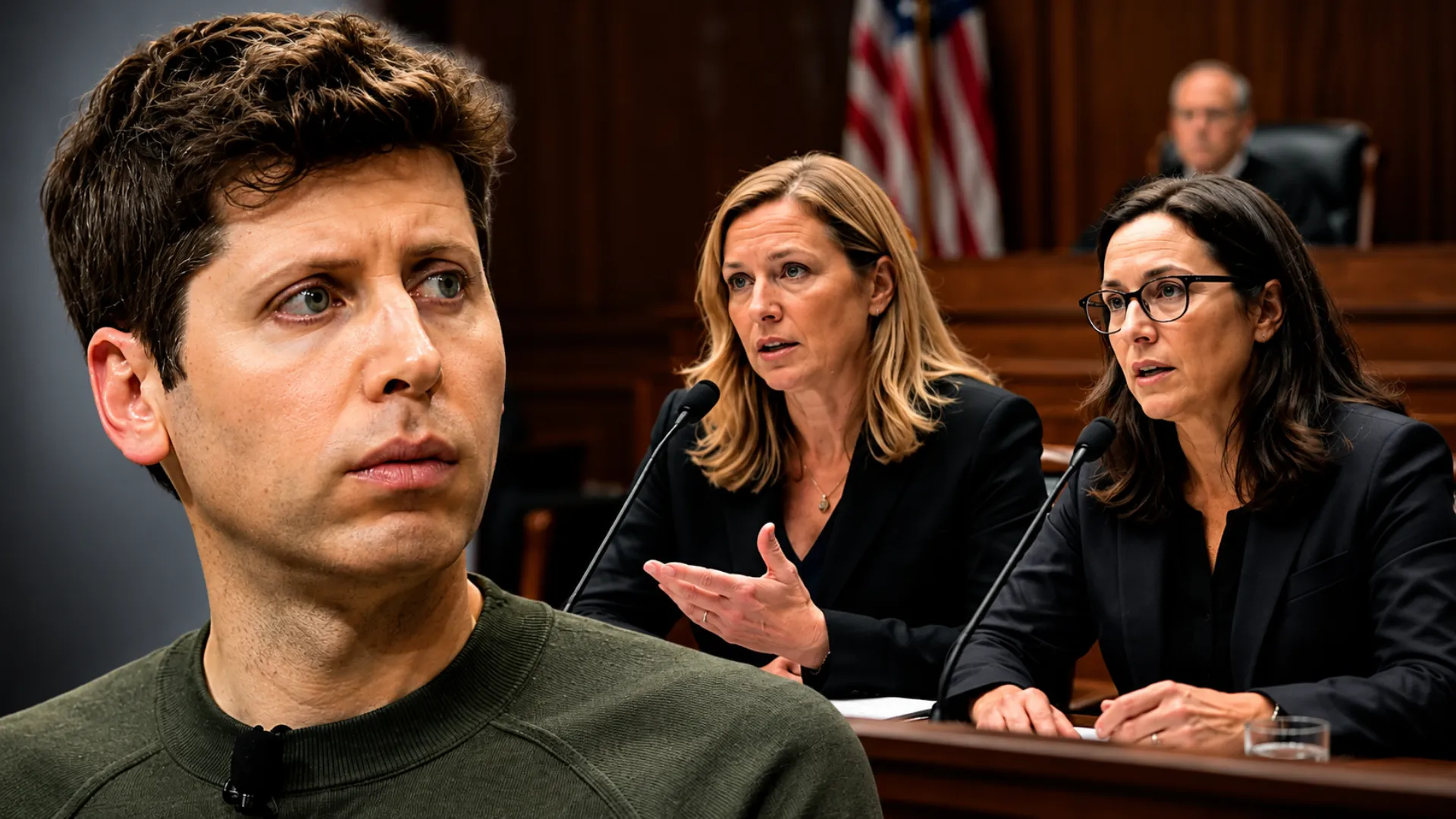
A new round of courtroom testimony has brought renewed attention to internal tensions at OpenAI, with former board members Helen Toner and Tasha McCauley accusing Chief Executive Officer Sam Altman of behaviour they described as dishonest and manipulative during his leadership of the artificial intelligence company.
The statements emerged during depositions connected to Elon Musk’s legal battle against OpenAI, a case that increasingly centres on whether the company has moved away from its original nonprofit mission in favour of aggressive commercial expansion. The testimony offers one of the clearest public glimpses yet into the deep disagreements that have existed inside OpenAI during its transformation from an AI research organisation into one of the world’s most influential technology companies.
According to testimony presented in court, Toner claimed Altman frequently “put words in other people’s mouths” during conversations and decision making processes. She suggested that he sometimes portrayed discussions in ways that implied broader support for his views or strategies than may actually have existed among board members or executives.
Her remarks pointed to concerns that internal communication at the company was shaped by influence tactics that affected major organisational decisions. Toner’s testimony reflected broader frustrations among some former leaders who believed transparency inside OpenAI had deteriorated over time.
McCauley delivered even stronger criticism during her deposition. She alleged there was a “pattern of lying” associated with Altman’s leadership style and argued that such behaviour affected the wider culture of the company itself.
According to McCauley, this environment created what she described as “a culture of lying and a culture of deceit” within OpenAI. Her comments suggested that leadership conduct at the highest level influenced workplace behaviour across teams and departments.
The testimony now forms part of a wider legal and public debate around OpenAI’s direction, governance structure, and long term mission as the company continues to expand its commercial influence through products such as ChatGPT and enterprise AI services.
Court Testimony Highlights OpenAI’s Shift From Research to Product Focus
One of the most significant themes emerging from the testimony was the claim that OpenAI gradually changed from a research oriented organisation focused on artificial general intelligence safety into a more traditional technology company centred on product development and rapid commercial deployment.
Toner told the court that OpenAI initially operated with strong emphasis on carefully advancing AGI research while studying long term risks connected to highly advanced AI systems. Over time, however, she said the company evolved into a far more product driven organisation.
She described a noticeable change in hiring practices as well. According to Toner, OpenAI increasingly brought in executives and employees with backgrounds in product development and Silicon Valley style technology operations rather than primarily focusing on AI safety researchers and long term policy experts.
The testimony aligns with broader industry observations that OpenAI has dramatically accelerated commercial launches since the global success of ChatGPT transformed the company into one of the fastest growing technology firms in the world.
Former OpenAI employee and AI researcher Rosie Campbell supported several of Toner’s claims during her own testimony. Campbell stated that when she joined OpenAI, the organisation maintained a substantial focus on long term AI safety research and future risk assessment involving advanced AI systems.
By the time she left the company, however, Campbell said she observed fewer personnel dedicated specifically to long term safety concerns.
According to her testimony, OpenAI still maintained teams working on present day AI safety issues, but the overall organisational emphasis appeared to shift toward immediate product development and deployment priorities.
Campbell stressed that OpenAI’s original mission was not simply to build AGI as quickly as possible, but to ensure such systems are developed safely and in ways that benefit humanity.
Her comments may prove especially important within the context of Elon Musk’s lawsuit because the legal dispute partly revolves around whether OpenAI abandoned its founding principles after adopting a more commercially aggressive structure.
Elon Musk’s Legal Challenge Gains New Momentum
The ongoing case involving Elon Musk and OpenAI has become one of the most closely watched legal battles in the technology industry.
Musk, who helped cofound OpenAI before later distancing himself from the organisation, has argued that the company’s movement toward profit driven operations conflicts with its original nonprofit mission focused on benefiting humanity through safe AI development.
The recent testimony from former board members could strengthen arguments that internal disagreements existed regarding OpenAI’s priorities and leadership practices during its rapid expansion.
At the centre of the legal debate is whether OpenAI’s partnership strategies, product launches, and corporate restructuring remain aligned with the organisation’s founding principles.
The court proceedings have also intensified public discussion around governance inside powerful AI companies at a time when governments and regulators across the world are debating how advanced artificial intelligence systems should be supervised.
OpenAI’s explosive growth following the launch of ChatGPT has transformed the company into one of the most commercially influential organisations in artificial intelligence. The company now competes directly with major technology firms including Google, Microsoft, Meta, Anthropic, and xAI in the race to dominate generative AI technologies.
That growth has also brought increasing scrutiny over transparency, safety practices, executive accountability, and the balance between research ethics and commercial ambition.
Questions Around GPT 4 Safety Review Process
Another significant issue raised during testimony involved concerns related to OpenAI’s internal safety review procedures.
Campbell referred to an incident involving GPT 4 that was reportedly launched through Microsoft’s Bing services in India before OpenAI had completed its internal safety review process.
According to testimony presented in court, this incident was viewed by some board members as a warning sign regarding the pace of product deployment and internal governance challenges.
The remarks are notable because OpenAI has repeatedly presented itself publicly as a company deeply committed to AI safety and responsible deployment standards.
The issue of balancing rapid innovation with rigorous safety evaluation has become one of the defining debates within the artificial intelligence sector. Critics of the industry argue that competition among AI companies may incentivise faster releases at the expense of comprehensive testing and oversight.
Supporters of rapid deployment, however, argue that broad public use allows companies to improve systems more quickly through real world feedback and practical application.
The testimony presented in court reflects how those tensions may have played out internally within OpenAI itself.
Mira Murati Also Reportedly Raised Concerns
Former OpenAI Chief Technology Officer Mira Murati also reportedly expressed concerns about Altman’s leadership during her deposition.
According to testimony referenced during the proceedings, Murati claimed Altman sometimes failed to fully share important information with her or was not entirely transparent regarding key organisational matters.
Murati briefly served as interim CEO during the dramatic leadership crisis that unfolded at OpenAI in late 2023 after Altman was temporarily removed from his role before eventually returning to lead the company again.
The leadership turmoil at the time triggered widespread shock across Silicon Valley and raised major questions about governance inside one of the world’s most powerful AI organisations.
Murati’s testimony reportedly suggested she believed Altman occasionally created rivalry and tension among senior executives instead of fostering collaboration among leadership teams.
Her statements added to the broader narrative emerging from multiple former insiders who described internal conflicts involving transparency, communication, and organisational direction.
Despite these concerns, Campbell also testified that she supported Altman’s eventual return during the 2023 crisis because she believed it would help preserve OpenAI’s nonprofit structure and allow the organisation to continue pursuing its broader mission.
That detail highlights the complicated and often conflicting perspectives surrounding Altman’s leadership. Even some individuals who expressed concerns about management practices also appeared to believe he remained central to OpenAI’s operational stability and long term future.
OpenAI Faces Growing Pressure Over Governance and Mission
The courtroom testimony arrives at a time when OpenAI faces increasing global scrutiny not only over its technology but also over its governance structure and corporate accountability.
As artificial intelligence systems become more powerful and economically influential, questions surrounding decision making inside AI companies are becoming increasingly important for policymakers, investors, and the public.
OpenAI’s unusual organisational structure combining nonprofit oversight with commercial operations has long generated debate within the technology industry. Critics argue that such arrangements can create tension between ethical commitments and financial incentives.
The testimony from Toner, McCauley, Campbell, and Murati has now amplified those concerns by presenting detailed accounts of disagreements over leadership transparency, organisational culture, and strategic priorities.
The company itself has not publicly accepted the allegations made during testimony, and the broader legal process remains ongoing.
Still, the revelations are likely to intensify discussions about how powerful AI organisations should be governed as the race toward advanced artificial intelligence accelerates globally.
For OpenAI, the case represents more than a legal challenge. It also reflects a growing battle over the identity of one of the most influential companies shaping the future of artificial intelligence.
As courts continue reviewing the dispute and more testimony emerges, the outcome could influence not only OpenAI’s future structure but also wider debates about ethics, safety, accountability, and power inside the rapidly evolving AI industry.
Frequently Asked Questions
What did former OpenAI board members accuse Sam Altman of during the court testimony?
Former OpenAI board members Helen Toner and Tasha McCauley alleged that Sam Altman was not consistently transparent in his leadership. Toner claimed he sometimes represented conversations in misleading ways, while McCauley described what she called a pattern of dishonest behaviour that affected company culture.
Why are Helen Toner and Tasha McCauley’s statements significant?
Their testimony is significant because both women previously served on OpenAI’s board and were directly involved in company oversight. Their comments provide rare insight into internal leadership tensions and governance concerns at one of the world’s most influential artificial intelligence companies.
How is Elon Musk connected to the OpenAI court case?
Elon Musk co founded OpenAI and later filed legal action against the company. His case argues that OpenAI moved away from its original nonprofit mission focused on safe and beneficial AI development after becoming more commercially driven.
What concerns were raised about OpenAI’s shift in priorities?
Former employees and board members testified that OpenAI gradually shifted from long term AI safety research toward a stronger focus on commercial products and rapid deployment. They suggested the organisation increasingly operated like a traditional technology company.
What did former researcher Rosie Campbell say about OpenAI?
Rosie Campbell testified that OpenAI initially placed major emphasis on long term AI safety research, but over time fewer people appeared focused on future AI risks. She said the company became more concentrated on product related work and current system development.
Why is AI safety an important issue in the OpenAI debate?
AI safety is central because advanced artificial intelligence systems could have major global impacts. Critics argue companies should prioritise careful development and oversight instead of focusing only on rapid product growth and market competition.
What was the reported concern involving GPT 4 and Microsoft Bing?
According to testimony, a version of GPT 4 was reportedly launched through Microsoft Bing in India before OpenAI had completed its internal safety review process. Some former insiders viewed this as a warning sign about deployment speed and governance concerns.
What did Mira Murati reportedly say about Sam Altman’s leadership?
Mira Murati reportedly testified that Altman sometimes failed to fully share important information with her and created tension among senior executives. Her comments suggested concerns about transparency and internal leadership dynamics at OpenAI.
Why does this legal battle matter to the artificial intelligence industry?
The case could influence future debates about AI governance, ethics, corporate accountability, and the balance between research safety and commercial growth. Many experts view it as an important test of how powerful AI companies should be managed.
How has OpenAI changed since the launch of ChatGPT?
Since the success of ChatGPT, OpenAI has expanded rapidly into a major commercial AI company with global influence. The organisation now competes directly with leading technology firms while facing increased scrutiny over transparency, safety, and corporate governance.
Did all former OpenAI employees oppose Sam Altman’s return in 2023?
No. Although several former leaders raised concerns about Altman’s leadership style, Rosie Campbell testified that she supported his return during the 2023 leadership crisis because she believed it would help preserve OpenAI’s nonprofit mission.
What broader questions does the OpenAI controversy raise?
The controversy raises wider questions about how artificial intelligence companies should balance innovation, profit, public safety, ethical responsibility, and transparency while developing increasingly powerful AI systems.
Edit Profile
Help improve @KR

Was this page helpful to you?
Contact Khogendra Rupini
Are you looking for an experienced developer to bring your website to life, tackle technical challenges, fix bugs, or enhance functionality? Look no further.
I specialize in building professional, high-performing, and user-friendly websites designed to meet your unique needs. Whether it's creating custom JavaScript components, solving complex JS problems, or designing responsive layouts that look stunning on both small screens and desktops, I can collaborate with you.
Create something exceptional with us. Contact us today
Open for Collaboration
If you're looking to collaborate, I'm available for a variety of professional services, including -
- Website Design & Development
- Advertisement & Promotion Setup
- Hosting Configuration & Deployment
- Front-end & Back-end Code Implementation
- Code Testing & Optimization
- Cybersecurity Solutions & Threat Prevention
- Website Scanning & Malware Removal
- Hacked Website Recovery
- PHP & MySQL Development
- Python Programming
- Web Content Writing
- Protection Against Hacking Attempts