
Apple's watchOS 27 Takes a Step Back From Big Features to Get the Basics Right, While Its Most Ambitious Health Project Hits a Wall
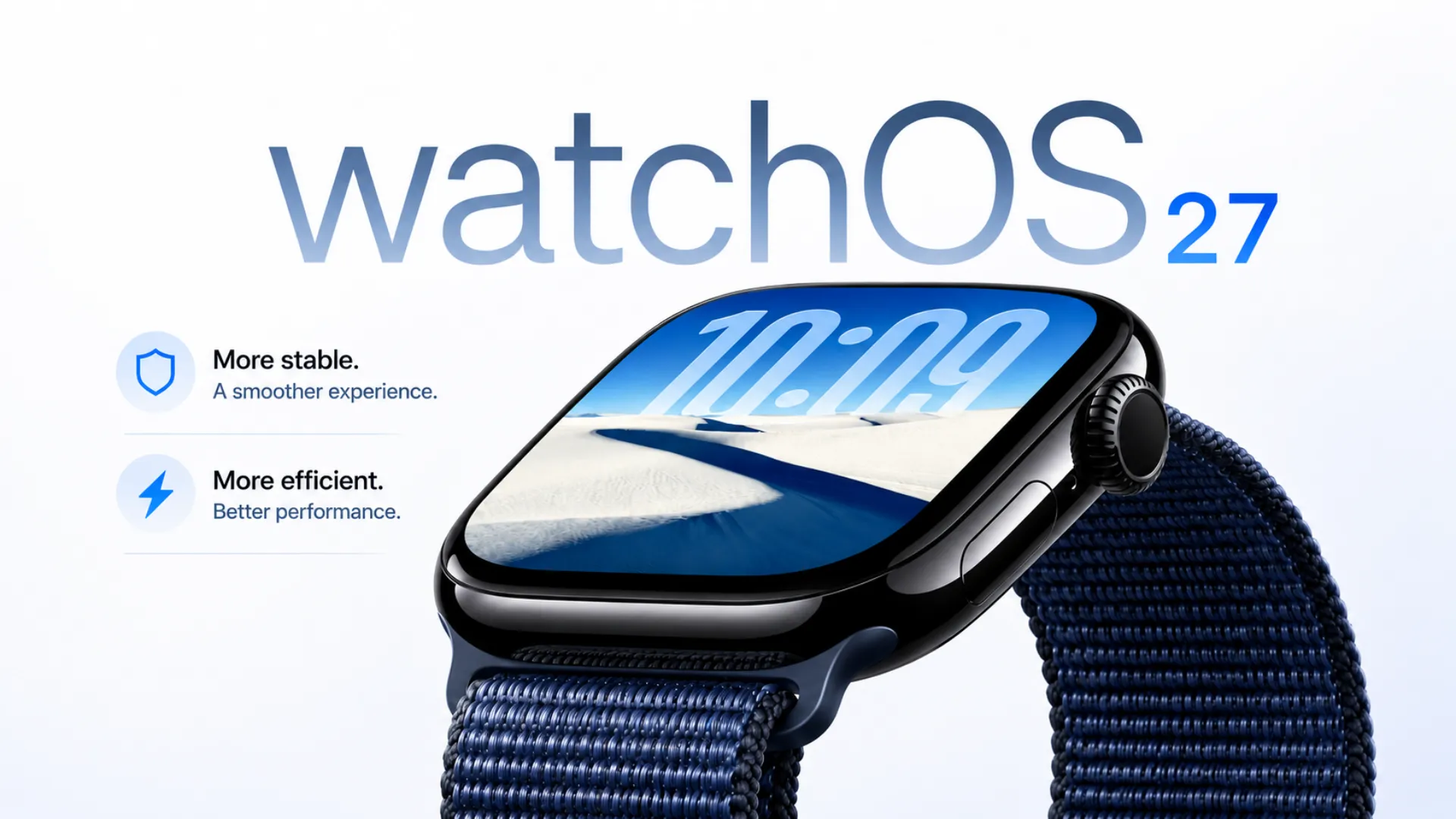
Apple is reportedly shifting its strategy for the upcoming watchOS 27 update, choosing to prioritise system stability, performance improvements, and subtle interface refinements over the kind of headline-grabbing feature drops the company has become known for. The move signals a more disciplined, engineering-focused release year for the Apple Watch platform, even as the company quietly delays one of its most ambitious health projects to date.
According to Bloomberg's veteran Apple journalist Mark Gurman, writing in his Power On newsletter, Apple's internal focus for watchOS 27 is largely "under the hood." Rather than unveiling a sweeping set of new capabilities, the company wants to make the Apple Watch faster, more reliable, and more consistent in everyday use. For millions of users who have long complained about occasional lags, battery drain, and background process hiccups, this could turn out to be one of the more meaningful watchOS updates in recent years, even if it doesn't look exciting on a spec sheet.
Heart Rate Tracking Gets a Much Needed Overhaul
One feature that will genuinely stand out in watchOS 27 is a significant upgrade to the Apple Watch's heart rate monitoring system. Apple is said to be working on making biometric tracking meaningfully more accurate and far more responsive in real time.
This matters more than it might initially seem. Competing wearable platforms, particularly WHOOP, have built loyal followings precisely because they refresh cardiovascular data more frequently and deliver readings that athletes and health-conscious users consider more clinically useful. Apple, despite being the dominant smartwatch brand globally, has faced persistent criticism that its heart rate data lacks the granularity and refresh speed that serious fitness users demand.
With watchOS 27, Apple is reportedly trying to close that gap. The goal is to deliver real-time cardiovascular monitoring that feels more responsive and more precise, bringing the Apple Watch closer to the standard set by dedicated fitness trackers. These improvements are also described as foundational groundwork for Apple's larger long-term digital health ambitions.
Project Mulberry Faces Significant Delays
The bigger story buried in Gurman's report is the fate of Project Mulberry, Apple's internally developed AI-powered health coaching initiative. The project, described as deeply integrated with Apple Health data, was designed to analyse a user's long-term health history and deliver genuinely personalised lifestyle guidance, going far beyond generic step count nudges or hydration reminders.
Earlier internal plans for Project Mulberry were, by any measure, bold. The system was reportedly being built to analyse live camera feeds in real time to assess a user's posture and offer live corrections during workouts. It was the kind of futuristic health feature that would have drawn significant attention at an Apple keynote.
Project Mulberry had originally been planned to launch alongside a redesigned Apple Health app as part of the iOS 26 release cycle. However, the initiative has undergone major internal restructuring following Apple executive Eddy Cue's appointment to lead the company's health division. That leadership transition appears to have triggered a comprehensive review of the project's scope, readiness, and direction.
The outcome of that review has not been kind to the original timeline. Multiple AI health features tied to Project Mulberry have reportedly been pushed back beyond the initial launch window. Gurman noted that some of these capabilities may not arrive until later in the iOS 27 update cycle, meaning users could be waiting well into next year or beyond.
Why Apple Decided to Delay
The reasoning behind the delay is telling. Apple reportedly concluded that the early versions of the AI health coaching experience were not polished or differentiated enough to justify a launch. The premium health and fitness subscription market has grown intensely competitive, with established services already available on the App Store offering deeply personalised coaching, recovery tracking, and AI-driven insights. Apple, according to the report, felt its version did not yet clear a high enough bar to stand apart from what users can already access.
That kind of honest internal assessment, choosing to delay rather than ship something mediocre, reflects the pressure Apple places on itself to define categories rather than simply join them. But it also raises questions about how long users will have to wait for Apple to deliver on its frequently stated promise of transforming personal health through its devices.
What This Means for Apple Watch Users
In practical terms, watchOS 27 is shaping up to be a quieter but potentially more satisfying update for everyday Apple Watch users. Better performance and stability improvements, combined with a stronger heart rate tracking experience, could make the watch feel noticeably more capable without requiring any dramatic new hardware. For users who have grown frustrated with the current system's occasional inconsistencies, a focused stability release may be precisely what the platform needs.
Project Mulberry, when it does arrive, remains one of the most conceptually exciting things Apple has in development. But for now, it stays in the lab.
Frequently Asked Questions
What is the main focus of Apple's watchOS 27 update?
Apple's watchOS 27 update is primarily focused on system stability, performance improvements, and subtle interface refinements rather than introducing major new features. The company wants to make the Apple Watch faster, more reliable, and more consistent in everyday use.
Will watchOS 27 bring any new features at all?
Yes. The most notable new feature is a significant upgrade to the Apple Watch heart rate tracking system, aimed at delivering more accurate and real-time cardiovascular monitoring. However, large-scale feature additions are not expected this cycle.
Why is Apple improving heart rate tracking in watchOS 27?
Apple wants to close the gap with competing fitness platforms like WHOOP, which are widely considered more precise because they refresh sensor data more frequently. The goal is to make Apple Watch biometric tracking more responsive and accurate for serious fitness users.
What is Project Mulberry?
Project Mulberry is Apple's internally developed AI-powered health coaching initiative. It is designed to deeply integrate with Apple Health data, analyse a user's long-term health history, and deliver personalised lifestyle guidance including real-time posture assessment using live camera feeds during workouts.
Why has Project Mulberry been delayed?
Apple reportedly concluded that the early versions of the AI health coaching experience were not polished or unique enough compared to existing health and fitness services already available on the App Store. The project also underwent major internal restructuring after Eddy Cue took leadership of Apple's health division.
When was Project Mulberry originally planned to launch?
Project Mulberry was originally planned to launch alongside a redesigned Apple Health app as part of the iOS 26 release cycle. Following internal restructuring, multiple features have been pushed back and may not arrive until later in the iOS 27 update cycle.
Who reported on the watchOS 27 and Project Mulberry details?
The details were reported by Bloomberg's veteran Apple journalist Mark Gurman in his Power On newsletter, which regularly covers Apple's internal development plans and upcoming software strategies.
How does Eddy Cue's role connect to the Project Mulberry delay?
Eddy Cue was appointed to lead Apple's health division, and his arrival triggered a comprehensive internal review of Project Mulberry's scope, readiness, and direction. That restructuring process is directly linked to the feature delays and the pushed-back launch timeline.
Is a stability-focused watchOS update actually beneficial for users?
Yes. For users who have experienced lags, battery drain, or system inconsistencies, a release focused on performance and reliability improvements can feel more meaningfully impactful in daily use than a feature-heavy update that introduces new problems.
How does Apple Watch compare to WHOOP in heart rate tracking?
WHOOP has been considered more precise by athletes and health-focused users because it refreshes cardiovascular data more frequently. Apple Watch, despite being the dominant smartwatch globally, has faced criticism for lacking the same level of granularity and refresh speed in its sensor readings.
Edit Profile
Help improve @KR

Was this page helpful to you?
Contact Khogendra Rupini
Are you looking for an experienced developer to bring your website to life, tackle technical challenges, fix bugs, or enhance functionality? Look no further.
I specialize in building professional, high-performing, and user-friendly websites designed to meet your unique needs. Whether it's creating custom JavaScript components, solving complex JS problems, or designing responsive layouts that look stunning on both small screens and desktops, I can collaborate with you.
Create something exceptional with us. Contact us today
Open for Collaboration
If you're looking to collaborate, I'm available for a variety of professional services, including -
- Website Design & Development
- Advertisement & Promotion Setup
- Hosting Configuration & Deployment
- Front-end & Back-end Code Implementation
- Code Testing & Optimization
- Cybersecurity Solutions & Threat Prevention
- Website Scanning & Malware Removal
- Hacked Website Recovery
- PHP & MySQL Development
- Python Programming
- Web Content Writing
- Protection Against Hacking Attempts