
Petrol Crosses Rs 115 in Hyderabad as India Records Fourth Fuel Price Hike in Just Ten Days, Cumulative Rise Now Touches Rs 7.5 Per Litre
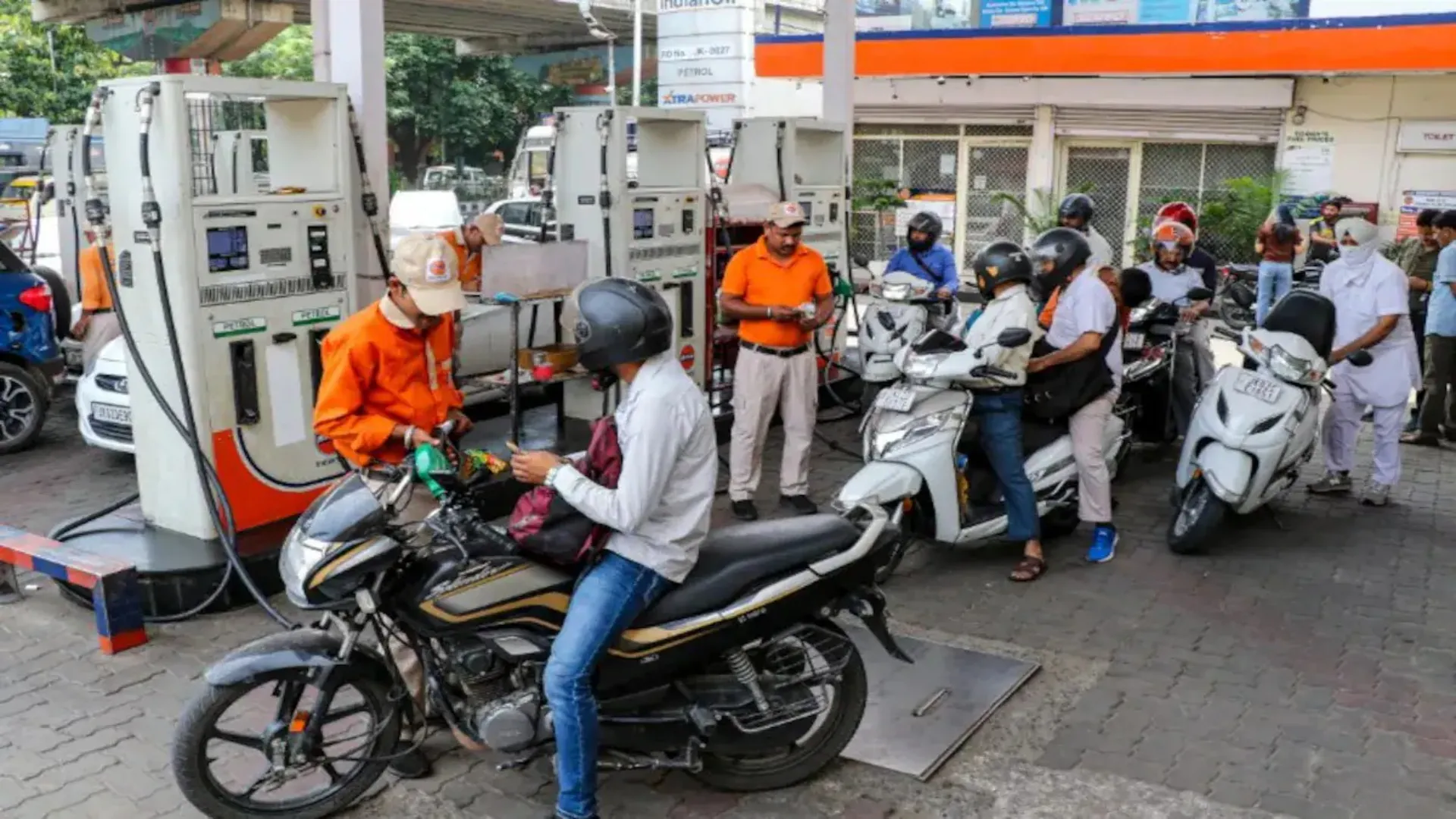
India woke up on Monday, May 25, to yet another painful revision at the fuel pump. State-owned oil marketing companies announced the fourth consecutive hike in petrol and diesel prices within a span of barely ten days, pushing cumulative increases to Rs 7.5 per litre since revisions resumed on May 15 after a prolonged freeze. The latest round added Rs 2.61 per litre to petrol and Rs 2.71 per litre to diesel, intensifying the financial pressure on millions of commuters, transporters, and businesses across the country.
The trigger, as has been the case with every recent revision, remains a combination of rising global crude oil prices and persistent supply chain concerns in international energy markets. With domestic oil firms having absorbed losses during the earlier freeze period, the current wave of pass-through pricing reflects a broader realignment with international rates. For the average Indian motorist, however, the arithmetic is straightforward and uncomfortable: fuel is now significantly more expensive than it was just a fortnight ago.
Fuel Prices Across India Now: Which City Burns the Deepest Hole in Your Pocket
Not all cities feel the pinch equally. India's federal structure allows states to levy varying VAT rates and local surcharges on fuel, which means the price at your neighbourhood petrol station depends heavily on where you live. The difference between the most expensive and cheapest city on the current list is striking, with petrol varying by more than Rs 14 per litre and diesel showing an even wider gap.
Hyderabad currently holds the unenviable title of the most expensive city for petrol in the country, with rates touching Rs 115.73 per litre. Its diesel price of Rs 103.82 per litre also places it firmly among the top-tier costlier metros. Telangana's aggressive VAT structure is largely responsible for keeping fuel costs at elevated levels even as some other states cushion the blow.
Thiruvananthapuram is not far behind. Kerala's capital charges Rs 115.49 per litre for petrol, and its diesel rate of Rs 104.41 per litre is actually the highest in the nation among the cities tracked. The combination of Kerala's historically high state taxes and the latest national revision has made refuelling particularly expensive here.
Patna and Kolkata both break the Rs 113 mark for petrol, with the Bihar capital charging Rs 113.54 and the West Bengal metropolis at Rs 113.51 per litre respectively. Diesel in Kolkata stands at Rs 99.82 per litre, while Patna clocks in at Rs 99.54. Both cities have consistently featured among India's most expensive fuel markets due to state tax policies and logistics factors.
Jaipur, which has seen one of the sharpest individual hikes in recent weeks, now prices petrol at Rs 113.35 per litre and diesel at Rs 98.39. The Rajasthan capital's trajectory upward has been notable even within the broader national context.
Mumbai, the financial capital, charges Rs 111.21 per litre for petrol and Rs 97.83 for diesel. Maharashtra's fuel tax regime has long kept Mumbai among the top five costliest cities for drivers. Bengaluru follows at Rs 110.61 for petrol and Rs 98.54 for diesel, a level that adds up significantly for the city's massive daily commuter population.
Bhubaneswar presents an interesting case: its petrol rate of Rs 108.83 is more moderate than the top cities, yet its diesel price of Rs 100.55 per litre has crossed the three-digit threshold, making it one of the few cities where diesel buyers face that psychological and very real pricing barrier.
Chennai, long known for steep fuel costs, continues that tradition with petrol at Rs 107.77 and diesel at Rs 99.55 per litre.
Northern Cities Offer Relative Relief, But Not by Much
As one moves toward North India, the pricing structure begins to ease somewhat, though the comfort is relative. Gurugram prices petrol at Rs 102.69 and diesel at Rs 95.36 per litre. New Delhi, benefiting from comparatively lower VAT rates than most other major metros, charges Rs 102.12 for petrol and Rs 95.20 for diesel, making the national capital one of the more reasonably priced large cities in the current environment.
Noida comes in marginally cheaper than Delhi at Rs 101.92 for petrol and Rs 95.37 for diesel. Lucknow sits at Rs 101.89 for petrol and Rs 95.36 for diesel per litre. Ahmedabad rounds out the lower end of the major cities spectrum, with petrol hovering around the Rs 101 to Rs 102 mark and diesel in the Rs 94 to Rs 95 range, continuing its reputation as one of India's relatively affordable fuel markets.
Chandigarh Stands Apart as the Cheapest City in the Country
Among all major Indian cities, Chandigarh stands in a league of its own when it comes to fuel affordability. Petrol here costs Rs 101.54 per litre, while diesel is priced at Rs 86.47, a figure dramatically lower than every other city on this list. The gap between Chandigarh's diesel price and that of Thiruvananthapuram exceeds Rs 17 per litre, an extraordinary disparity that underlines just how much state-level taxation shapes fuel economics across India. Chandigarh's status as a Union Territory with distinct tax arrangements directly contributes to this pricing advantage.
State Level Picture Reflects the Same Inequality
At the state level, Telangana leads the country with average petrol prices of approximately Rs 114.27 per litre and diesel at Rs 102.42. Andhra Pradesh follows closely with petrol at Rs 114.23 and diesel at Rs 101.97. Kerala, Bihar, and Madhya Pradesh also feature among the costlier states, driven by their respective VAT structures and local levies. At the other end, Union Territories and states with lighter tax regimes continue to provide measurable relief.
A Pattern That Points to Larger Concerns
The frequency of recent hikes, four in under ten days, signals that oil marketing companies are moving away from extended price freeze policies toward a more dynamic pricing model that tracks international crude benchmarks more closely. While this approach aligns domestic prices with global market realities, it also means that Indian consumers have very little buffer against international price volatility.
For households managing tight budgets, rising fuel prices carry cascading consequences. Transport costs rise, which elevates the cost of goods, particularly food and daily essentials. Taxi and auto fares face upward pressure. Logistics expenses for small businesses climb. And for the millions of two-wheeler owners who depend on petrol-powered vehicles for their daily livelihood, each hike directly affects their take-home earnings.
The broader question, as India approaches what appears to be a sustained period of elevated fuel prices, is whether the government will consider revising central excise duties to provide relief, as it has done in the past during price spikes. Until then, the pump tells the story: fuelling up across most of India now costs more than it has in a considerable period of time, and there is no firm indication that relief is imminent.
Frequently Asked Questions
Which city has the highest petrol price in India right now?
Hyderabad currently has the highest petrol price among all major Indian cities at Rs 115.73 per litre. Its diesel price also stands at Rs 103.82 per litre, making it one of the most expensive cities overall for motorists.
Which city has the highest diesel price in India today?
Thiruvananthapuram, the capital of Kerala, records the highest diesel price in the country at Rs 104.41 per litre. Its petrol price of Rs 115.49 per litre also places it among the top two most expensive cities for fuel.
Which city is the cheapest for petrol and diesel in India?
Chandigarh is currently the most affordable city on the list. Petrol here costs Rs 101.54 per litre while diesel is priced at just Rs 86.47 per litre, which is significantly lower than every other major city in the country. Its Union Territory status and distinct tax structure contribute to this advantage.
How many times have petrol and diesel prices been hiked in May 2026?
Petrol and diesel prices have been raised four times in less than ten days, with revisions beginning on May 15, 2026. The fourth and latest hike came on Monday, May 25, 2026, adding Rs 2.61 per litre to petrol and Rs 2.71 per litre to diesel.
What is the total cumulative increase in fuel prices since May 15, 2026?
The cumulative increase in both petrol and diesel prices amounts to Rs 7.5 per litre since fuel rate revisions resumed on May 15, 2026, after a prolonged period during which prices were kept frozen.
Why are fuel prices different across Indian cities?
India's federal structure allows each state to apply its own VAT rates and local surcharges on top of the base fuel price. This results in significant price differences across cities, with some states levying much heavier taxes than others. For instance, the diesel price gap between Chandigarh and Thiruvananthapuram currently exceeds Rs 17 per litre.
Why are fuel prices rising in India right now?
The primary reasons are rising international crude oil prices and ongoing global supply concerns. State-owned oil marketing companies, which had absorbed losses during an earlier price freeze, are now passing on the increased costs to consumers in line with international market benchmarks.
What are the current petrol and diesel prices in New Delhi?
In New Delhi, petrol is currently priced at Rs 102.12 per litre and diesel at Rs 95.20 per litre. The national capital benefits from comparatively lower VAT rates, which keeps its fuel prices below most other major metros.
Which states have the most expensive fuel prices in India?
Telangana tops the list with average petrol at Rs 114.27 per litre and diesel at Rs 102.42 per litre. Andhra Pradesh follows closely with petrol at Rs 114.23 and diesel at Rs 101.97. Kerala, Bihar, and Madhya Pradesh also rank among the costliest states due to higher VAT and local tax structures.
How do rising fuel prices affect ordinary Indian households?
Rising fuel prices create a cascading effect on the broader economy. Transport costs increase, which pushes up the prices of essential goods and food items. Taxi and auto fares rise, logistics expenses for small businesses climb, and for millions of two-wheeler owners who depend on petrol for their daily commute and livelihood, each hike directly reduces their effective earnings.
What are the current petrol and diesel prices in Mumbai?
In Mumbai, petrol is currently priced at Rs 111.21 per litre and diesel at Rs 97.83 per litre. Maharashtra's fuel tax regime has consistently kept Mumbai among the top five most expensive cities for drivers in India.
Is there any possibility of fuel price relief for Indian consumers?
There is no official indication of immediate relief. However, the Indian government has historically intervened during sharp price spikes by revising central excise duties downward. Whether such a step will be taken in the current cycle remains uncertain, and consumers across most cities will continue to face elevated fuel costs in the near term.
Edit Profile
Help improve @KR
Was this page helpful to you?
Contact Khogendra Rupini
Are you looking for an experienced developer to bring your website to life, tackle technical challenges, fix bugs, or enhance functionality? Look no further.
I specialize in building professional, high-performing, and user-friendly websites designed to meet your unique needs. Whether it's creating custom JavaScript components, solving complex JS problems, or designing responsive layouts that look stunning on both small screens and desktops, I can collaborate with you.
Create something exceptional with us. Contact us today
Open for Collaboration
If you're looking to collaborate, I'm available for a variety of professional services, including -
- Website Design & Development
- Advertisement & Promotion Setup
- Hosting Configuration & Deployment
- Front-end & Back-end Code Implementation
- Code Testing & Optimization
- Cybersecurity Solutions & Threat Prevention
- Website Scanning & Malware Removal
- Hacked Website Recovery
- PHP & MySQL Development
- Python Programming
- Web Content Writing
- Protection Against Hacking Attempts