Sam Altman Says the AI Jobs Apocalypse He Once Feared Is Not Coming and Here Is Why the World Should Pay Attention
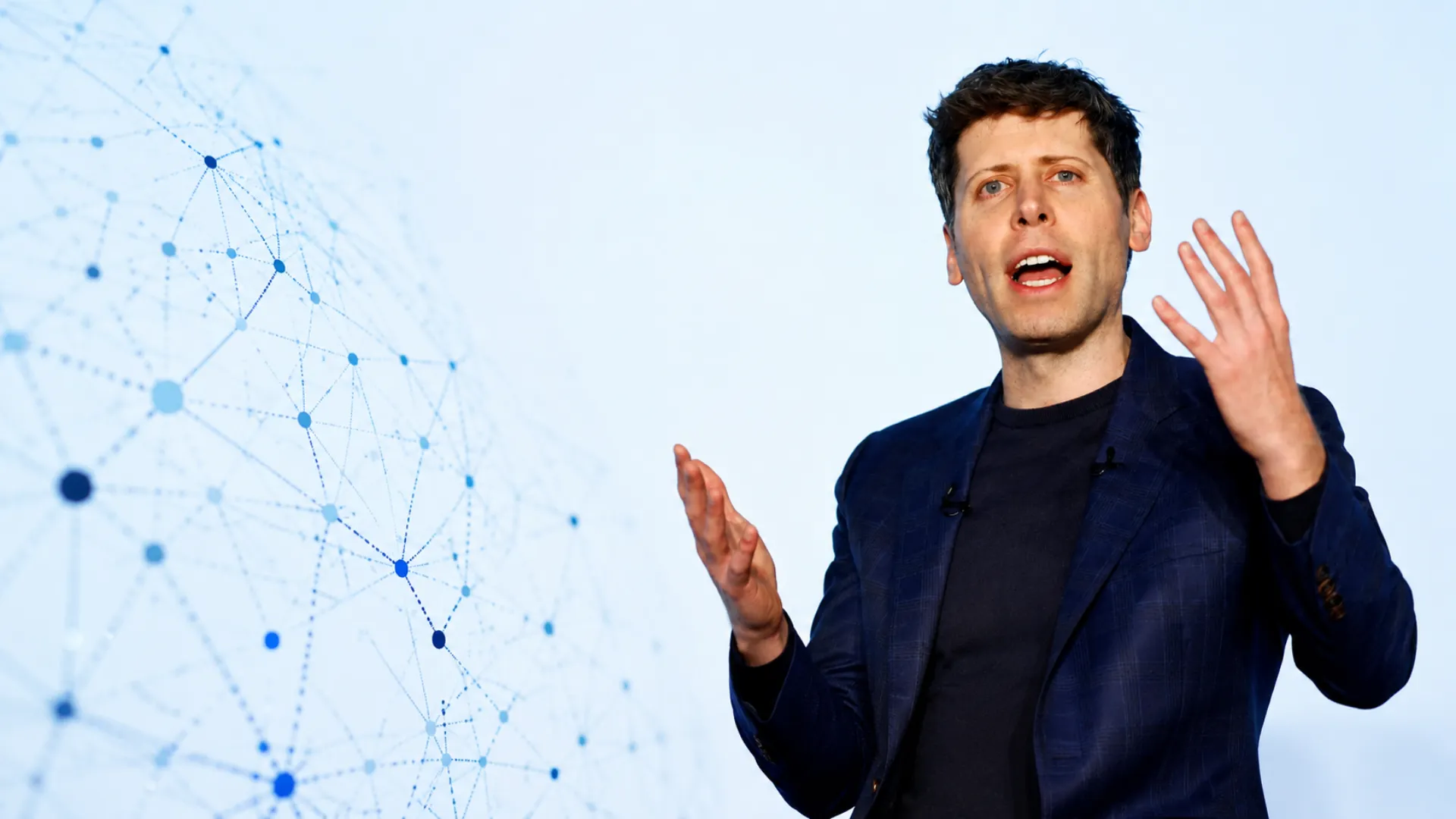
OpenAI Chief Executive Officer Sam Altman delivered a striking and somewhat unexpected message to the global business community on Tuesday, walking back one of the most alarming predictions he had made in recent years about the devastating impact of artificial intelligence on employment. Speaking virtually at a major financial conference in Sydney hosted by the Commonwealth Bank of Australia, Altman said that the feared wave of AI driven job destruction, particularly among white collar professionals, has simply not materialized the way he once believed it would.
For a man who leads arguably the most powerful artificial intelligence company in the world, this was a rare and candid moment of public self correction that carries enormous weight for workers, businesses, and governments across the globe who have spent years bracing for an economic disruption of historic proportions.
The Prediction That Shook the World Did Not Come True
When OpenAI launched ChatGPT in November 2022, it triggered a global conversation about the future of human work. Sam Altman himself was among those who expressed genuine concern that entry level white collar jobs would be among the first casualties of the AI revolution. Analysts, economists, and policy makers picked up on those warnings and the fear of mass unemployment driven by intelligent machines became one of the defining anxieties of the mid 2020s.
On Tuesday, however, Altman offered a very different assessment. Speaking in a candid interview with Commonwealth Bank of Australia Chief Executive Matt Comyn, he acknowledged that while OpenAI had been broadly accurate in its technological forecasts, the company had significantly misjudged the social and economic consequences of its own creations.
"I thought there would have been more impact on entry level white collar jobs being eliminated by now than has actually happened," Altman said during the conference. He added that he now believes he understands better why that disruption did not occur at the scale he anticipated, and expressed genuine relief at being proven wrong.
He was direct about the error in judgment. "I'm delighted to be wrong about this," he said, while also acknowledging that the warnings were issued in good faith based on what appeared to be a credible and serious risk at the time.
Why the Human Element in Work Proved More Powerful Than Expected
The most revealing part of Altman's remarks on Tuesday was not simply the admission that his predictions were off. It was the personal experience that helped him understand why human beings remain central to meaningful work in ways that even advanced artificial intelligence cannot replicate.
Altman shared that he had experimented with using AI to respond to his own Slack messages and emails, with the system transparently identifying itself as his AI assistant. What he discovered from that experiment shifted something fundamental in his thinking.
"We really do care about our interactions with people," Altman said, reflecting on the experience. He described the volume of interpersonal communication and relationship management that fills his working hours as something he could not imagine handing over to an AI system, despite the technology's clear capabilities.
This personal insight became the foundation for a broader professional conclusion. The human dimension of employment, the trust, emotional connection, accountability, and genuine presence that people bring to their professional relationships, turned out to be far more resistant to automation than even the most technically sophisticated observers had anticipated.
Altman said this realization updated his thinking significantly, leading him to believe that the overall jobs picture will look very different from the dire forecasts that had circulated in business and policy circles for the past several years.
A Changing Landscape But Not a Collapse
Altman's remarks do not mean that artificial intelligence is having no impact on the workforce. Several major global corporations including HSBC, Amazon, Standard Chartered, and the Commonwealth Bank of Australia itself have confirmed in recent months that certain roles within their organizations are being replaced or restructured as a result of AI adoption. These changes are real, ongoing, and affecting real people.
However, what Altman is challenging is the apocalyptic framing that suggested AI would hollow out entire employment sectors within a short timeframe. His position now is that the transformation of work through AI will be more gradual, more selective, and more nuanced than the most alarming projections had suggested.
"I don't think we're going to have the kind of jobs apocalypse that some of the companies in our space advocate or talk about," he said clearly and deliberately.
This is a significant statement from the leader of the company most responsible for bringing generative AI into mainstream consciousness. It does not dismiss the ongoing challenges faced by workers navigating an AI accelerated economy, but it does push back firmly against the narrative that human labor is on the verge of becoming obsolete.
OpenAI Eyes Historic Public Offering as Influence Grows
Tuesday's comments come at a pivotal moment for OpenAI as a company. According to recent reporting, OpenAI is preparing to confidentially file for a United States initial public offering in the coming weeks. The company is reportedly targeting a valuation of approximately one trillion dollars and aims to raise at least sixty billion dollars through the offering, moves that would make it one of the most consequential market debuts in recent financial history.
The scale of that ambition underscores just how central OpenAI and the broader AI industry have become to the global economy, even as debates about the technology's societal impact continue to evolve.
What This Means for Workers and the Future of Employment
For the hundreds of millions of workers around the world who have watched the rise of generative AI with a mixture of curiosity and dread, Sam Altman's latest remarks offer something genuinely rare in the technology industry: a correction offered with humility and grounded in lived experience rather than theory.
The message is not that AI poses no challenge to the workforce. It clearly does, and those challenges deserve serious policy attention. But the message is also that human beings bring something to their work that technology has not yet found a way to replace, and that this reality is more durable and more fundamental than even some of AI's most prominent architects had originally understood.
In an era defined by rapid technological change and widespread anxiety about the future, that is a finding worth sitting with carefully.
Frequently Asked Questions
What did Sam Altman say about AI and job losses at the Commonwealth Bank of Australia conference?
Sam Altman said that the feared wave of AI driven job destruction among white collar workers has not materialized the way he once predicted. He admitted his earlier concerns about entry level white collar jobs being eliminated by AI were overstated and expressed relief at being proven wrong.
Why did Sam Altman previously believe AI would eliminate large numbers of white collar jobs?
When OpenAI launched ChatGPT in 2022, Altman genuinely believed the rapid advancement of AI posed a serious and credible risk to entry level white collar employment. He issued those warnings in good faith based on what the technology appeared capable of achieving at scale.
What personal experience changed Sam Altman's thinking about AI replacing human workers?
Altman experimented with using AI to reply to his own Slack messages and emails, with the system identifying itself as his AI assistant. The experience revealed to him how deeply people value genuine human interaction, leading him to conclude he could not outsource that communication to AI despite the technology being capable.
Is AI having any real impact on jobs right now according to the article?
Yes. Several major global companies including HSBC, Amazon, Standard Chartered, and Commonwealth Bank of Australia have confirmed that certain roles within their organizations are being replaced or restructured due to AI adoption. The impact is real but more selective and gradual than worst case predictions suggested.
What does Sam Altman mean when he talks about the human part of employment being irreplaceable?
Altman is referring to the trust, emotional connection, accountability, and genuine human presence that people bring to professional relationships. He found through personal experience that people genuinely care about who they interact with, and that quality of human engagement has proved far more resistant to AI automation than expected.
Did OpenAI get its technological predictions right when it launched ChatGPT in 2022?
According to Altman, OpenAI was broadly accurate on its technological forecasts. However, the company was significantly wrong about the social and economic implications of those technological developments, particularly regarding large scale job displacement.
What is OpenAI's current financial status and future plans?
OpenAI is reportedly preparing to confidentially file for a United States initial public offering in the coming weeks. The company is said to be targeting a valuation of approximately one trillion dollars and aims to raise at least sixty billion dollars, which would make it one of the most significant market debuts in recent financial history.
Should workers still be concerned about AI affecting their jobs in the future?
While Altman's remarks offer reassurance against a sudden mass jobs apocalypse, challenges for workers navigating an AI accelerated economy remain real and deserve serious attention. The transformation of work through AI is expected to continue but in a more gradual, nuanced, and selective manner rather than through rapid wholesale elimination of entire job categories.
What is the broader significance of Sam Altman publicly admitting his predictions were wrong?
It is considered a rare moment of humility from one of the most influential figures in the technology industry. Coming from the CEO of the company most responsible for bringing generative AI into mainstream use, this correction carries significant weight for workers, policymakers, businesses, and governments who had been preparing for far more severe economic disruption.
What was the key conclusion Sam Altman drew from his experience with AI communication tools?
Altman concluded that the jobs picture will look very different from the alarming forecasts that had dominated public discourse in recent years. He stated clearly that he does not believe a jobs apocalypse of the scale that some in the AI industry have warned about is going to happen, largely because human interaction remains fundamentally valuable and difficult to automate.
Edit Profile
Help improve @KR
Was this page helpful to you?
Contact Khogendra Rupini
Are you looking for an experienced developer to bring your website to life, tackle technical challenges, fix bugs, or enhance functionality? Look no further.
I specialize in building professional, high-performing, and user-friendly websites designed to meet your unique needs. Whether it's creating custom JavaScript components, solving complex JS problems, or designing responsive layouts that look stunning on both small screens and desktops, I can collaborate with you.
Create something exceptional with us. Contact us today
Open for Collaboration
If you're looking to collaborate, I'm available for a variety of professional services, including -
- Website Design & Development
- Advertisement & Promotion Setup
- Hosting Configuration & Deployment
- Front-end & Back-end Code Implementation
- Code Testing & Optimization
- Cybersecurity Solutions & Threat Prevention
- Website Scanning & Malware Removal
- Hacked Website Recovery
- PHP & MySQL Development
- Python Programming
- Web Content Writing
- Protection Against Hacking Attempts