
Supreme Court Rules That Election Commission Can Check Citizenship for Voter Rolls, Orders Bihar Deletion Cases Sent to Centre Within Four Weeks
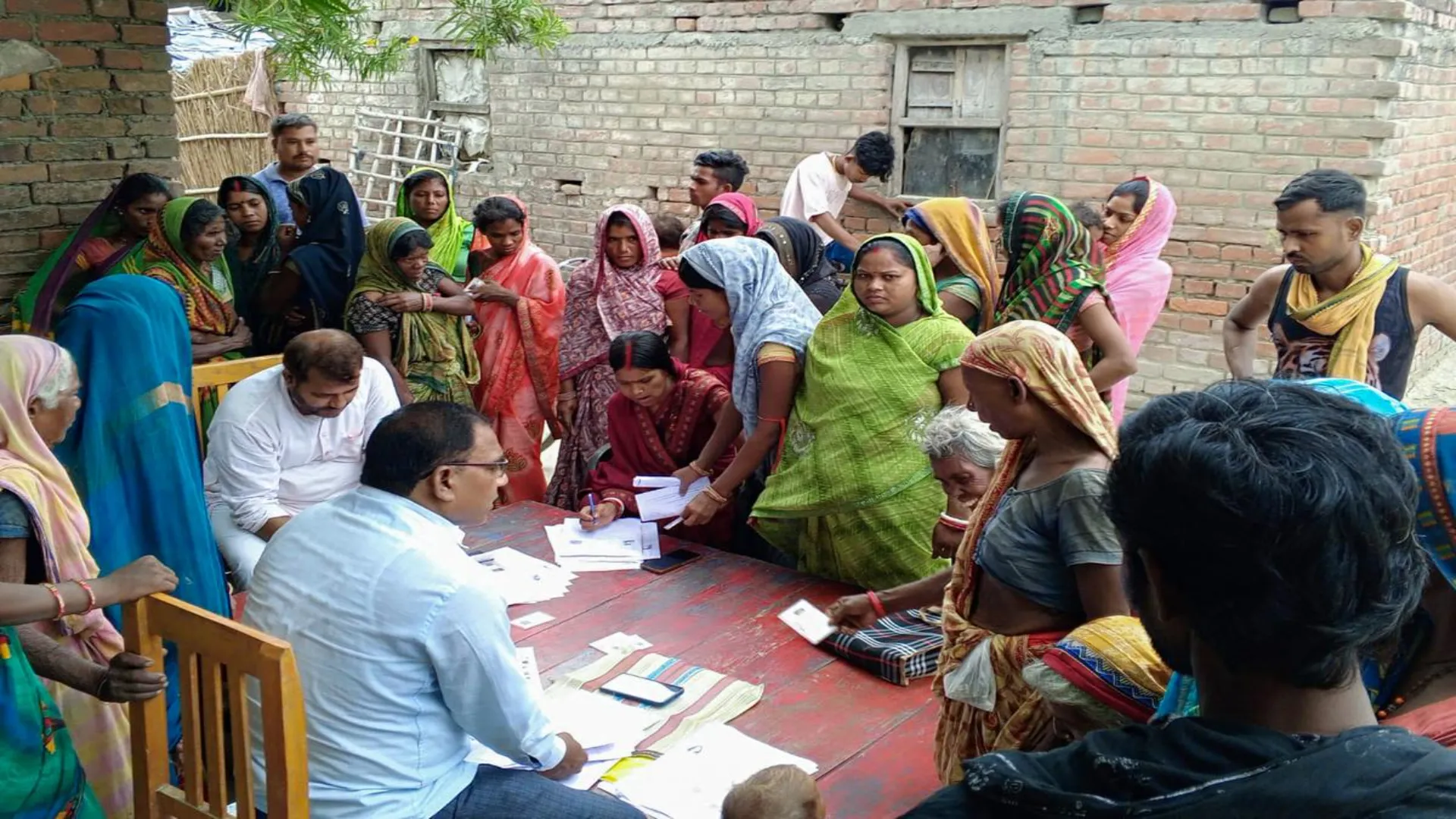
In a landmark constitutional verdict that redefines the boundaries of electoral authority in India, the Supreme Court on Wednesday upheld the legality of the Special Intensive Revision exercise of electoral rolls conducted by the Election Commission of India and directed the poll body to forward to the Central Government, within four weeks, the names of all persons deleted from the 2003 Bihar electoral roll on grounds of doubtful citizenship.
The ruling, delivered by a bench comprising Chief Justice of India Surya Kant and Justice Joymalya Bagchi, settles a long-standing legal question over whether the Election Commission holds any power to examine citizenship claims and also establishes clear procedural safeguards to protect individuals whose names may have been removed from voter lists.
The judgment came in response to a batch of petitions that challenged the Election Commission's notification to conduct the Special Intensive Revision in Bihar, with petitioners questioning the constitutional validity of the exercise and the poll body's authority to make any determination touching upon citizenship, which is a sovereign function of the state.
Supreme Court Defines Limits of Election Commission's Citizenship Powers
The Supreme Court drew a precise and important line in its ruling. While confirming that the Election Commission does have the power to inquire into citizenship questions, the Court was equally emphatic that such a determination is strictly limited to the purpose of deciding eligibility for inclusion in electoral rolls and carries no finality on the broader question of a person's citizenship status.
Chief Justice Surya Kant, while pronouncing the judgment, observed that under Section 16 of the Representation of the People Act, the Commission is undoubtedly empowered to examine questions bearing upon citizenship in the course of preparing or revising electoral rolls. The Chief Justice further stated that such an inquiry does not amount to a determination of citizenship in the strict sense and that any action taken pursuant to it is confined to electoral consequences alone.
The Court was clear that a negative determination by the Election Commission on citizenship does not divest an individual of their claim to citizenship, nor does it foreclose adjudication of that question by the competent authority under the Citizenship Act. In other words, being removed from a voter list does not make a person a non-citizen. The two are separate and distinct determinations under law.
Bihar 2003 Roll Deletions to Be Reviewed by Competent Authority
At the heart of Wednesday's directions is a specific and time-bound order concerning persons who were deleted from the 2003 Bihar electoral roll on the ground that the Election Commission was of the opinion that they were not citizens. The Supreme Court directed the Election Commission to refer such cases to the competent authority under the Citizenship Act, 1955, within four weeks from the date of the judgment.
The competent authority, which is an arm of the Union Government, has been directed to complete the adjudication process before the next Vidhan Sabha elections or local body elections in Bihar, whichever comes earlier. The Court specified that before reaching any conclusion, the competent authority must issue notice to all concerned individuals and give them a proper opportunity of being heard.
Crucially, the Court added a restorative direction. If the competent authority, after due process, concludes that the deleted individuals are indeed citizens of India, their names must be restored to the electoral rolls. This ensures that no citizen is permanently disenfranchised based solely on an administrative determination made by the Election Commission during the revision exercise.
Erroneous Deletions Can Be Challenged Through Judicial Review
The Supreme Court also addressed a separate but equally significant concern surrounding persons who were domiciled in Bihar and whose names were erroneously deleted on grounds other than citizenship, such as being marked as absent, deceased, having shifted residence, or on account of duplication in the rolls.
The Court held that all such persons retain the right to challenge the Commission's decision by way of judicial review before the appropriate courts. This protection ensures that the SIR exercise, while constitutionally valid and aimed at cleansing electoral rolls of ineligible voters, cannot become an instrument of arbitrary disenfranchisement for genuine citizens who may have been removed due to administrative errors or incorrect field verification.
This part of the ruling is particularly significant given that large scale revision exercises across states have historically raised concerns about wrongful deletions affecting marginalised communities, migrant workers, daily wage earners and others who may not be present at their registered addresses during enumeration.
What the Verdict Means for Electoral Democracy in India
Wednesday's Supreme Court ruling carries substantial implications for how electoral rolls are maintained and revised across the country. By upholding the SIR exercise, the Court has affirmed the Election Commission's broad constitutional mandate to ensure that voter lists are accurate and include only eligible citizens. At the same time, by limiting the finality of the Commission's citizenship determinations and by creating a mandatory referral mechanism to the competent authority, the Court has built in robust protections for individuals whose rights might otherwise be affected without due process.
The judgment essentially creates a two-tier framework. The Election Commission can act first in excluding names it believes belong to non-citizens, but the final word on citizenship must come from the designated authority under the Citizenship Act through a proper legal process. This division of responsibility reflects the Court's understanding that while efficient electoral roll management is essential for free and fair elections, it cannot be achieved at the cost of the fundamental right to vote held by genuine citizens.
The ruling also sends a clear signal that the Supreme Court will carefully scrutinise administrative exercises that touch upon the civic rights of large populations, ensuring that procedural safeguards, natural justice and legal due process remain non-negotiable regardless of the scale or urgency of any government-driven revision exercise.
Frequently Asked Questions
What did the Supreme Court rule about the Special Intensive Revision of Bihar electoral rolls?
The Supreme Court upheld the legality of the Special Intensive Revision exercise conducted by the Election Commission of India. The bench led by CJI Surya Kant confirmed that the ECI has the constitutional power to revise electoral rolls and examine citizenship questions for the limited purpose of determining voter eligibility.
What has the Supreme Court directed the Election Commission to do regarding deleted Bihar voters?
The Supreme Court directed the Election Commission to forward, within four weeks, the names of all persons deleted from the 2003 Bihar electoral roll on grounds of doubtful citizenship to the Central Government's competent authority under the Citizenship Act, 1955, for proper adjudication.
Can the Election Commission permanently decide that a person is not a citizen of India?
No. The Supreme Court clearly ruled that the Election Commission's determination on citizenship is not final and is limited strictly to electoral roll purposes. It does not divest an individual of their citizenship claim, and the final decision on citizenship can only be made by the competent authority under the Citizenship Act.
What happens if the competent authority finds that deleted voters are actually Indian citizens?
If the competent authority concludes after due process that the deleted individuals are genuine Indian citizens, the Supreme Court has ordered that their names must be restored to the electoral rolls, ensuring they are not permanently disenfranchised.
What legal protection exists for Bihar voters deleted on grounds other than citizenship?
Persons domiciled in Bihar whose names were erroneously deleted for reasons such as being marked absent, deceased, having shifted residence, or on grounds of duplication can challenge the Election Commission's decision through judicial review before the appropriate courts.
What is the deadline for the competent authority to complete the citizenship adjudication process?
The Supreme Court directed the competent authority to complete the entire adjudication process before the next Vidhan Sabha elections or local body elections in Bihar, whichever comes earlier. The authority must also issue proper notices and give affected individuals a full opportunity of hearing.
Which bench delivered this Supreme Court verdict on the ECI and Bihar electoral rolls?
The verdict was delivered by a bench comprising Chief Justice of India Surya Kant and Justice Joymalya Bagchi. The judgment was pronounced on May 27, 2026, in response to a batch of petitions challenging the Election Commission's SIR notification for Bihar.
What is the broader significance of this Supreme Court ruling for electoral democracy in India?
The ruling establishes a two-tier framework where the Election Commission can act on voter eligibility during roll revision, but the final determination of citizenship must go through a proper legal process under the Citizenship Act. This balances electoral accuracy with the protection of citizens' fundamental right to vote.
Edit Profile
Help improve @KR

Was this page helpful to you?
Contact Khogendra Rupini
Are you looking for an experienced developer to bring your website to life, tackle technical challenges, fix bugs, or enhance functionality? Look no further.
I specialize in building professional, high-performing, and user-friendly websites designed to meet your unique needs. Whether it's creating custom JavaScript components, solving complex JS problems, or designing responsive layouts that look stunning on both small screens and desktops, I can collaborate with you.
Create something exceptional with us. Contact us today
Open for Collaboration
If you're looking to collaborate, I'm available for a variety of professional services, including -
- Website Design & Development
- Advertisement & Promotion Setup
- Hosting Configuration & Deployment
- Front-end & Back-end Code Implementation
- Code Testing & Optimization
- Cybersecurity Solutions & Threat Prevention
- Website Scanning & Malware Removal
- Hacked Website Recovery
- PHP & MySQL Development
- Python Programming
- Web Content Writing
- Protection Against Hacking Attempts