
Oil Prices Surge Past $97 as US Strikes Iran Military Site in Bandar Abbas, Strait of Hormuz Crisis Deepens
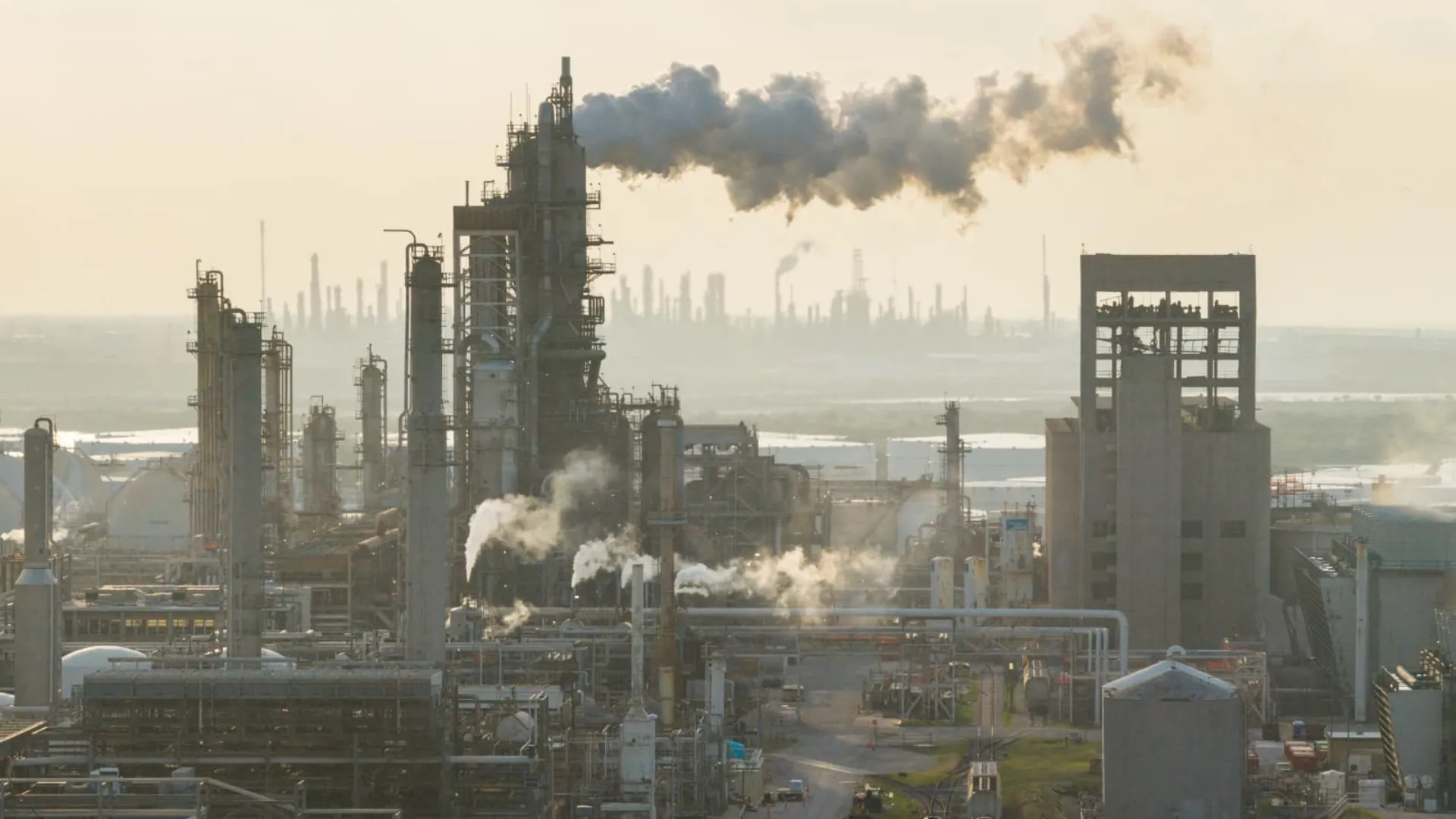
Global energy markets were rattled on Thursday as oil prices surged sharply following fresh United States military strikes on Iran, targeting a key military installation in the strategic port city of Bandar Abbas. The development has sent shockwaves through commodity markets worldwide, renewing fears of a prolonged energy crisis that could impact economies from Asia to Europe.
US Military Confirms Strikes and Drone Interceptions
The United States Central Command, widely known as Centcom, officially confirmed that American forces carried out targeted strikes on a military site located in Bandar Abbas, one of Iran's most critical coastal cities and a gateway to the Persian Gulf. In a further escalation, Centcom also disclosed that its forces successfully intercepted and shot down four Iranian drones that were described as posing an active threat in the vicinity of the Strait of Hormuz. The dual military action marks one of the most significant confrontations between the two nations in recent months and signals that the fragile security situation in the region remains far from resolved.
Oil Markets React With Sharp Gains
Financial markets responded almost immediately to the news. Global oil benchmark Brent crude climbed 3.75 percent to reach $97.83 per barrel, inching closer to the psychologically significant $100 mark that analysts have long warned could trigger broader inflationary pressures across the globe. Meanwhile, US traded West Texas Intermediate crude also surged, gaining 4 percent to trade at $92.22 per barrel. Energy traders cited growing uncertainty over supply continuity as the primary driver behind the sharp price movements, with many market participants raising their risk assessments for the Gulf region.
Ceasefire in Place Yet Tensions Refuse to Ease
What makes the latest development particularly alarming is the fact that the US strikes took place despite an existing ceasefire agreement between Washington and Tehran. The two nations have been engaged in active diplomatic negotiations aimed at ending a three month long armed conflict that erupted following coordinated attacks by the United States and Israel on Iranian soil on 28 February. That ceasefire was seen as a tentative step toward de escalation, but Thursday's military action suggests the ground situation remains deeply volatile and that trust between the two sides is far from established. Diplomats and international observers have expressed serious concern that renewed hostilities could derail ongoing peace talks entirely.
The Strait of Hormuz and Its Global Energy Significance
At the center of this geopolitical storm lies the Strait of Hormuz, one of the most vital energy corridors on the planet. Approximately one fifth of the world's total supply of oil and liquefied natural gas passes through this narrow waterway on a daily basis. Since the conflict effectively closed the strait to normal commercial shipping traffic, energy markets have been under persistent pressure. Iran had previously threatened to target vessels attempting to use the shipping route following the initial attacks in late February, and those threats continue to hang over global trade routes like a dark cloud.
The closure of this critical passage has already contributed to elevated energy costs across multiple continents. Nations heavily dependent on Gulf oil imports, particularly in South and Southeast Asia, have felt the strain most acutely. Fuel prices in several countries have risen steadily, and there are growing concerns about the economic ripple effects if the situation continues to deteriorate.
What This Means for the Global Economy
Energy economists warn that sustained oil prices above $95 per barrel could significantly hamper global economic recovery, particularly in emerging markets already grappling with inflation and currency pressures. Central banks in several countries may be forced to revisit their monetary policy stances if energy costs continue to climb. Aviation, shipping, and manufacturing sectors are among the most directly exposed industries, and corporate earnings forecasts are being revised downward in anticipation of higher operational costs.
The conflict also carries significant implications for global food supply chains, as elevated fuel costs translate into higher transportation and agricultural production expenses. Analysts caution that unless a durable and credible peace agreement is reached between the United States and Iran, energy markets will remain susceptible to violent price swings.
A Crisis With No Easy Resolution in Sight
The latest strikes underline a fundamental truth about the current standoff in the Middle East. Even when diplomatic channels are open, military actions on the ground continue to shape the trajectory of this conflict. With oil prices climbing, shipping lanes under threat, and peace talks in a delicate stage, the world is watching the Strait of Hormuz more closely than ever. The coming days of negotiation may well determine whether global energy markets find stability or brace for an even sharper reckoning.
Frequently Asked Questions
Why did oil prices surge after the US strikes on Iran?
Oil prices jumped sharply because the US military carried out strikes on a military site in Bandar Abbas and intercepted four Iranian drones near the Strait of Hormuz. This raised fears of supply disruption in one of the world's most critical energy corridors, pushing Brent crude up 3.75 percent to $97.83 per barrel and US crude up 4 percent to $92.22 per barrel.
What is the Strait of Hormuz and why does it matter so much to global energy?
The Strait of Hormuz is a narrow waterway connecting the Persian Gulf to the Arabian Sea. Approximately one fifth of the world's total oil and liquefied natural gas supply passes through it daily. Any disruption to this route directly threatens global energy supply chains, causing immediate price volatility in international markets.
What happened in Bandar Abbas and what did the US military confirm?
The US Central Command confirmed that American forces struck a military site in Bandar Abbas, a strategic port city in Iran with direct access to the Persian Gulf. In addition to the ground strike, Centcom also confirmed the interception and destruction of four Iranian drones that were posing an active threat near the Strait of Hormuz.
How did the current conflict between the US and Iran begin?
The conflict began on 28 February when the United States and Israel launched coordinated attacks on Iranian territory. Iran responded by threatening to target commercial and military vessels using the Strait of Hormuz, effectively closing the key waterway and triggering a global energy crisis that has lasted over three months.
Were these US strikes a violation of the existing ceasefire agreement?
The strikes occurred despite an active ceasefire between Washington and Tehran, which had been established to create space for ongoing diplomatic negotiations. The fact that military action continued even during the ceasefire period has raised serious concerns among international observers about the durability of the peace process and the level of trust between both sides.
How close are oil prices to the $100 per barrel mark and why does it matter?
Following the latest strikes, Brent crude reached $97.83 per barrel, placing it dangerously close to the $100 threshold. Economists consider $100 per barrel a critical psychological and economic barrier. If prices breach that level and remain elevated, it could trigger broader inflation, increased costs across aviation, shipping, and manufacturing sectors, and slower economic growth in multiple countries.
Which countries are most affected by the Strait of Hormuz closure?
Nations in South and Southeast Asia that heavily depend on Gulf oil imports have felt the most acute impact from the strait's disruption. Rising fuel costs in these regions are feeding into higher transportation, food production, and consumer goods expenses. Emerging economies are particularly vulnerable as they simultaneously face currency pressures and existing inflation challenges.
What impact could sustained high oil prices have on the global economy?
Energy economists warn that oil prices consistently above $95 per barrel could hamper global economic recovery. Industries including aviation, manufacturing, and shipping face higher operational costs. Central banks may be forced to reconsider monetary policy decisions, corporate earnings forecasts are being revised downward, and global food supply chains could also face significant strain due to elevated fuel and transportation costs.
Are US and Iran peace talks still ongoing despite the renewed strikes?
Yes, diplomatic negotiations between the United States and Iran are reportedly still in progress with the goal of ending the three month long conflict. However, the latest military strikes have placed those talks under considerable strain. Analysts and diplomats warn that continued military action could collapse the dialogue entirely, pushing both nations further from a durable resolution.
Why should global news readers pay attention to the US and Iran conflict?
This conflict has consequences that extend far beyond the Middle East. It directly affects global oil and gas supply, international shipping routes, food prices, inflation, and economic stability across continents. Whether you are an investor, a policymaker, a business owner, or an everyday consumer, the ripple effects of this crisis are already being felt in fuel costs, trade activity, and the broader geopolitical order.
Edit Profile
Help improve @KR

Was this page helpful to you?
Contact Khogendra Rupini
Are you looking for an experienced developer to bring your website to life, tackle technical challenges, fix bugs, or enhance functionality? Look no further.
I specialize in building professional, high-performing, and user-friendly websites designed to meet your unique needs. Whether it's creating custom JavaScript components, solving complex JS problems, or designing responsive layouts that look stunning on both small screens and desktops, I can collaborate with you.
Create something exceptional with us. Contact us today
Open for Collaboration
If you're looking to collaborate, I'm available for a variety of professional services, including -
- Website Design & Development
- Advertisement & Promotion Setup
- Hosting Configuration & Deployment
- Front-end & Back-end Code Implementation
- Code Testing & Optimization
- Cybersecurity Solutions & Threat Prevention
- Website Scanning & Malware Removal
- Hacked Website Recovery
- PHP & MySQL Development
- Python Programming
- Web Content Writing
- Protection Against Hacking Attempts