
US Strikes on Iran Intensify as Fighting Erupts at Strait of Hormuz, Peace Talks Hang by a Thread
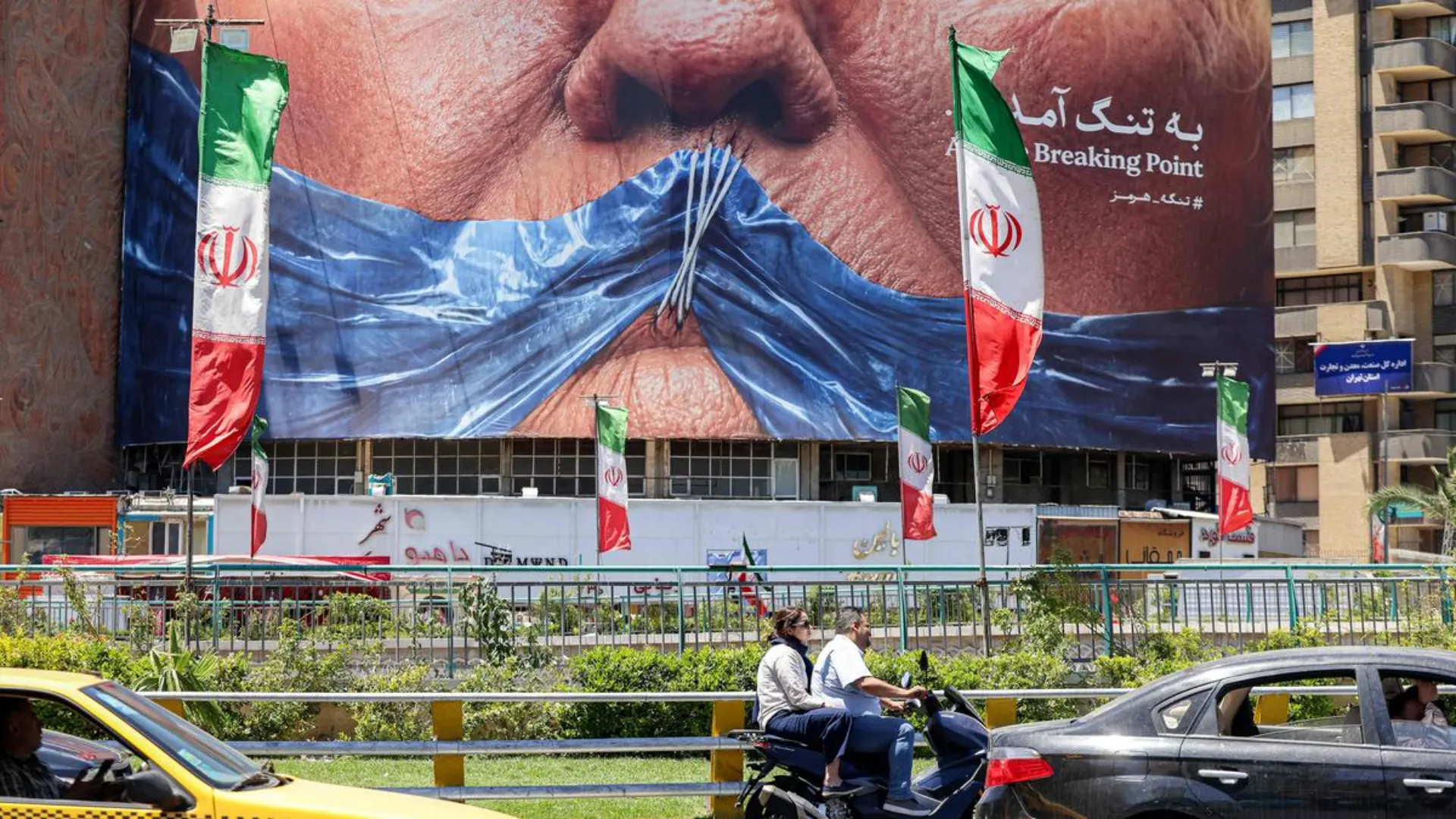
A fragile diplomatic effort to formally end the nearly three-month-old war between the United States, Israel and Iran teetered dangerously on Thursday as American forces carried out fresh strikes on Iranian territory, drawing swift military retaliation from Tehran and triggering one of the most serious escalations since a ceasefire was announced in April. The confrontation, now drawing in regional powers including Kuwait, has sent alarm signals across global energy markets and placed the fate of ongoing peace negotiations in serious jeopardy.
How the Overnight Confrontation Unfolded Near Bandar Abbas
The latest round of hostilities appears to have been ignited in the early hours of Thursday morning when Iranian forces opened fire on four vessels attempting to cross the Strait of Hormuz, the strategically critical waterway connecting the Persian Gulf to the Gulf of Oman. According to Iran's state broadcaster IRIB, the ships entered the strait at approximately 12:35 a.m. local time without coordinating with Iranian security forces. After the vessels ignored initial warnings, Iranian forces fired warning shots, forcing them to turn back.
The situation escalated rapidly from there. United States forces launched retaliatory strikes targeting a ground control station in Bandar Abbas, the southern Iranian port city that serves as a key naval hub. A senior US official, speaking on condition of anonymity due to the sensitive nature of the operation, confirmed the strike to AFP. Iran responded swiftly, launching an attack on an American military base in the region. Kuwait, a longstanding US ally in the Gulf, was also drawn into the confrontation, though full details of its involvement remained unclear at the time of reporting.
The exchange marked the most serious outbreak of violence since the April ceasefire was declared and cast a dark shadow over ongoing diplomatic talks that had been slowly progressing in recent weeks.
The Earlier Strike That Set the Stage
Wednesday's developments did not arrive in isolation. The day prior, the US military had already conducted what officials described as a defensive strike against Iran after observing aggressive activity from Iranian forces. Two US officials told the Associated Press that American forces shot down four Iranian attack drones and struck a launch base that was preparing to send a fifth drone airborne. The officials determined that the drones posed a direct threat to shipping and military assets in and around the Strait of Hormuz.
It was the second such defensive strike carried out by American forces within a single week, signaling that despite the ceasefire framework, the two sides remained in an active and dangerous posture toward one another along one of the world's most critical maritime chokepoints.
Trump's Stance and the Pressure Behind the Talks
In Washington, President Donald Trump spoke publicly on Wednesday about the state of negotiations with Tehran, striking a tone that was simultaneously confident and combative. Trump declared that Iran was "negotiating on fumes," suggesting that economic pressure and military setbacks had severely weakened Tehran's hand at the bargaining table. He also addressed concerns that the approaching November midterm elections might push his administration into accepting a rushed or unfavorable agreement, firmly rejecting that notion.
"We're not going to be pressured by any election timeline," Trump indicated, framing the negotiations as a matter of strength and patience rather than political expediency.
The core framework under discussion would require Iran to surrender its stockpile of highly enriched uranium in exchange for significant relief from the economic sanctions that have strangled its economy. While both sides have indicated a degree of willingness to engage on this basis, the repeated military clashes have repeatedly disrupted the diplomatic rhythm and introduced fresh distrust on both sides.
Iran's Dual Track of Defiance and Diplomacy
Tehran has maintained a careful public posture throughout this period, simultaneously downplaying the prospect of full-scale war resuming while refusing to show any sign of capitulation. Iranian officials have reiterated that a return to large-scale conflict is unlikely, even as Trump warned earlier this week that the United States retains the option to, as he put it, "finish the job."
The dual messaging from Iranian leadership reflects a government walking a tightrope between domestic expectations of resistance and the practical realities of a war-battered economy operating under severe sanctions. Billboards bearing Trump's image alongside depictions of the Strait of Hormuz appeared in central Tehran this week, hinting at the politically charged atmosphere inside the country as negotiations continue.
For Iran, the Strait of Hormuz is not merely a point of geographic contention. It is a symbol of leverage. Roughly 20 percent of the world's oil supply passes through this narrow waterway, and Tehran has historically used the threat of restricting access as a bargaining chip in moments of maximum pressure. The recent incidents involving the four vessels suggest that Iranian forces are still actively asserting control and signaling that they intend to remain gatekeepers of the strait regardless of what the broader negotiations produce.
A War That Started on February 28 and a Peace Still Out of Reach
The conflict formally began on February 28, 2026, when US and Israeli forces launched coordinated strikes on Iranian targets. Since then, the confrontation has passed through phases of intense bombardment, brief pauses, and diplomatic overtures. The April ceasefire was welcomed internationally as a potential turning point, but Thursday's events demonstrated how easily that framework could unravel.
Global energy markets, already jittery since the conflict began, showed renewed anxiety as reports emerged of clashes along the Hormuz corridor. Shipping companies with vessels operating in the Gulf have been on heightened alert throughout the conflict, and fresh hostilities near Bandar Abbas renewed concerns about the safety of commercial transit routes.
Regional governments, particularly the smaller Gulf states that rely on freedom of navigation for their own economic survival, have watched the developments with mounting anxiety. Kuwait's involvement in Thursday's incident adds a new layer of complexity to what had largely been framed as a bilateral US-Iran confrontation.
Peace Deal at a Crossroads
Diplomats familiar with the ongoing talks have described the negotiations as painstaking, slow-moving and extremely fragile. The path to a formal peace agreement runs through several deeply contested issues, with Iran's nuclear program and the fate of its enriched uranium stockpile sitting at the center of everything.
What Thursday's events have made clear is that both sides are still willing to use military force even as they continue talking. That combination of negotiation and confrontation has defined much of this conflict from the beginning, but the intensity of the latest clashes raises serious questions about whether the ceasefire still holds as a functional concept or whether it has become largely a diplomatic formality while fighting continues on the ground and at sea.
For ordinary Iranians watching the situation from Tehran, and for shipping crews navigating some of the most dangerous waters in the world, those questions carry immediate and very real consequences. The world will be watching closely in the hours and days ahead to see whether cooler heads in both Washington and Tehran can pull back from the brink once again, or whether the careful diplomatic scaffolding built over recent weeks will finally give way.
Frequently Asked Questions
What triggered the latest US strikes on Iran in May 2026?
The latest round of hostilities was triggered when Iranian forces fired warning shots at four vessels attempting to cross the Strait of Hormuz without coordinating with Iranian security forces. US forces responded by striking a ground control station in Bandar Abbas, southern Iran, after determining the situation posed a direct threat to maritime and military assets in the region.
When did the US-Iran-Israel war officially begin?
The conflict formally began on February 28, 2026, when United States and Israeli forces launched coordinated strikes on Iranian targets. The war has since passed through phases of heavy bombardment, brief pauses, and diplomatic negotiations, with a ceasefire announced in April 2026.
What is the current status of the April 2026 ceasefire between the US and Iran?
The April 2026 ceasefire remains technically in place but is under severe strain. Thursday's military exchanges between US forces and Iran near the Strait of Hormuz marked the most serious outbreak of violence since the ceasefire was declared, raising serious doubts about whether the framework still functions as a genuine halt to hostilities.
What deal is currently being negotiated between the United States and Iran?
The core of the proposed peace deal requires Iran to surrender its stockpile of highly enriched uranium in exchange for significant relief from the economic sanctions that have heavily damaged the Iranian economy. Both sides have shown limited willingness to engage, but repeated military clashes continue to disrupt diplomatic progress.
What did President Trump say about the Iran negotiations?
President Trump stated on Wednesday that Iran is negotiating on fumes, suggesting that economic pressure and military setbacks have severely weakened Tehran's bargaining position. He also firmly rejected the idea that the approaching November midterm elections would push his administration into accepting a rushed or unfavorable agreement.
Why is the Strait of Hormuz so critical to this conflict?
The Strait of Hormuz is one of the world's most strategically vital waterways, with roughly 20 percent of global oil supply passing through it. Iran has historically used the threat of restricting access to the strait as leverage in high-pressure diplomatic situations, and the recent firing on vessels attempting to cross it demonstrates that Tehran is actively asserting control over this chokepoint even during ongoing peace talks.
How has Iran responded to the US military strikes?
Iran retaliated swiftly after US forces struck the ground control station in Bandar Abbas, launching an attack on an American military base in the region. Iranian officials have simultaneously downplayed the risk of full-scale war resuming while continuing to take direct military action, reflecting a dual strategy of defiance and diplomacy.
Why was Kuwait drawn into the latest confrontation?
Kuwait, a longstanding US ally in the Gulf, was drawn into Thursday's escalation as the fighting near the Strait of Hormuz expanded. While full details of Kuwait's involvement remained unclear at the time of reporting, its entry into the situation added a new layer of regional complexity to what had largely been framed as a direct US-Iran confrontation.
How has the conflict affected global energy markets and shipping?
Global energy markets have remained jittery since the conflict began in February 2026. Fresh hostilities near Bandar Abbas renewed fears about the safety of commercial shipping lanes in the Gulf. Shipping companies operating in the region have been on heightened alert throughout the conflict, and oil market prices have reflected sustained geopolitical anxiety over potential supply disruptions.
What is Iran's public position on returning to full-scale war?
Iranian officials have publicly stated that a return to large-scale conflict is unlikely, even as President Trump warned that the US retains the option to finish the job. Tehran appears to be walking a careful line between projecting domestic resistance for political purposes and avoiding a full military confrontation that would further damage its already weakened economy.
How many Iranian drones did the US military intercept before Thursday's escalation?
On Wednesday, May 27, 2026, US forces shot down four Iranian attack drones and struck a launch base that was preparing to send a fifth drone airborne. Officials determined that the drones posed a direct threat to assets in and around the Strait of Hormuz. It was the second such defensive strike carried out by American forces within a single week.
Could the breakdown of peace talks have consequences beyond the Middle East?
Yes. A collapse of peace negotiations would carry significant consequences for the global economy, including higher oil prices, insurance surcharges on shipping, and broader geopolitical uncertainty. Smaller Gulf states that depend on the freedom of navigation through the Strait of Hormuz for their own economic survival are particularly vulnerable, and the ripple effects of sustained conflict in this region would be felt by oil-importing nations, businesses, and consumers worldwide.
Edit Profile
Help improve @KR

Was this page helpful to you?
Contact Khogendra Rupini
Are you looking for an experienced developer to bring your website to life, tackle technical challenges, fix bugs, or enhance functionality? Look no further.
I specialize in building professional, high-performing, and user-friendly websites designed to meet your unique needs. Whether it's creating custom JavaScript components, solving complex JS problems, or designing responsive layouts that look stunning on both small screens and desktops, I can collaborate with you.
Create something exceptional with us. Contact us today
Open for Collaboration
If you're looking to collaborate, I'm available for a variety of professional services, including -
- Website Design & Development
- Advertisement & Promotion Setup
- Hosting Configuration & Deployment
- Front-end & Back-end Code Implementation
- Code Testing & Optimization
- Cybersecurity Solutions & Threat Prevention
- Website Scanning & Malware Removal
- Hacked Website Recovery
- PHP & MySQL Development
- Python Programming
- Web Content Writing
- Protection Against Hacking Attempts