
JD Vance Blames Pakistan for Delay in Publishing Full Text of Historic US Iran Peace Deal, Cites Absence of Press Freedom
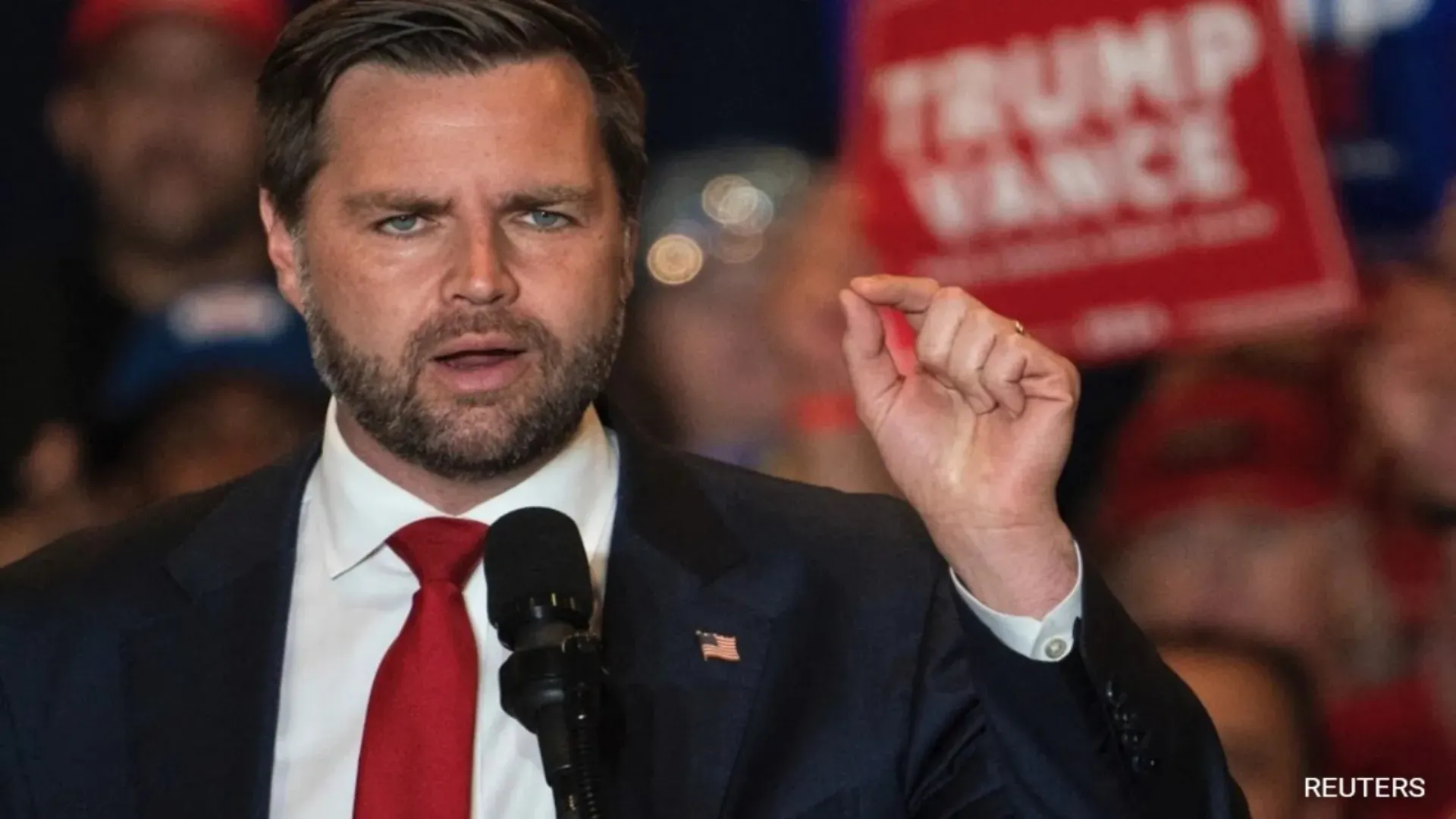
United States Vice President JD Vance has sparked fresh controversy by publicly attributing the two day delay in releasing the full text of the landmark US Iran peace agreement to what he described as the absence of press freedom norms in Pakistan and Qatar. Speaking candidly on a podcast, Vance defended the Trump administration against mounting bipartisan criticism while drawing a sharp contrast between American constitutional values and the media environments of the countries that served as diplomatic intermediaries in the historic deal.
The remarks came at a particularly sensitive moment, arriving just days after President Donald Trump announced a sweeping interim agreement with Iran on June 15, 2026, a development that has already begun reshaping energy markets and geopolitical dynamics across the Middle East and beyond.
Vance Speaks Out on Podcast, Defends the Administration
In an appearance on the podcast Interesting Times with Ross Douthat, Vice President Vance offered an unusually direct and unfiltered explanation for why the full Memorandum of Understanding between the United States and Iran was not immediately made public following President Trump's June 15 announcement.
Vance acknowledged that the administration had intended to release the agreement on June 15 itself but was only able to do so two days later, on June 17. He squarely attributed this gap to the differing press freedom cultures of Pakistan and Qatar, two countries that played key roles as intermediaries in brokering the agreement.
"We actually wanted to get it out. I think part of the misalignment here is that in the Pakistani and Qatari systems, they don't quite have the First Amendment and freedom of the press," Vance said during the podcast conversation.
He elaborated by explaining that in Pakistan's political and governmental culture, there is no comparable expectation that the text of a sensitive diplomatic agreement would be made immediately available to the public for scrutiny and debate. "And so, there isn't this expectation that the text is going to be out there for the American people to actually interrogate and look at and analyse and understand for themselves. But it will be out," Vance added, signalling that transparency remained a priority for the administration.
What the First Amendment Actually Protects
Vance's invocation of the First Amendment carried significant weight in his argument. The First Amendment is one of the most foundational elements of American constitutional law, enshrined as part of the Bill of Rights. It places a strict prohibition on the government from making laws that establish an official state religion, suppress freedom of the press, restrict citizens from expressing themselves freely, prevent peaceful assembly, or block individuals from petitioning the government for redress of grievances.
For Vance, this constitutional framework creates an entirely different cultural expectation around government transparency, one that he argued Pakistan and Qatar simply do not share given their own political and media environments.
The reference to Pakistan's press freedom record is not without supporting data. According to the Reporters Without Borders World Press Freedom Index for 2026, Pakistan ranked 153rd out of 180 countries surveyed globally, placing it firmly in the lower tier of nations when it comes to journalistic freedom and media independence.
Democratic Criticism and the Pressure to Release the Deal
Vance's explanation came directly in response to a wave of criticism from Democratic legislators who questioned the administration's decision to withhold the full text of the Memorandum of Understanding for two days after Trump publicly announced the interim deal. Democrats raised pointed concerns about transparency, accountability, and the precedent it might set for future diplomatic agreements to be announced before their contents were available for public review.
The administration, through Vance's podcast appearance, pushed back firmly against this narrative, framing the delay not as an attempt to conceal the terms of the deal but as a logistical challenge rooted in the differing expectations of the countries involved in the negotiations. Vance's defence essentially argued that the delay was a diplomatic courtesy or a byproduct of coordination with partner nations that do not operate under the same press freedom expectations as the United States.
Inside the Terms of the Historic US Iran Agreement
The substance of the deal itself has drawn enormous international attention, and for good reason. The interim agreement between Washington and Tehran, signed following negotiations held in Switzerland, has already produced tangible and immediate consequences for global energy supply chains.
Most significantly, the deal has led to the reopening of the Strait of Hormuz, the strategically critical maritime chokepoint through which a substantial share of the world's oil and natural gas supply flows. Iran had closed the strait as tensions escalated during the lead up to the conflict, a decision that sent shockwaves through global energy markets and raised fears of prolonged supply disruptions affecting economies around the world. The reopening of the strait, even under an interim framework, marks a major de escalation milestone.
Beyond the strait, the interim agreement also sets in motion a renewed process of negotiations around Iran's nuclear programme, which has been a central and deeply contested issue throughout the broader conflict and the years of diplomatic standoff that preceded it.
The deal gives negotiators a 60 day window to arrive at a comprehensive nuclear agreement, with provisions that allow for the extension of this deadline if necessary. In return for cooperation on the nuclear file, the agreement offers Iran a series of significant incentives. These include the eventual lifting of all international sanctions imposed on Tehran and access to a reconstruction fund valued at 300 billion dollars, intended to support postwar rebuilding efforts in Iran.
Iran has already secured several immediate concessions under the terms of the interim deal. Following the signing of the agreement, the United States lifted its naval blockade of Iranian ports and has allowed Iran to resume the free sale of its oil on international markets. The deal also calls for the unfreezing of Iranian financial assets that had been locked under sanctions, though the exact timeline and mechanisms for this process remain to be finalised.
The Broader Diplomatic Picture
The talks in Switzerland that produced this agreement were always expected to centre on Iran's nuclear programme, a subject that has dominated Western diplomacy with Tehran for well over two decades. The involvement of Pakistan and Qatar as intermediaries underscores the complexity of the diplomatic architecture that was required to bring the two sides to the table after a period of intense military and geopolitical confrontation.
Both Pakistan and Qatar have historically played roles as back channel communicators or neutral facilitators in regional disputes, and their participation in the process that led to this agreement reflects the degree to which the United States needed trusted intermediaries to navigate the deeply strained relationship with Tehran.
Vance's comments about press freedom, while pointed, also highlight a genuine and often overlooked challenge in modern diplomacy, namely the tension between the transparency expectations of democratic publics and the discretion often required to manage sensitive negotiations with countries that operate under very different political systems. The administration's choice to publicly articulate this tension through Vance's podcast appearance suggests a deliberate effort to shape the domestic narrative around the deal's rollout.
What Comes Next
With the full text of the Memorandum of Understanding now publicly available, attention will shift quickly to the 60 day negotiating clock and the formidable challenge of converting an interim framework into a lasting and verifiable nuclear agreement with Iran. The incentives on offer are substantial, but so are the obstacles, including deep mutual distrust, domestic political pressures on both sides, and the scepticism of regional actors whose interests may not always align with a durable settlement.
For the American public, the transparency that Vance promised has now been delivered, even if it arrived two days later than the administration had originally intended. Whether that delay will continue to fuel partisan controversy or recede as attention turns to the substance of the nuclear negotiations remains to be seen.
What is beyond dispute is that the US Iran agreement, whatever its ultimate fate, represents one of the most consequential diplomatic developments of the Trump administration's second term, and the debates around how it was communicated to the public are as revealing about American democratic norms as they are about the complexities of international diplomacy.
Frequently Asked Questions
Why did JD Vance blame Pakistan for the delay in releasing the US-Iran peace deal?
JD Vance said Pakistan and Qatar do not have a First Amendment or press freedom culture, so there was no expectation from their side that the full agreement text needed to be released immediately to the public. This created a coordination gap that delayed the release by two days.
When was the US-Iran interim peace agreement officially announced?
US President Donald Trump announced the interim US-Iran agreement on June 15, 2026. However, the full text of the Memorandum of Understanding was only made publicly available two days later on June 17, 2026.
What does the US-Iran interim agreement actually include?
The interim agreement reopened the Strait of Hormuz, lifted the US blockade on Iranian ports, allowed Iran to sell its oil freely, called for the unfreezing of Iranian assets, and launched a 60-day negotiating window to reach a comprehensive nuclear deal. It also includes a 300 billion dollar postwar reconstruction fund for Iran if a full nuclear agreement is reached.
What is Pakistan's press freedom ranking according to the latest index?
According to the Reporters Without Borders World Press Freedom Index for 2026, Pakistan ranked 153rd out of 180 countries, placing it among the nations with significantly restricted media and journalistic freedom.
What is the First Amendment and why did Vance mention it?
The First Amendment is part of the US Bill of Rights and prohibits the government from restricting freedom of the press, free speech, peaceful assembly, religion, or petitioning the government. Vance used it to explain why American democratic culture expects immediate public access to diplomatic agreement texts, unlike Pakistan or Qatar.
Why did Democrats criticise the Trump administration over this deal?
Democratic legislators questioned why the administration withheld the full text of the Memorandum of Understanding for two days after President Trump publicly announced the agreement. They raised concerns about transparency and accountability in the handling of a major diplomatic development.
How long do negotiators have to finalise a nuclear agreement with Iran?
Under the terms of the interim deal, negotiators have been given a 60-day window to reach a comprehensive nuclear agreement with Iran. This deadline can be extended if both sides require more time to conclude negotiations.
What immediate benefits has Iran received from the interim agreement?
Iran has already received several immediate concessions, including the reopening of the Strait of Hormuz, the lifting of the US naval blockade on its ports, the freedom to sell oil on international markets, and a commitment to unfreeze Iranian financial assets held under sanctions.
What role did Pakistan and Qatar play in the US-Iran peace negotiations?
Pakistan and Qatar served as key diplomatic intermediaries in brokering the US-Iran agreement. Both countries have historically acted as neutral facilitators or back-channel communicators in regional disputes, helping bridge communication between Washington and Tehran.
Where were the US-Iran nuclear talks held?
The negotiations that produced the interim US-Iran agreement were held in Switzerland. The Swiss talks were specifically focused on Iran's nuclear programme, which has been a central issue in years of diplomatic standoff between Iran and Western nations.
Edit Profile
Help improve @KR
Was this page helpful to you?
Contact Khogendra Rupini
Are you looking for an experienced developer to bring your website to life, tackle technical challenges, fix bugs, or enhance functionality? Look no further.
I specialize in building professional, high-performing, and user-friendly websites designed to meet your unique needs. Whether it's creating custom JavaScript components, solving complex JS problems, or designing responsive layouts that look stunning on both small screens and desktops, I can collaborate with you.
Create something exceptional with us. Contact us today
Open for Collaboration
If you're looking to collaborate, I'm available for a variety of professional services, including -
- Website Design & Development
- Advertisement & Promotion Setup
- Hosting Configuration & Deployment
- Front-end & Back-end Code Implementation
- Code Testing & Optimization
- Cybersecurity Solutions & Threat Prevention
- Website Scanning & Malware Removal
- Hacked Website Recovery
- PHP & MySQL Development
- Python Programming
- Web Content Writing
- Protection Against Hacking Attempts