
Apple iPhone 18 Pro Launch in September Is Set to Shake the Entire Smartphone Industry and Leave Android Rivals With No Room to Breathe
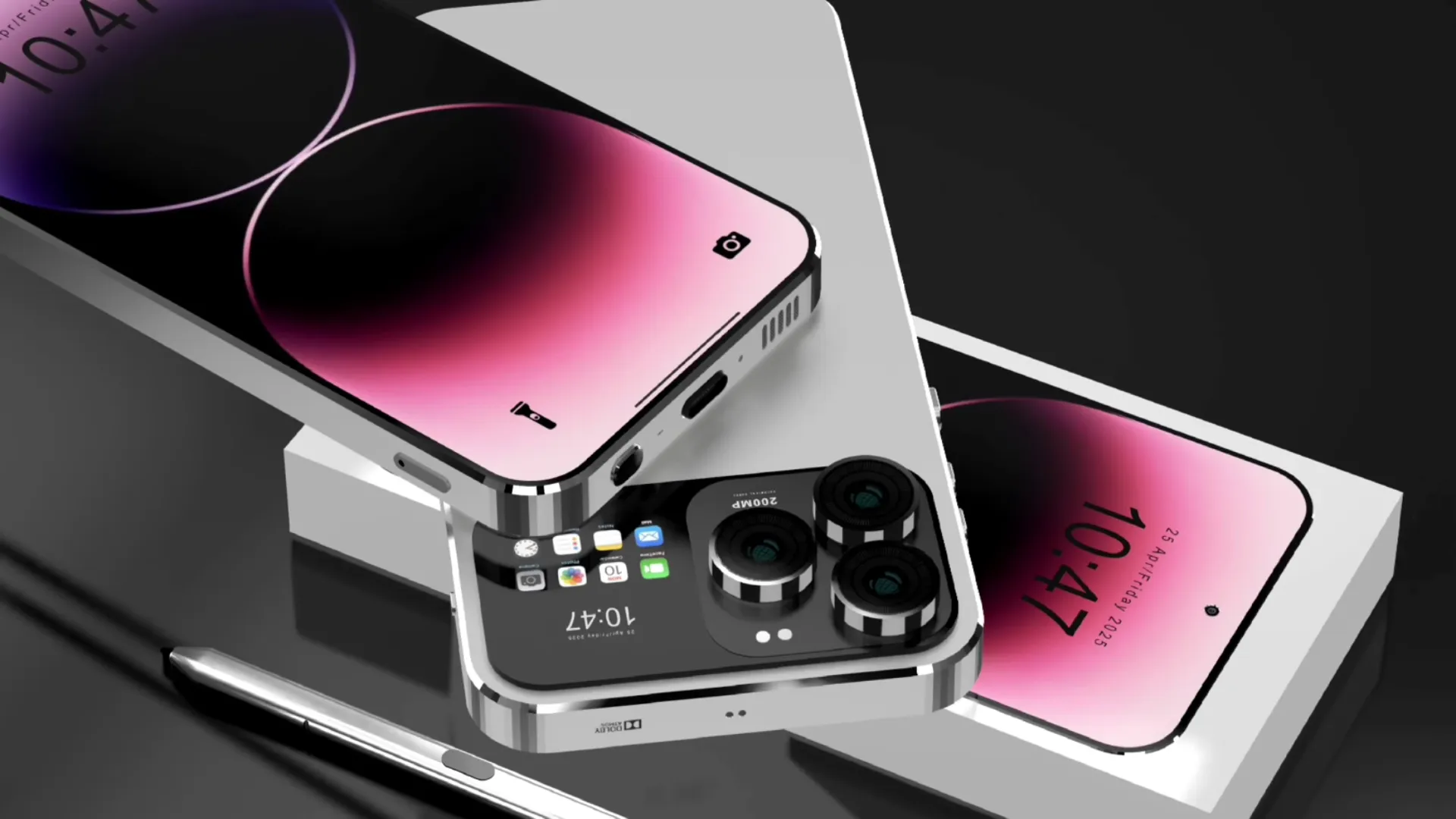
The global smartphone market has never been a fair fight when Apple enters the room. Every year, as September draws near, the entire technology industry braces itself for what has become one of the most predictably dominant commercial events in modern consumer history. The upcoming launch of the iPhone 18 Pro and iPhone 18 Pro Max is no different. With Apple widely expected to unveil its flagship devices on September 9, 2026, the company is once again poised to dictate the rhythm of the global smartphone cycle, compress the breathing room of rivals like Samsung and Google, and reassert its grip over premium consumer attention, carrier resources, and retail momentum. This is not merely a product launch. It is a calculated market strategy that plays out in real time across supply chains, carrier boardrooms, and the minds of hundreds of millions of consumers worldwide.
The Strategic Weight Behind Apple's September Calendar
Apple's dominance in the smartphone space is not built on hardware alone. The company has spent decades cultivating a release calendar that functions as a weapon in itself. By anchoring its flagship iPhone reveal to the first or second week of September, Apple forces the rest of the industry to plan around it rather than against it. This year, the expected September 9 announcement date sends an unmistakable signal across the Android ecosystem: adapt or be buried.
The significance of this timing cannot be overstated. The moment Apple fixes its reveal date on the calendar, rival manufacturers must decide how far in advance they need to launch their own devices to carve out a meaningful sales window. The shorter that window before the iPhone announcement, the less time Android flagships have to establish themselves as the premium choice in the consumer's mind. Brand perception in the smartphone industry is heavily influenced by recency. Being the newest, most talked about device matters enormously, and Apple's September reveal erases that distinction almost overnight for anyone who launched before it.
This cycle has pushed Samsung to maintain its Galaxy S family in a February or early spring launch window, placing it almost diametrically opposite the Apple calendar. Google, meanwhile, has shifted its Pixel smartphone announcement to August, giving it only a matter of weeks before Apple's marketing machinery takes over the global conversation. These are not coincidences. They are the direct consequence of Apple owning September in a way no other technology company has managed to own any calendar moment in the consumer electronics era.
How Android Manufacturers Are Being Pushed Into Defensive Corners
The consequences of Apple's timing extend well beyond marketing chatter. When Apple announces a new iPhone, the world's largest mobile carriers and retail chains immediately begin reallocating resources. Warehouse space, in-store display units, promotional budgets, and sales staff training priorities all shift in Apple's direction. This reallocation does not happen in isolation. It happens at the direct expense of Android smartphones that were already on shelves.
For companies like Google, whose Pixel lineup will have been available for only a matter of weeks by the time Apple announces the iPhone 18 Pro, this creates a brutal commercial reality. Carriers will clear shelf space and warehouse inventory to accommodate the incoming wave of iPhones, and Android devices lose the premium visibility they had worked hard to earn. Trade-in promotions tied to Android devices fade from carrier storefronts. The subsidies and marketing co-investment that carriers extend to manufacturers shift toward Apple.
This is not a trivial financial matter. Carrier marketing subsidies represent tens of millions of dollars in promotional firepower in major markets. Losing that support in the critical autumn quarter, when annual mobile contracts are expiring and consumers are actively looking for upgrade options, is a serious blow to any manufacturer's commercial ambitions. The iPhone 18 Pro's September arrival essentially creates a blackout period for Android visibility at precisely the moment when consumer purchase intent is at its peak.
Samsung's situation is somewhat more insulated given its February launch cadence for the Galaxy S26 family, but its premium foldable devices and mid-cycle releases still suffer from the downstream effects of Apple's dominance. Every carrier dollar that goes toward iPhone promotions is a dollar that does not go toward Galaxy or Pixel marketing. The competitive damage is cumulative.
The Ten Day Window That Will Define Consumer Choices This Autumn
One of the more nuanced dynamics in Apple's launch strategy is the gap between announcement and availability. Based on historical patterns and the expected September 9 reveal date, the iPhone 18 Pro is anticipated to go on sale around September 19, 2026. That roughly ten-day window between announcement and retail availability is a period of intense consumer psychology, and it plays out differently for Apple than it does for its rivals.
For existing iPhone users, this window triggers an immediate calculation around trade-in values. Older iPhone models begin to depreciate in the trade-in market the moment Apple reveals a new generation, meaning consumers who want to maximize the value of their current device feel an urgency to act quickly. Apple's own trade-in programme, while not always the most generous in the market, rewards loyalty within its own ecosystem by offering relatively stronger values for older iPhones compared to Android devices.
For Android manufacturers and carriers promoting rival devices, this same window represents their last meaningful opportunity to tempt consumers before the iPhone purchasing cycle locks in. It is the moment when platform switching is most actively considered, when a consumer debating between an Android flagship and a new iPhone is most open to persuasion. The cost of switching platforms goes beyond the price of the device itself. It involves applications, accessories, peripheral ecosystems, and years of digital habits built within one operating system. Addressing that friction is the core challenge facing Samsung, Google, and others during this brief competitive window.
Apple counters this vulnerability through a deliberate and well-practiced pre-order strategy. By opening reservations within days of the announcement, Apple captures its high-intent customers before they can be meaningfully distracted by competing marketing. Pre-orders for the iPhone 17 family in 2025 had already surpassed those of the iPhone 16, and demand for the iPhone 18 Pro and Pro Max is expected to follow the same upward trajectory. This locking in of early demand removes a significant portion of the addressable market from Android manufacturers before they have a genuine chance to compete.
Consumer Attention as a Finite Resource in the Modern Smartphone Market
It is worth understanding why Apple's timing creates such disproportionate consequences. Consumer attention, particularly in the premium smartphone segment, is not an unlimited resource. There are only so many people in the market for a flagship device at any given time, and the moment Apple announces a new iPhone, a significant share of that attention is captured and held until purchase decisions are made. This is sometimes referred to as creating a no man's land for rivals, a period in which competing products exist but are simply not being seriously evaluated by the consumers who matter most.
The iPhone 18 Pro announcement is expected to dominate technology media coverage, social media conversation, and carrier communications for weeks surrounding its September reveal. Organic search interest in premium smartphones will skew heavily toward Apple's new devices. Online sentiment and editorial reviews, which carry enormous influence over purchase decisions in the premium segment, will be consumed with iPhone comparisons. Any Android manufacturer hoping to benefit from independent technology journalism during this period will find the spotlight almost entirely occupied.
This phenomenon is self-reinforcing. The more attention Apple captures, the less oxygen remains for rivals. The less visibility Android manufacturers achieve during the autumn upgrade season, the more those consumers default to the familiar choice that is being heavily promoted around them. For carriers and retailers, stocking and promoting the device that consumers are actively asking about is simply good business. Apple's release strategy ensures that the device consumers are asking about is almost always the iPhone.
What This Means for the Global Premium Smartphone Landscape
Apple's iPhone 18 Pro launch strategy is a reminder that the smartphone industry's competitive battles are fought on multiple fronts simultaneously. Hardware engineering, software innovation, and camera performance are important, but they do not exist in a vacuum. The timing of a product launch, the way carriers are engaged, the trade-in ecosystem built around consumer loyalty, and the management of media attention during a critical commercial window are equally consequential strategic decisions.
For Samsung, the response has been to establish deep loyalty among its own user base through early-year launches that allow the Galaxy experience to be fully embedded in consumers' daily lives before Apple arrives. For Google, the challenge is more acute given its August reveal window leaves so little time to build momentum. Both companies will need to continue investing in their own marketing ecosystems and carrier relationships to withstand the annual pressure Apple applies.
What remains clear is that Apple's September calendar is not simply a product reveal schedule. It is a comprehensive market control mechanism that has been refined over more than a decade of consistent execution. The iPhone 18 Pro and iPhone 18 Pro Max have not yet been placed in consumers' hands, but their commercial influence is already being felt across the industry. That is the extraordinary power of Apple's launch strategy, and it is a power that no rival has yet come close to replicating.
The autumn of 2026 will once again demonstrate that in the global premium smartphone market, the most important decision Apple makes may not be which features to include in the iPhone 18 Pro, but precisely when to tell the world about them.
Frequently Asked Questions
When is the Apple iPhone 18 Pro expected to launch in 2026?
Apple is widely expected to reveal the iPhone 18 Pro and iPhone 18 Pro Max on September 9, 2026, with retail availability anticipated around September 19, 2026, following the usual ten-day gap between announcement and sale.
How does Apple's September launch affect Android smartphone brands?
Apple's September reveal forces Android manufacturers like Samsung and Google into defensive launch positions. It reduces their visibility, compresses their sales window, and shifts carrier marketing resources and retail shelf space toward the new iPhone.
Why has Google moved its Pixel smartphone announcement to August?
Google shifted its Pixel launch to August to secure a sales window before Apple dominates consumer attention in September. However, this still leaves only a few weeks for Pixel devices to establish themselves before the iPhone announcement resets the market.
What happens to carrier marketing budgets when Apple launches a new iPhone?
When Apple announces a new iPhone, carriers reallocate marketing subsidies, warehouse space, and promotional resources toward iPhone inventory. This directly reduces the retail visibility and carrier support that Android devices had been receiving.
Why is the ten-day gap between Apple's announcement and retail sale significant?
The ten-day window between the September 9 reveal and September 19 sale date influences trade-in values for older devices, triggers consumer upgrade decisions, and represents the last opportunity for Android brands to attract platform switchers before Apple locks in pre-orders.
How does Apple's trade-in programme reinforce iPhone loyalty during launch season?
Apple's trade-in programme offers relatively stronger values for older iPhone models compared to Android devices, encouraging existing iPhone users to upgrade within the Apple ecosystem rather than consider switching to a competing platform.
When did Samsung launch the Galaxy S26, and how does it compare to Apple's cycle?
Samsung launched the Galaxy S26 family in February 2026, placing it almost diametrically opposite Apple's September launch cycle. This separation gives Samsung time to build loyalty before Apple's autumn market dominance begins.
Is demand for the iPhone 18 Pro expected to be higher than previous models?
Yes. Demand for the iPhone 18 Pro and 18 Pro Max is expected to be at least as strong as the iPhone 17 Pro, with pre-orders for the iPhone 17 family having already surpassed those of the iPhone 16, suggesting continued upward momentum.
Why is Apple's launch timing considered a strategic competitive weapon?
Apple's September release date is not just a product calendar decision. It dictates the entire global smartphone cycle, captures consumer attention at peak upgrade season, forces rivals into weaker launch positions, and ensures carriers prioritise iPhone inventory over Android devices.
What is the impact of Apple's launch on consumer attention for Android brands?
Consumer attention in the premium smartphone segment is a finite resource. Once Apple announces the iPhone 18 Pro, media coverage, social conversation, and purchase intent shift heavily toward Apple, leaving very little visibility for Android flagships regardless of their own product quality.
Edit Profile
Help improve @KR

Was this page helpful to you?
Contact Khogendra Rupini
Are you looking for an experienced developer to bring your website to life, tackle technical challenges, fix bugs, or enhance functionality? Look no further.
I specialize in building professional, high-performing, and user-friendly websites designed to meet your unique needs. Whether it's creating custom JavaScript components, solving complex JS problems, or designing responsive layouts that look stunning on both small screens and desktops, I can collaborate with you.
Create something exceptional with us. Contact us today
Open for Collaboration
If you're looking to collaborate, I'm available for a variety of professional services, including -
- Website Design & Development
- Advertisement & Promotion Setup
- Hosting Configuration & Deployment
- Front-end & Back-end Code Implementation
- Code Testing & Optimization
- Cybersecurity Solutions & Threat Prevention
- Website Scanning & Malware Removal
- Hacked Website Recovery
- PHP & MySQL Development
- Python Programming
- Web Content Writing
- Protection Against Hacking Attempts