
Commodore Is Back With a Flip Phone That Blocks Social Media and Gen Z Cannot Stop Talking About It
There is a quiet revolution happening in the pockets of young people across the world, and it has nothing to do with the next big smartphone launch. It has everything to do with stepping away from one. Gen Z, the generation that grew up entirely inside the digital ecosystem, is now leading a cultural retreat from it. They are cancelling streaming subscriptions and going back to movie theaters. They are swapping wireless earbuds for wired headphones. They are buying cassette tapes. And now, they are flipping open phones that were never meant to scroll through anything.
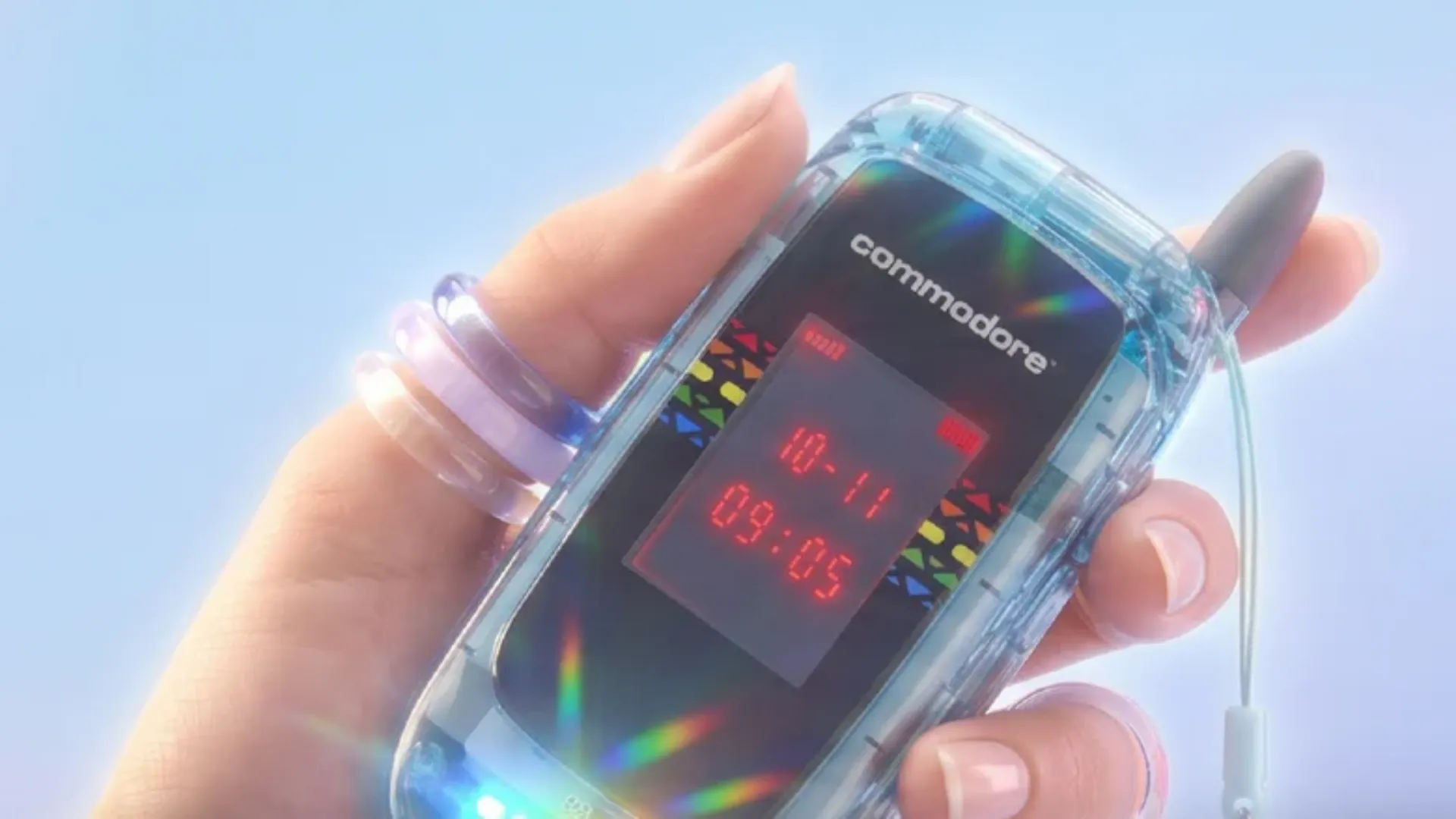
Into this moment walks an unlikely name from the past. Commodore, the company that gave millions of households their very first taste of home computing in the early 1980s, has announced a new product that feels almost designed for this exact cultural inflection point. It is called the Commodore Callback, and it is a flip phone. Not a smartphone with a foldable screen. Not a device dressed up in retro aesthetics but still loaded with every distraction known to the modern internet. An actual, intentional flip phone, designed to help people do less with their technology rather than more.
The announcement has landed at precisely the right moment, and that is not an accident.
The Remarkable Story of How Commodore Came Back to Life
Before exploring what the Callback is, it helps to understand what Commodore is now, because the answer is genuinely surprising. The original Commodore Business Machines collapsed in the 1990s after a decade of decline. The brand changed hands several times over the following decades, existing mostly as a name attached to budget electronics that carried little of the original spirit.
The revival began when YouTuber and technology enthusiast Christian Simpson acquired the remaining Commodore trademarks and assets, establishing a new entity called Commodore International Corporation. Simpson did not treat the acquisition as an opportunity to slap a familiar logo onto generic hardware. Instead, he appears to have approached it as a genuine stewardship project, asking what Commodore stood for at its peak and how those values could translate into products that matter today.
The Commodore 64 was the answer to that question during the company's golden era. It was the best-selling personal computer model of all time. It democratized computing for ordinary families. It was colorful, approachable, and powerful enough to spark genuine creativity in the people who used it. Commodore International Corporation is building a modern version of that machine too, called the Commodore 64 Ultimate. But the Callback is the product that may reach the widest new audience, because it speaks directly to the anxieties and values that define how many young people feel about technology right now.
What the Commodore Callback Actually Does and Does Not Do
The Callback is a flip phone in both form and philosophy. It ships with a curated set of applications that cover the genuine functional needs of a connected life. Users get Telegram and WhatsApp for messaging. There is a music player, a maps application, and a camera. These are tools, and the Callback treats them as such.
What it does not have is equally defining. Social media is blocked. Web browsers are absent. The entire architecture of the device is built around a simple idea: open it when you need to do something specific, do that thing, close it, and return your attention to the world in front of you.
This concept even has a name in behavioral science. The problem the Callback is designed to solve is called phubbing, a portmanteau of phone and snubbing that describes the now-ubiquitous habit of letting a smartphone pull attention away from the people and places physically present. The Callback treats this not as a personal failing to be managed through willpower, but as a design problem to be solved at the hardware level. If the device cannot show you an Instagram feed, you will not find yourself scrolling one.
There is one genuinely charming exception built into the device's otherwise stripped-back experience. The Callback ships with a Commodore 64 emulator. On a subway ride, or in a waiting room, the original library of games and programs that made the C64 legendary becomes accessible. It is a deliberately limited and deliberately delightful form of distraction, one that connects the device's heritage to its present moment in a way that feels earned rather than gimmicky.
The physical act of using a flip phone also shapes behavior in ways that go beyond software restrictions. Flipping the phone open signals intention. Snapping it shut signals completion. There is no ambient glow, no notification badge begging to be tapped, no infinite scroll waiting to capture the next idle moment. The form factor is itself a statement about how technology should fit into a human life rather than consuming it.
Why Gen Z Is the Audience That Makes This Make Sense
At first glance, a brand rooted in 1980s nostalgia pitching itself to people born in the late 1990s and early 2000s might seem like a mismatch. The Commodore 64 was discontinued before most Gen Z consumers were born. The beige plastic and pixelated graphics of early home computing are not part of their lived memory. And yet Commodore's own announcement acknowledges this directly, and the strategy behind it is more sophisticated than simple nostalgia marketing.
What Gen Z is reaching for when they buy cassette tapes or visit record stores is not a memory. It is an aesthetic and an ethic. It is the idea of technology that feels tangible, that has a physical presence, that does one thing well instead of everything poorly. It is the idea of an object rather than a portal. The original Commodore products represented exactly that kind of relationship between humans and machines, even if today's young consumers are discovering that relationship for the first time rather than remembering it.
The broader cultural data supports this reading. Vinyl record sales in the United States have outpaced CD sales for years now, driven largely by consumers who did not grow up with vinyl as a primary format. Film photography has experienced a genuine renaissance among young photographers who have plenty of access to the higher technical quality of digital cameras and choose the older medium anyway. The iPod, a device Apple discontinued in 2022, commands premium resale prices in communities of young people who prefer its intentional, single-purpose approach to listening to music.
These are not irrational choices made by people who do not understand the alternatives. They are deliberate rejections of those alternatives by people who understand them entirely too well. The smartphone promised everything and delivered a particular kind of exhaustion. The devices that are finding renewed appreciation are the ones that promised less and asked less in return.
Commodore has read this moment accurately. The Callback is designed to appeal simultaneously to older consumers who hold genuine nostalgia for the brand and to younger consumers who are drawn to its values without needing to share its history. That is a narrow needle to thread, but the product concept makes a credible attempt at it.
The Design Language of the Callback and What It Communicates
Commodore's announcement materials for the Callback lean heavily into the visual and cultural vocabulary of the early computing era. References to the Commodore 64, to Star Trek communicators, and to the broader landscape of 1980s consumer electronics run through the product's presentation. The aesthetic choices are deliberate.
Transparent and colorful technology is specifically mentioned as a design direction. This places the Callback in conversation with one of the most significant micro-trends in consumer product design over the past several years. The original translucent designs of the early iMac era have become touchstones for a generation of designers and consumers who want their devices to show what they are made of, literally and figuratively. Visible internals communicate honesty, craft, and a rejection of the black glass monolith aesthetic that has dominated smartphone design for fifteen years.
For Gen Z consumers in particular, transparent technology carries an additional layer of meaning. It reads as authentic in a media landscape saturated with polish and performance. It suggests that the device has nothing to hide, which makes a certain kind of psychological sense for a phone specifically designed to promote digital honesty and presence.
The flip mechanism itself is worth considering as a design statement. The clamshell form factor disappeared from mainstream consumer preference when touchscreen smartphones made it feel redundant. Its return in the Callback is not driven by technological limitation. It is a choice. It communicates that the act of using the phone is an intentional gesture, that picking it up and opening it means something, and that closing it and putting it away means something too.
What This Launch Signals for the Broader Technology Market
The Commodore Callback is a single product from a company still reestablishing its presence in the market. It is not a mass phenomenon yet. Interested consumers can currently sign up to be notified when preorders open, which means the device has not yet shipped to anyone. Its commercial success remains entirely to be determined.
But the launch matters beyond its own immediate prospects because of what it reflects about where consumer appetite is moving. The wellness technology category has grown steadily for years, with products aimed at helping people manage their relationship with screens and connectivity. The Callback represents a more radical proposal within that space: not a tool to help you use your phone more mindfully, but a replacement phone designed from the ground up to make mindfulness the default.
Several smaller companies have explored similar territory in recent years, with devices like the Light Phone building small but devoted followings among consumers who wanted a capable but stripped-back communication tool. The Commodore brand brings considerably more recognition and cultural weight to the same proposition, which could expand the audience for this kind of intentional technology significantly.
There is also something worth noting about the timing of this launch in relation to broader conversations about smartphone design and its effects. Regulatory attention on social media's impacts on young people has intensified in multiple countries. Research on attention, mental health, and heavy smartphone use among adolescents has generated sustained public discussion. The parents of Gen Z consumers are aware of these conversations and many of them share the concerns being raised. The Callback arrives in a cultural environment that is actively reconsidering the design assumptions built into the devices that dominate modern life.
A Phone That Asks You to Be Somewhere
The most interesting thing about the Commodore Callback is not its specifications. It is the question embedded in its existence. What would technology look like if it were designed to return your attention to your life rather than to claim it?
Commodore is betting that a meaningful number of people, particularly younger people who have grown up entirely within the attention economy, are ready to answer that question with their purchasing choices. The flip phone form factor, the blocked social media feeds, the curated application list, and even the Commodore 64 emulator sitting quietly on the device as a nod to a different kind of play: all of these elements add up to a product with a genuine point of view.
Whether the Callback succeeds commercially will depend on factors including pricing, availability, build quality, and whether the software experience delivers on its promises. But the cultural argument it is making is already resonating with exactly the audience it is trying to reach. Gen Z did not experience the Commodore 64 era. They are, however, experiencing the exhaustion of the smartphone era at a formative age, and many of them are actively looking for the exit.
Commodore has built them a door in the shape of a flip phone. It remains to be seen how many people walk through it.
Frequently Asked Questions
What is the Commodore Callback and who makes it?
The Commodore Callback is a minimalist flip phone produced by Commodore International Corporation, a revived version of the iconic 1980s computing brand. The company was reestablished by YouTuber and technology enthusiast Christian Simpson, who acquired the remaining Commodore trademarks and assets.
What apps are available on the Commodore Callback?
The Callback includes a curated set of essential applications including Telegram, WhatsApp, a music player, a maps application, and a camera. Social media platforms and web browsers are intentionally blocked on the device.
Why does the Commodore Callback block social media and browsers?
The device is designed to reduce phubbing, the habit of letting a smartphone pull attention away from real-world surroundings and people. By blocking social media and browsers at the hardware and software level, the Callback encourages intentional, focused phone use rather than passive scrolling.
Does the Commodore Callback have any entertainment features?
Yes. Despite its minimalist design philosophy, the Callback includes a Commodore 64 emulator, giving users access to the classic game and software library of the original C64. It serves as a deliberate and limited form of entertainment, particularly useful during commutes or waiting periods.
Why is the Commodore Callback designed as a flip phone?
The flip form factor is an intentional design choice. Opening the phone signals a deliberate action, and snapping it shut signals completion. This physical mechanism encourages users to engage with the device purposefully and return their attention to the physical world once the task is done.
Who is the target audience for the Commodore Callback?
The Callback targets two audiences simultaneously. It appeals to older consumers with genuine nostalgia for the Commodore brand and 1980s home computing culture. It also targets Gen Z consumers who are drawn to intentional, distraction-free technology despite having no personal memory of the original Commodore era.
What does the transparent and colorful design of the Callback represent?
The transparent design communicates authenticity and honest craftsmanship, a deliberate rejection of the black glass monolith aesthetic dominant in modern smartphones. For Gen Z consumers in particular, visible internals signal that the device has nothing to hide, which aligns with the phone's broader philosophy of transparency in technology use.
Is the Commodore Callback available to buy right now?
Not yet. As of the announcement, interested consumers can sign up to be notified when the Callback opens for preorder. The device has not yet shipped to any customers, and pricing and full availability details have not been officially confirmed.
What is the broader cultural trend that the Commodore Callback reflects?
The Callback reflects a growing Gen Z movement away from digital saturation. Young consumers are cancelling streaming subscriptions, returning to movie theaters, buying cassette tapes, using wired headphones, and gravitating toward single-purpose physical devices. The Callback is a direct product response to this cultural shift.
What other products is the revived Commodore company working on?
Alongside the Callback flip phone, Commodore International Corporation is also developing the Commodore 64 Ultimate, a modern reimagining of the legendary Commodore 64 home computer that was the best-selling personal computer model of all time during the early 1980s.
Edit Profile
Help improve @KR

Was this page helpful to you?
Contact Khogendra Rupini
Are you looking for an experienced developer to bring your website to life, tackle technical challenges, fix bugs, or enhance functionality? Look no further.
I specialize in building professional, high-performing, and user-friendly websites designed to meet your unique needs. Whether it's creating custom JavaScript components, solving complex JS problems, or designing responsive layouts that look stunning on both small screens and desktops, I can collaborate with you.
Create something exceptional with us. Contact us today
Open for Collaboration
If you're looking to collaborate, I'm available for a variety of professional services, including -
- Website Design & Development
- Advertisement & Promotion Setup
- Hosting Configuration & Deployment
- Front-end & Back-end Code Implementation
- Code Testing & Optimization
- Cybersecurity Solutions & Threat Prevention
- Website Scanning & Malware Removal
- Hacked Website Recovery
- PHP & MySQL Development
- Python Programming
- Web Content Writing
- Protection Against Hacking Attempts