
U.S. Senate Makes History With Landmark Vote to Block Trump's Iran War in a Stunning Bipartisan Rebuke That Shakes Washington
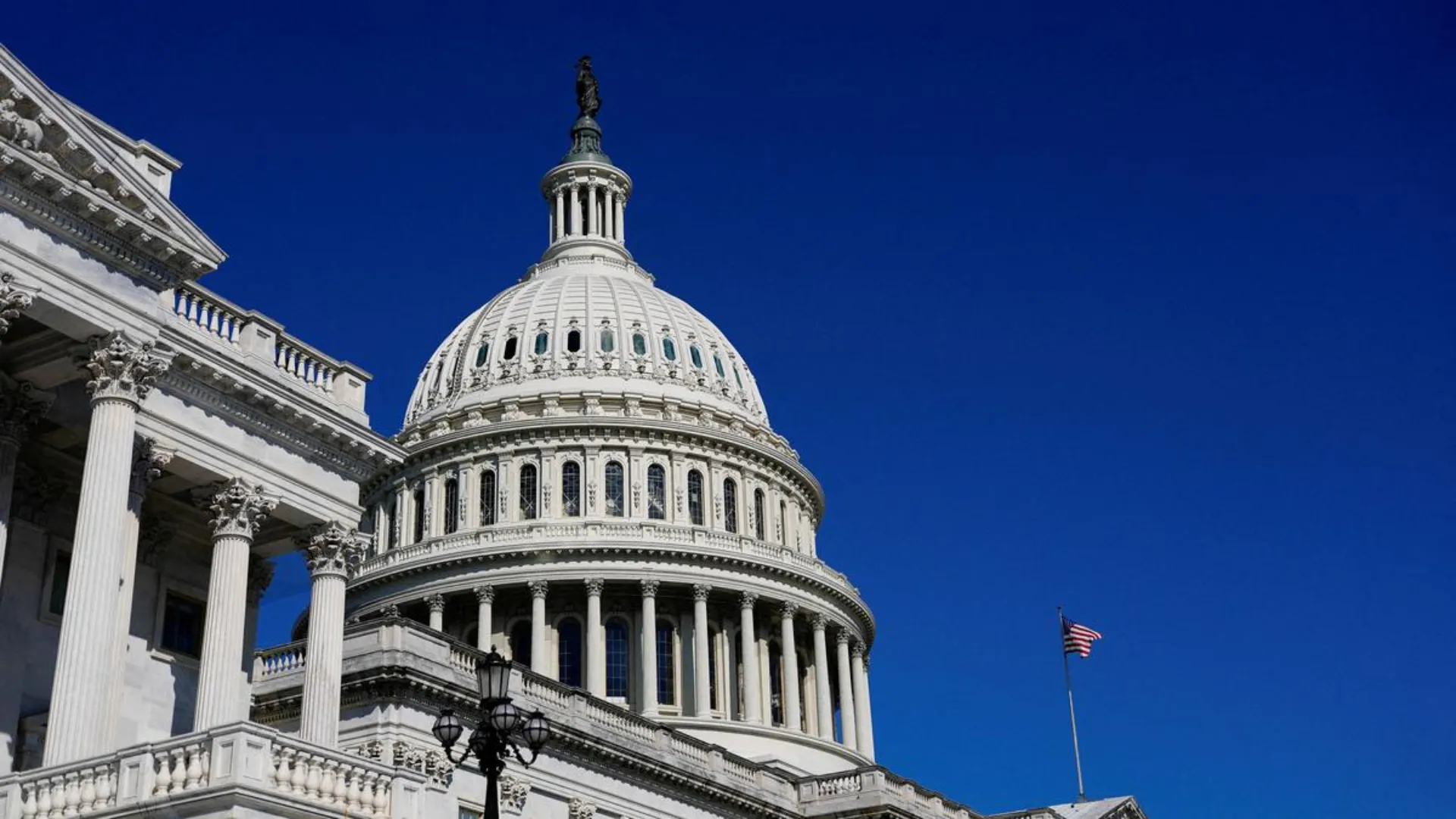
For the first time in the months-long course of America's military engagement with Iran, the United States Senate has voted to block the war, delivering a stinging, symbolic rebuke to President Donald Trump in a 50 to 48 vote that shocked Washington insiders and marked a dramatic turning point in the political battle over the conflict. The vote, which took place on Tuesday, June 23, 2026, was the tenth attempt by the Senate to halt the war through a war powers resolution, and every previous effort had fallen short. This time, the outcome was different, and the consequences for the Trump administration's foreign policy standing are profound.
The resolution, which had already cleared the House of Representatives earlier this month, does not carry the full binding force of law and cannot be vetoed by the president in the traditional sense. However, its passage through the Senate for the first time since U.S. and Israeli forces launched coordinated missile strikes on Iran on February 28 of this year represents something far more significant than a procedural milestone. It is a declaration by a co-equal branch of the American government that the war in Iran was launched without proper congressional authorisation, sustained without adequate oversight, and is now being resolved through a deal that has disturbed even many members of the president's own Republican Party.
How a Fragile Senate Majority Finally Collapsed Against the War
The mathematics of the Senate have been a consistent obstacle for Democratic leaders trying to force a war powers vote to passage. Republicans hold the majority in the chamber, and for months, as many as four GOP senators crossed party lines to support the resolution, but that was never enough. On this occasion, the political arithmetic finally tilted.
The same four Republican senators who had previously broken with their party voted against the war again: Lisa Murkowski of Alaska, Susan Collins of Maine, Rand Paul of Kentucky, and Bill Cassidy of Louisiana. What made the difference this time was the absence of two Republican senators, including Senate veteran Mitch McConnell of Kentucky, who was recently admitted to a hospital for an undisclosed medical matter. That absence left the Republican caucus without the numbers it needed to defeat the resolution. One Democrat, Senator John Fetterman of Pennsylvania, voted against the resolution, keeping his party from a clean partisan sweep.
Senate Democratic Leader Chuck Schumer did not hold back in his remarks following the vote. He described the conflict as a historic foreign policy error, calling it one of the worst foreign policy forays America has ever made and declaring that Americans have paid the price for what he termed Trump's historic blunder in Iran. He also took direct aim at Republican senators who had repeatedly voted to sustain the war, accusing them of choosing the president over their own constituents.
A War That Has Cost America Nearly 100 Billion Dollars and Is Far From Over
The political drama surrounding this war powers vote cannot be understood in isolation from the staggering financial and human costs the conflict has already imposed on the United States. According to estimates from independent defence experts, the total cost of the Iran war has approached nearly 100 billion dollars since hostilities began. The Pentagon itself had pegged the cost of just the first week of fighting at 11.3 billion dollars, a figure that underscored the extraordinary intensity and scale of the military campaign.
Now, Defence Secretary Pete Hegseth has come to Capitol Hill seeking an additional 80 billion dollars in supplemental funding to replenish munitions, backfill weapons stockpiles, and shore up military readiness in the aftermath of the conflict. That request is drawing intense scrutiny from lawmakers and the American public alike, particularly at a time when high gas prices and a punishing cost of living are weighing heavily on working families across the country.
The Pentagon's request is embedded within an even larger budgetary ambition. The Trump administration has asked Congress for 1.5 trillion dollars in total defence funding this year, representing a 50 percent increase over prior years. Of that sum, 350 billion dollars is being sought through a budget reconciliation package that Republican leaders are pushing through without Democratic support, following the same legislative playbook used to pass the president's major tax cuts bill in 2025. That earlier bill itself included a roughly 175 billion dollar plus-up for the military.
The Iran Deal That Has Fractured Republican Unity
What has perhaps most damaged the cohesion of the Republican Party on this issue is not the war itself, but the deal that President Trump struck to try to end it. Last week, the president signed a Memorandum of Understanding with Iran, triggering a 60-day clock for the two sides to reach a broader agreement on ending Iran's nuclear programme, which was one of the stated rationales for the military campaign in the first place.
The terms of that deal have sparked outrage in corners of the Republican Party that had previously been among the administration's staunchest defenders. The centrepiece of the controversy is a 300 billion dollar fund that would be used to help Iran rebuild following the military strikes. That figure has struck many Republicans as extraordinarily generous, particularly when compared to the 1.7 billion dollars that the Obama administration refunded Iran as part of the 2015 nuclear agreement. The scale of the difference, nearly 180 times larger, has given Republican critics both political and policy grounds for their dissatisfaction.
Senator Ted Cruz of Texas, a reliably conservative voice who rarely breaks with Republican leadership on foreign policy matters, publicly voiced his concerns on his podcast last week, saying he believes President Trump is receiving very poor advice on Iran. The senator's willingness to say so openly reflects how broadly the unease has spread within the party, even among those who are reluctant to vote against the administration in a formal legislative setting.
Vice President JD Vance has been overseas, actively engaged in diplomatic efforts to secure a more durable ceasefire arrangement with Iran and to advance negotiations toward the broader nuclear deal contemplated by the Memorandum of Understanding. Meanwhile, President Trump himself is headed to Capitol Hill this week to meet personally with Republican senators, in what aides describe as an effort to manage the growing dissent within his own caucus. One Republican senator, granted anonymity to speak candidly about the private discussions, confirmed that the president is not pleased with the Republicans who have criticised the deal.
The Long Road to This Vote and Why Democrats Kept Pushing
Senator Tim Kaine of Virginia, the Democrat who has spearheaded his party's repeated efforts to bring war powers resolutions to a vote, framed Tuesday's outcome as the product of persistence in the face of repeated defeat. Speaking on the Senate floor before the vote, he noted that the current pause in fighting, as the Trump administration works to consolidate a fragile ceasefire, provides exactly the right moment for Congress to step back and assess what the next chapter should look like for American engagement in the region.
Democrats have been relentless in forcing these votes, making them a weekly fixture on the Senate calendar on virtually every week the chamber has been in session since the conflict began in February. Each of the first nine attempts failed, but the cumulative political pressure they created helped chip away at Republican solidarity, even as Senate Republican leaders and House Speaker Mike Johnson worked to hold their caucuses in line. When the House passed its own version of the war powers resolution earlier this month, with four Republicans joining all Democrats to approve it over the objections of leadership, it signalled that the fissures within the GOP were widening.
The version the Senate voted on Tuesday is that same House resolution, passed to the upper chamber for consideration.
What the Vote Means for the Constitution and the Future of the War
While the war powers resolution passed by the Senate on Tuesday is largely symbolic in its immediate legal effect, constitutional scholars and congressional experts note that its significance should not be dismissed. The War Powers Resolution of 1973 was itself born from congressional frustration with executive overreach in military affairs, and invocations of its authority, however contested they may be in the courts, carry real political weight. Passage in both chambers of Congress sends an unmistakable message that a majority of elected representatives believe the executive branch exceeded its constitutional authority by going to war without a formal declaration or authorisation from Congress.
The broader question of how the Iran conflict ends, what the final terms of any nuclear agreement will look like, and whether Congress will ultimately fund the administration's 80 billion dollar military supplemental request remain deeply uncertain. What is no longer uncertain is that the Trump administration faces a fractured Republican Party, a historically hostile congressional verdict on the war it launched, and a public that, according to recent polling, largely does not believe the conflict was worth the cost in lives, money, and geopolitical risk.
The vote of 50 to 48 on June 23, 2026 will not end the war. It will not immediately change the legal framework under which American forces are deployed. But it has changed the political landscape in Washington in ways that will be felt well beyond the 60-day clock now ticking on the Iran deal, and well beyond the next defence supplemental vote on Capitol Hill.
Frequently Asked Questions
What happened in the U.S. Senate vote on the Iran war powers resolution on June 23, 2026?
The U.S. Senate voted 50 to 48 to approve a war powers resolution seeking to block U.S. military action against Iran. It was the tenth such attempt and the first to succeed, marking a historic rebuke of President Trump's decision to launch the war without formal congressional authorisation.
Does the Senate war powers resolution legally end the Iran war?
No. The resolution is largely symbolic and does not carry the full force of law. It cannot be enforced like a binding statute, but it sends a powerful political message from Congress that a majority of elected lawmakers oppose the military engagement in Iran.
Which Republican senators voted against Trump and supported the war powers resolution?
Four Republican senators broke with their party and voted in favour of the resolution: Lisa Murkowski of Alaska, Susan Collins of Maine, Rand Paul of Kentucky, and Bill Cassidy of Louisiana. Their votes, combined with the absence of two Republicans including Senator Mitch McConnell, allowed the resolution to pass.
Why did the war powers resolution pass this time when nine previous attempts had failed?
The resolution passed because two Republican senators were absent from the vote, including Mitch McConnell, who was recently hospitalised for an undisclosed medical matter. This left Republicans without a full majority to block the effort, allowing the four GOP dissenters and nearly all Democrats to carry the vote.
What is the Iran deal that President Trump signed and why are Republicans upset about it?
President Trump signed a Memorandum of Understanding with Iran last week, starting a 60-day window to negotiate a broader agreement on ending Iran's nuclear programme. Many Republicans are deeply troubled by a provision in the deal that establishes a 300 billion dollar fund to help Iran rebuild, which is vastly larger than the 1.7 billion dollars refunded by the Obama administration under the 2015 Iran agreement.
How much has the Iran war cost the United States so far?
Defence experts have estimated the total cost of the Iran war at close to 100 billion dollars. The Pentagon had calculated the cost of just the first week of fighting at 11.3 billion dollars. Defence Secretary Pete Hegseth is now seeking an additional 80 billion dollars from Congress to replenish military supplies and backfill munitions used during the conflict.
What is the War Powers Resolution and why does it matter in this context?
The War Powers Resolution is a 1973 law that limits the president's authority to engage U.S. forces in armed conflict without congressional approval. Invoking it, as the Senate did on June 23, 2026, signals that lawmakers believe the executive branch launched the Iran war without proper constitutional or legislative authorisation from Congress.
What role is Vice President JD Vance playing in the Iran situation?
Vice President JD Vance has been overseas working to negotiate with Iran on behalf of the Trump administration, focusing on efforts to secure a durable ceasefire and advance the broader nuclear agreement contemplated by the Memorandum of Understanding signed by President Trump last week.
When did U.S. and Israeli forces launch strikes on Iran and what were the stated reasons?
The United States and Israel launched coordinated missile strikes on Iran on February 28, 2026. The Trump administration cited Iran's nuclear ambitions as one of the primary stated rationales for initiating the military campaign.
How much total defence funding is the Trump administration seeking from Congress in 2026?
The Trump administration is seeking 1.5 trillion dollars in total defence funding this year, representing a 50 percent increase over prior years. Of that amount, 350 billion dollars is being pursued through a budget reconciliation package, and 80 billion dollars is specifically requested as supplemental funding to cover costs related to the Iran war.
Edit Profile
Help improve @KR

Was this page helpful to you?
Contact Khogendra Rupini
Are you looking for an experienced developer to bring your website to life, tackle technical challenges, fix bugs, or enhance functionality? Look no further.
I specialize in building professional, high-performing, and user-friendly websites designed to meet your unique needs. Whether it's creating custom JavaScript components, solving complex JS problems, or designing responsive layouts that look stunning on both small screens and desktops, I can collaborate with you.
Create something exceptional with us. Contact us today
Open for Collaboration
If you're looking to collaborate, I'm available for a variety of professional services, including -
- Website Design & Development
- Advertisement & Promotion Setup
- Hosting Configuration & Deployment
- Front-end & Back-end Code Implementation
- Code Testing & Optimization
- Cybersecurity Solutions & Threat Prevention
- Website Scanning & Malware Removal
- Hacked Website Recovery
- PHP & MySQL Development
- Python Programming
- Web Content Writing
- Protection Against Hacking Attempts