
2026 Winter Olympics Women’s Singles Free Skate Final: All You Need to Know About the Historic Battle for Gold in Milan
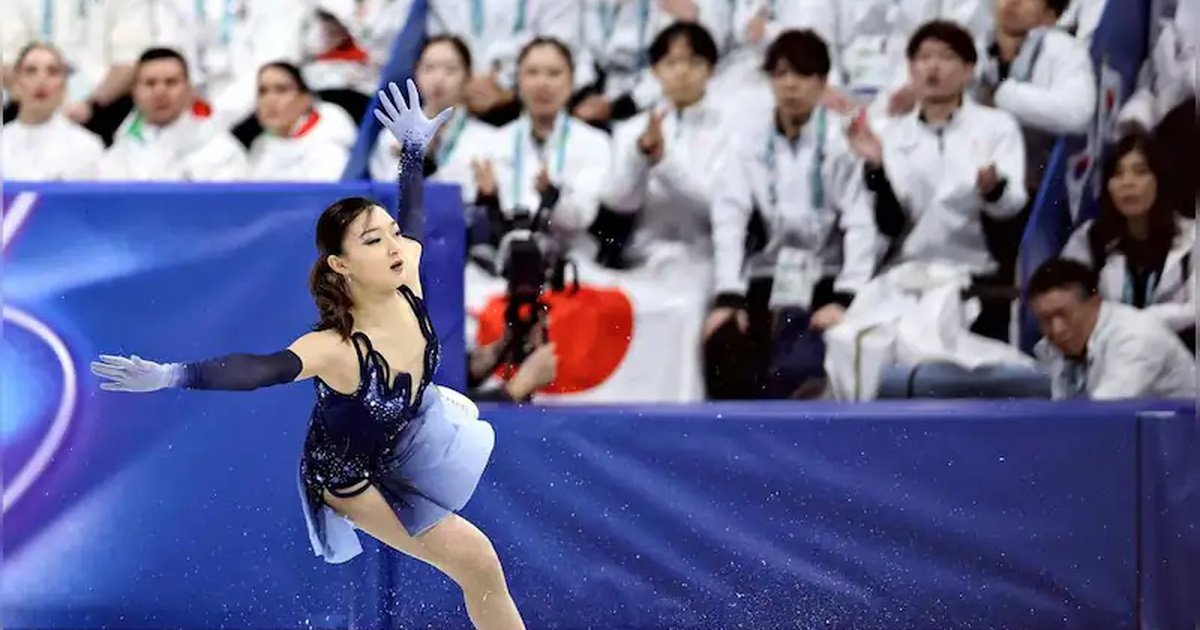
The women’s singles free skating final at the 2026 Winter Olympics in Milan is set to crown Olympic gold in one of the tightest competitions the sport has seen in decades. After a breathtaking short program, only 2.12 points separate Japan’s Ami Nakai, Kaori Sakamoto, and reigning world champion Alysa Liu of the United States.
With Olympic pressure mounting and the smallest margins deciding medals, the free skate promises drama, risk, and potentially career defining performances on the sport’s grandest stage.
A Historic Three Way Battle for Gold
The scoreboard tells the story. Ami Nakai leads after the short program, but her advantage is razor thin. Just 2.12 points cover the top three skaters, creating a scenario where one under rotation, one step out, or one fall could completely reorder the podium.
Such narrow margins are rare in Olympic women’s figure skating. It reflects not only the extraordinary talent in this field but also the evolving technical landscape of the sport. The free skate, worth significantly more points than the short program, will determine everything.
History shows that Olympic free skates often reshape final standings. Fatigue, nerves, and the magnitude of the moment can dramatically influence performance outcomes. In Milan, that pattern could repeat.
Ami Nakai and the Triple Axel Advantage
At just 17 years old, Ami Nakai has positioned herself as the skater to beat. Her defining weapon is the triple Axel, one of the most difficult jumps in women’s figure skating and a skill attempted by only a select few at the Olympic level.
She successfully landed it in the short program, gaining a significant technical advantage. If she delivers it again in the free skate, especially with clean execution and strong component scores, she could solidify her path to Olympic gold.
However, the triple Axel is high risk as well as high reward. Any error on that element could erase her slim lead instantly. The pressure of defending first place in an Olympic final is unlike anything else in the sport.
Kaori Sakamoto’s Program Components Could Tip the Scale
While Kaori Sakamoto does not include a triple Axel in her layout, she brings something equally powerful: world class Program Component Scores. Known for her speed, flow, and commanding presence across the ice, Sakamoto consistently earns some of the highest component marks in the field.
In Olympic judging, technical difficulty is only part of the equation. Skating skills, transitions, interpretation, choreography, and overall performance are heavily weighted. A clean and artistically strong free skate from Sakamoto could outweigh technical gaps and keep her firmly in contention for gold.
Her experience also matters. Sakamoto understands Olympic pressure and has proven her ability to deliver under intense scrutiny.
Alysa Liu Carries American Hopes
Alysa Liu enters the free skate in third place but well within striking distance. The reigning world champion is chasing more than a personal milestone. She is aiming to end a two decade Olympic medal drought for the United States in women’s singles.
That narrative adds emotional weight to her performance. American fans have waited 20 years for an Olympic podium finish in this discipline. Liu’s blend of technical content and competitive maturity has made her one of the most anticipated skaters of the night.
If she produces a clean and confident free skate, especially in the second half where bonus points can elevate the technical score, she could leap into medal position or even challenge for gold.
Japan’s Depth Reflects Global Dominance
Japan’s presence in this final is impossible to ignore. With three skaters inside the top four after the short program, the country’s women’s figure skating program continues to demonstrate unmatched depth and consistency.
This level of dominance is no accident. Years of investment in technical training and international competition exposure have positioned Japan as the sport’s most formidable nation heading into Milan Cortina 2026.
No matter the final order, Japan’s influence on the outcome will be significant.
Strategy Matters in the Second Half
Modern figure skating scoring rewards intelligent program construction. Jumps executed in the second half of the free skate receive a 1.1 times base value bonus. This rule encourages athletes to place their most difficult elements later in the program, increasing both potential reward and risk.
Fatigue becomes a factor. Landing high value jumps after three minutes of demanding choreography requires precision and endurance. A successful second half layout can dramatically boost Technical Element Scores and shift standings within seconds.
In a competition separated by just 2.12 points, these strategic decisions could decide Olympic gold.
Clean Execution Remains the Ultimate Decider
While difficulty captures headlines, execution ultimately determines medals. Under rotations, edge errors, step outs, or falls can significantly reduce scores. Judges reward quality of takeoff, landing control, and overall flow.
In Olympic competition, even the most technically ambitious program must be delivered with near perfection. A simpler but clean skate can defeat a more difficult program riddled with mistakes.
This balance between ambition and control will be central in Milan.
Adeliia Petrosian Looms as a Podium Spoiler
Adeliia Petrosian, competing as an Individual Neutral Athlete, cannot be overlooked. The Russian champion brings elite jump difficulty and a strong coaching pedigree. If the leaders falter, she has the technical arsenal to capitalize.
In tightly packed competitions, spoilers often emerge. Petrosian’s presence adds another layer of unpredictability to an already volatile final.
A New Era in Women’s Figure Skating
This Olympic final also reflects broader changes within the sport. With the minimum Olympic age now raised to 17, figure skating is entering a transition phase. Teenage athletes still dominate, but there is renewed focus on athlete welfare and longevity.
At the same time, technical difficulty continues to rise. Triple Axels and complex jump combinations are becoming central to medal contention. The 2026 final symbolizes a shift in global power and competitive standards.
The Moment That Will Define Milan 2026
When the final skater leaves the ice in Milan, the result may redefine the global balance of power in women’s figure skating. Whether it is Nakai’s daring triple Axel, Sakamoto’s artistic mastery, or Liu’s historic breakthrough, the free skate will test nerve, endurance, and precision.
With just 2.12 points separating the leaders, Olympic gold hangs in the balance. In figure skating, everything can change in four minutes. Milan Cortina 2026 is about to deliver one of the most dramatic women’s singles finals in Olympic history.

Edit Profile
Help improve @KR

Was this page helpful to you?
Contact Khogendra Rupini
Are you looking for an experienced developer to bring your website to life, tackle technical challenges, fix bugs, or enhance functionality? Look no further.
I specialize in building professional, high-performing, and user-friendly websites designed to meet your unique needs. Whether it’s creating custom JavaScript components, solving complex JS problems, or designing responsive layouts that look stunning on both small screens and desktops, I can collaborate with you.
Create something exceptional with us. Contact us today
Open for Collaboration
If you're looking to collaborate, I’m available for a variety of professional services, including -
- Website Design & Development
- Advertisement & Promotion Setup
- Hosting Configuration & Deployment
- Front-end & Back-end Code Implementation
- Code Testing & Optimization
- Cybersecurity Solutions & Threat Prevention
- Website Scanning & Malware Removal
- Hacked Website Recovery
- PHP & MySQL Development
- Python Programming
- Web Content Writing
- Protection Against Hacking Attempts