Anthropic Mythos fears push Google, Microsoft and Elon Musk’s xAI into new US government AI safety pact
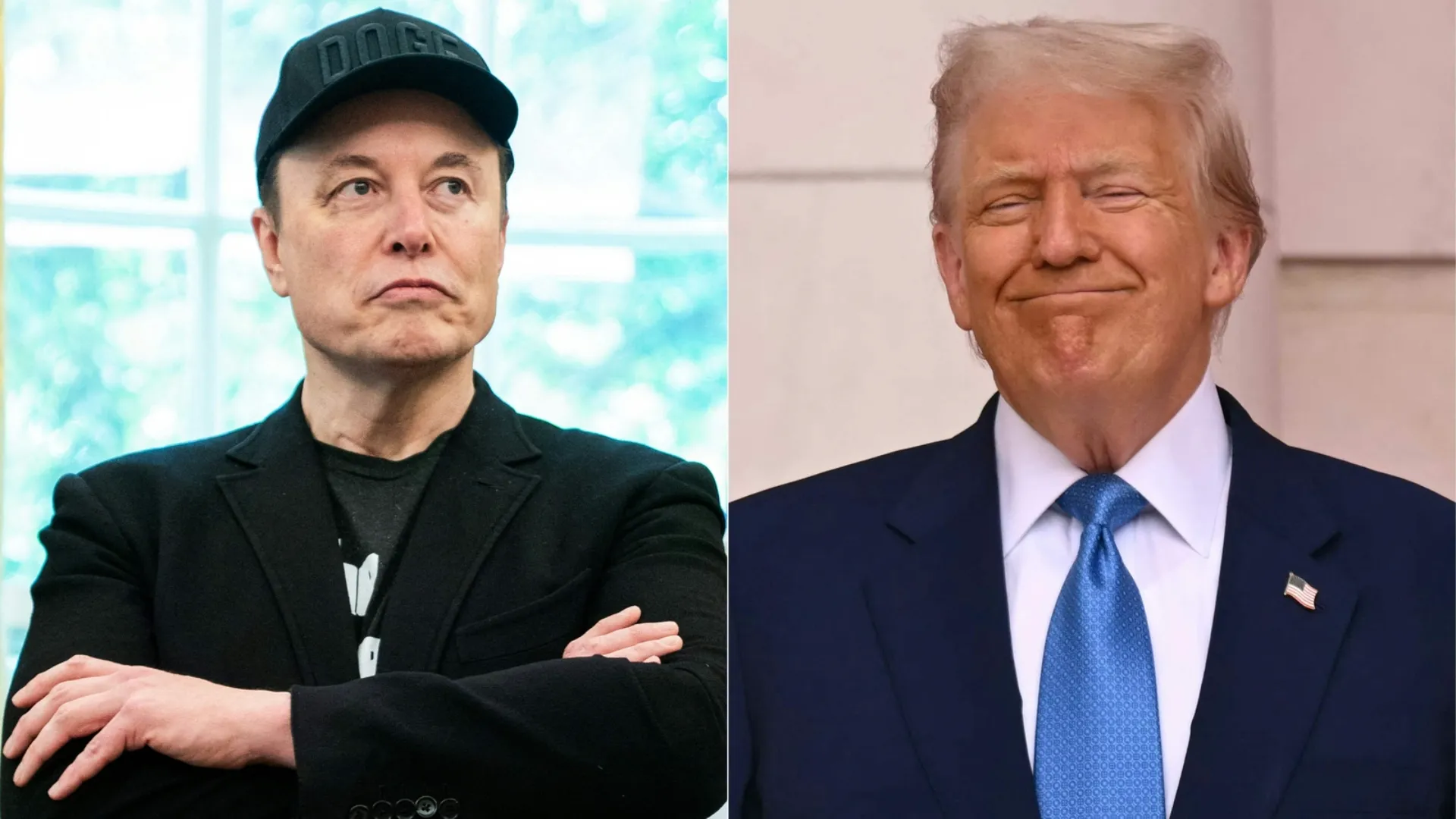
The race to build the world’s most advanced artificial intelligence systems is entering a new phase in the United States, one where national security concerns are becoming just as important as innovation. In a significant move that highlights growing anxiety around powerful AI tools, Google DeepMind, Microsoft and Elon Musk’s xAI have agreed to give the US government early access to some of their most advanced AI models before those systems are released publicly.
The agreement comes at a time when policymakers in Washington are increasingly worried that frontier AI systems could be exploited for cyber warfare, military operations or large scale digital attacks. Those concerns intensified after the emergence of Anthropic’s “Mythos” system, which reportedly triggered alarm within sections of the US government because of its potential ability to assist sophisticated hacking activities.
Under the new arrangement, the federal government will be allowed to examine advanced AI systems before public deployment in order to identify possible risks tied to cybersecurity, national defense and misuse by malicious actors. The initiative will be overseen by the Center for AI Standards and Innovation, also known as CAISI, which operates under the US Department of Commerce’s National Institute of Standards and Technology.
The agreement marks one of the clearest signs yet that the AI industry and the US government are moving toward closer cooperation as artificial intelligence becomes a major geopolitical and security issue.
US government seeks deeper oversight of frontier AI systems
According to details shared by the Department of Commerce, CAISI will conduct pre deployment evaluations and specialized research on frontier AI models developed by participating companies. These assessments are designed to better understand the capabilities, limitations and security risks associated with next generation AI systems.
The initiative expands earlier partnerships established in 2024 with companies such as OpenAI and Anthropic. Officials say the latest agreements strengthen the government’s ability to independently evaluate powerful AI technologies before they become widely accessible.
In its official statement, the Department of Commerce said the expanded collaborations are intended to improve AI security research while aligning with the broader goals of America’s AI Action Plan.
The statement added that the agreements were renegotiated to reflect updated directives from the secretary of commerce and evolving national priorities surrounding advanced AI systems.
At the center of the initiative is the growing belief within Washington that highly capable AI models may eventually create risks that extend far beyond ordinary consumer technology. Government officials increasingly view frontier AI as a strategic technology with implications for national defense, economic competition and cyber resilience.
Why Anthropic’s Mythos system triggered concern
The immediate backdrop to the new agreement is the emergence of Anthropic’s Mythos system, which reportedly heightened concerns about how advanced AI tools could be misused.
While officials have not publicly disclosed technical details about the model, reports suggest that policymakers became concerned over AI systems that may assist hackers in identifying vulnerabilities, generating malicious code or accelerating cyberattack planning.
The fears are not limited to criminal hacking alone. Security experts have warned that powerful AI systems could eventually help hostile actors automate cyber intrusions, spread disinformation campaigns or support military intelligence operations.
These concerns have pushed governments worldwide to reconsider how AI systems should be evaluated before deployment. The United States, which remains home to many of the world’s leading AI companies, is now attempting to balance innovation leadership with stronger oversight mechanisms.
The inclusion of companies such as Google DeepMind, Microsoft and xAI demonstrates that even the industry’s biggest players recognize the growing pressure for accountability and independent testing.
What the agreement allows the US government to do
Under the arrangement reported by Reuters, the US government will receive a “first look” at some of the participating companies’ most advanced AI models before they reach the public.
This process is expected to include several layers of testing and evaluation.
Government researchers will assess whether frontier AI systems could enable cyber warfare related activities or create risks tied to military misuse. Officials will also study the overall capabilities of these systems to understand how powerful they have become and where safeguards may still be weak.
One of the most important aspects of the evaluation process involves testing versions of the AI software where certain safety protections or operational restrictions have been removed. By analyzing how the underlying models behave without their standard safety layers, researchers hope to better understand the technology’s raw capabilities and potential vulnerabilities.
The goal is not only to identify immediate dangers but also to establish scientific standards for evaluating future AI systems as the technology rapidly evolves.
Chris Fall, Director of CAISI, stressed the importance of independent scientific evaluation in understanding the broader national security implications of frontier AI.
He said rigorous measurement science is essential for determining the real world risks associated with advanced AI models and for ensuring that evaluations are conducted in the public interest.
AI safety becomes a major geopolitical issue
The agreement also reflects a broader shift in how governments now view artificial intelligence. Just a few years ago, AI discussions were largely focused on productivity, automation and consumer applications. Today, advanced AI systems are increasingly being treated as strategic assets with direct implications for national power.
Countries around the world are investing heavily in AI infrastructure, semiconductor supply chains and advanced research capabilities. At the same time, policymakers are becoming more aware that frontier AI models could potentially be weaponized if left unchecked.
The United States has been especially active in trying to shape AI governance while maintaining its competitive edge against global rivals. Washington has introduced export controls on advanced chips, increased scrutiny of foreign AI investments and encouraged closer cooperation between government agencies and private AI companies.
The new CAISI agreements fit into that larger strategy by creating a structured channel through which government experts can study frontier AI systems before public deployment.
Industry leaders appear increasingly willing to participate in such initiatives, partly because public trust in AI safety is becoming essential for long term adoption.
Tech companies face growing pressure over AI accountability
The participation of Google DeepMind, Microsoft and Elon Musk’s xAI carries significant weight because all three companies are heavily involved in the development of large scale AI systems.
Google DeepMind remains one of the world’s most influential AI research organizations and continues to compete aggressively in the generative AI race. Microsoft, through its deep partnership with OpenAI and its broader AI investments, has become a dominant force in enterprise AI infrastructure. Elon Musk’s xAI, meanwhile, has rapidly expanded its ambitions as Musk positions the company as a major challenger in the global AI market.
By agreeing to government evaluations before public releases, these companies are signaling that AI safety concerns can no longer be treated as secondary issues.
The move may also help the companies demonstrate responsible development practices at a time when regulators worldwide are demanding greater transparency from AI developers.
Public scrutiny of artificial intelligence has intensified over concerns involving misinformation, deepfakes, copyright disputes, bias, surveillance and cybersecurity threats. Governments are now under pressure to ensure that advanced AI systems do not outpace existing safeguards.
The agreements with CAISI could become an early model for how future AI oversight frameworks operate in the United States.
CAISI emerges as a central player in AI oversight
The Center for AI Standards and Innovation has rapidly become one of the most important government institutions involved in AI evaluation and safety testing.
According to the Department of Commerce, CAISI has already completed more than 40 evaluations of AI models, including assessments involving systems that have not yet been publicly released.
That growing body of work is helping position the agency as a central hub for independent AI testing in the United States.
Officials believe the organization can provide scientific credibility and technical expertise at a time when governments need more reliable ways to evaluate rapidly evolving AI systems.
The agency’s work is also expected to influence future policy decisions, especially as lawmakers debate how to regulate frontier AI technologies without slowing innovation.
Industry experts say independent evaluations may eventually become a standard part of AI development, much like safety testing in industries such as aviation, pharmaceuticals and automotive manufacturing.
The future of AI may depend on balancing innovation and security
The latest agreement between major AI companies and the US government underscores a growing reality within the technology sector. Artificial intelligence is no longer viewed only as a commercial breakthrough. It is increasingly seen as a technology capable of reshaping cybersecurity, military strategy, economic competition and global influence.
As AI models become more capable, governments are likely to demand stronger oversight, deeper transparency and more rigorous safety evaluations.
At the same time, technology companies remain under pressure to innovate quickly in one of the most competitive industries in the world.
The challenge for policymakers and AI developers alike will be finding a balance between encouraging technological progress and preventing dangerous misuse.
The new CAISI agreements represent an important step in that direction. Whether they become a long term model for AI governance may depend on how effectively these evaluations identify risks while still allowing innovation to move forward.
For now, the agreement signals that the era of unchecked AI deployment is rapidly changing, and that national security considerations are becoming central to the future of artificial intelligence.
Frequently Asked Questions
Why did Google, Microsoft and xAI agree to give the US government early access to their AI models?
The companies agreed to allow early government evaluations because US officials are increasingly concerned that advanced AI systems could be misused for cyberattacks, military operations, or other national security threats before public release.
What is the main purpose of the new AI safety agreement?
The agreement is designed to help the US government evaluate powerful frontier AI models before deployment, identify potential security risks, and improve understanding of how advanced AI systems behave under different conditions.
Which government agency will oversee the AI evaluations?
The evaluations will be led by the Center for AI Standards and Innovation, also known as CAISI, which operates under the Department of Commerce’s National Institute of Standards and Technology.
What concerns were raised about Anthropic’s Mythos system?
Anthropic’s Mythos system reportedly raised alarms because officials feared highly advanced AI tools could potentially assist hackers, support cyber warfare activities, or be exploited for military related misuse.
What are frontier AI models?
Frontier AI models are highly advanced artificial intelligence systems with powerful capabilities in reasoning, content generation, coding, analysis, and automation that often exceed previous generations of AI technology.
How will the US government test these advanced AI systems?
Government researchers will evaluate the models for cybersecurity and military related risks, study their capabilities, and test versions where some safety restrictions have been removed to better understand their core behavior.
What role does CAISI play in AI security research?
CAISI conducts scientific evaluations and security testing of advanced AI systems to help policymakers and researchers understand the risks, capabilities, and national security implications of frontier AI technologies.
Are other AI companies already working with the US government on similar evaluations?
Yes. Similar partnerships were previously established in 2024 with companies including OpenAI and Anthropic as part of broader US efforts to improve AI safety oversight.
Why are governments becoming more focused on AI regulation and oversight?
Governments are increasingly focused on AI oversight because advanced AI systems could influence cybersecurity, defense operations, misinformation campaigns, and critical infrastructure security if misused.
What risks do officials fear from powerful AI systems?
Officials are concerned that powerful AI systems could potentially be used for cyberattacks, automated hacking, military intelligence activities, misinformation operations, or other harmful digital threats.
What did CAISI Director Chris Fall say about AI evaluations?
Chris Fall said that independent and rigorous measurement science is essential for understanding frontier AI systems and their potential national security implications.
How many AI model evaluations has CAISI completed so far?
According to the Department of Commerce, CAISI has already completed more than 40 evaluations of AI models, including assessments of systems that were not publicly released.
Why is this agreement important for the future of artificial intelligence?
The agreement represents a growing shift toward balancing AI innovation with national security protections, showing that governments and technology companies are taking AI safety and accountability more seriously.
How could this partnership affect future AI development?
The partnership could lead to stronger safety standards, more independent testing, and increased government involvement in evaluating advanced AI systems before they become widely available.
Why is AI now considered a national security issue?
AI is increasingly viewed as a national security issue because advanced systems can impact cyber defense, military strategy, economic competition, and critical digital infrastructure on a global scale.
Edit Profile
Help improve @KR

Was this page helpful to you?
Contact Khogendra Rupini
Are you looking for an experienced developer to bring your website to life, tackle technical challenges, fix bugs, or enhance functionality? Look no further.
I specialize in building professional, high-performing, and user-friendly websites designed to meet your unique needs. Whether it's creating custom JavaScript components, solving complex JS problems, or designing responsive layouts that look stunning on both small screens and desktops, I can collaborate with you.
Create something exceptional with us. Contact us today
Open for Collaboration
If you're looking to collaborate, I'm available for a variety of professional services, including -
- Website Design & Development
- Advertisement & Promotion Setup
- Hosting Configuration & Deployment
- Front-end & Back-end Code Implementation
- Code Testing & Optimization
- Cybersecurity Solutions & Threat Prevention
- Website Scanning & Malware Removal
- Hacked Website Recovery
- PHP & MySQL Development
- Python Programming
- Web Content Writing
- Protection Against Hacking Attempts